
When it comes to caring for our beloved pets, understanding what plants are safe and which ones aren’t is crucial. Fresh thyme is a popular herb found in many kitchens and gardens. However, pet owners often wonder about its safety. In this article, I’ll explore whether fresh thyme is safe for dogs and cats, how to grow thyme for attracting bees, and the culinary benefits of thyme for both pets and people. Let’s dive into the details to ensure our furry friends and gardens thrive.
Article-at-a-Glance
- Fresh thyme is generally safe for dogs and cats, but large amounts can cause digestive upset.
- The ASPCA lists Thymus vulgaris, the common thyme, as non-toxic to pets.
- Growing thyme in pots can help attract pollinators like bees, benefiting your garden.
- Fresh thyme offers nutritional benefits and can be used in pet-friendly recipes.
- Understanding the signs of adverse reactions can help pet owners act quickly if needed.
Is Fresh Thyme Safe for Dogs and Cats?
Fresh thyme is a staple in many homes due to its aromatic flavor and versatility. For pet owners, the question often arises: Is it safe for my furry friends? According to the ASPCA, Thymus vulgaris, commonly known as thyme, is non-toxic to both dogs and cats. This means that, in general, you don’t have to worry if your pet sneaks a nibble of this herb.
However, moderation is key. While thyme isn’t toxic, consuming large amounts can lead to digestive issues. Pets, particularly dogs, might experience vomiting or diarrhea if they ingest too much. Therefore, it’s best to keep an eye on how much thyme your pet is exposed to and ensure they don’t overindulge.

“Is Thyme Toxic For Cats?” from plantsncats.com and used with no modifications.
Thyme’s Safety Profile According to ASPCA Consuming the Plant vs Inhaling the Scent
The ASPCA provides a comprehensive list of plants that are safe and unsafe for pets. Thymus vulgaris makes it onto the safe list, indicating that it does not pose a toxic threat when consumed in small amounts. However, it’s important to differentiate between consuming the plant and inhaling its scent. For more information on pet-safe gardening, check out this guide on pet-safe garden options.
While eating thyme is generally safe, some pets might have sensitivities to strong scents. If your pet has respiratory issues, be cautious with the amount of thyme and other aromatic herbs in their environment. Always ensure proper ventilation if you’re using thyme in cooking or as an essential oil diffuser.
Recognizing Signs of Adverse Reactions in Pets
Even though thyme is considered safe, every pet is unique, and some might react differently. Here are some signs to watch out for if your pet has ingested too much thyme:
- Vomiting or diarrhea
- Excessive drooling
- Changes in appetite
- Lethargy or unusual behavior
If you notice any of these symptoms, it’s essential to contact your veterinarian promptly. They can provide guidance on the best course of action and ensure your pet’s health and safety.
Growing Thyme for Bee Attraction
Thyme isn’t just beneficial for culinary purposes; it’s also a fantastic plant for attracting pollinators like bees. Bees play a vital role in the ecosystem, and having thyme in your garden can help support their population. Let’s explore how to grow thyme effectively to attract these essential pollinators.

“Thyme – Plants for Pollinators” from plantsforpollinators.weebly.com and used with no modifications.
Best Practices for Potted Thyme Cultivation
Growing thyme in pots is an excellent option for those with limited garden space or who want to control their growing conditions more precisely. Here are some best practices to ensure your thyme thrives:
- Choose the right pot: Opt for a pot with good drainage to prevent root rot. Thyme prefers slightly dry conditions.
- Use well-draining soil: A mix of sand, perlite, and potting soil works well to mimic thyme’s natural environment.
- Provide ample sunlight: Thyme loves the sun, so place your pot in a location that receives at least six hours of sunlight daily.
- Water sparingly: Allow the soil to dry out between waterings to avoid overwatering, which can harm the plant.
Following these guidelines will help your thyme plant flourish, creating an inviting environment for bees and other pollinators.
Culinary and Health Benefits of Fresh Thyme
Fresh thyme is more than just a fragrant herb; it offers numerous health benefits and culinary uses that both humans and pets can enjoy. This versatile herb is packed with vitamins, minerals, and antioxidants that contribute to overall well-being. Whether you’re adding it to a dish for flavor or using it as a natural remedy, thyme can be a valuable addition to your lifestyle.
One of the most compelling benefits of thyme is its antioxidant properties. Antioxidants help combat free radicals in the body, reducing oxidative stress and potentially lowering the risk of chronic diseases. Additionally, thyme is rich in vitamin C, which supports the immune system, and vitamin A, which is essential for eye health. For more on pet-safe gardening, consider reading about pet-safe plants like bachelor buttons and cornflowers.
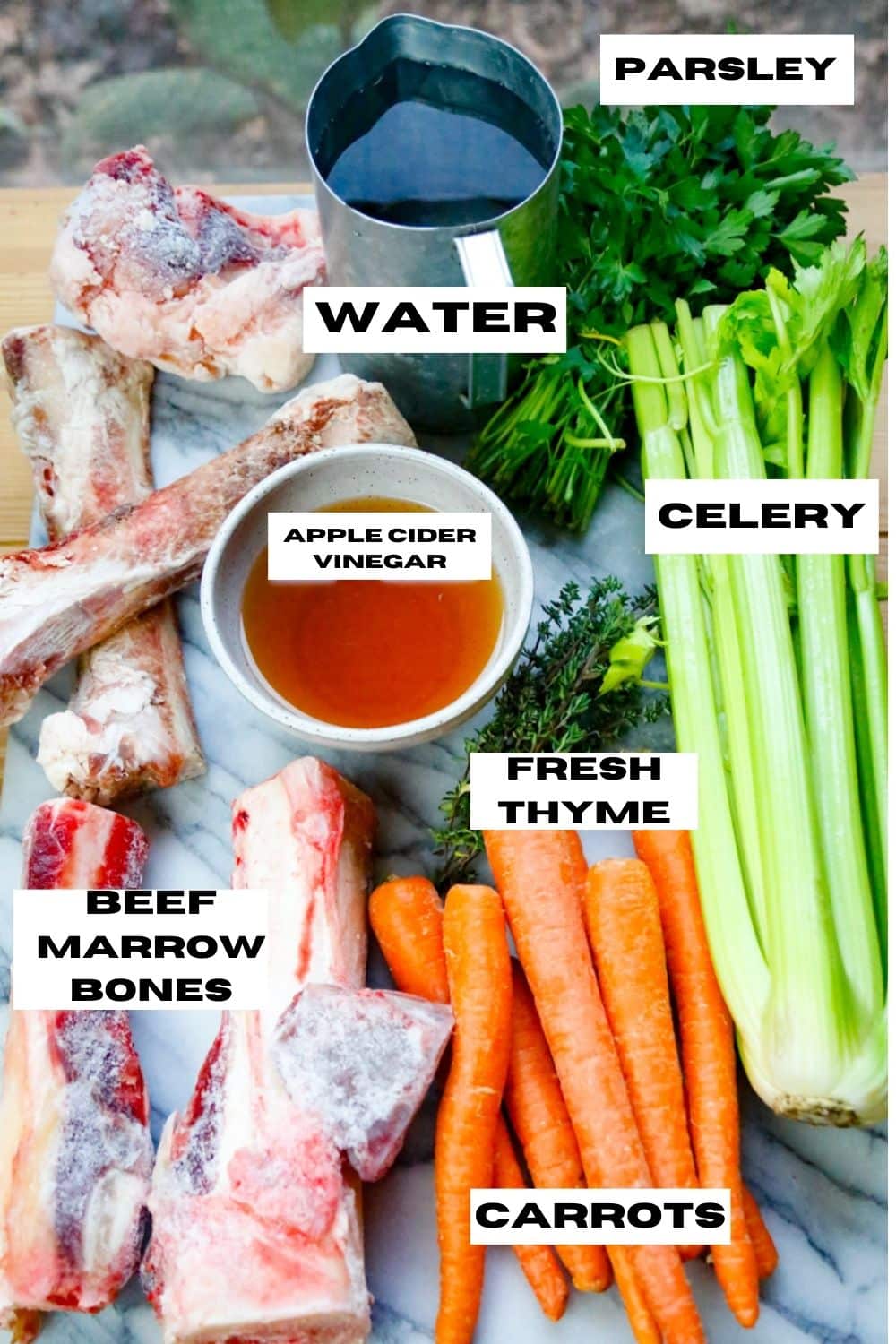
“Homemade Bone Broth Recipe For Dogs …” from fittyfoodlicious.com and used with no modifications.
Recipes for Pets and Humans Featuring Thyme
Incorporating thyme into your meals can be simple and rewarding. Here are some easy recipes that both pets and humans can enjoy:
- Thyme-Infused Chicken: Marinate chicken breasts with olive oil, lemon juice, garlic, and fresh thyme. Grill until cooked through and serve with a side of vegetables.
- Thyme and Sweet Potato Treats for Dogs: Mix mashed sweet potatoes with oat flour, a pinch of thyme, and an egg. Roll into small balls and bake at 350°F until firm.
- Herbal Fish for Cats: Bake a fillet of fish with a sprinkle of thyme and a drizzle of olive oil. Serve cooled to your feline friend.
These recipes are not only delicious but also provide nutritional benefits thanks to the inclusion of thyme.
For pet owners, it’s essential to introduce new foods gradually and observe how your pet reacts. Start with small amounts of thyme and monitor for any adverse reactions.
Nutritional Advantages of Including Thyme in Diets
The nutritional profile of thyme makes it a powerhouse herb. Here’s a breakdown of its key nutrients:
Nutrient
Benefits
Vitamin C
Boosts immune system and promotes skin health
Vitamin A
Supports vision and skin health
Iron
Essential for red blood cell production
Manganese
Supports bone health and metabolism
Including thyme in your diet can enhance your nutrient intake, supporting various aspects of health. Its natural compounds may also have antimicrobial properties, which can help fight off infections.
For pets, the nutritional benefits of thyme can support their overall health when used appropriately. Always ensure that thyme is given in moderation to avoid any digestive issues.
Integrating Fresh Thyme into Daily Meals
Incorporating thyme into your daily meals can be an enjoyable experience. Here are some tips to make the most of this herb:
First, consider using fresh thyme in salads or as a garnish for soups and stews. Its subtle flavor can enhance dishes without overpowering them. You can also add thyme to homemade sauces and dressings for an extra layer of taste.
Another great way to enjoy thyme is by brewing it into a soothing herbal tea. Simply steep fresh thyme leaves in hot water for a few minutes, strain, and enjoy. This can be a relaxing way to wind down at the end of the day.
Thymus vulgaris: Understanding Its Uses and Benefits
Thymus vulgaris, commonly known as common thyme, is a species of thyme that is widely used for its culinary and medicinal properties. Its history dates back to ancient times when it was used for its healing qualities and aromatic scent. Today, Thymus vulgaris remains a popular choice for both gardeners and cooks.
ASPCA’s View on Thymus vulgaris as Non-Toxic
The ASPCA has classified Thymus vulgaris as non-toxic to pets, making it a safe choice for households with dogs and cats. This means you can grow thyme in your garden or keep it in your kitchen without worrying about harmful effects on your pets. However, as with any plant, it’s wise to keep an eye on your pets to ensure they don’t consume excessive amounts. If you’re interested in other pet-safe garden options, there are many plants to consider.
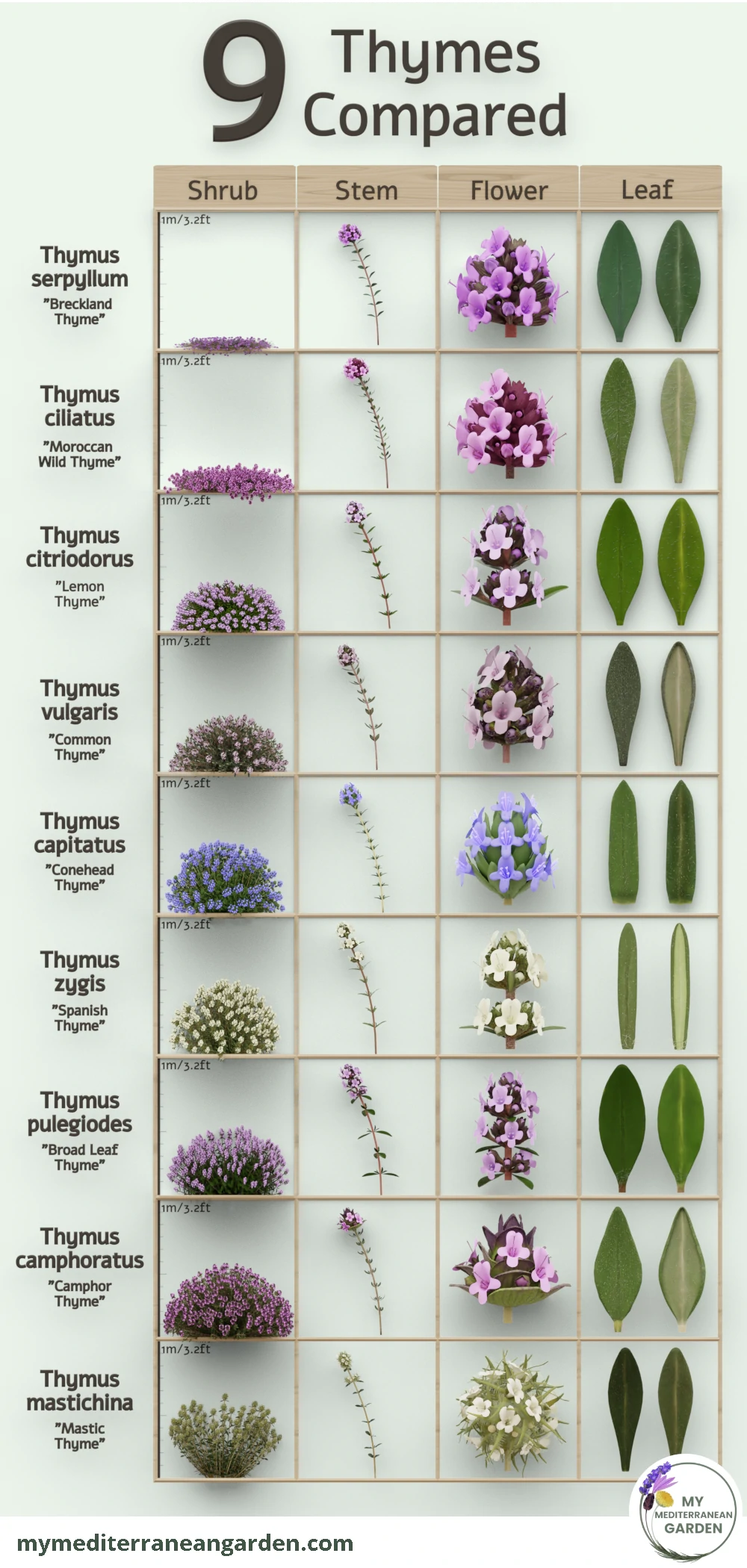
“9 Thyme plants for your dry garden” from mymediterraneangarden.com and used with no modifications.
Comparing Thymus vulgaris with Other Varieties
There are many varieties of thyme, each with its unique characteristics. Thymus vulgaris is often preferred for its robust flavor and versatility. In comparison, lemon thyme (Thymus citriodorus) offers a citrusy aroma, making it a delightful addition to fish and chicken dishes. Woolly thyme (Thymus pseudolanuginosus) is more ornamental, used primarily for ground cover.
Historical and Modern Applications of Thymus vulgaris
Historically, thyme was used by the Egyptians for embalming and by the Greeks as incense in temples. Its antiseptic properties were also recognized in the Middle Ages, where it was used to treat wounds and respiratory ailments, much like how art therapy plays a role in healing today.
In modern times, Thymus vulgaris continues to be valued for its medicinal uses, such as in natural cough remedies and skin treatments. Its culinary applications are vast, from seasoning meats to flavoring oils and vinegars. Understanding the diverse uses of thyme can help you incorporate it into various aspects of life, enhancing both health and flavor.
Conclusion: The Versatile Benefits of Thyme
In conclusion, fresh thyme offers numerous benefits for both pets and humans. Its safety profile, as confirmed by the ASPCA, makes it a non-toxic option for households with pets, provided it’s consumed in moderation. Thyme’s ability to attract pollinators like bees can enhance your garden’s ecosystem, and its culinary uses add flavor and nutrition to a variety of dishes.
Growing thyme in pots is an excellent way to ensure your plants receive optimal care, especially if space is limited. By following best practices for cultivation, you can enjoy a thriving thyme plant that serves multiple purposes. Whether you’re using thyme in recipes or as a natural remedy, its versatility makes it a valuable addition to your home and garden.
“Thyme is not just an herb; it’s a bridge between culinary delight and natural wellness, offering benefits that span generations.”
By incorporating thyme into your daily routine, you can take advantage of its health benefits while ensuring a safe and enjoyable environment for your pets. Remember to monitor your pets’ consumption and observe any signs of adverse reactions, acting promptly if necessary. With its rich history and diverse applications, thyme truly stands out as a remarkable herb.
Frequently Asked Questions
As we wrap up this exploration of thyme, let’s address some common questions that pet owners and gardeners might have. These insights can help you make informed decisions about incorporating thyme into your life. For more information on creating a pet-safe garden, check out this guide.
Is Thyme Essential Oil Safe for Pets?
Thyme essential oil, while beneficial for humans, can be potent and should be used cautiously around pets. It’s essential to dilute the oil properly and avoid direct application on your pet’s skin. Additionally, ensure your pets have access to fresh air if you’re using a diffuser. Always consult with a veterinarian before introducing essential oils into your pet’s environment. For more information on pet safety, check out these TSA-approved pet carriers options.

“Amazon.com: Pet-Friendly Pastel Set 7 …” from www.amazon.com and used with no modifications.
Can Thyme Be Used as a Natural Remedy for Pet Illnesses?
Yes, thyme can be used as a natural remedy for certain pet ailments, such as minor respiratory issues. Its antimicrobial properties may help alleviate symptoms, but it’s crucial to consult a veterinarian before using thyme as a treatment. They can provide guidance on appropriate dosages and ensure it’s safe for your specific pet.
What Are the Best Conditions for Growing Potted Thyme?
To grow potted thyme successfully, provide it with well-draining soil, ample sunlight, and minimal water. Thyme thrives in dry conditions, so allow the soil to dry out between waterings. Ensure your pot has good drainage to prevent waterlogging, which can harm the plant.
Additionally, consider placing your thyme pot in a sunny location, such as a windowsill or balcony, where it can receive at least six hours of sunlight daily. This will promote healthy growth and maximize its flowering potential, attracting pollinators to your garden.
How Often Should I Use Thyme in My Pet’s Diet?
Introduce thyme to your pet’s diet gradually, starting with small amounts. Observe your pet for any adverse reactions and adjust the quantity accordingly. Generally, thyme can be included in their diet a few times a week, but moderation is key to prevent digestive issues.
What Varieties of Thyme Are Most Beneficial for Pets’ & People’s Health?
Common thyme (Thymus vulgaris) is widely used for its culinary and medicinal benefits. Lemon thyme (Thymus citriodorus) offers a refreshing citrus flavor, making it an excellent choice for enhancing dishes. Both varieties provide health benefits, but it’s essential to choose the one that best suits your culinary preferences and garden needs.
By understanding the different varieties and their applications, you can make informed choices about which thyme to grow and use in your home. Each type brings unique flavors and benefits, enriching your meals and supporting overall health.
Incorporating thyme into your lifestyle can enhance your well-being and create a harmonious environment for your pets. With its rich history, diverse uses, and proven benefits, thyme truly is a versatile herb worth exploring. For more information on its safety for pets, check out this resource on thyme’s safety for dogs and cats.