
Key Takeaways
- Ponytail palms are completely non-toxic to pets, making them ideal houseplants for cat and dog owners according to the ASPCA.
- Despite their common name, these plants aren’t actually palms but members of the Asparagaceae family with a distinctive water-storing trunk and cascading foliage.
- With proper care, ponytail palms can live for decades and even centuries in their native habitat, growing slowly but steadily with minimal maintenance.
- These resilient plants thrive on neglect, requiring infrequent watering (only when soil is completely dry) and bright, indirect light.
- Propagation is possible through offsets (pups) that develop at the base of mature plants, allowing you to expand your collection or share with fellow plant enthusiasts.
Looking for a virtually indestructible houseplant that won’t harm your pets? The ponytail palm might be your perfect match. This architectural wonder combines striking good looks with low-maintenance care requirements, making it a favorite among both novice and experienced plant enthusiasts. Plant experts consistently recommend ponytail palms as one of the best starter houseplants for their remarkable resilience and adaptability to indoor conditions.
Whether you’re seeking a safe addition to a pet-friendly home or simply want a distinctive plant that won’t punish you for occasional neglect, the ponytail palm delivers on all fronts. Let’s explore everything you need to know about this fascinating plant, from its unusual appearance to its specific care requirements.
Meet the Ponytail Palm: A Pet-Safe Plant with Multiple Identities
That eye-catching plant with the bulbous base and fountain of slender leaves has many names but unmistakable charm. Despite what its common name suggests, the ponytail palm isn’t actually a palm at all. This botanical curiosity belongs to the Asparagaceae family and is native to the semi-desert regions of southeastern Mexico, where it has evolved to withstand drought conditions.
Ponytail Palm Quick Facts
Scientific name: Beaucarnea recurvata
Plant family: Asparagaceae
Native region: Eastern Mexico
Growth habit: Slow-growing, drought-tolerant succulent
Toxicity: Non-toxic to humans, cats, dogs, and other pets
Common Names: Elephant’s Foot, Bottle Palm, and More
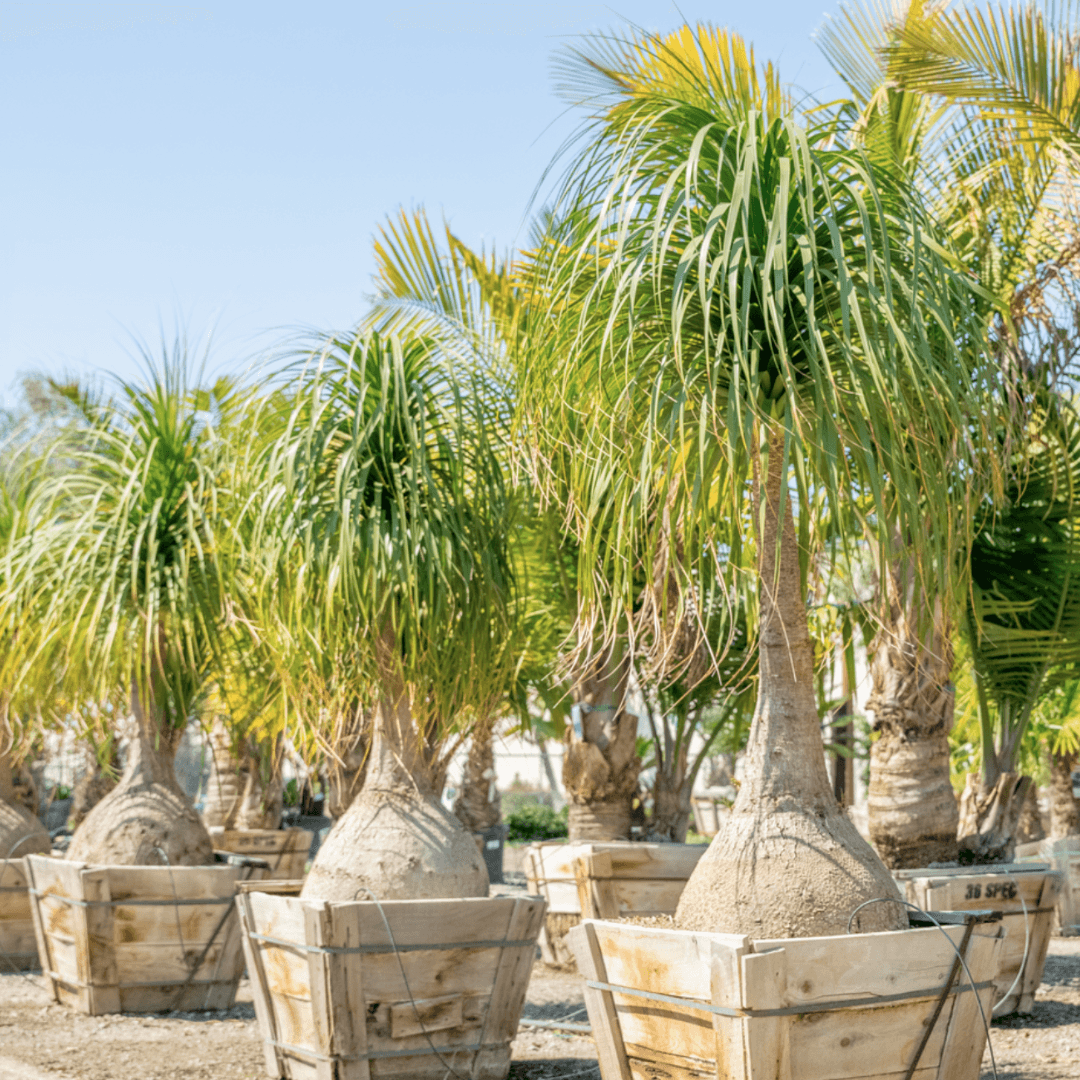
The ponytail palm goes by several aliases that highlight its distinctive features. “Elephant’s foot tree” and “bottle palm” reference its swollen trunk base, which resembles an elephant’s foot or a bottle. Some also call it “pony tail plant” or simply “ponytail” due to its long, cascading foliage that resembles a ponytail. In scientific circles, it’s known as Beaucarnea recurvata, though you might occasionally see it classified under the older genus name Nolina.
“Ponytail Palm | Palm Tree | Moon Valley …” from www.moonvalleynurseries.com and used with no modifications.
Physical Characteristics: That Distinctive Bulbous Base
The most striking feature of the ponytail palm is undoubtedly its enlarged trunk base called a caudex. This bulbous structure serves as a water reservoir, allowing the plant to survive extended periods of drought in its natural habitat. From this swollen base emerges a relatively slender trunk that may eventually branch in mature specimens. The green, strap-like leaves grow from the top of the trunk in a fountain-like arrangement, creating the signature “ponytail” effect that gives this plant its common name.
Young ponytail palms typically have a single rosette of leaves, but older specimens can develop multiple growth points and a more tree-like appearance. The leaves themselves are long, thin, and flexible, typically reaching 2-3 feet in length when grown indoors (though they can grow much longer in optimal conditions). Their graceful arching habit creates a cascading effect that adds movement and texture to any space.
Not Actually a Palm: The Beaucarnea Recurvata Truth
Despite its palm-like appearance and common name, the ponytail palm is neither a true palm nor a tree in the botanical sense. It’s actually a succulent belonging to the Asparagaceae family, related to agaves and yuccas rather than palms. This classification explains many of its care requirements and drought-tolerant nature. The misclassification in its common name likely stems from its appearance, particularly the way its leaves resemble the fronds of some palm species when viewed from a distance.
Understanding that the ponytail palm is a succulent rather than a true palm is crucial for providing proper care. Unlike many true palms that require consistent moisture and humidity, the ponytail palm thrives with infrequent watering and can tolerate dry air conditions. Its succulent nature also explains its ability to store water in its distinctive bulbous trunk, a survival adaptation from its semi-desert origins.
Pet Safety: Why Ponytail Palms Get the ASPCA Green Light
One of the most appealing aspects of the ponytail palm for many houseplant enthusiasts is its pet-friendly status. Unlike many popular houseplants that can pose serious health risks to curious pets, the ponytail palm has been officially deemed safe by the American Society for the Prevention of Cruelty to Animals (ASPCA).
ASPCA Non-Toxic Status Explained
The ASPCA maintains an extensive database of plants categorized by their toxicity to pets, and the ponytail palm (Beaucarnea recurvata) is listed as non-toxic to cats, dogs, and horses. This means that the plant contains no chemicals or compounds known to cause significant harm if ingested by these animals. The ASPCA’s non-toxic designation offers pet owners valuable peace of mind, especially in households with curious cats or dogs that might occasionally nibble on houseplants.
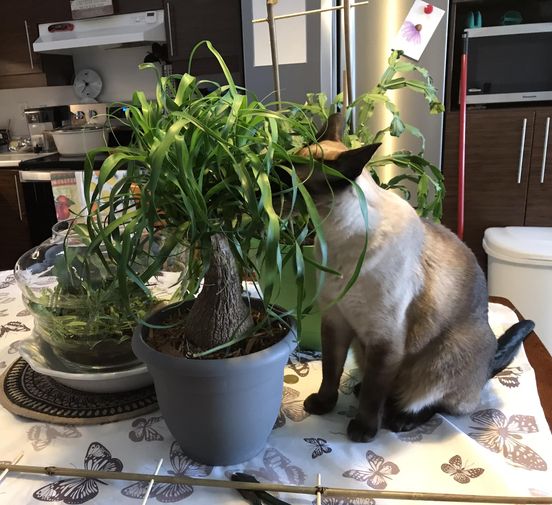
While the ponytail palm lacks toxic properties, it’s worth noting that any plant material, even non-toxic varieties, can potentially cause mild gastrointestinal upset if consumed in large quantities. The plant’s fibrous leaves aren’t particularly appetizing to most pets, but some animals might still show interest in chewing them, particularly playful kittens or puppies exploring their environment.
“Is my ponytail palm toxic for my cat …” from www.reddit.com and used with no modifications.
Safe for Cats, Dogs, and Other Household Pets
Pet owners often struggle to find attractive houseplants that won’t endanger their furry companions. The ponytail palm stands out as an excellent option that combines striking aesthetics with complete pet safety. Unlike toxic plants such as lilies (lethal to cats) or sago palms (highly toxic to dogs), ponytail palms pose no poisoning risk if your pet decides to take an exploratory nibble.
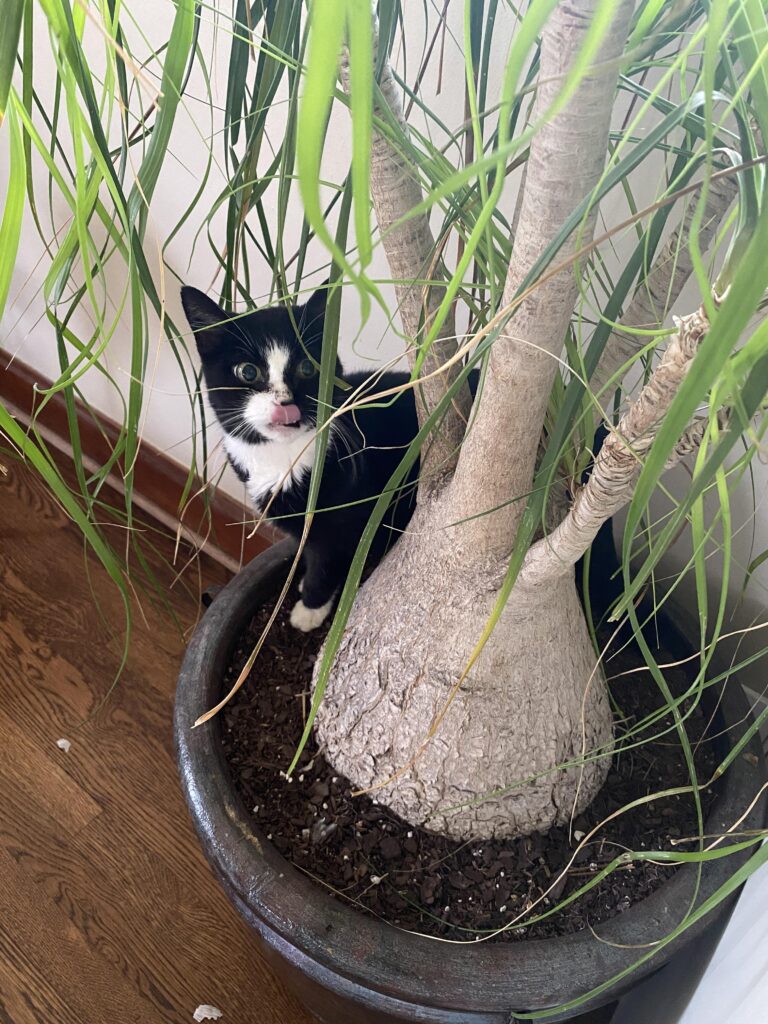
While ponytail palms won’t poison your pets, excessive consumption might cause mild digestive discomfort simply due to the fibrous nature of the leaves. The good news is that most pets lose interest quickly after an initial investigation, as the tough, stringy leaves aren’t particularly palatable. This natural deterrent often prevents pets from causing significant damage to the plant itself. For more information on pet-safe plants, check out our guide on artillery plant care and pet safety.
“Ponytail palm safe for cats hotsell” from thehagroup.co and used with no modifications.
Practical Tips to Keep Curious Pets from Damaging Your Plant
Even though ponytail palms won’t harm your pets, you might want to protect your plant from potential damage. Playful kittens particularly might view those dangling leaves as irresistible toys. Consider elevating your plant on a stand or shelf beyond easy reach. For determined pets, a light spritz of diluted lemon juice or bitter apple spray (safe deterrents) on the lowest leaves can discourage chewing without harming the plant or your pet. For more information on ponytail palm and cats, you can explore further resources.
Another concern is that cats might view the pot as an alternative litter box. Placing decorative stones or river rocks on the soil surface creates an unappealing texture for digging while adding a decorative element. For particularly persistent pets, a physical barrier like a decorative plant cage might be necessary, though most pet owners find that simple elevation solves most problems.
Ponytail Palm Lifespan and Growth: What to Expect
One of the most remarkable aspects of the ponytail palm is its potential longevity. These plants are truly long-term companions that can enhance your home for decades with proper care. Understanding their natural growth patterns helps set realistic expectations and allows you to enjoy this plant’s gradual transformation over time.
Decades of Beauty: Understanding Their Impressive Longevity
Ponytail palms are known for their exceptional lifespan, often surviving for decades as houseplants and even centuries in their natural habitat. Indoor specimens frequently live 20-30 years or more, with some well-cared-for plants passing from one generation to the next as family heirlooms. In their native Mexican environment, these remarkable plants can live for several hundred years, developing into majestic specimens with thick trunks and multiple branches. For those interested in ensuring the best care and conditions for their ponytail palms, understanding the balance of sun versus shade is crucial.
This impressive longevity makes ponytail palms excellent investment plants that increase in value and beauty with age. Unlike fast-growing houseplants that quickly outgrow their spaces, ponytail palms develop slowly into increasingly sculptural specimens that can remain in the same location for many years. Their long lifespan also means they’re ideal plants for those seeking a low-turnover houseplant collection. For more on plant care, explore our guide on sword fern care tips.
Slow Growth Rate: The Perfect Low-Maintenance Option
Ponytail palms grow with deliberate patience, typically adding just a few inches of height per year under average indoor conditions. This slow growth rate is actually advantageous for houseplant enthusiasts, as it means your plant won’t quickly outgrow its space. The trunk gradually thickens and may eventually develop branches, while the leaf crown becomes fuller over time.
Growth factors include light intensity, watering frequency, container size, and seasonal changes. Growth typically accelerates during spring and summer months when light levels are higher, then slows or nearly stops during fall and winter. This natural rhythm means your ponytail palm will have distinct growing and resting periods throughout the year, similar to its behavior in its native habitat.
Size Expectations: From Tabletop to Statement Plant
Most ponytail palms sold as houseplants start as small specimens around 12-18 inches tall, perfect for tabletops or desks. With patience, these young plants will gradually develop into more substantial specimens. After 5-10 years of indoor growth, a typical ponytail palm might reach 3-4 feet in height with a fuller crown of leaves. In ideal conditions with adequate space, very mature indoor specimens can eventually reach 6-8 feet tall. Learn more about ponytail palm care to ensure your plant thrives.
Outdoors in suitable climates (USDA zones 9-11), ponytail palms can achieve much more impressive dimensions. Garden specimens frequently reach 15-20 feet in height over several decades, with some exceptional examples growing even taller. The caudex or bulbous base also expands dramatically with age, potentially reaching several feet in diameter in very old specimens. This striking size disparity between indoor and outdoor plants reflects the natural constraints of container growing versus open-ground planting.
Light Requirements: Finding the Sweet Spot
Light is the energy source that powers your ponytail palm’s growth and overall health. Understanding and meeting its light needs is perhaps the most crucial aspect of successful ponytail palm care, whether grown indoors or out. These adaptable plants can tolerate various light conditions, but they definitely have preferences.
Indoor Light Needs: Bright but Indirect
Indoors, ponytail palms thrive in bright, indirect light that mimics the filtered sunlight they would receive in their natural habitat. An east-facing window provides ideal morning sunlight without the intensity that could scorch the leaves. Near a south or west-facing window with sheer curtains or positioned a few feet back from the glass also works well, giving the plant access to bright light without direct sun exposure.
While ponytail palms can adapt to medium light conditions, they won’t thrive in dim corners or spaces far from windows. Signs of insufficient light include stretched, pale new growth, reduced leaf production, and an overall lackluster appearance. For spaces with limited natural light, supplementing with grow lights can help maintain healthy growth, particularly during winter months when daylight hours diminish.
Outdoor Sun Exposure: Morning Light vs. Afternoon Heat
When grown outdoors, ponytail palms appreciate morning sun followed by afternoon shade in most regions. This light pattern provides energizing brightness without the scorching intensity of midday and afternoon sun. In coastal or very mild climates, ponytail palms may handle full sun conditions once acclimated, but in hotter inland areas, protection from intense afternoon sun prevents leaf burn.
Always acclimate potted ponytail palms gradually when moving them outdoors for summer. Start with a few hours in dappled shade, gradually increasing exposure over 1-2 weeks. This careful transition prevents shock and sunburn on leaves that have adapted to indoor light levels. Plants that have summered outdoors should make the reverse transition before temperatures drop below 50°F (10°C).
Signs Your Ponytail Palm Is Getting Too Much or Too Little Light
Ponytail palms communicate their light satisfaction through visible signs. Inadequate light often manifests as elongated, spindly new growth, reduced leaf production, and a generally etiolated (stretched) appearance as the plant reaches for more light. The leaves might also appear paler green than normal, indicating insufficient chlorophyll production due to limited light exposure.
Conversely, too much direct sunlight typically causes yellowing or browning patches on the leaves, particularly at the tips and edges. These sunburn marks appear as crispy, discolored areas that won’t recover once damaged. In extreme cases of light stress, the entire plant may take on a bleached, washed-out appearance. Finding the balance—bright enough for healthy growth but protected from intense direct sun—is key to maintaining an attractive specimen.
Indoor vs. Outdoor Growing: Making the Right Choice
The versatility of ponytail palms allows them to thrive both indoors as houseplants and outdoors in suitable climates. Each growing environment offers different advantages and challenges. Your climate, available space, and personal preferences will determine which approach works best for your situation.
Indoor growing provides year-round enjoyment and protection from extreme weather conditions, making it the only viable option in colder regions. Outdoor cultivation in suitable climates allows ponytail palms to reach their full potential size and often results in more robust growth and flowering (though flowering is rare even in optimal conditions). Many enthusiasts take a hybrid approach, moving container specimens outdoors during warm months and bringing them in for winter protection.
Temperature and Humidity Requirements
Ponytail palms prefer average to warm temperatures between 65-80°F (18-27°C), though they can tolerate brief periods outside this range. The critical factor is avoiding temperatures below 45°F (7°C), which can cause cold damage, particularly if combined with wet soil. Unlike many tropical houseplants, ponytail palms are remarkably tolerant of low humidity, making them perfect for dry indoor environments with winter heating that challenges more moisture-loving species.
Hardiness Zones for Outdoor Success (9-11)
Permanent outdoor growing is limited to USDA hardiness zones 9-11, where winter temperatures rarely drop below freezing. In zone 9, protection from occasional frost may be necessary, while in zones 10-11, ponytail palms can grow year-round without special winter precautions. In marginal zones like 8b, some gardeners successfully grow ponytail palms outdoors with winter protection or in sheltered microclimate locations near buildings that provide additional warmth.
Container Selection for Indoor and Outdoor Plants
Selecting an appropriate container significantly impacts ponytail palm health. Choose pots with excellent drainage holes and made from materials that support root health. Terracotta and ceramic pots are ideal choices as they allow soil to dry properly between waterings, preventing the moisture retention that can lead to root rot. The container should be proportional to the plant—typically just 2-4 inches wider than the caudex (swollen base)—as ponytail palms actually perform better when slightly root-bound.
For outdoor container growing, consider the added challenges of temperature fluctuations and weather exposure. Heavier containers prevent tipping in windy conditions, while lighter plastic or fiberglass pots make seasonal moving easier. In all cases, prioritize drainage above all other factors to match the plant’s drought-adapted nature.
- Terracotta: Excellent drainage, stabilizing weight, natural appearance
- Ceramic: Attractive, good weight, available in many designs
- Plastic: Lightweight for moving, retains moisture longer (be cautious with watering)
- Concrete: Very stable for larger specimens, excellent for windy outdoor locations
- Wood: Natural appearance, but ensure it’s sealed to prevent rotting
The right container not only supports plant health but also complements your décor. The architectural nature of ponytail palms pairs beautifully with minimalist, modern pots as well as more traditional containers. Consider the plant’s eventual size when selecting a long-term home, as frequent repotting isn’t necessary or beneficial for these slow-growing plants.
When placing your ponytail palm, remember that container weight increases significantly after watering. Position larger specimens where they can remain permanently, especially if using heavy ceramic or concrete containers. For balconies or areas with weight restrictions, lightweight alternatives like fiberglass pots designed to look like heavier materials offer a practical solution.
The Ponytail Palm Care Blueprint
Successful ponytail palm care centers around respecting the plant’s natural adaptations to semi-arid conditions. These resilient plants have evolved to withstand drought through water storage in their distinctive bulbous trunks, allowing them to survive extended dry periods. This evolutionary history provides the blueprint for their care needs, which primarily involve restraint rather than intensive maintenance.
Water Requirements: Less Is More
The cardinal rule of ponytail palm care is to underwater rather than overwater. Allow the soil to dry completely throughout the pot before watering again, which might mean waiting 3-4 weeks between waterings in winter and 1-2 weeks during active summer growth. When you do water, do so thoroughly until water flows from the drainage holes, then empty any collected water from the saucer to prevent soggy conditions. The swollen caudex stores water efficiently, allowing the plant to withstand occasional neglect far better than frequent overwatering. For additional tips on plant care, you can explore artillery plant care as a useful guide.
Soil Type: Well-Draining is Essential
The ideal growing medium for ponytail palms prioritizes excellent drainage while still providing adequate nutrition. A cactus or succulent mix provides an excellent base, often improved with additional perlite, pumice, or coarse sand to enhance drainage. The goal is a gritty, fast-draining mix that won’t retain excessive moisture around the roots. Commercial cactus soils typically work well, though many enthusiasts create custom blends by mixing standard potting soil with coarse materials at a ratio of about 50:50. For more detailed care tips, check out this guide on ponytail palm care.
Avoid standard potting soils designed for moisture-loving plants, as these retain too much water and can lead to root rot issues. The ideal soil will feel coarse to the touch and drain quickly when watered. If you notice water pooling on the surface before slowly draining, your mix is likely too dense and would benefit from the addition of more drainage materials.
Fertilizing Schedule: When and How Much
Ponytail palms require minimal fertilization compared to many houseplants. Apply a balanced, water-soluble fertilizer diluted to half the recommended strength once in spring and again in summer during the active growing season. Choose a fertilizer with an NPK ratio around 10-10-10 or 20-20-20, applying it to slightly moist soil to prevent root burn. Avoid fertilizing during fall and winter when growth naturally slows. For additional plant care tips, you might find this artillery plant care guide helpful.
Over-fertilization causes more problems than under-fertilization for these naturally slow-growing plants. Signs of excessive fertilizer include leaf tip burn, crusty white mineral deposits on the soil surface, or unusually rapid but weak growth. If you notice these symptoms, flush the soil thoroughly with plain water and reduce future fertilizer applications.
Repotting: The 2-3 Year Rule
Ponytail palms prefer being slightly root-bound and don’t require frequent repotting. Generally, young plants may need repotting every 2-3 years, while mature specimens can remain in the same container for 4-5 years or longer. The primary indicator for repotting is when roots begin circling visibly at drainage holes or pushing the plant upward, not necessarily when the plant looks large for its container.
When repotting, select a container just 1-2 inches larger in diameter than the current pot. Gently remove the plant, brush away some of the old soil from the root ball, and inspect roots for any dark, soft sections that should be trimmed away. Place fresh well-draining soil in the bottom of the new pot, position the plant at the same depth it was previously growing, and fill in around the roots with additional soil. Wait about a week before watering the newly repotted plant to allow any root injuries to heal.
Propagation Made Easy: Growing New Ponytail Palms
Expanding your ponytail palm collection through propagation creates opportunities to share these wonderful plants with friends or increase your own collection. While these plants propagate more slowly than many houseplants, the process is straightforward and rewarding for patient gardeners. For more information on pet-safe plant care tips, explore our related resources.
Offset Division: The Most Reliable Method
The most dependable propagation method involves removing and potting the small offsets (sometimes called “pups”) that mature ponytail palms occasionally produce around their base. These baby plants develop their own small root systems while still attached to the mother plant. When an offset reaches approximately 4 inches in size with several leaves, it can be carefully separated during repotting.
Using a clean, sharp knife, cut the offset away from the parent plant, ensuring you include any roots that have formed on the pup. Allow the cut surfaces to callus over for 2-3 days before planting the offset in well-draining cactus soil. Water sparingly until new growth indicates successful establishment, which may take several weeks to months. For more tips on plant care and safety, check out this artillery plant care guide.
Seed Propagation: For the Patient Plant Parent
Growing ponytail palms from seeds requires considerable patience but offers the satisfaction of nurturing a plant from its earliest stage. Fresh seeds germinate most reliably, with germination rates declining significantly as seeds age. Sow seeds in a well-draining cactus mix, barely covering them with a thin layer of soil. Maintain consistent warmth (around 70-75°F) and light moisture until germination occurs, typically within 2-4 weeks under ideal conditions. For more tips on plant care, check out this guide on artillery plant care.
Seedling growth progresses slowly, with the characteristic bulbous base beginning to develop after several months. Young seedlings are vulnerable to both drought and overwatering, requiring careful moisture management until they establish more resilient root systems. Expect to wait at least 3-5 years before seedling-grown plants develop the distinctive architectural form that makes ponytail palms so appealing.
Step-by-Step Guide to Successful Propagation
For offset division, wait until spring or early summer when the plant enters active growth. Gently remove the parent plant from its pot and identify healthy offsets with their own developing root systems. Using a clean, sharp knife, cut the offset away from the parent plant, including any roots attached to the pup. Allow both cut surfaces to dry and callus for 2-3 days in a warm, dry location.
Plant the parent back in its original container with fresh soil. Prepare a small pot (4-6 inches) with well-draining cactus mix for the offset. Position the offset so its base is just above the soil line, supporting it with additional soil if necessary. Wait 5-7 days before providing a light watering around the edges of the pot, avoiding direct contact with the offset’s stem.
Monitor the new plant carefully over the next few months, maintaining barely moist soil conditions until new growth appears, signaling successful establishment. Once the offset shows signs of active growth, transition to the typical watering schedule of allowing the soil to dry completely between waterings.
Propagation Success Timeline
Offset callusing period: 2-3 days
First watering: 5-7 days after planting
Root establishment: 3-6 weeks
Visible new growth: 2-4 months
Resembles mature plant: 2-3 years
Rescue Mission: Reviving a Struggling Ponytail Palm
Even these resilient plants occasionally face challenges that require intervention. The good news is that ponytail palms possess remarkable recovery abilities when problems are identified and addressed promptly. Most issues stem from watering practices, light conditions, or occasional pest infestations—all of which can be remedied with proper care adjustments.
Yellow or Brown Leaves: Causes and Solutions
Yellowing leaves often indicate overwatering, particularly when accompanied by softness at the base of the trunk. Immediately check the soil moisture level and root health. If the soil feels consistently damp, allow it to dry completely before resuming a more conservative watering schedule. In severe cases, you may need to repot into fresh, dry soil after trimming any rotted roots.
Brown, crispy leaf tips usually result from either underwatering, excessive fertilizer, or low humidity combined with high temperatures. If the soil is bone dry and the trunk feels somewhat soft or deflated, give the plant a thorough soaking. For fertilizer burn, flush the soil thoroughly with clean water to remove excess nutrients. When environmental factors like heating systems cause excessive transpiration, occasional misting can help, though ponytail palms generally tolerate dry air well.
Soft or Mushy Trunk: Saving Your Plant from Root Rot
A soft, mushy trunk represents the most serious condition for ponytail palms, indicating advanced root rot that threatens the plant’s survival. Immediate action is essential: remove the plant from its pot, cut away all soft, dark, or foul-smelling roots using sterilized tools, and then trim any soft portions of the trunk until you reach firm tissue. Allow the trimmed plant to dry for several days, forming protective calluses over the cut surfaces, before repotting in completely fresh, dry cactus soil. Withhold water for at least a week, then water very sparingly until new growth indicates recovery.
Pest Problems: Identification and Treatment
The most common pests affecting ponytail palms include scale insects, mealybugs, and occasionally spider mites. Scale appears as small brown bumps along leaves or stems, while mealybugs look like tiny white cotton clusters, often in leaf crevices. Spider mites, nearly invisible to the naked eye, reveal their presence through fine webbing and stippled discoloration on leaves. For tips on reviving and thriving plants indoors and outdoors, consider exploring additional resources.
For minor infestations, wipe leaves with a cloth dampened with insecticidal soap or neem oil solution. More severe cases may require repeated applications of these treatments at 7-10 day intervals to break the pest life cycle. Systemic insecticides offer another option for persistent problems, though they should be used cautiously and according to package directions. Improving air circulation and maintaining proper watering practices help prevent future infestations by keeping the plant in optimal health. For more information on plant care, you can visit Lively Root’s plant care guide.
Recovering from Cold Damage
- Isolate the plant from cold drafts or freezing temperatures immediately
- Don’t prune damaged areas until new growth begins in spring
- Maintain slightly warmer than normal temperatures during recovery
- Reduce watering frequency until active growth resumes
- Wait for clear signs of recovery before applying any fertilizer
Cold damage manifests as blackened, translucent areas on leaves or soft, darkened sections on the trunk. The extent of recovery depends on exposure duration and severity. Mild cold damage often results in cosmetic leaf damage from which the plant can recover, while severe freezing may compromise the central growth point, potentially proving fatal. For more information on plant care, you can explore pet-safe plant care tips.
Patience is crucial during recovery from cold damage. The plant may take several months to show signs of new growth, particularly if the incident occurred during fall or winter when growth naturally slows. Once new growth emerges, usually in spring, you can safely trim away the damaged portions, allowing the plant to redirect energy to healthy tissue.
Preventing future cold damage means keeping indoor temperatures above 50°F (10°C) and protecting outdoor specimens in marginal climates. For outdoor plants in zones 9-10, applying mulch around the base (without touching the trunk) provides some insulation during brief cold snaps. Covering plants with frost cloth during freezing weather offers additional protection.
Why Every Pet Owner Should Consider a Ponytail Palm
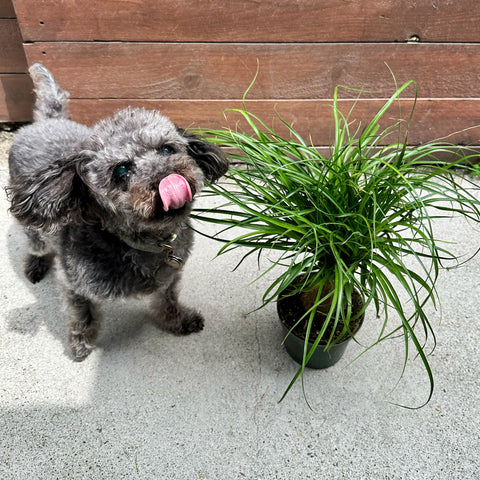
The ponytail palm stands out as the perfect intersection of striking aesthetics, forgiving care requirements, and complete pet safety. Few houseplants offer such distinctive architectural presence while remaining entirely non-toxic to curious pets. For households with cats and dogs, this plant eliminates the anxiety of potential poisoning emergencies that accompanies many common houseplants. Beyond safety, its drought tolerance accommodates busy schedules or occasional travel without requiring plant sitters, and its slow growth means it won’t quickly outgrow its space. Whether displayed as a tabletop specimen in a modern apartment or as a larger statement piece in a sunny corner, the ponytail palm brings a touch of sculptural elegance to any space while providing the peace of mind that pet owners particularly value.
“About Us – Plants for Pet Parents” from plantsforpetparents.com and used with no modifications.
Frequently Asked Questions
Question | Quick Answer |
|---|---|
How often should I water my ponytail palm? | Allow soil to dry completely between waterings (typically every 3-4 weeks in winter, 1-2 weeks in summer) |
Is my ponytail palm toxic to pets? | No, completely non-toxic to cats, dogs, and other pets per ASPCA |
How much light does my ponytail palm need? | Bright, indirect light; can tolerate some direct morning sun |
Why is my ponytail palm’s trunk shrinking? | Likely underwatered; the trunk stores water and shrinks when reserves are depleted |
How fast do ponytail palms grow? | Very slowly; typically a few inches per year in good conditions |
Many new ponytail palm owners wonder about seasonal care adjustments. During winter, reduce watering frequency significantly as growth slows naturally. The plant enters a semi-dormant state in response to shorter daylight hours and cooler temperatures, requiring much less water than during active growth periods. Fertilization should be suspended entirely during fall and winter months, resuming only when you notice new growth in spring. For more information on ponytail palm care, explore our detailed guide.
Another common question concerns flowering. While mature ponytail palms can produce dramatic flowering stalks in their native habitat or in ideal outdoor growing conditions, flowering is extremely rare in houseplants. If your indoor specimen has survived for decades and receives abundant light, you might eventually witness this spectacular event, but most indoor specimens focus their energy on foliage growth rather than reproduction.
Many enthusiasts ask about maximizing the distinctive caudex development. The swollen base develops most impressively when the plant receives ample light and experiences slight drought stress between waterings. Contrary to some myths, there’s no trick to artificially enhancing this feature—it develops naturally over time as the plant matures and stores water reserves. Patience and proper care yield the most impressive specimens.
How often should I water my ponytail palm?
Water your ponytail palm only when the soil has completely dried throughout the pot, which typically means every 3-4 weeks in winter and every 1-2 weeks during active summer growth. The frequency varies based on light levels, pot size, humidity, and temperature. Rather than following a rigid schedule, check soil moisture by inserting your finger several inches deep or using a wooden skewer—if it comes out completely dry, it’s time to water. The plant’s water storage capacity in its bulbous trunk means it can easily withstand occasional forgotten waterings, but quickly deteriorates with excessive moisture.
Can ponytail palms survive in low light conditions?
Ponytail palms can survive in medium to low light conditions, but they won’t thrive without adequate brightness. In insufficient light, growth slows dramatically, new leaves become sparse and elongated, and the plant’s overall vigor diminishes. While they can adapt to lower light situations for several months, long-term health requires at least bright indirect light. If your space lacks natural brightness, consider supplementing with grow lights positioned 12-18 inches above the plant and operated for 8-10 hours daily to support healthy growth in otherwise dim locations.
What’s the best way to prevent my cat from chewing on my ponytail palm?
While ponytail palms are non-toxic, protecting them from playful pets preserves their appearance. The most effective approach combines strategic placement with deterrents. Position your plant on elevated surfaces out of jumping range, or in rooms pets can’t access. For determined felines, try surrounding the plant’s base with pine cones or aluminum foil, textures cats typically avoid. Pet-safe bitter spray products applied to lower leaves often discourage chewing after an initial unpleasant taste experience. As a last resort, decorative plant cages provide physical protection while maintaining visual access to your prized specimen. For more tips on plant care and pet safety, check out this guide.
Why is my ponytail palm’s trunk shrinking?
A shrinking trunk indicates your ponytail palm is drawing on its water reserves, typically due to prolonged underwatering. The caudex naturally expands when well-hydrated and contracts during dry periods—it’s essentially the plant’s built-in drought survival mechanism. While some fluctuation is normal, significant or progressive shrinking signals dehydration requiring intervention. Give the plant a thorough soaking, allowing water to run through the drainage holes, then adjust your watering schedule to prevent excessive depletion of these vital reserves. For more tips on plant care, you might find this guide on reviving plants helpful.
If trunk shrinkage continues despite adequate watering, check for root problems limiting water uptake. Bound roots circling tightly within the pot or root rot from previous overwatering can both compromise the plant’s ability to absorb available moisture. In either case, careful repotting with appropriate root pruning and fresh soil can help restore normal water absorption and trunk fullness.
Can I keep my ponytail palm outside year-round?
Year-round outdoor growing depends entirely on your climate zone. In USDA zones 10-11, ponytail palms thrive outdoors throughout the seasons without special protection. Zone 9 gardeners can generally maintain outdoor specimens with occasional frost protection during cold snaps. In zones 8 and below, these plants must be brought indoors before temperatures drop below 45°F (7°C), making them seasonal patio plants rather than permanent garden features. For more information on plant care and pet safety, check out this guide on sword fern care.
For borderline climates, microclimate considerations become important. Plants grown against south-facing walls, in protected courtyards, or under eaves often survive in zones where the general climate would otherwise be unsuitable. The plant’s drought tolerance actually helps its cold hardiness, as dry soil during winter reduces the risk of fatal root freezing compared to wet conditions.
When transitioning between indoor and outdoor environments, always acclimate the plant gradually over 1-2 weeks. Moving directly from protected indoor conditions to full outdoor exposure shocks the plant, potentially causing sunburn on leaves or stress-induced health decline. Similarly, inspect thoroughly for pests before bringing outdoor specimens inside for winter to prevent introducing unwanted visitors to your indoor plant collection.