
Key Takeaways
- Water hyacinth (Eichhornia crassipes) is classified as one of the world’s most invasive aquatic plants and is illegal to possess or transport in many states including California and Florida.
- Despite its invasive nature, water hyacinth offers benefits like water purification, biomass production, and crafting materials when managed responsibly.
- This aquatic plant earned the nickname “Terror of Bengal” due to its devastating ecological and economic impacts on waterways throughout the region.
- Water hyacinth is generally non-toxic to humans, pets, and birds, though it can cause mild irritation if ingested in large quantities.
- Proper containment methods are essential for those who wish to legally grow water hyacinth, including using closed systems and preventing spread to natural waterways.
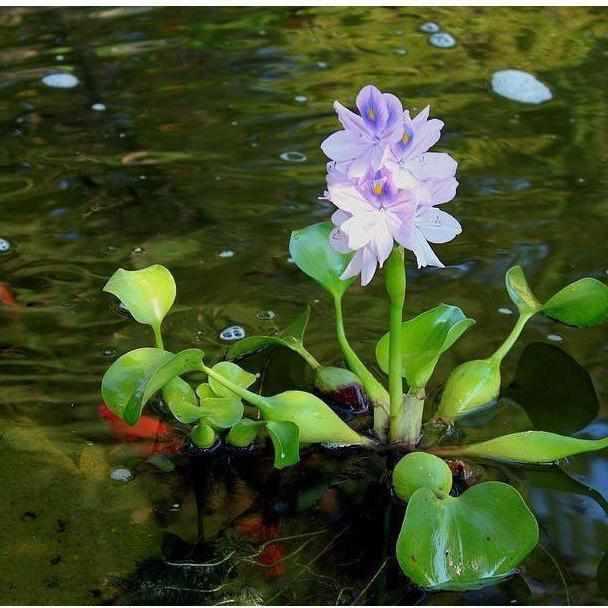
Water hyacinth transforms from an attractive flowering plant to an ecological nightmare in the blink of an eye. With its deceptively beautiful lavender blooms floating atop glossy green rosettes, this aquatic invader has earned both admiration from gardeners and dread from environmentalists worldwide. Many home gardeners are shocked to discover that this seemingly innocent water plant is actually one of the most problematic invasive species on the planet, capable of doubling its population in just two weeks under ideal conditions.
Before adding water hyacinth to your water garden, it’s crucial to understand both the significant benefits and serious drawbacks of this controversial plant. While water hyacinth can serve as a natural water purifier and provide material for crafts and fertilizer, its aggressive growth pattern has devastated ecosystems across multiple continents. Aquatic plant enthusiasts should approach this species with extreme caution and knowledge of their local regulations, as many regions have outright banned its cultivation.
Legal Status of Water Hyacinth: Know Before You Grow
The legal status of water hyacinth varies globally, but in many regions, this plant is classified as a noxious weed with strict regulations governing its possession and transport. This classification stems from the plant’s remarkable ability to overtake waterways at an alarming rate, causing ecological and economic damage. In the United States, federal law prohibits the interstate transport of water hyacinth without proper permits, and many individual states have implemented their own additional restrictions.
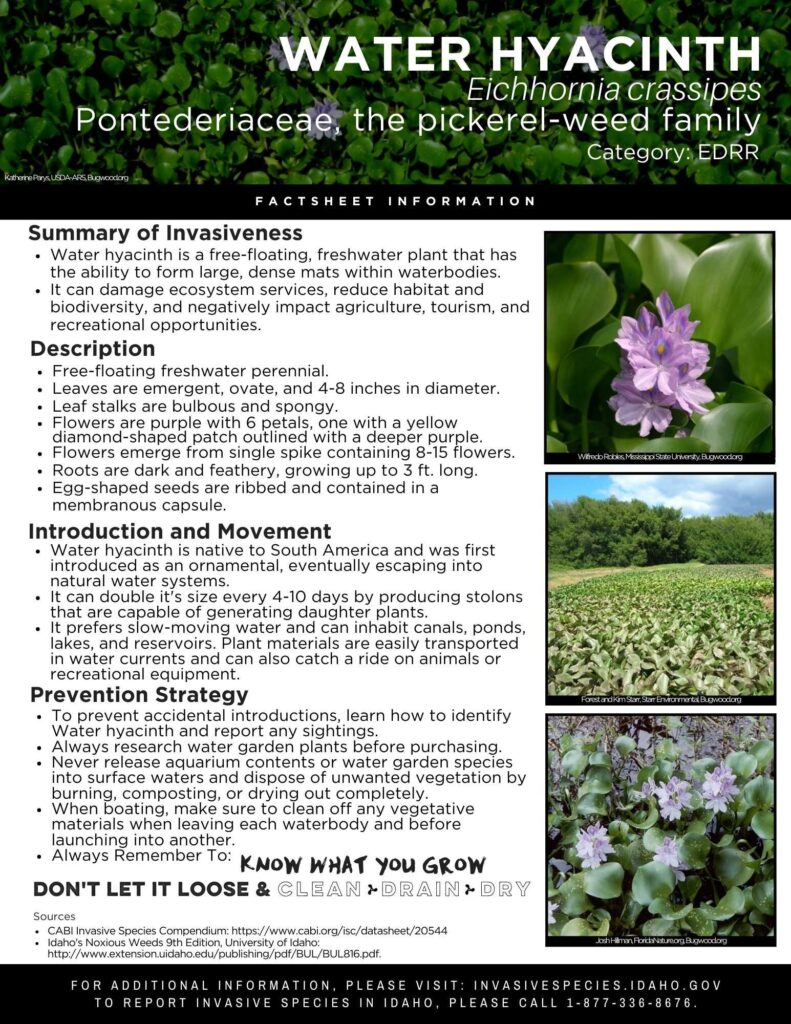
“Water Hyacinth Factsheet — Invasive …” from invasivespecies.idaho.gov and used with no modifications.
Where Water Hyacinth is Banned or Restricted
Water hyacinth is explicitly banned or heavily regulated in numerous states across America. California’s Department of Food and Agriculture lists it as a noxious weed, making it illegal to possess, transport, or sell without special permits. Florida, despite being one of the states most severely impacted by water hyacinth infestations, maintains similar restrictions through its Department of Agriculture and Consumer Services. Other states with strict regulations include Louisiana, Texas, Mississippi, and Alabama—all regions where the mild climate provides ideal growing conditions for this invasive species. For more information on managing invasive plants, you can explore growth control techniques.
Internationally, many countries have enacted legislation against water hyacinth, particularly in regions with tropical and subtropical climates where the plant thrives year-round. Australia classifies it as a Weed of National Significance, while numerous African and Asian countries have implemented control programs and import restrictions. In the European Union, water hyacinth appears on the list of Invasive Alien Species of Union Concern, making it subject to restrictions on import, keeping, breeding, transport, and release into the environment.
Before acquiring water hyacinth for any purpose, it’s essential to check with your local agricultural extension office or environmental protection agency for the most current regulations in your specific area. Even in regions where possession isn’t explicitly prohibited, responsible gardeners should consider the potential ecological impact if the plant escapes into local waterways.
- California: Classified as a noxious weed; illegal to possess or transport without permits
- Florida: Heavily regulated despite being widely established in waterways
- Louisiana, Texas, Mississippi, Alabama: Strict regulations on possession and transport
- Australia: Listed as a Weed of National Significance
- European Union: Included on the list of Invasive Alien Species of Union Concern
Penalties for Illegal Cultivation
The consequences for illegally cultivating or transporting water hyacinth can be severe, reflecting the serious ecological threat this plant poses. In the United States, violations of federal noxious weed laws can result in civil penalties up to $50,000 per violation for individuals, while commercial violations may incur even steeper fines. Additionally, individuals found responsible for introducing water hyacinth into natural waterways may be held financially liable for the substantial costs of removal and ecological restoration, which can run into millions of dollars for large infestations.
Legal Alternatives in Restricted Areas
For water garden enthusiasts in areas where water hyacinth is restricted, several attractive and legal alternatives can provide similar aesthetic benefits without the ecological risks. Water lilies (Nymphaea species) offer beautiful flowers and floating leaves without invasive tendencies. Water lettuce (Pistia stratiotes), though invasive in some regions, is often permitted in northern areas where winter freezes prevent its spread. Native species like American frogbit (Limnobium spongia) can provide similar floating foliage, while water poppies (Hydrocleys nymphoides) produce yellow flowers that complement water features beautifully.
If you’re specifically seeking plants with water purification properties similar to water hyacinth, consider bulrushes (Scirpus species), cattails (Typha species), or pickerelweed (Pontederia cordata). These native alternatives can filter water effectively while supporting local biodiversity rather than threatening it. Always verify the legal status of any aquatic plant in your region before purchase, as regulations may change based on updated ecological assessments.
The “Terror of Bengal”: Why This Floating Plant Earned Its Nickname
Water hyacinth earned its ominous nickname “Terror of Bengal” due to its catastrophic impact on the waterways of West Bengal and Bangladesh. First introduced to the Indian subcontinent in the late 19th century as an ornamental plant, it quickly escaped cultivation and spread throughout the region’s interconnected river systems. The nickname reflects the plant’s ability to transform from an attractive botanical curiosity into an ecological and economic nightmare that continues to plague the region today. Learn more about historical plant introductions and their impacts.
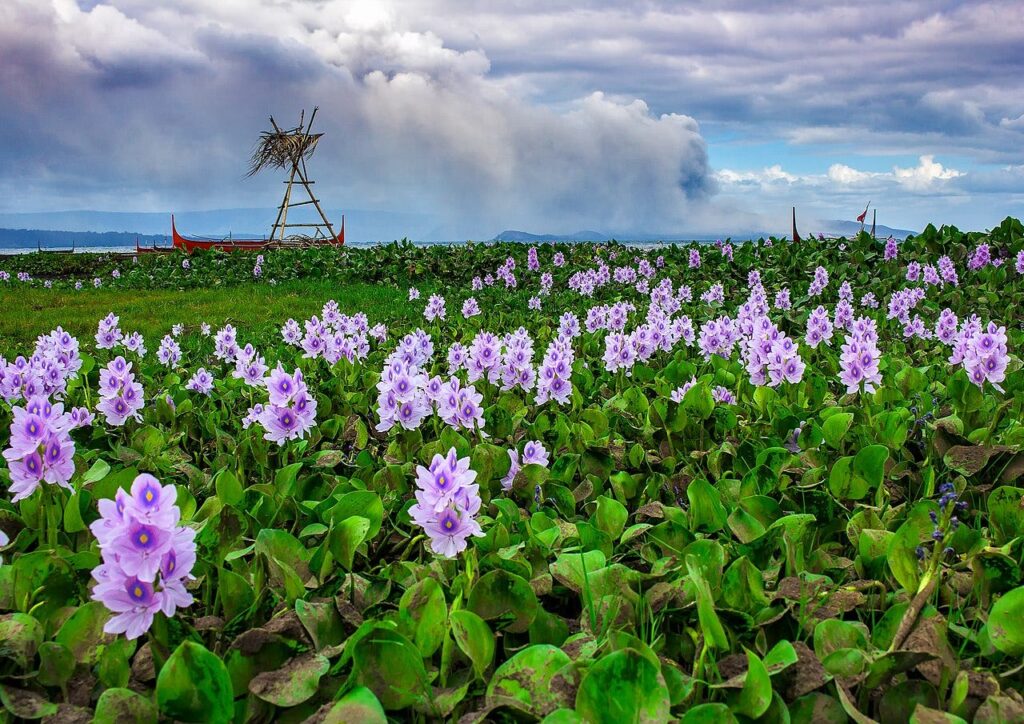
“The Terror of Bengal | ILLUMINATION” from medium.com and used with no modifications.
Historical Introduction to Bengal
The introduction of water hyacinth to Bengal traces back to the late 19th century when British colonists brought the plant from its native South America as an ornamental addition to botanical gardens. Lady Canning, wife of the then Governor-General of India, is often credited with introducing this attractive but ultimately destructive species to the region around 1888. Initially admired for its striking purple flowers and glossy leaves, the plant was cultivated in garden ponds and water features throughout the colonial estates.
What began as an innocent horticultural curiosity soon escaped the confines of controlled cultivation. The extensive network of rivers, canals, and wetlands throughout Bengal—including the vast Ganges-Brahmaputra Delta—provided ideal conditions for water hyacinth to thrive. The region’s tropical climate, abundant water resources, and nutrient-rich aquatic environments allowed the plant to reproduce at explosive rates, quickly transitioning from garden curiosity to ecological crisis.
Ecological Devastation Caused
The ecological impact of water hyacinth on Bengal’s waterways has been nothing short of catastrophic. Dense mats of water hyacinth block sunlight from reaching native aquatic plants and deplete oxygen levels in the water, creating dead zones where fish and other aquatic organisms cannot survive. A single square meter of water hyacinth can contain up to 50 individual plants, with underwater root systems extending up to one meter deep, effectively choking out all other aquatic life beneath its floating canopy. For those interested in plant care, the artillery plant care guide offers insights on managing invasive species.
The plant’s impact extends beyond aquatic ecosystems to affect terrestrial biodiversity as well. By altering water chemistry, flow patterns, and habitat structure, water hyacinth has disrupted the breeding and feeding grounds for numerous bird species that rely on open water and healthy wetland ecosystems. Native fish populations have declined dramatically in infested areas, with cascading effects throughout the food web. Research conducted in the Sundarbans region shows water bodies covered by water hyacinth experience up to 95% reduction in native aquatic plant diversity and up to 80% reduction in fish species.
Perhaps most concerning is water hyacinth’s ability to accelerate eutrophication—the process by which excess nutrients in water promote plant growth that ultimately depletes oxygen. When these massive mats of water hyacinth eventually die off, their decomposition consumes enormous amounts of dissolved oxygen, creating anoxic conditions that kill fish and other aquatic organisms. This process has transformed once-productive fisheries in Bengal into biological deserts, devastating both ecosystem health and the livelihoods that depend on these natural resources.
Economic Impact on Local Communities
The economic consequences of water hyacinth infestation in Bengal have been severe and far-reaching. Fishing communities, once reliant on abundant aquatic harvests, have seen catches decline by 30-45% in heavily infested areas. The dense mats physically prevent access to fishing grounds and destroy fish habitat, while also damaging fishing gear that becomes entangled in the thick vegetation. For communities where fishing represents the primary source of income and protein, these impacts directly threaten food security and economic stability.
Transportation networks vital to the region’s economy have suffered significantly under the water hyacinth invasion. Rivers and canals that serve as critical transportation corridors become impassable when clogged with the plant. Boat engines become damaged when propellers tangle in the thick stems and roots, while smaller vessels may be unable to navigate through dense mats altogether. In some areas, communities have become isolated during peak growing seasons as water routes—often the only transportation option—become completely blocked.
Agricultural productivity has also declined as water hyacinth interferes with irrigation systems. Canals and pumping stations become clogged, preventing water from reaching crops during critical growing periods. Additionally, the plant competes for nutrients and can harbor agricultural pests that damage crops. The economic toll extends to increased healthcare costs, as water hyacinth mats provide ideal breeding habitat for mosquitoes that transmit malaria, dengue fever, and other diseases endemic to the region.
Benefits of Water Hyacinth in Controlled Settings
Despite its devastating effects as an invasive species, water hyacinth offers remarkable benefits when properly managed in controlled environments. This paradox—a plant that causes ecological disaster in the wild yet provides valuable services when contained—highlights the importance of responsible management approaches. With appropriate containment strategies, water hyacinth can serve as a powerful tool for environmental remediation, sustainable materials production, and even poverty alleviation in carefully managed settings.
Water Purification Properties
Water hyacinth possesses extraordinary abilities to purify contaminated water, making it a valuable component in constructed wetlands and wastewater treatment systems. The plant efficiently absorbs excess nutrients like nitrogen and phosphorus that would otherwise cause harmful algal blooms, with a single hectare capable of removing approximately 175 kg of nitrogen and 45 kg of phosphorus annually from polluted water. This natural filtration capacity has led to its controlled use in treating municipal wastewater, agricultural runoff, and even industrial effluent in various parts of the world.
Beyond nutrient removal, water hyacinth demonstrates remarkable effectiveness in extracting heavy metals from contaminated water. Studies show the plant can accumulate significant concentrations of lead, mercury, cadmium, chromium, and arsenic in its tissues through a process called phytoremediation. In Bangladesh, researchers have successfully employed water hyacinth in controlled systems to remove arsenic from drinking water sources, addressing a critical public health concern in the region. However, plants used for heavy metal extraction must be properly disposed of as hazardous waste to prevent recontamination.
The plant’s fibrous root system acts as a mechanical filter, trapping suspended solids and reducing turbidity in water. Research conducted in India demonstrated that water hyacinth treatment systems could reduce total suspended solids by up to 95% in polluted water while simultaneously decreasing biochemical oxygen demand by 80-90%. These combined purification mechanisms make water hyacinth particularly valuable for low-cost, nature-based water treatment solutions in developing regions with limited infrastructure for conventional wastewater processing.

“Water Hyacinth: A Unique Source for …” from pubs.acs.org and used with no modifications.
Biomass and Fertilizer Production
The rapid growth rate that makes water hyacinth problematic in natural ecosystems becomes advantageous when harvesting the plant for biomass applications. A single hectare can produce up to 140 tons of dry biomass annually under optimal conditions, representing a renewable resource for various applications. This biomass can be processed into biogas through anaerobic digestion, with yields of 200-400 liters of biogas per kilogram of dry matter, offering a sustainable energy alternative for rural communities.
When composted, water hyacinth creates nutrient-rich organic fertilizer containing approximately 3.5% nitrogen, 2.5% phosphorus, and 4.9% potassium—comparable to many commercial fertilizers. Studies in agricultural settings show crops grown with water hyacinth compost experience yield increases of 20-30% compared to untreated controls. The plant’s ability to concentrate nutrients from water makes it particularly valuable for closing nutrient cycles in integrated farming systems where the composted material returns nutrients to agricultural production.
Recent innovations have expanded biomass applications to include paper production, bioplastics, and even animal feed supplements. The fiber content and structural properties of water hyacinth stems make them suitable for paper making, while research in Thailand has demonstrated promising results in converting the plant’s cellulose into biodegradable plastic alternatives. When properly processed to reduce oxalate content, water hyacinth can also serve as a protein-rich feed supplement for livestock, containing up to 20% protein by dry weight.
Ornamental Value in Water Gardens
In strictly controlled environments like isolated water gardens and decorative ponds, water hyacinth offers undeniable aesthetic appeal. The plant’s lavender-blue flowers rise above glossy green rosettes, creating striking visual displays that complement other aquatic plantings. Each flower spike typically produces 8-15 individual blooms with six petals each, with the uppermost petal featuring a distinctive yellow spot bordered with blue or purple. This ornamental quality made water hyacinth highly sought-after by botanical gardens worldwide before its invasive potential was fully understood.
Craft and Furniture Making Uses
Water hyacinth stems contain strong fibers that make them excellent raw materials for crafting and furniture production. Artisans across Southeast Asia have developed techniques to harvest, dry, and weave these stems into durable products ranging from baskets and mats to chairs and decorative items. The plant’s stems contain natural silica that adds strength and durability to the finished products, making them resistant to moisture damage and giving them a lifespan comparable to rattan or bamboo furniture.
In Thailand and the Philippines, water hyacinth crafting has developed into significant cottage industries that simultaneously address ecological concerns while creating economic opportunities. The process typically involves harvesting the plants, removing the leaves, boiling the stems to increase flexibility, drying them thoroughly, and then weaving them into finished products. These handicrafts command premium prices in both local and international markets, where they’re valued for their sustainability, unique appearance, and connection to traditional crafting methods. For those interested in safe crafting materials, it’s worth exploring whether fresh thyme is safe for pets and how it can be incorporated into eco-friendly designs.
Beyond traditional crafting, designers have incorporated water hyacinth into contemporary furniture designs that blend sustainable materials with modern aesthetics. Major furniture retailers now offer water hyacinth accent pieces, demonstrating how this invasive species can be transformed from environmental liability into valuable commercial resource. This repurposing approach represents one of the most successful examples of creating economic incentives for controlling invasive plant populations through beneficial utilization.
Downsides That Make Water Hyacinth a Global Problem
Despite its potential benefits in controlled settings, water hyacinth remains one of the world’s most destructive invasive species when introduced to natural ecosystems. The plant’s extraordinary adaptive capabilities and reproductive efficiency have enabled it to colonize waterways across five continents, causing billions of dollars in economic damage and incalculable ecological harm. Understanding these negative impacts is essential for developing appropriate management strategies and preventing further spread.
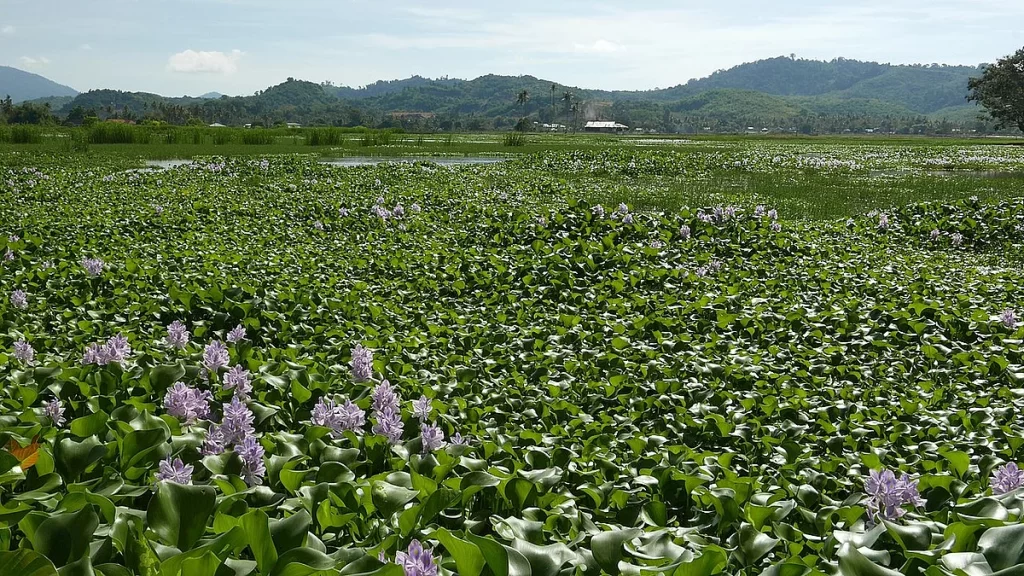
“water hyacinth invasions in wetlands” from www.indiawaterportal.org and used with no modifications.
Rapid Growth and Spread
Water hyacinth exhibits perhaps the most aggressive growth rate of any aquatic plant species, capable of doubling its population in as little as 6-18 days under optimal conditions. A single plant can produce up to 5,000 offspring in one growing season through both sexual reproduction via seeds and vegetative reproduction through horizontal stolons. These stolons extend outward and develop new daughter plants, quickly forming dense mats that can expand to cover entire water bodies. For a comparison, the growth rate of wild buckwheat is much slower, making water hyacinth particularly challenging to manage.
The plant’s remarkable adaptability contributes significantly to its invasiveness. Water hyacinth thrives in water temperatures between 28-30°C (82-86°F) but can survive in temperatures ranging from 10-34°C (50-93°F), allowing it to persist through seasonal variations in many climates. It tolerates pH levels from 4.0 to 10.0 and adapts to varying nutrient conditions, though it grows most aggressively in waters with high nutrient loads from agricultural runoff or untreated sewage. This adaptability means few natural waterways are immune to potential infestation.
Transportation mechanisms further enhance water hyacinth’s spread capabilities. The plant’s seeds can remain viable for up to 30 years in sediment, creating long-term seed banks that make complete eradication extremely difficult. Water currents easily transport both seeds and plant fragments downstream, while flooding events can distribute them across floodplains and into previously unaffected waterways. Birds, boats, fishing equipment, and even deliberate human introduction have all contributed to the plant’s global distribution across watersheds that would otherwise be geographically isolated from one another.
Oxygen Depletion in Water Bodies
Dense mats of water hyacinth create severe oxygen depletion in the water column beneath them through multiple mechanisms. The thick vegetative layer blocks sunlight penetration, preventing underwater photosynthesis that would normally produce dissolved oxygen. Research shows that waters beneath established water hyacinth mats typically contain less than 2 mg/L of dissolved oxygen, well below the 5-6 mg/L minimum required by most fish species and other aquatic organisms.
The plant’s extensive root system, which can extend up to one meter below the water surface, consumes oxygen directly through respiration while simultaneously preventing oxygen exchange between the atmosphere and water. When water hyacinth plants die and decompose, the decomposition process further depletes oxygen resources, creating hypoxic “dead zones” where few organisms can survive. These combined effects can reduce dissolved oxygen by up to 95% in heavily infested areas, leading to mass fish die-offs and collapse of aquatic ecosystems.
Blocked Waterways and Transportation Issues
Water hyacinth’s physical obstruction of waterways creates significant transportation and infrastructure challenges. In Lake Victoria, Africa’s largest lake, water hyacinth infestations have repeatedly blocked ports and fishing landings, with economic losses estimated at $6-10 million annually. The plant forms mats so dense that boats cannot navigate through them, engines become damaged when propellers entangle with the plants, and entire shipping channels become impassable without mechanical removal.
Water infrastructure also suffers substantial damage from water hyacinth infestations. Hydroelectric facilities experience reduced generation capacity when plant material clogs intake screens and reduces water flow. Irrigation systems become blocked, preventing water delivery to agricultural lands and causing crop failures. Bridges and drainage systems experience increased pressure from mats that accumulate against structures, sometimes causing structural damage during flood events when water pressure builds behind these natural dams.
Habitat Loss for Native Species
The ecological consequences of water hyacinth invasion extend far beyond oxygen depletion. By forming monoculture stands that replace diverse native plant communities, water hyacinth dramatically reduces habitat heterogeneity and eliminates critical spawning grounds for fish and amphibians. Studies in African lakes show up to 80% reduction in native aquatic plant species diversity following water hyacinth invasion, with corresponding declines in the animal species that depend on these plants for food and shelter.
Native birds face particular challenges in water hyacinth-dominated ecosystems. Wading birds cannot forage effectively through dense mats, while diving birds lose access to fish populations that decline or relocate due to oxygen depletion. The altered structural environment created by water hyacinth benefits some species—particularly those that can utilize the plants as nesting platforms—but the overall impact on biodiversity is overwhelmingly negative, with specialist species typically experiencing the most significant population declines.
Mosquito Breeding Grounds
Water hyacinth mats create ideal breeding habitat for mosquitoes and other disease vectors, significantly increasing public health risks in affected regions. The sheltered, stagnant water trapped within the plant’s leaf bases provides perfect conditions for mosquito larvae development, protected from predators and wave action. Studies in malaria-endemic regions have documented up to 400% increases in mosquito abundance in water bodies after water hyacinth invasion compared to open water areas.
This increase in vector populations directly correlates with higher incidence of mosquito-borne diseases including malaria, dengue fever, lymphatic filariasis, and West Nile virus in communities surrounding infested water bodies. The economic impact of these health effects includes both direct healthcare costs and productivity losses due to illness. Conservative estimates suggest that water hyacinth-associated disease increases cost developing nations hundreds of millions of dollars annually in treatment expenses and lost economic productivity.
Safety Concerns: Is Water Hyacinth Toxic?
Despite its numerous ecological problems, water hyacinth poses relatively minor toxicity concerns compared to many other invasive plants. Understanding the actual risks helps distinguish between the plant’s genuine environmental threats and misconceptions about direct dangers to humans and animals. This clarification is important for developing appropriate risk management strategies that address the plant’s most significant impacts. For those interested in learning about other non-toxic plants, the sword fern is another example worth considering.
Toxicity Risks for Dogs and Cats
Water hyacinth presents low to moderate toxicity risk for domestic pets. The plant contains calcium oxalate crystals, which can cause oral irritation, excessive drooling, and difficulty swallowing if pets chew on the leaves or stems. However, these symptoms are typically mild and self-limiting, resolving within 24-48 hours without specific treatment beyond supportive care. Unlike truly toxic aquatic plants such as water hemlock, water hyacinth rarely causes systemic toxicity or life-threatening reactions in dogs and cats.
If a pet consumes large quantities of water hyacinth, gastrointestinal upset including vomiting and diarrhea may occur due to the plant’s high fiber content and mild irritant properties. Owners should monitor pets with access to water gardens containing this plant and seek veterinary care if significant ingestion occurs or if symptoms appear severe. Veterinarians typically recommend symptomatic treatment rather than specific antidotes, as the plant’s toxic principles primarily cause localized irritation rather than systemic poisoning.

“Interactions within an ecosystem with …” from www.researchgate.net and used with no modifications.
Bird Safety Around Water Hyacinth
Birds generally show little sensitivity to water hyacinth’s irritant properties and rarely experience adverse effects from contact with or consumption of the plant. In fact, many waterfowl species utilize water hyacinth mats as resting platforms or nesting sites when the plants invade natural habitats. The seeds are occasionally consumed by granivorous birds without apparent harm, though the nutritional value appears limited compared to native aquatic plant seeds.
The primary risk water hyacinth poses to bird populations comes not from toxicity but from habitat alteration. By transforming open water into dense vegetative mats, water hyacinth eliminates foraging habitat for diving birds and wading species that require clear water or mudflats. This indirect impact through habitat modification represents a far greater threat to avian biodiversity than any direct toxic effects, underscoring the importance of ecological context when assessing the plant’s wildlife impacts.
Human Exposure Considerations
For humans, water hyacinth presents minimal direct health risks through physical contact or incidental exposure. The calcium oxalate crystals that cause mild irritation in animals can occasionally produce skin irritation in sensitive individuals who handle the plants extensively without gloves. This contact dermatitis typically manifests as temporary redness and itching that resolves quickly after washing the affected area. Ingestion is rarely a concern as the plant is not commonly consumed, though traditional medicinal uses exist in some cultures.
The most significant human health concern associated with water hyacinth comes from its role in creating habitat for disease vectors rather than from the plant itself. By increasing mosquito breeding habitat and supporting populations of aquatic snails that serve as intermediate hosts for schistosomiasis parasites, water hyacinth indirectly contributes to disease transmission in tropical regions. These indirect effects on public health far outweigh any direct toxicity concerns and represent the true human safety issue with this invasive species.
Growing Requirements: Sun vs. Shade
Understanding water hyacinth’s growth requirements provides insight into both its invasive success and potential control strategies. The plant’s response to different light conditions particularly influences its growth patterns and helps explain why it thrives in certain environments while struggling in others. This knowledge is valuable for both managing wild populations and maintaining the plant in controlled settings where its benefits can be harnessed. For more information on plant care in varying light conditions, you can explore sword fern care tips for sun vs. shade.
Ideal Light Conditions
Water hyacinth thrives in full sun conditions, reaching its maximum growth rate and flowering potential when receiving at least 6-8 hours of direct sunlight daily. Under optimal sunlight exposure, the plant produces more chlorophyll, enabling faster photosynthesis and subsequent biomass accumulation. Studies measuring growth rates under different light intensities show that plants in full sun conditions can increase their biomass up to 4-5% daily, compared to 1-2% in partial shade environments.
The plant’s morphology changes noticeably in response to light conditions. In full sun, water hyacinth develops compact rosettes with shorter leaf stalks and darker green foliage, maximizing light capture while minimizing exposure to desiccation. The swollen, bulbous petioles that give the plant buoyancy become more pronounced in sunny conditions, increasing the plant’s ability to float effectively and spread across water surfaces. Flowering is also significantly more prolific in full sun, with up to 5 times more flower spikes produced compared to plants growing in partial shade.
Temperature and Climate Needs
Water hyacinth’s growth is highly temperature-dependent, with optimal development occurring between 28-30°C (82-86°F). The plant essentially ceases growth below 10°C (50°F) and experiences tissue damage when exposed to freezing temperatures. This temperature sensitivity explains the plant’s distribution patterns, with the most problematic infestations occurring in tropical and subtropical regions where year-round warm temperatures support continuous growth cycles.
Humidity and rainfall patterns also influence water hyacinth’s success. High humidity reduces transpiration stress and supports rapid growth, while regions with distinct wet and dry seasons often see dramatic fluctuations in water hyacinth populations. During dry periods, stranded plants can survive for several weeks in moist sediments, resuming growth when water levels rise again. This resilience through seasonal changes contributes significantly to the plant’s persistence in areas with variable climate conditions.
Growth Rates in Different Light Conditions
Comparative studies of water hyacinth growth under varying light conditions reveal significant differences in productivity. Plants grown under full sun conditions can double their biomass every 6-18 days, while those in moderate shade (50-70% full sunlight) typically require 15-30 days for the same increase. In deep shade (less than 40% full sunlight), growth rates decline dramatically, with doubling times extending beyond 45 days and flowering often completely suppressed.
These differences in growth rates under varying light conditions suggest potential management strategies for both containing desired populations and controlling invasive ones. Creating artificial shade through floating barriers or overhead structures can significantly reduce growth rates in managed settings. Similarly, introducing shade through tree planting along waterway margins provides a long-term, ecological approach to suppressing water hyacinth in natural systems, though this strategy requires years to implement effectively and must consider the broader ecosystem impacts.
Water Hyacinth vs. Bamboo: Invasive Species Comparison
Though dramatically different in appearance and habitat, water hyacinth and bamboo share remarkable similarities as invasive species that offer both ecological challenges and sustainable resource opportunities. Comparing these two highly successful plant invaders provides valuable insights into the characteristics that enable certain species to dominate new environments and the management approaches that might control their spread while utilizing their beneficial properties.
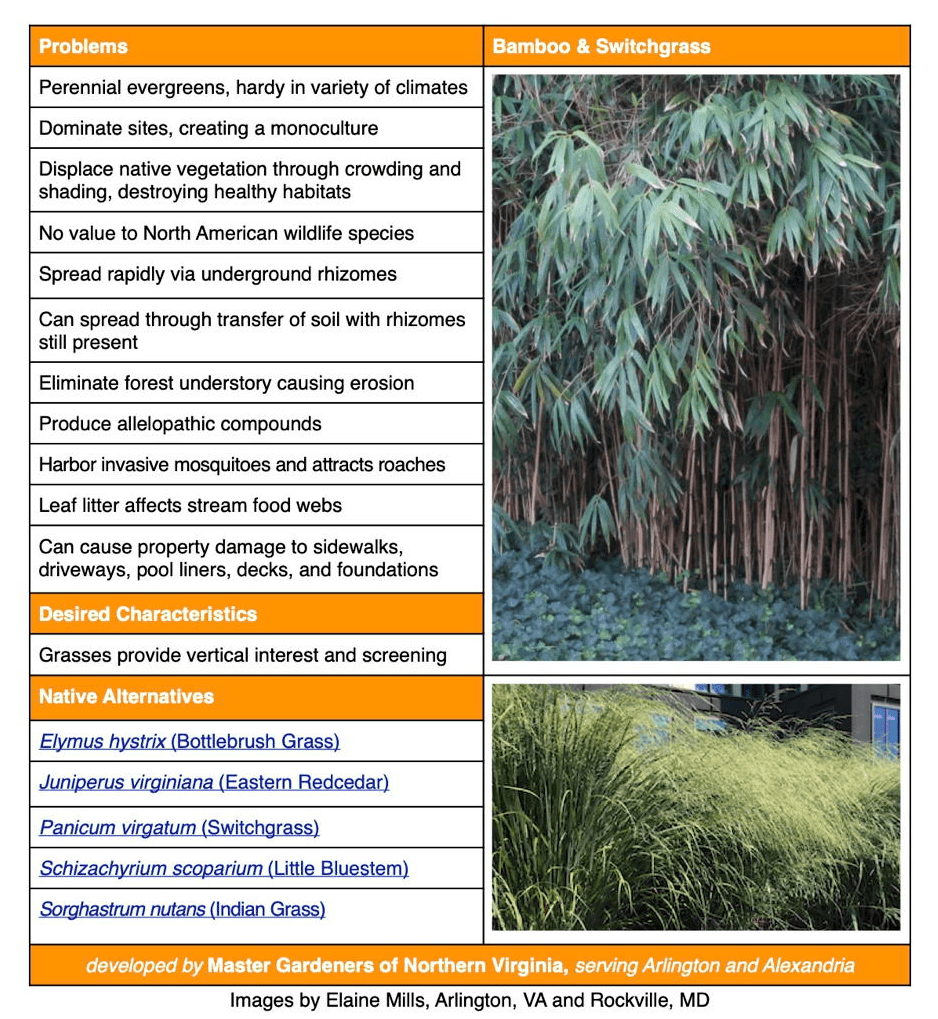
“Bamboo (Bambusa, Phyllostachys …” from mgnv.org and used with no modifications.
Growth Rate and Spread Mechanisms
Both water hyacinth and running bamboo species exhibit extraordinary growth rates that contribute directly to their invasive success. Water hyacinth can double its population every 6-18 days through vegetative reproduction, potentially producing up to 140 tons of biomass per hectare annually. Similarly, aggressive bamboo species can extend rhizomes up to 30 feet annually and send up new culms (stems) that grow up to 3 feet per day during peak growing season, creating dense monoculture stands that exclude native vegetation.
The reproduction strategies differ significantly between these invasives. Water hyacinth employs both sexual reproduction through seeds and vegetative propagation via stolons, with the latter providing the primary mechanism for rapid population expansion. Most invasive bamboo species, conversely, rely almost exclusively on vegetative reproduction through underground rhizome networks, rarely flowering or producing viable seeds. This difference creates distinct management challenges—water hyacinth requires both seed bank management and physical removal, while bamboo control focuses primarily on rhizome containment and barrier installation.
Containment Challenges
Both plants present formidable containment challenges but require fundamentally different approaches due to their distinct growth habits. Water hyacinth, being aquatic and easily fragmented, spreads readily through water currents, flooding events, and inadvertent human transport on boats or equipment. Containment typically requires physical barriers like booms across waterways, extensive monitoring programs, and rapid response to new infestations. The plant’s ability to produce long-lived seeds creates additional challenges for long-term management even after visible plants are removed. For pet owners, understanding the care tips for plants like sword fern can be crucial for maintaining safe environments.
Ecological Impact Differences
The ecological impacts of these invasives manifest differently across ecosystems. Water hyacinth transforms aquatic systems through oxygen depletion, habitat structure alteration, and disruption of nutrient cycles, with impacts concentrated in water bodies and riparian zones. Bamboo primarily affects terrestrial ecosystems by creating dense shade that eliminates understory plants, altering soil chemistry through leaf litter accumulation, and disrupting forest succession patterns. Both create monoculture stands that reduce biodiversity, but water hyacinth generally causes more acute, rapid ecosystem changes while bamboo’s impacts develop more gradually over years or decades.
Useful Applications of Both Plants
Both invasives offer valuable utilization opportunities that can offset management costs while providing sustainable resources. Water hyacinth excels in wastewater treatment, absorbing excess nutrients and heavy metals while providing biomass for composting, biogas production, and crafting materials. Bamboo provides durable construction materials, erosion control on disturbed slopes, carbon sequestration, and rapidly renewable fiber for everything from textiles to flooring. Creating economic incentives for harvesting these plants represents one of the most promising approaches to controlling their spread while deriving benefits from their problematic abundance.
Responsible Management for Water Garden Enthusiasts
For water garden enthusiasts drawn to water hyacinth’s beautiful flowers and water-purifying abilities, responsible management practices are essential to prevent ecological harm while enjoying the plant’s benefits. The key principle is complete isolation from natural waterways through physical containment and careful disposal of excess plant material. With proper precautions, water hyacinth can be incorporated into ornamental water features without contributing to invasive populations.
The first step in responsible management is understanding and complying with local regulations. Even in regions where water hyacinth isn’t explicitly prohibited, ethical gardeners should approach this species with extreme caution. Many areas permit water hyacinth cultivation only in fully contained systems with no connection to natural waterways or stormwater drainage systems. Check with local extension offices or environmental agencies before acquiring this plant to ensure compliance with current regulations.
Container Growing to Prevent Spread
Container growing provides the most reliable method for preventing water hyacinth escape into the environment. Self-contained water features like ornamental barrels, stock tanks, or lined ponds with vertical walls prevent plants from spreading during heavy rains or flooding events. The container should have no overflow connection to drainage systems that might allow plant fragments or seeds to enter natural waterways. For added security in regions where the plant is particularly problematic, consider covering water features with fine mesh during extreme weather events to prevent wind or animals from transporting plant material.
When designing contained water gardens for water hyacinth, ensure adequate space for the plant’s rapid growth. Under ideal conditions, a few initial plants can quickly fill an entire water feature. Planning for regular harvesting and maintaining open water areas helps preserve the garden’s aesthetic appeal while providing opportunities to share excess plants with other responsible gardeners (where legally permitted) or properly dispose of surplus growth. Container depth should be at least 6-12 inches to accommodate the plant’s root system while providing sufficient water volume to dilute nutrients and discourage algae growth.
Winter Care and Disposal Methods
In temperate regions where winter temperatures drop below freezing, water hyacinth cannot survive outdoors year-round. Responsible gardeners must decide whether to overwinter plants indoors or treat them as annuals. For indoor overwintering, select a few healthy specimens before first frost, rinse roots thoroughly to remove potential hitchhiking organisms, and place in indoor aquariums or tubs under growing lights. Alternatively, in regions where possession is legal but controlled, gardeners may choose to purchase new plants each spring rather than maintaining them through winter.
Monitoring and Maintenance Best Practices
Regular monitoring and maintenance form the cornerstone of responsible water hyacinth management. Inspect plants weekly during growing season for flowers and developing seed pods, removing these structures before seeds can mature and create potential invasion sources. Harvest excess growth regularly to maintain approximately 50% open water surface, which preserves aesthetic appeal while allowing adequate light penetration for underwater ecosystem health.
When maintaining water hyacinth, be vigilant for hitchhiking organisms that might spread with plant material. Invasive snails, insect eggs, or other aquatic organisms can inadvertently travel with water hyacinth between water features. Thoroughly rinse roots and inspect plants when moving them between containers. This practice not only prevents spreading additional invasive species but also helps limit potential disease transfer between water gardens.
What To Do If You Find Wild Water Hyacinth
Encountering water hyacinth growing wild in ponds, lakes, or streams should trigger immediate action to prevent further spread. First, report the sighting to your local environmental protection agency, agricultural extension office, or invasive species hotline. Provide specific location details including GPS coordinates if possible, photos of the infestation, and approximate size of the affected area. Early detection and rapid response give management efforts the best chance of success before the infestation becomes unmanageable. Never attempt large-scale removal without proper authorization, as improper handling can exacerbate the problem by creating fragments that establish new colonies downstream.
Frequently Asked Questions
Water hyacinth generates numerous questions from gardeners, environmental managers, and concerned citizens. The following answers address common inquiries about this controversial plant species, providing evidence-based information to guide decision-making about cultivation, management, and potential risks. For more information on plant care, you can explore sword fern care tips as well.
Can I legally grow water hyacinth in a closed pond on my property?
Legal status varies significantly by location. In states like California, Florida, and Louisiana, water hyacinth is classified as a noxious weed, making possession illegal regardless of containment methods. Other regions permit cultivation in fully contained systems with no connection to natural waterways or stormwater systems. Before purchasing or propagating water hyacinth, contact your state’s department of agriculture or natural resources, local extension office, or environmental protection agency for current regulations specific to your area. Penalties for illegal possession can be substantial, including fines up to several thousand dollars in some jurisdictions.
How quickly does water hyacinth reproduce?
Under optimal conditions with warm temperatures (28-30°C/82-86°F), high light intensity, and nutrient-rich water, water hyacinth can double its population every 6-18 days through vegetative reproduction. A single plant can produce up to 5,000 offspring in one growing season. This extraordinary reproductive capacity explains why small introductions quickly become problematic infestations and why consistent management is essential even for contained populations in water gardens.
What should I do if my pet eats water hyacinth?
If your pet consumes water hyacinth, monitor for symptoms including drooling, pawing at the mouth, reluctance to eat, or vomiting. These symptoms typically result from calcium oxalate crystals causing oral irritation rather than systemic toxicity. For mild symptoms, offering water or milk may help soothe irritation. If symptoms appear severe or persist beyond a few hours, consult a veterinarian.
While water hyacinth rarely causes life-threatening reactions in pets, large quantities can potentially cause gastrointestinal blockage in smaller animals due to the plant’s fibrous nature. Prevention remains the best approach—keeping pets away from water features containing this plant or choosing alternative aquatic plants for households with curious animals.
Are there any look-alike plants that are less invasive?
Several aquatic plants offer similar aesthetic benefits with significantly lower invasive potential. Water lilies (Nymphaea species) provide beautiful flowers and floating leaves without water hyacinth’s aggressive reproduction. Native species like American frogbit (Limnobium spongia) offer similar floating rosettes but spread more slowly and support local ecosystems. For purple flowers similar to water hyacinth, consider pickerelweed (Pontederia cordata), which grows rooted in shallow water with lovely purple-blue flower spikes that attract pollinators.
Can water hyacinth survive winter in northern climates with snow?
Water hyacinth cannot survive freezing temperatures and will die when exposed to frost or ice formation. In USDA hardiness zones 9 and below (minimum temperatures under 20°F/-6°C), the plant functions as an annual, dying completely during winter freezes. However, seeds produced during the growing season may remain viable in sediment for years, potentially germinating when conditions become favorable again. In zones 10-11 with mild winters, water hyacinth can persist year-round, maintaining continuous growth and requiring ongoing management to prevent overgrowth.
For those in northern climates who wish to enjoy water hyacinth in summer water gardens, the plant’s cold sensitivity offers a natural control mechanism. When properly disposed of after dying back in fall, the risk of establishment in natural waterways is minimized. Nevertheless, responsible disposal through composting or municipal green waste programs remains essential to prevent inadvertent introduction to sensitive ecosystems. For more information on how to care for plants safely around pets, check out related resources.
Understanding water hyacinth’s complex nature—both its remarkable benefits and serious ecological threats—allows for informed decisions about its management. Whether controlling invasive populations or harnessing its beneficial properties in contained settings, knowledge remains our most powerful tool for addressing this challenging species.
The common floating Water Hyacinth (Eichhornia crassipes) is a plant that has sparked much debate regarding its legality, pros, and cons. Known for its rapid growth, it has been dubbed the “terror of Bengal” due to its ability to clog waterways and disrupt ecosystems. However, it also offers benefits such as water filtration and habitat for aquatic life. It’s important to consider whether it’s poisonous to humans, pets, and birds, and whether it thrives better in sun or shade. For those comparing it to other plants like bamboo, understanding its unique characteristics is crucial. Additionally, it’s vital to be aware of plant safety for pets when deciding whether to include it in your garden.