Skip to content
pet-friendly treats: tips, review, eats, activities, travel and second chances. Do the Cango!

Pets Can Go

Have Fun. Save Lives.

Menu
  • Home
  • About
  • Articles
  • Team
  • Solutions

Author: Lovie Kaye

Home » Archives for Lovie Kaye » Page 7
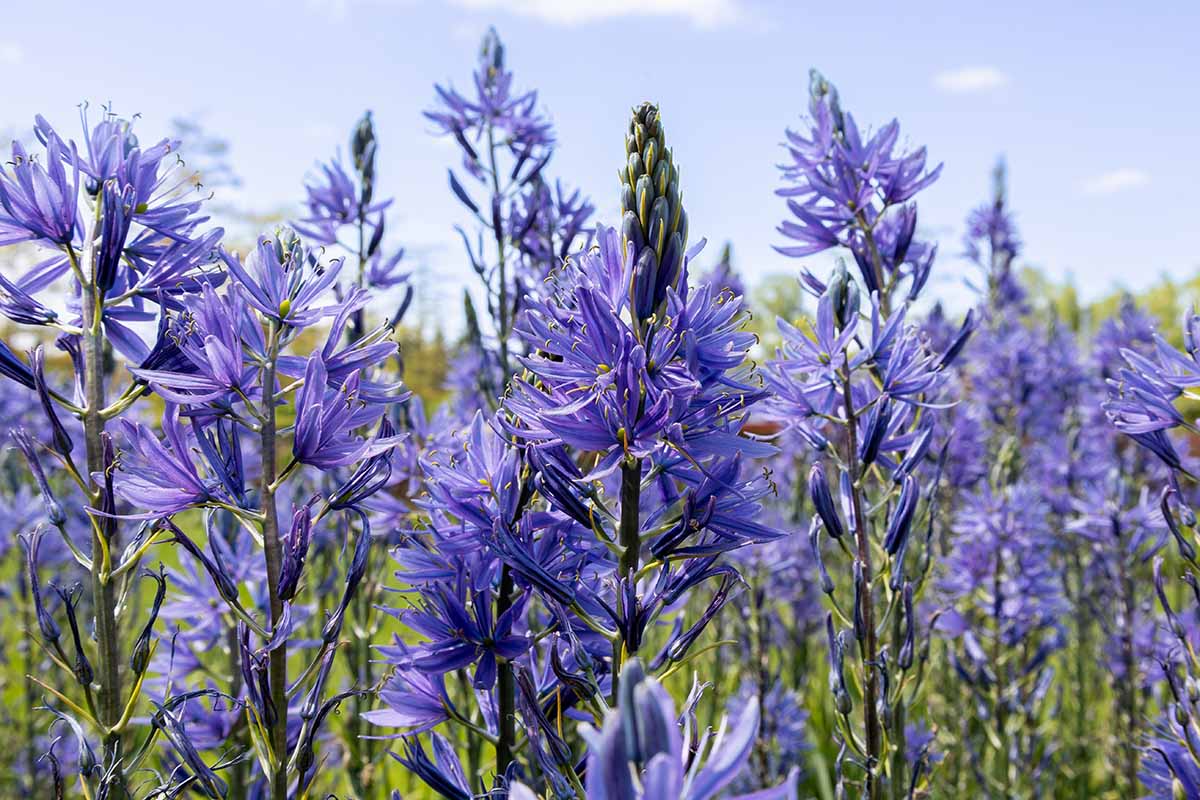
purple wild hyacinth MLS outdoors
Pet Safe Gardens

Wild Hyacinth & Pets: Sun vs Shade, Container vs Ground, Companion Plants, Attract Pollinators & Control Spread

Wild hyacinth, ideal for pet-friendly gardens, thrives in moist soils and partial sun. Non-toxic to pets, they attract pollinators and pair well with plants like wood betony. Manage spread to maintain a vibrant, harmonious garden sanctuary for both flora and fauna…

Pet Safe Gardens

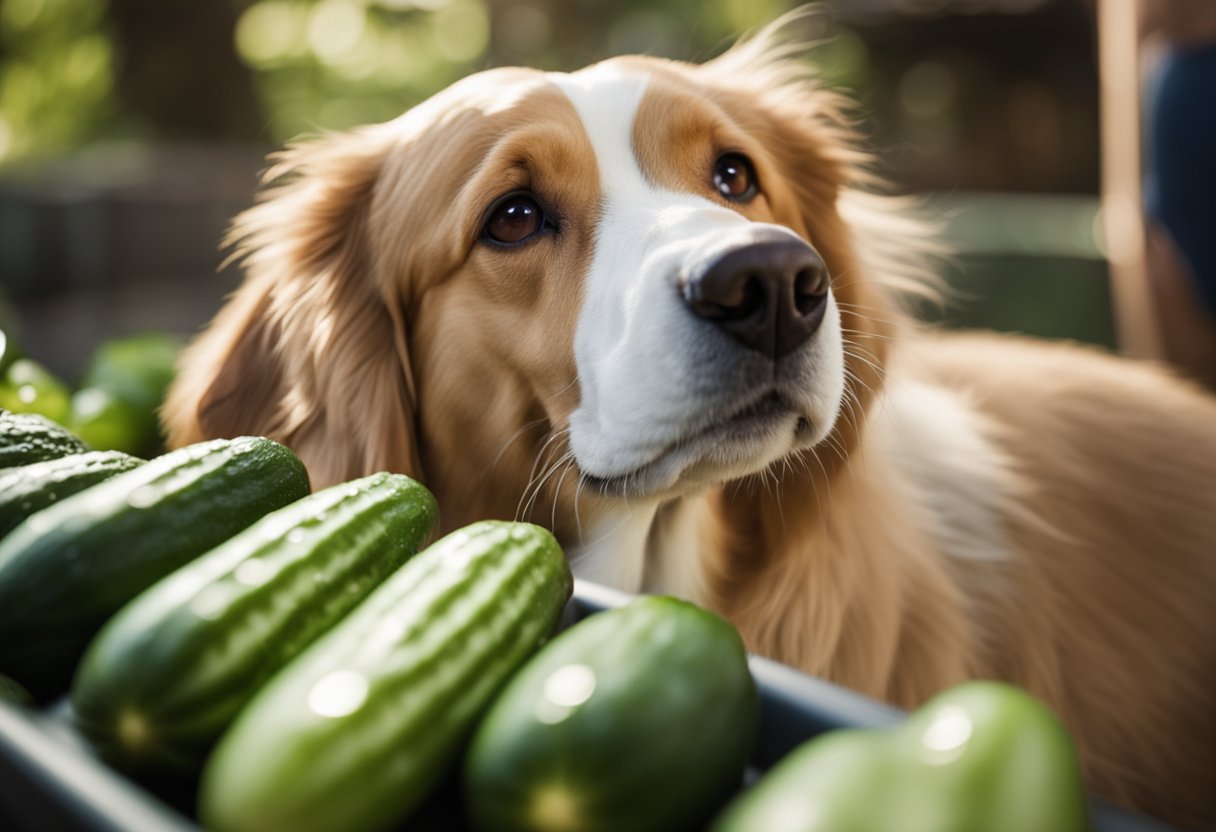
ASPCA Nontoxic Cucumber: Health Benefits vs Risks for Cats & Dogs + Fun Recipes

Explore the health benefits and risks of feeding cucumbers to your pets. Learn how these nontoxic fruits can aid hydration and freshen breath, with tips for moderation to prevent digestive upset, plus fun recipes your furry friends will love. Discover why cucumbers are the perfect pet snack…

Pet Safe Gardens

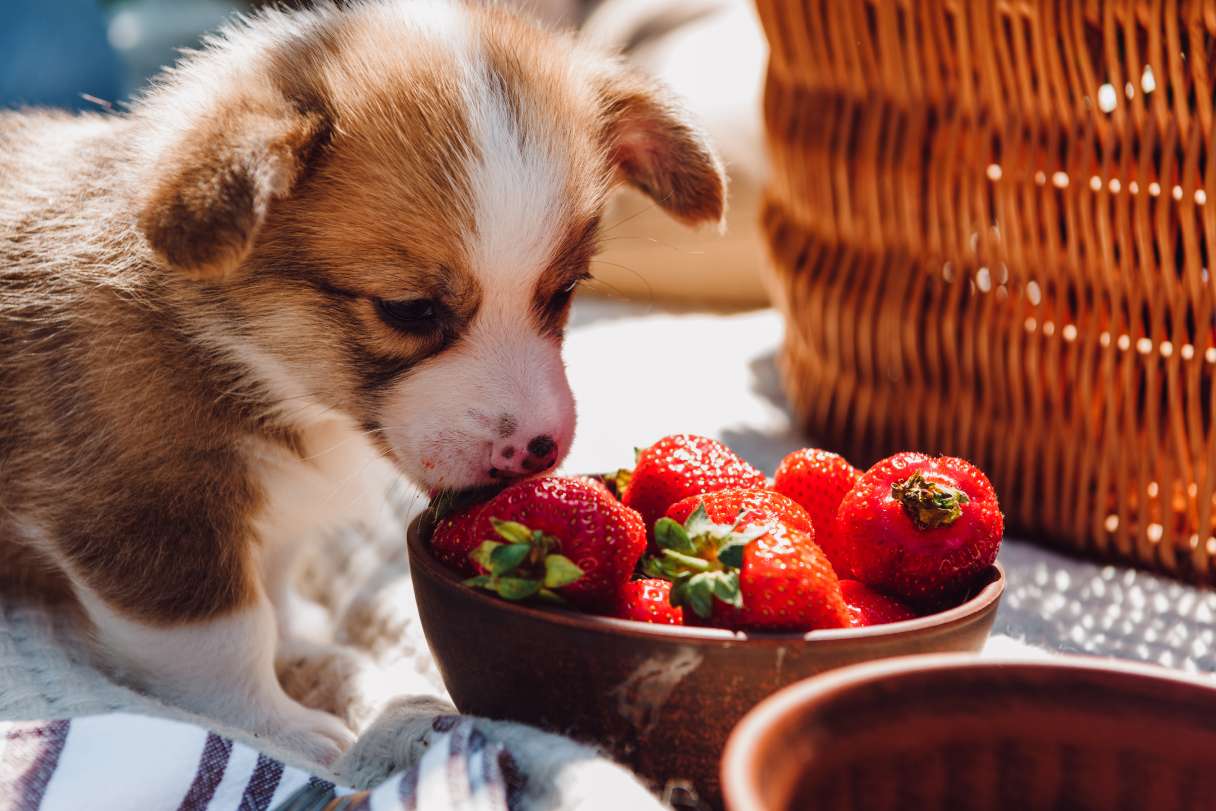
Strawberries & Pet Safety: Servings Size, Effects & Health Benefits for Dogs, Cats, Rabbits & Birds

Explore the safety and benefits of strawberries for pets. Discover how to share these delicious berries with dogs, cats, rabbits, and birds safely, uncovering the nutritional advantages alongside potential risks. Learn about appropriate serving sizes to keep your furry and feathered friends healthy and happy…

Pet Safe Gardens

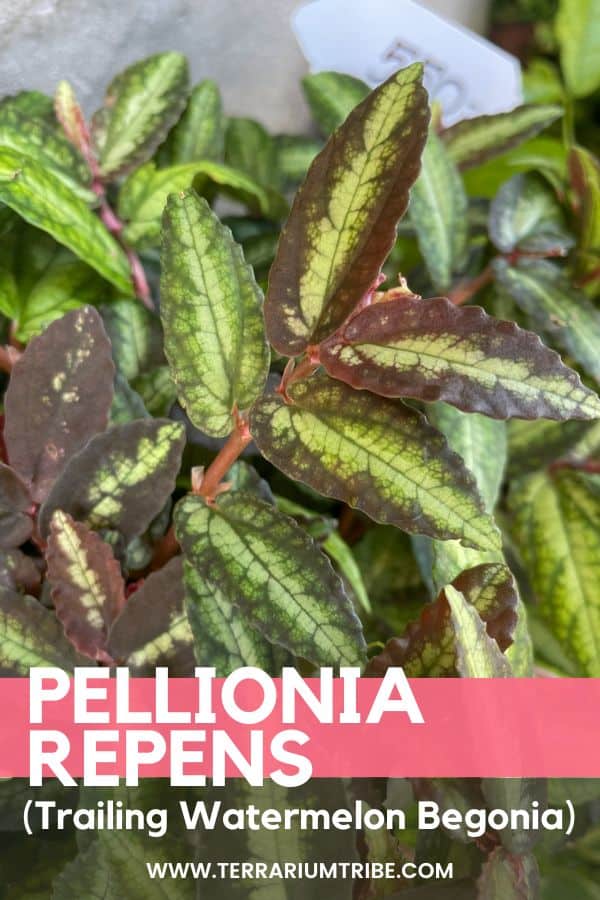
Watermelon Begonia: Dog & Cat Friendly or Toxic, Sun vs Shade, Indoor/Outdoor Care & Companion Plants

Explore the world of the pet-friendly Watermelon Begonia! Discover how this non-toxic plant harmonizes with dogs and cats, thrives in both sun and shade, and flourishes indoors or outdoors. Learn tips on care, and find companion plants to create a vibrant, safe haven for your furry friends…

Pet Safe Gardens

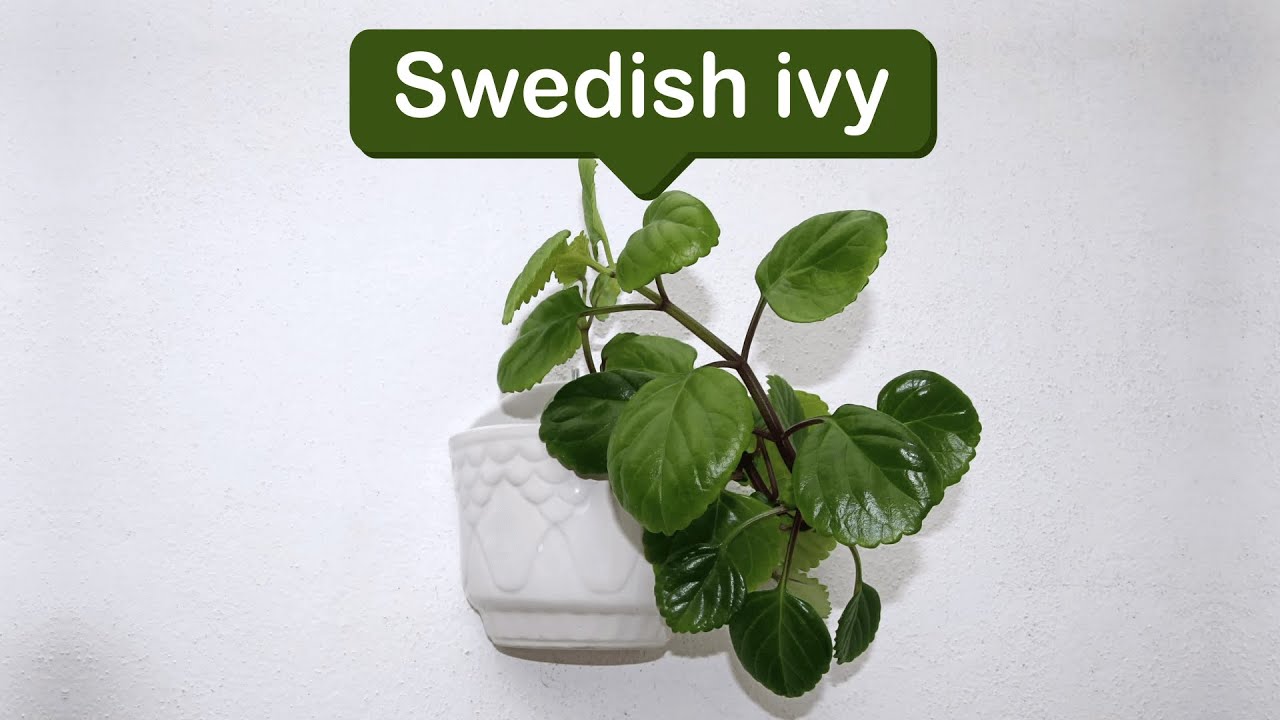
ASPCA Nontoxic Swedish Ivy & Pets: Placing, Potting, Climbing, Repotting & Propagating Tips for Rabbit Safety

Swedish Ivy, beloved for its lush greenery, is a safe choice for pet owners, as it’s non-toxic to cats and dogs. Thriving indoors with minimal care, it’s perfect for homes with pets, offering a harmonious environment. Discover potting and propagation tips to ensure rabbit safety and plant health…

Pet Safe Gardens

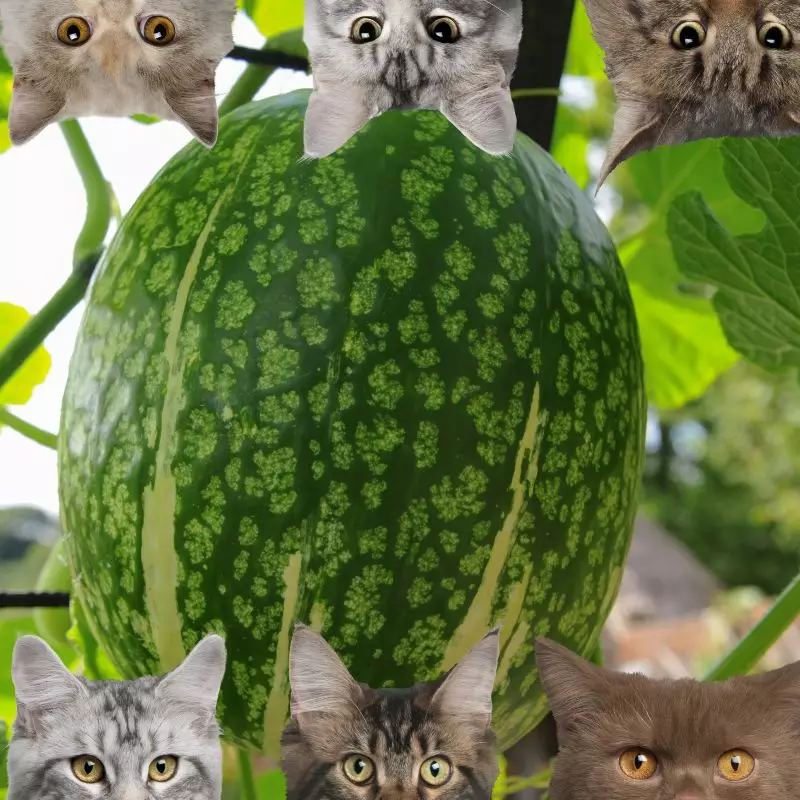
Fig Leaf Gourds: Identify for Pet Safety, Edible Uses, Growth & Pollination Tips

Explore fig leaf gourds—safe for pets, versatile in the kitchen, and a striking garden addition. Learn about their growth needs, from sun exposure to water requirements, and discover pollination secrets to maximize your harvest. Uncover everything you need to know about nurturing these unique plants…

field full of bright pink fireweed hairy willow
Pet Safe Gardens

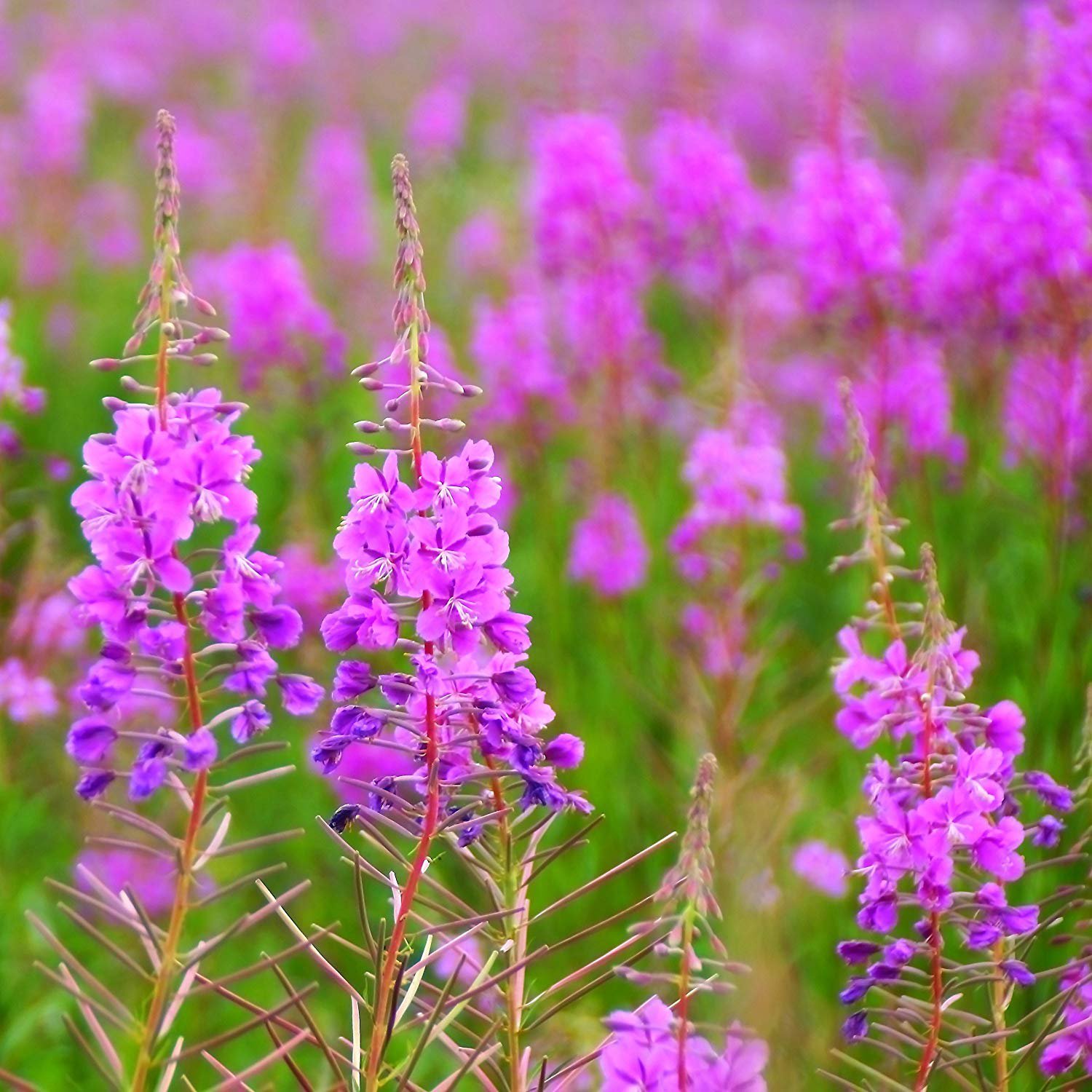
Identify Hairy Willow Herb (Fireweed) in UK & Scottish Gardens: Native vs Invasive, Pet Safety & Culinary Uses

Discover the Great Hairy Willow Herb, also known as Fireweed, a striking plant native to the UK. With tall hairy stems and deep pink flowers, it thrives in UK gardens. Learn to identify its benefits and manage its invasive nature, ensuring a safe space for pets and culinary uses…

Pet Safe Gardens

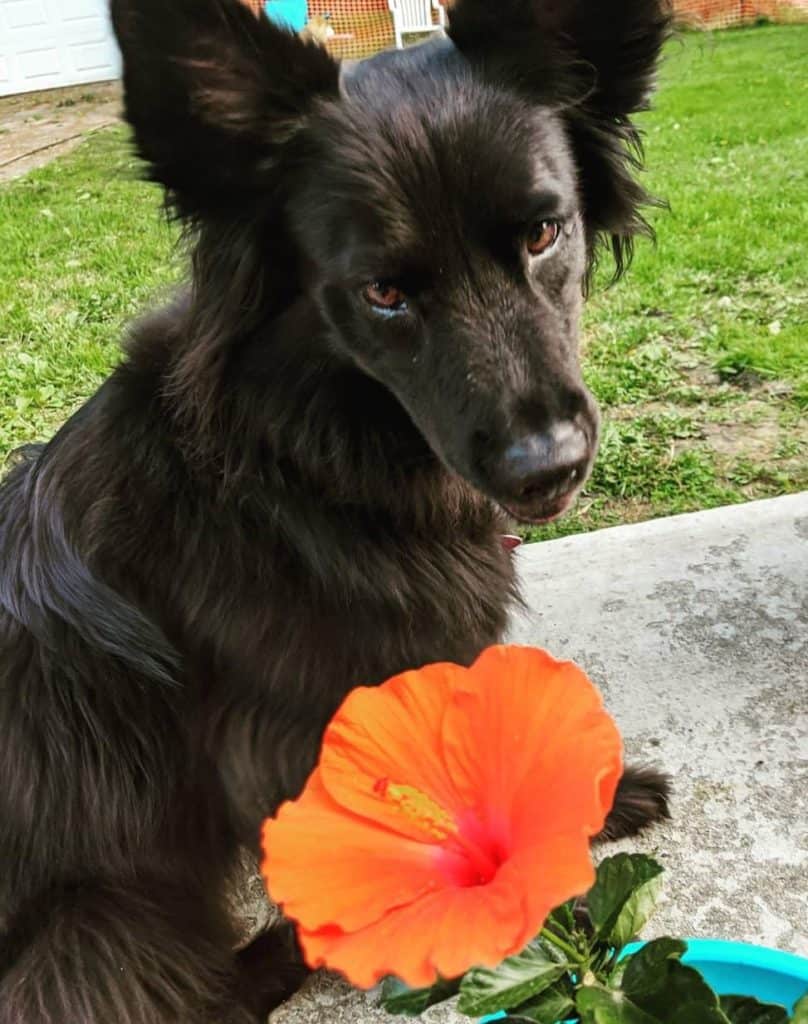
ASPCA Safe Hibiscus Varieties for Cats & Dogs: Creative Uses, Health Benefits & Care Tips

Hibiscus brightens homes and gardens, offering tropical flair. Generally safe for pets, with most varieties non-toxic, ingestion in excess might cause stomach upset. Hibiscus tea offers human health benefits, but is unsuitable for pets. Care includes indirect sunlight and regular watering to ensure vibrant blooms…

Pet Safe Gardens

Gherkins in Pet Safe Residential Gardens Tips: Comparisons, Benefits vs Risks of Cucumis Sativus to Dogs, Cats & Rabbits

Gherkins, small and firm cucumbers, are perfect for pickling but can present risks to pets. While non-toxic in their natural state, the pickling brine can be harmful. Learn about growing gherkins in pet-safe gardens and distinguish them from cucumbers, enhancing both gardening and culinary experiences…

Pet Safe Gardens

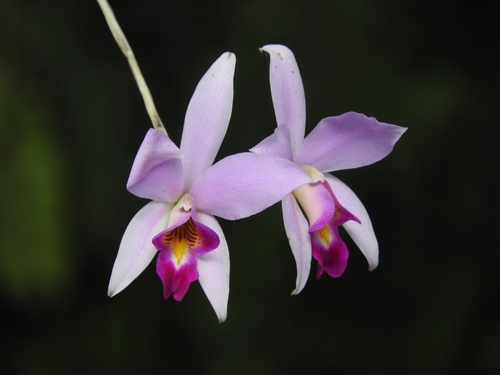
Dogs & Cats Safe Lily of the Valley Orchid (Dendrobium monophyllum): Care for Non-Toxic Perennial from ASPCA List

Ensure your pets’ safety with non-toxic plants like the Lily of the Valley Orchid. The ASPCA identifies this orchid as pet-friendly, minimizing risks while enhancing home beauty. Choose wisely to protect your furry friends from harmful toxins and create a safe, lush oasis they can explore…

Pet Safe Gardens

Can Cats & Dogs Eat Honeydew: Health Comparison & Grow Tips vs Watermelon, Cantaloupe & Canary Melons

Honeydew melons are safe for cats and dogs and offer health benefits like beta-carotene and vitamin C. These melons, milder and less sugary than watermelon or cantaloupe, should be served in moderation. Ensure it’s organic and ripe for optimal taste and safety for pets…

Pet Safe Gardens

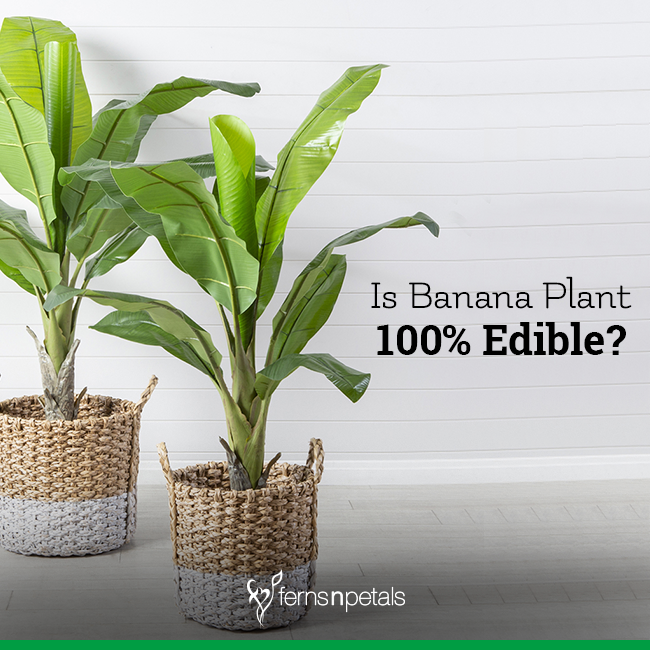
ASPCA Nontoxic Edible Banana for Pets: Grow Tips, Health Benefits for Dogs, Cats, Rabbits & Birds

Banana plants are non-toxic to pets like dogs, cats, rabbits, and birds. While safe, avoid peels due to digestive issues. Bananas offer health benefits but should be given in moderation. Learn how these fruits can be a delicious and safe treat for your pets by exploring more…

Posts navigation

Older posts
Newer posts
  • Platycerium Alcicorne “Staghorn Fern” Cost, Creative Display & Pet Safe Care Tips: Madagascar vs African
  • Pets & Ponytail Palm Care Indoor vs Outdoor: Lifespan & Propagation
  • 2 Purple Passion Plants w/ Different Pros, Cons & Care Tips: Pet Safety, Placement & Invasive Prevention
  • Many Names of Pet Safe & Rare Rainbow Orchid ID, Indoor vs Outdoor Care & Color Comparison
  • Plush Plant aka Red Echeveria: Names, ID & Easy Pet Safe Care Indoors & Outdoors
  • *Featured
  • Dog Parks & More
  • Pet Friendly Businesses
  • Pet Safe Gardens
  • Socialization
  • Tips
Subscribe
Socialize
Copyright © 2026 Pets Can Go – OnePress theme by FameThemes