
Key Takeaways for Cucumbers and Pets
- Cucumbers are botanically fruits but commonly perceived as vegetables; they are safe for pets when given in moderation.
- Cats can benefit from cucumbers’ high water content, aiding hydration, but should be served in small, manageable pieces.
- Dogs often enjoy cucumbers for their crunch and hydrating properties; they can serve as a healthy, low-calorie snack.
- Cucumbers may help freshen dog breath by stimulating saliva production, which can reduce plaque buildup.
- While generally safe, overconsumption of cucumbers can lead to digestive upset in pets, so moderation is key.
Cucumbers: Fruit or Vegetable?
Cucumbers often spark debate over their classification as either a fruit or a vegetable. This confusion stems from their botanical characteristics and culinary uses. Botanically speaking, cucumbers are fruits because they develop from the flower of the plant and contain seeds. However, in the culinary world, cucumbers are treated as vegetables due to their savory flavor profile and common use in salads and other vegetable dishes.
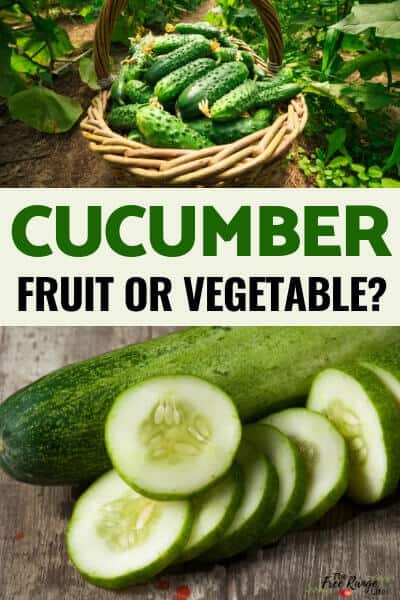
“Is a Cucumber a Fruit or a Vegetable?” from thefreerangelife.com and used with no modifications.
Classification and Common Perceptions
In the realm of fruits and vegetables, classification often depends on the perspective taken. Botanists classify cucumbers as fruits because they meet the criteria of developing from a flower and containing seeds. On the other hand, chefs and culinary experts typically categorize cucumbers as vegetables because they are not sweet and are commonly used in savory dishes.
Nutritional Profile and Characteristics
Cucumbers are known for their high water content, making up about 95% of their weight. This makes them an excellent hydrating food for both humans and pets. They are low in calories, with only about 16 calories per cup, and contain small amounts of essential nutrients such as vitamin K, vitamin C, potassium, and magnesium.
“Cucumbers are an excellent low-calorie snack option, providing hydration and a small boost of vitamins and minerals without the worry of excess calories.” – Pet Nutritionist
Their crisp texture and mild flavor make cucumbers a popular addition to various dishes, providing a refreshing element that is especially appreciated during warmer months.
Are Cucumbers Safe for Cats?
Many pet owners wonder if cucumbers are safe for their feline friends. The good news is that cucumbers can be a safe treat for cats when offered in moderation. However, it’s essential to ensure they are served in a way that is easy for cats to consume and digest. For those interested in exploring more about the benefits of pet companionship, you might find this article on sober living with pets insightful.

“Why are cats scared of cucumbers? |” from www.whycatwhy.com and used with no modifications.
Potential Health Benefits
Cucumbers can offer several health benefits to cats. Their high water content is particularly beneficial, as it can help keep cats hydrated. This is especially important for cats that may not drink enough water on their own. Additionally, cucumbers provide a small amount of fiber, which can aid in digestion and promote regular bowel movements. For more information on whether cucumbers are safe for pets, you can visit this guide.
Appropriate Serving Size
When serving cucumbers to cats, it’s crucial to offer them in small, bite-sized pieces. This makes it easier for cats to chew and digest. A few small cubes or thin slices are usually sufficient as an occasional treat. Always observe your cat’s reaction to new foods and discontinue if any adverse reactions occur. For more on creating a pet-friendly environment, explore sober living at cat cafes.
Precautions and Potential Reactions
While cucumbers are generally safe for cats, it’s important to introduce them slowly and in small amounts. Some cats may have sensitive stomachs and could experience digestive upset if given too much at once. Additionally, always ensure cucumbers are thoroughly washed and free from any pesticides or harmful chemicals before offering them to your pet.
If you notice any signs of gastrointestinal distress, such as vomiting or diarrhea, discontinue feeding cucumbers and consult your veterinarian for guidance.
Why Do Dogs Like Cucumbers?
Dogs often find cucumbers to be a delightful treat. Their crunchy texture and mild taste make them appealing to many canines. But what is it about cucumbers that dogs find so enticing?

“Can Dogs Eat Cucumbers? | We Feed Raw” from wefeedraw.com and used with no modifications.
Texture and Taste Appeal
Dogs enjoy the crunchy texture of cucumbers, which can be quite satisfying for them to chew. This texture, combined with the refreshing, mild flavor, makes cucumbers a popular choice for a healthy snack. For dogs that enjoy munching on crunchy foods, cucumbers can be a great alternative to higher-calorie treats.
Hydration and Refreshment Factor
Besides their appealing texture, cucumbers are also hydrating, thanks to their high water content. This makes them an excellent snack for keeping dogs refreshed, especially during hot weather. Offering cucumber slices as a treat can help ensure your dog stays hydrated and cool.
Role in Training and Rewards
Cucumbers can also play a role in training and rewarding your dog. Their low-calorie nature makes them an ideal choice for frequent rewards without the risk of weight gain. You can use small cucumber pieces during training sessions to reinforce positive behavior, providing both a tasty treat and a healthy snack option.
Do Cucumbers Freshen Dog Breath?
One of the lesser-known benefits of cucumbers is their potential to help freshen dog breath. While not a substitute for regular dental care, cucumbers can play a supporting role in maintaining oral hygiene for your pet.
High Water Content and Oral Health
The high water content in cucumbers helps keep your dog’s mouth hydrated, which is essential for maintaining oral health. A hydrated mouth produces more saliva, which naturally washes away food particles and bacteria that can cause bad breath. Therefore, offering cucumbers as a snack can support this natural cleaning process.
Moreover, the crunchiness of cucumbers can help scrape off minor plaque buildup on your dog’s teeth. This mechanical action, combined with the hydrating effect, can contribute to fresher breath and a healthier mouth overall.
- Ensure cucumbers are cut into appropriate sizes to prevent choking.
- Offer cucumbers as part of a balanced diet, not as a sole solution for bad breath.
- Consult your veterinarian for persistent bad breath issues.

“Can dogs eat cucumbers? | ElleVet Sciences” from www.ellevetsciences.com and used with no modifications.
Saliva Stimulation and Plaque Reduction
Chewing on cucumbers stimulates saliva production, which is beneficial for reducing plaque and tartar buildup. Saliva acts as a natural mouthwash, helping to cleanse the mouth of harmful bacteria and food debris. By encouraging your dog to chew on cucumbers, you’re not only providing a healthy snack but also promoting better oral hygiene. For more information on whether dogs can eat cucumbers, check out this guide.
Health Benefits and Risks for Pets Eating Cucumbers
Cucumbers can offer various health benefits for pets when incorporated into their diet appropriately. However, as with any treat, moderation is key to avoiding potential risks.
Daily Consumption Benefits
Incorporating cucumbers into your pet’s diet can provide several benefits. For one, cucumbers are low in calories, making them an excellent choice for pets that need to watch their weight. They also offer a source of hydration due to their high water content, which is especially beneficial during hot weather or for pets that don’t drink enough water.
Additionally, cucumbers contain small amounts of vitamins and minerals that can contribute to your pet’s overall nutrition. While they shouldn’t replace a balanced diet, they can complement it by adding variety and texture.
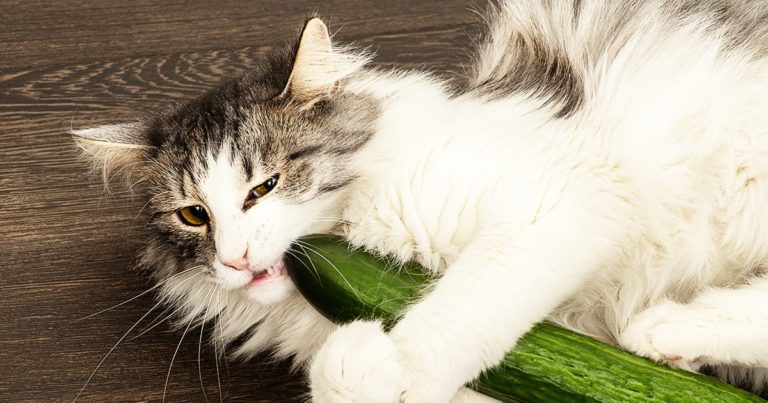
“Are Cats Afraid of Cucumbers? | Diamond …” from www.diamondpet.com and used with no modifications.
Possible Downsides and Diseases
While cucumbers are generally safe for pets, there are some downsides to be aware of. Overconsumption can lead to digestive upset, such as diarrhea or vomiting. It’s important to introduce cucumbers gradually and monitor your pet’s reaction.
- Be cautious of cucumber seeds and skin, as they can be difficult for some pets to digest.
- Ensure cucumbers are thoroughly washed to remove pesticides and chemicals.
- Consult your veterinarian if your pet shows signs of an allergic reaction.
In rare cases, pets may have an allergic reaction to cucumbers, which could manifest as itching, swelling, or gastrointestinal distress. If you notice any of these symptoms, discontinue feeding cucumbers and seek veterinary advice.
Signs of Overconsumption
It’s crucial to recognize the signs of overconsumption to prevent potential health issues. If your pet consumes too many cucumbers, they may experience gastrointestinal upset, including diarrhea, vomiting, or bloating. For more insights on maintaining a healthy lifestyle for your pets, explore the benefits of sober living with pets.
Monitor your pet’s stool and behavior after introducing cucumbers to their diet. If you notice any adverse reactions, reduce the amount or frequency of cucumber treats. Always aim for balance and moderation to ensure your pet enjoys the benefits without the risks. For more information on maintaining a pet-safe garden, check out this guide.
Fun and Popular Cucumber Recipes for Pets
Introducing cucumbers into your pet’s diet can be both fun and nutritious. Here are some popular recipes to try, ensuring your pet gets a tasty and healthy treat.
Cucumber Dog Treats Recipe
These cucumber dog treats are easy to make and perfect for a refreshing snack.
Ingredients: 1 cucumber, 1/2 cup plain yogurt, 1 tablespoon peanut butter (xylitol-free).
Instructions: Blend the cucumber, yogurt, and peanut butter until smooth. Pour the mixture into silicone molds and freeze until solid. Serve as a cool treat on a hot day.
Cucumber and Fruit Salad for Cats
This simple salad offers a hydrating and nutritious option for your feline friend.
Ingredients: 1/4 cucumber, 1/4 cup diced watermelon, 1/4 cup diced cantaloupe. For more pet-safe garden ideas, check out this guide on pet-safe plants.
Instructions: Mix all ingredients in a bowl and serve a small portion to your cat. Ensure the fruit is cut into small, manageable pieces. For more information on how pets can improve your lifestyle, check out this article on sober living with pets.
Frozen Cucumber Snacks
These frozen snacks are perfect for both cats and dogs, offering a refreshing treat.
Ingredients: 1 cucumber, 1/4 cup chicken broth.
Instructions: Slice the cucumber and soak in chicken broth for 10 minutes. Place the slices on a baking sheet and freeze until solid. Serve as a cool, hydrating snack. For more information on whether cucumbers are safe for pets, check out this guide.
ASPCA and the Non-Toxic Status of Cucumis Sativus
The ASPCA lists Cucumis sativus, the scientific name for cucumbers, as non-toxic to cats and dogs. This means cucumbers are generally safe for pets to consume, provided they are offered in moderation and prepared appropriately. For more information on pet-friendly environments, check out this guide on dog-friendly wineries.
Always ensure cucumbers are washed thoroughly to remove any potential pesticides or chemicals. By following these guidelines, you can safely incorporate cucumbers into your pet’s diet, adding variety and nutritional benefits.
Overview of ASPCA Guidelines
The ASPCA (American Society for the Prevention of Cruelty to Animals) provides valuable guidelines for pet owners regarding safe and unsafe plants for pets. According to their database, cucumbers, scientifically known as Cucumis sativus, are considered non-toxic to both cats and dogs. This means that cucumbers can be safely included in your pet’s diet, provided they are prepared and served properly.
Non-Toxic Plant Details
Cucumis sativus is classified as non-toxic, making it a safe choice for pet owners looking to add variety to their pets’ diets. This classification ensures that cucumbers do not contain any harmful substances that could pose a risk to your pet’s health when consumed in moderation. However, it’s important to remember that even non-toxic foods should be introduced gradually and in small amounts to monitor any potential adverse reactions.
While cucumbers are safe, it’s always a good idea to consult with your veterinarian before introducing any new food into your pet’s diet. They can provide personalized advice based on your pet’s health and dietary needs. For more insights on how pets can aid in recovery, explore the benefits of animal-assisted therapy for substance use disorder.

“sugar snap peas …” from www.reddit.com and used with no modifications.
Easy Grow Tips for Backyard Gardeners
Growing cucumbers in your backyard can be a rewarding experience and provide a fresh supply of healthy treats for your pets. Cucumbers are relatively easy to grow, and with the right conditions, they can thrive in a home garden. Here are some tips to help you get started:
- Choose a sunny spot: Cucumbers require plenty of sunlight, so select a location that receives at least six hours of direct sunlight daily.
- Prepare the soil: Cucumbers prefer well-drained soil rich in organic matter. Amend your soil with compost or well-rotted manure to improve fertility and drainage.
- Plant at the right time: Cucumbers are warm-season crops, so plant them after the last frost date in your area. They thrive in temperatures between 70-95°F (21-35°C).
Container vs In-ground
Deciding whether to grow cucumbers in containers or directly in the ground depends on your available space and gardening preferences. Both methods have their advantages, and it’s important to ensure cucumbers are safe for pets if they have access to the garden.
Container Gardening: This method is ideal for those with limited space or poor soil conditions. Choose a large container with good drainage, and use a high-quality potting mix. Container gardening allows for better control over soil quality and makes it easier to move plants to optimal sunlight locations. For those interested in exploring outdoor activities with pets, consider checking out dog-friendly wineries in Temecula for a delightful experience.
In-ground Gardening: Planting cucumbers directly in the ground is suitable for those with ample garden space and well-drained soil. This method allows cucumbers to develop extensive root systems and access more nutrients from the soil.
Protecting from Wild Pests
While growing cucumbers, it’s important to protect them from common garden pests such as aphids, cucumber beetles, and slugs. Implementing natural pest control methods can help maintain a healthy garden without the use of harmful chemicals:
- Introduce beneficial insects: Ladybugs and lacewings can help control aphid populations naturally.
- Use physical barriers: Floating row covers can protect young plants from beetles and other pests.
- Practice crop rotation: Changing the location of your cucumber plants each year can reduce pest buildup in the soil.
Frequently Asked Questions
As a pet owner, you may have several questions about incorporating cucumbers into your pet’s diet. Here are some common inquiries and their answers:
Can all dogs safely eat cucumbers?
Yes, most dogs can safely enjoy cucumbers as a treat. However, it’s important to introduce them gradually and in small quantities. Monitor your dog for any adverse reactions, such as digestive upset, and consult your veterinarian if you have concerns. For those interested in exploring dog-friendly venues, knowing what treats are safe for your pet is essential.
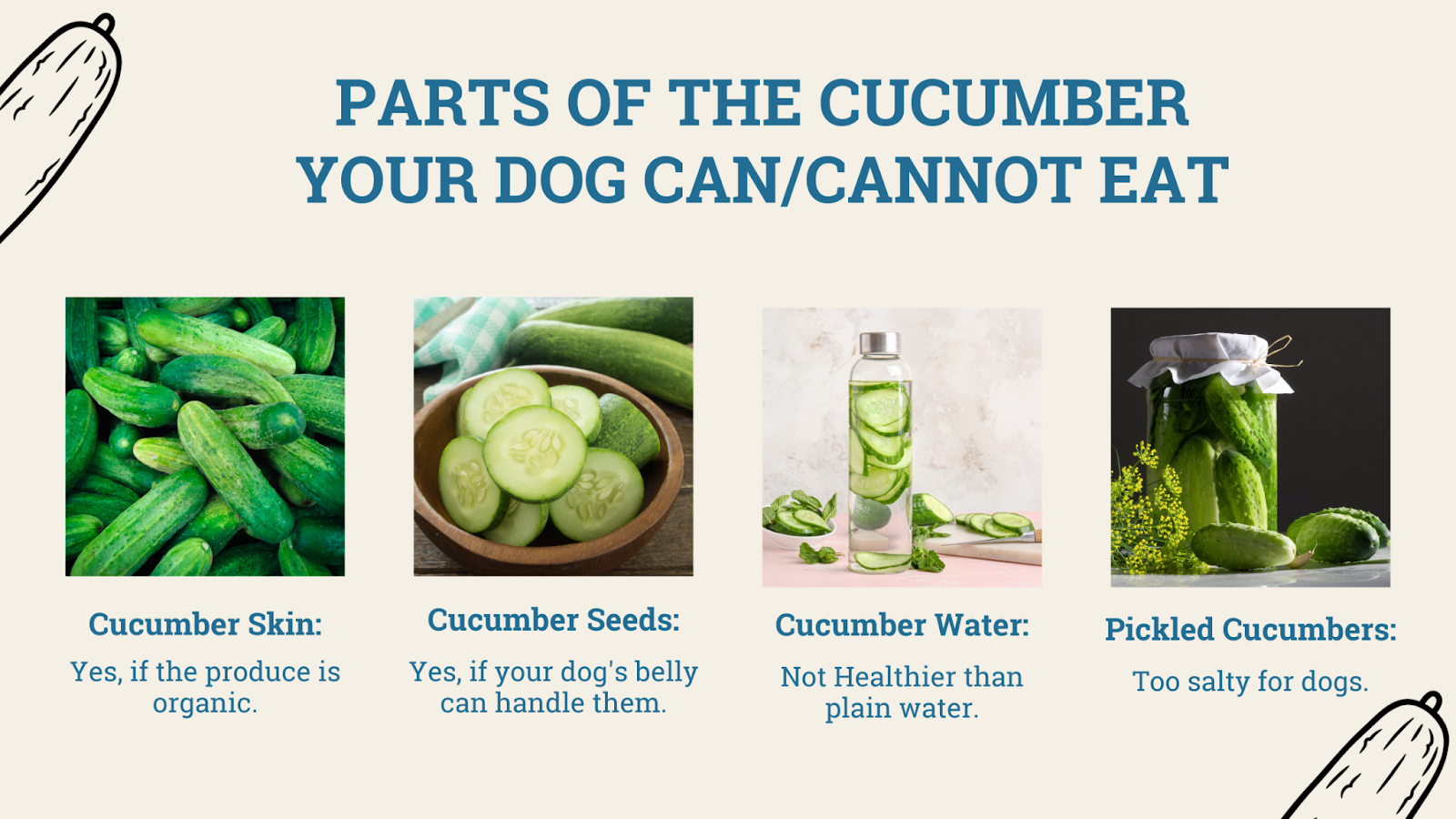
“Can Dogs Eat Cucumbers? – Volhard Dog …” from www.volharddognutrition.com and used with no modifications.
Should cucumber skin be removed before feeding to pets?
While cucumber skin is safe for pets, some may find it difficult to digest. It’s a good idea to peel cucumbers for pets with sensitive stomachs or if you notice any digestive issues after consumption. Always wash cucumbers thoroughly to remove any pesticides or residues before serving. For more tips on pet-friendly gardening, check out our guide on pet-safe plants.
Are there specific cucumber types best for pets?
Most cucumber varieties are safe for pets, but it’s best to choose organic or homegrown cucumbers to avoid potential pesticide exposure. Common varieties such as English cucumbers and Persian cucumbers are suitable choices. For those interested in broader pet-safe gardening tips, exploring other non-toxic plants can be beneficial.
Ensure that any cucumbers offered to pets are fresh and free from spoilage or mold, as these can cause digestive issues.
What symptoms indicate cucumber allergies in pets?
Although rare, some pets may have an allergic reaction to cucumbers. Symptoms can include itching, swelling, gastrointestinal distress, or respiratory issues. If you notice any of these signs after your pet consumes cucumbers, discontinue feeding them and consult your veterinarian for further evaluation.
It’s important to introduce new foods gradually and observe your pet’s reaction to ensure they tolerate cucumbers well.
Always have a plan in place to address any allergic reactions, and consult your veterinarian for advice on managing allergies in your pet.
Can cucumbers replace any regular pet meals?
No, cucumbers should not replace regular pet meals. While they offer some nutritional benefits, they do not provide the complete and balanced nutrition that pets require. Cucumbers should be considered an occasional treat or supplement to a well-rounded diet.
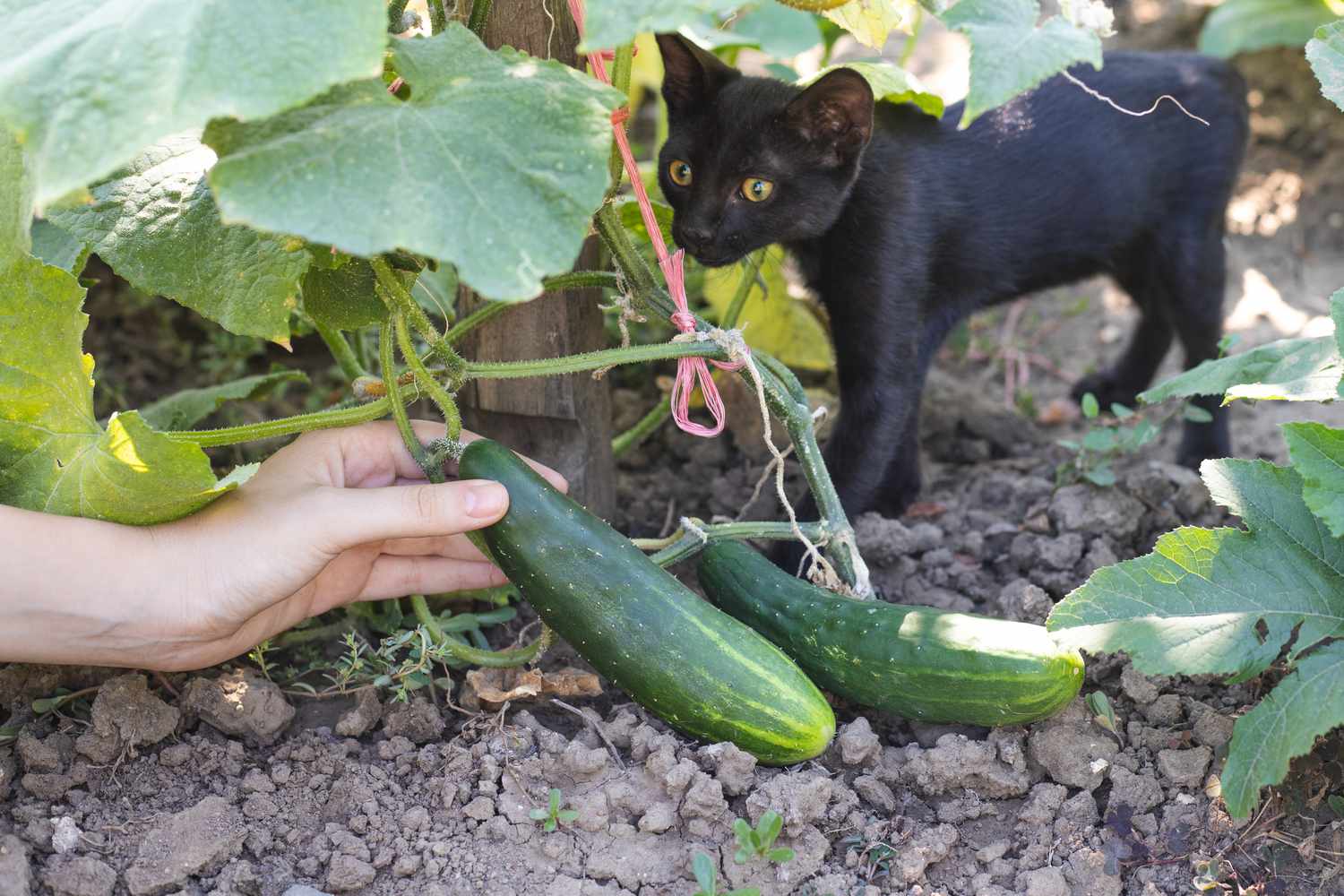
“Growing Cucumbers: How to Add Crunch to …” from www.treehugger.com and used with no modifications.
Could I grow cucumbers easily in my pet safe garden?
“Growing cucumbers in a pet-safe garden is entirely feasible with the right conditions and care. Ensure the area is free from harmful chemicals and provide adequate sunlight and water for healthy growth.” – Gardening Expert
By following the tips provided in this article, you can successfully grow cucumbers in your backyard, offering a fresh and safe treat option for your pets. Remember to consider your available space, choose the appropriate growing method, and protect your plants from pests for the best results.