
The Artillery Plant, scientifically known as Pilea microphylla, is a fascinating addition to any home garden. Its unique characteristics and ease of care make it popular among plant enthusiasts. But what about pet owners? Is it safe for our furry friends? This article will guide you through everything you need to know about the Artillery Plant and its interaction with pets.
Key Insights
- The Artillery Plant is non-toxic to cats and dogs, according to the ASPCA.
- It gets its name from the way it disperses pollen, resembling artillery fire.
- The plant thrives in both indoor and outdoor environments with the right care.
- Brown leaves on the Artillery Plant can be revived with proper watering and light conditions.
- Artillery Plants can be used in bonsai practices, offering a unique aesthetic.
Understanding the Artillery Plant
The Artillery Plant, or Pilea microphylla, is a small, bushy plant known for its tiny, delicate leaves. It is a member of the Urticaceae family, which also includes nettles. However, unlike some of its relatives, the Artillery Plant is harmless to touch and non-irritating.
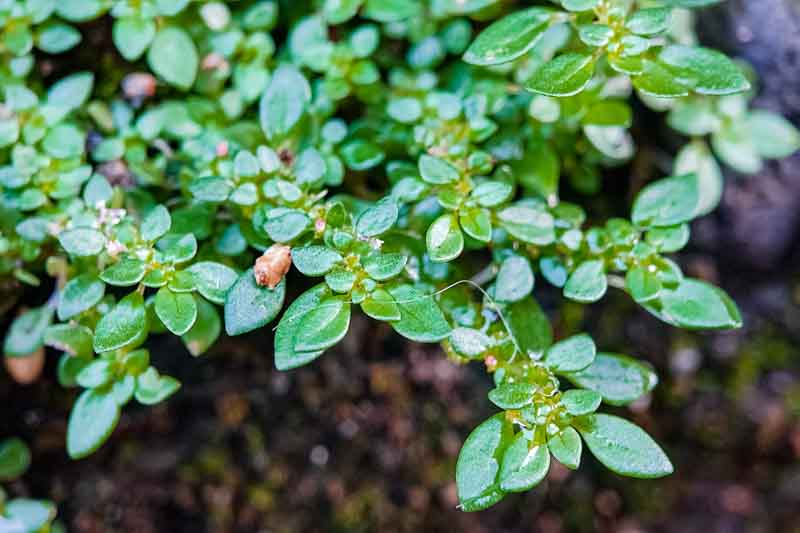
“Artillery Plant (Pilea microphylla …” from www.gardenia.net and used with no modifications.
Characteristics of Pilea Microphylla
One of the most appealing features of the Artillery Plant is its adaptability. It can thrive in a variety of conditions, making it an ideal choice for both novice and experienced gardeners. The plant is characterized by its lush, green foliage and small, pinkish flowers. These flowers are not just for show; they have a unique way of dispersing pollen that adds to the plant’s charm.
Common Names and Their Origins
The Artillery Plant is known by several other names, including Gunpowder Plant, Pistol Plant, and Rockweed. These names often derive from the plant’s peculiar method of pollen dispersal. The name “Artillery Plant” itself is a nod to this fascinating feature.
“The Artillery Plant gets its name from the explosive way it releases pollen, much like a tiny artillery gun firing.” – Botanical Enthusiast
Reasons Behind the ‘Artillery’ Name
The Artillery Plant’s unique mechanism of pollen release is a spectacle to behold. When the tiny flowers are touched or disturbed, they release pollen in a sudden burst, resembling the firing of an artillery gun. This natural phenomenon not only explains the plant’s name but also adds a dynamic element to its care and observation. For those interested in incorporating pet-friendly plants into their garden, consider exploring options like bachelor buttons, which are safe for pets.
Artillery Plant Safety for Pets
For pet owners, the safety of houseplants is a top priority. The good news is that the Artillery Plant is generally considered safe for pets. It’s important to understand how this plant interacts with animals to ensure a harmonious coexistence in your home. For more information on creating pet-friendly spaces, you might find this guide on pet-friendly sofas and couches helpful.
Inclusion on ASPCA Nontoxic Plant List
- The Artillery Plant is listed as non-toxic to both cats and dogs by the ASPCA.
- There are no known toxic parts of the plant that could harm pets.
- Ingestion might cause mild digestive upset, but no severe poisoning cases have been reported.
This classification provides peace of mind for pet owners who want to enjoy the beauty of the Artillery Plant without worrying about their pets’ safety. For those interested in exploring more pet-friendly options, check out this guide to dog-friendly wineries in Traverse City, MI.
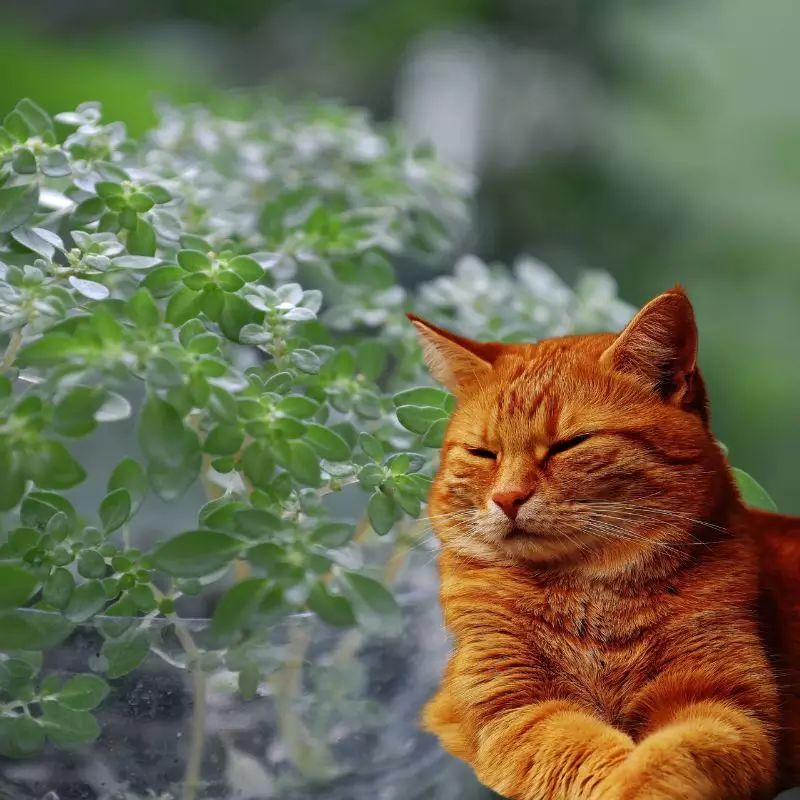
“Is Artillery Plant Toxic For Cats?” from plantsncats.com and used with no modifications.
How Artillery Plant Affects Dogs and Cats
While the Artillery Plant is non-toxic, it’s always best to monitor your pets around any houseplant. Curious pets might nibble on the leaves, which can lead to mild digestive issues such as vomiting or diarrhea. However, these symptoms are typically mild and resolve quickly.
Ensuring your pets have plenty of their own safe toys and treats can help divert their attention away from your plants. If you notice your pet has ingested a large amount of the plant, consult your veterinarian for advice.
Growing Artillery Plants: Indoors vs. Outdoors
The Artillery Plant is versatile and can flourish both indoors and outdoors, provided it receives the right care. Understanding the specific needs of the plant in different environments will help you cultivate a thriving specimen.
When growing indoors, the Artillery Plant prefers bright, indirect light. A spot near a north or east-facing window is ideal. Outdoors, it should be placed in a location where it can receive morning sun but is shielded from harsh afternoon rays. Proper light exposure is crucial for the plant’s health and growth. For more gardening tips, you might find this guide on pet-safe gardens helpful.
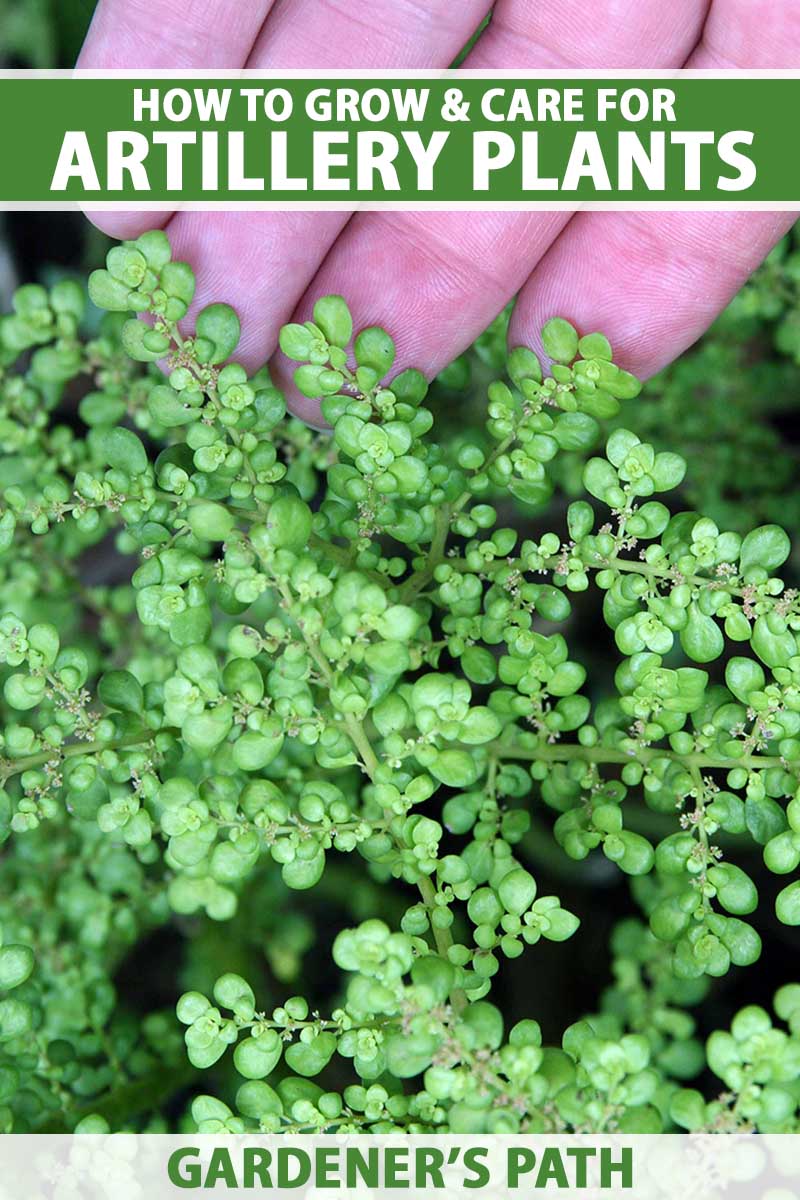
“Artillery Plant Indoors” from gardenerspath.com and used with no modifications.
Ideal Growing Conditions
To ensure your Artillery Plant thrives, it’s important to provide the right growing conditions. This plant prefers a warm environment with temperatures ranging between 60°F and 80°F (15°C to 27°C). It’s not frost-tolerant, so if you live in a cooler climate, it’s best to grow it indoors or bring it inside during colder months.
Humidity is another key factor. The Artillery Plant enjoys moderate to high humidity levels, which can be achieved by misting the plant regularly or placing a humidity tray nearby. Consistent moisture helps the plant maintain its lush foliage.
The soil should be well-draining and rich in organic matter. A mix of peat moss, perlite, and standard potting soil in equal parts creates an ideal environment for root growth. Ensuring proper drainage prevents waterlogged roots, which can lead to root rot.
- Temperature: 60°F to 80°F (15°C to 27°C)
- Humidity: Moderate to high
- Soil: Well-draining, rich in organic matter
- Light: Bright, indirect sunlight
By meeting these conditions, you’ll provide a nurturing environment that allows your Artillery Plant to flourish.
Indoor Plant Care Tips
When growing the Artillery Plant indoors, consider its light requirements. It thrives in bright, indirect sunlight. Direct sunlight can scorch the leaves, while too little light can result in leggy growth. Placing the plant near a north or east-facing window is ideal.
Watering should be done when the top inch of soil feels dry. Overwatering can lead to root rot, while underwatering can cause the leaves to wilt. Use room temperature water to avoid shocking the plant, and always allow excess water to drain away.
Outdoor Growth Considerations
“When planting the Artillery Plant outdoors, choose a location with morning sun and afternoon shade. This balance helps prevent leaf scorch and promotes healthy growth.” – Gardening Expert
Outdoor Artillery Plants benefit from similar care as their indoor counterparts. However, they may require more frequent watering during hot, dry spells. Mulching around the base of the plant can help retain moisture and keep the roots cool.
Fertilize the plant every 4-6 weeks during the growing season with a balanced, water-soluble fertilizer diluted to half strength. This will provide the nutrients necessary for robust growth and vibrant foliage.
Pruning is also beneficial for outdoor Artillery Plants. Regularly trim back any leggy or damaged growth to encourage a fuller, bushier appearance. This will also help control the plant’s spread, preventing it from becoming invasive.
Maintaining and Reviving Your Artillery Plant
Like any plant, the Artillery Plant may occasionally face issues such as browning leaves or stunted growth. Understanding how to address these problems is key to maintaining a healthy plant.
Brown leaves can be a sign of several issues, including overwatering, underwatering, or insufficient humidity. By identifying the cause, you can take corrective action to revive your plant.

“artillery plant Care 101: Water, Light …” from greg.app and used with no modifications.
Addressing Brown Leaves
If your Artillery Plant’s leaves are turning brown, start by checking the soil moisture. If the soil is consistently wet, reduce watering frequency and ensure the pot has adequate drainage. Conversely, if the soil is dry, increase watering while ensuring the water can drain away freely.
Revival Techniques for Healthy Growth
To revive a struggling Artillery Plant, adjust its environment to better suit its needs. Increase humidity by misting the plant or using a humidity tray. Relocate the plant to a spot with more suitable lighting, if necessary. For more tips on creating a pet-friendly environment, consider how your home setup can impact plant health.
Regularly clean the leaves to remove dust, which can interfere with photosynthesis. This simple practice can significantly improve the plant’s overall health and appearance.
Controlling the Spread of Pilea Microphylla
In some environments, the Artillery Plant can spread rapidly. To control its growth, regularly prune back excess foliage and remove any runners that appear. This will help maintain the plant’s size and shape, preventing it from overtaking other plants in your garden.
Bonsai Possibilities with Artillery Plant
One of the unique aspects of the Artillery Plant is its potential for bonsai cultivation. Its small leaves and bushy growth habit make it a suitable candidate for this art form.
Bonsai requires patience and precision, but with the right techniques, you can transform your Artillery Plant into a stunning miniature tree. Regular pruning and wiring are essential to shape the plant and maintain its compact size.
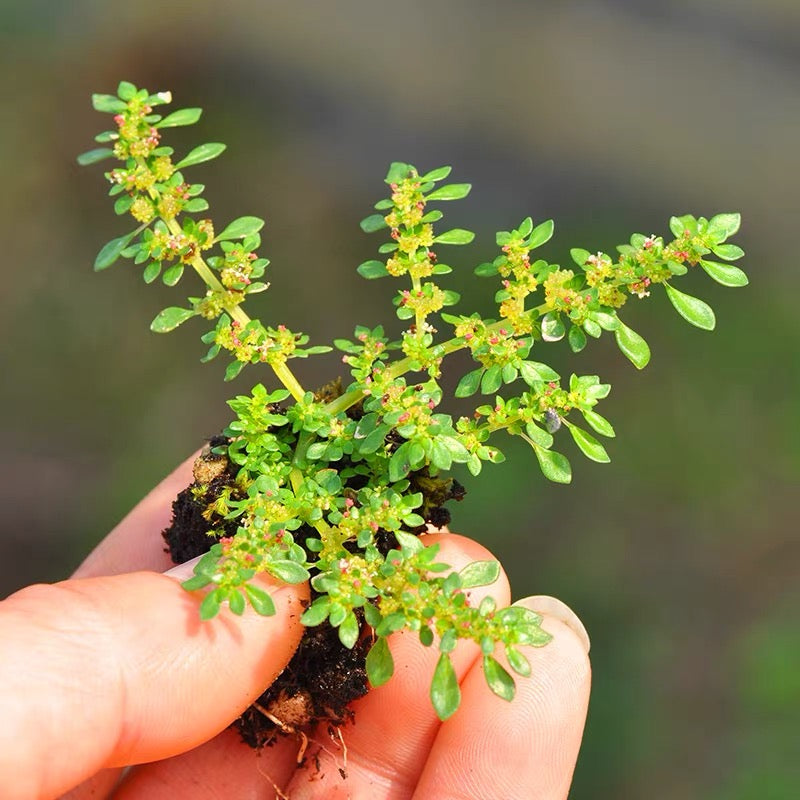
“Pilea microphylla for Sale | My Home Nature” from www.myhomenature.com and used with no modifications.
Basics of Bonsai with Pilea Microphylla
The art of bonsai involves growing a tree in miniature form, and the Artillery Plant, with its small leaves and compact growth habit, is an excellent candidate for this practice. To begin, select a healthy Artillery Plant with a strong central stem. This will become the main trunk of your bonsai.
Start by pruning away any excess foliage to expose the structure of the plant. This helps create a clear shape and directs energy to the desired areas. Regular trimming will be necessary to maintain the bonsai’s form and encourage dense leaf growth.
Challenges and Recommendations
“Bonsai with Pilea microphylla can be a rewarding experience, but it requires patience and attention to detail. Keep the plant’s natural growth patterns in mind to create a harmonious design.” – Bonsai Expert
One challenge when working with the Artillery Plant as a bonsai is its rapid growth rate. Regular pruning is essential to prevent the plant from becoming overgrown. Additionally, because the plant is sensitive to changes in light and moisture, maintaining consistent care is crucial.
Wiring can help shape the branches, but be gentle to avoid damaging the delicate stems. Use soft wire and monitor the plant regularly to ensure the wire doesn’t cut into the growing branches. With careful attention, you can create a stunning bonsai that showcases the unique characteristics of the Artillery Plant.
For best results, place the bonsai in a location with bright, indirect light and maintain a consistent watering schedule. With time and care, your Artillery Plant bonsai can become a centerpiece of your collection. If you’re considering adding more pet-friendly plants to your home, check out these top types for pets.
Frequently Asked Questions
As with any plant, you may have questions about the care and characteristics of the Artillery Plant. Here are some common inquiries and their answers to help you better understand this fascinating plant.
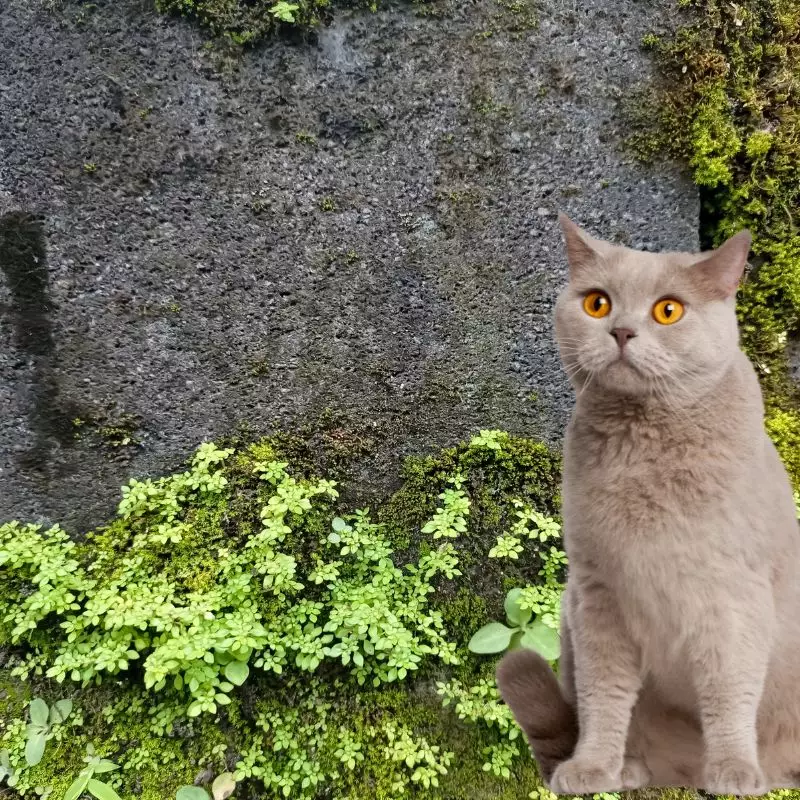
“Is Artillery Plant Toxic For Cats?” from plantsncats.com and used with no modifications.
Is the Artillery Plant Really Safe for All Pets?
Yes, the Artillery Plant is generally considered safe for pets. According to the ASPCA, it is non-toxic to both cats and dogs, which means it can be a pet-friendly addition to your home.
- Ensure pets don’t ingest large amounts to avoid mild digestive upset.
- Monitor your pets’ behavior around the plant for any unusual reactions.
- Provide alternative distractions like toys to keep pets away from houseplants.
While the plant is safe, it’s always a good idea to observe your pets and consult a veterinarian if you notice any concerning symptoms.
Additionally, keeping the plant out of reach of overly curious pets can help prevent accidental ingestion and maintain the plant’s health.
What Causes Brown Leaves on My Artillery Plant?
Brown leaves can be a sign of several issues, including improper watering, low humidity, or inadequate light. Begin by assessing your watering routine. Ensure the soil is kept consistently moist but not waterlogged.
If humidity is low, consider misting the plant regularly or using a humidity tray. Additionally, make sure the plant receives enough light, but not direct sunlight, which can scorch the leaves.
Can I Grow Artillery Plants in Colder Climates?
Yes, you can grow Artillery Plants in colder climates, but they need to be kept indoors during the winter months. The plant thrives in temperatures between 60°F and 80°F (15°C to 27°C) and should be protected from frost.
How Do I Propagate an Artillery Plant?
Propagating an Artillery Plant is relatively simple and can be done through stem cuttings. Select a healthy stem with several leaves and cut a 2-3 inch section. Place the cutting in moist soil and keep it in a warm, bright location until roots develop.
Why Is My Artillery Plant Not Producing Flowers?
The Artillery Plant may not flower if it’s not receiving enough light or nutrients. Ensure the plant is placed in a bright location with indirect sunlight and fertilize it every 4-6 weeks during the growing season with a balanced, water-soluble fertilizer.
Sometimes, a lack of flowering can also be due to the plant being too young or not yet fully established. For more detailed guidance, you can refer to the Artillery Plant Care Guide. Patience and proper care will eventually encourage flowering.
“To encourage blooming, provide your Artillery Plant with the right balance of light, water, and nutrients. A healthy plant is more likely to produce its charming flowers.” – Horticulturist
By understanding the needs of your Artillery Plant and addressing any issues promptly, you can enjoy a healthy, vibrant plant that adds beauty and interest to your home or garden.