
Key Takeaways
- Purple Passion refers to two distinct plants: Passiflora incarnata (a flowering vine) and Gynura aurantiaca (a velvet-leafed houseplant) – understanding which one you have is crucial for proper care.
- Both varieties are listed as non-toxic by the ASPCA, making them safe choices for homes with pets.
- Passiflora incarnata can become invasive in warmer climates but rewards gardeners with stunning flowers and butterfly attraction.
- Proper light placement is critical – Passiflora needs full sun outdoors while Gynura requires bright, indirect light indoors.
- With proper support structures and regular pruning, you can control growth and enjoy these purple beauties year after year.
When someone mentions “Purple Passion,” plant enthusiasts might picture two entirely different species. This botanical confusion has led many gardeners down a perplexing path of misidentified care needs and growth expectations.
The term “Purple Passion” commonly refers to either Passiflora incarnata (a flowering vine with edible fruit) or Gynura aurantiaca (a houseplant with velvety purple foliage). Understanding which plant you’re working with is the crucial first step to providing appropriate care. At EasyPlant, we’ve seen countless gardeners struggle with identification before finding success with these stunning purple specimens.
Let’s untangle this purple mystery and explore how to care for both varieties, their benefits, challenges, and tips for helping them thrive in your space.
The Purple Passion Mystery: Two Distinct Plants With One Popular Name
The confusion surrounding Purple Passion plants stems from their shared vibrant purple coloration but vastly different growth habits and care requirements. Passiflora incarnata is a hardy, climbing vine that produces exotic flowers and edible fruit, while Gynura aurantiaca is primarily grown as a houseplant for its stunning purple-velvet foliage.
Both plants make wonderful additions to your plant collection, but their care routines differ significantly. Misidentifying which Purple Passion you have can lead to disappointing results. The good news is that proper identification is straightforward once you know what to look for.
“Purple Passionvine, Maypop Passionvine …” from www.floridanativeplants.com and used with no modifications.
Passiflora Incarnata: The True Purple Passion Vine
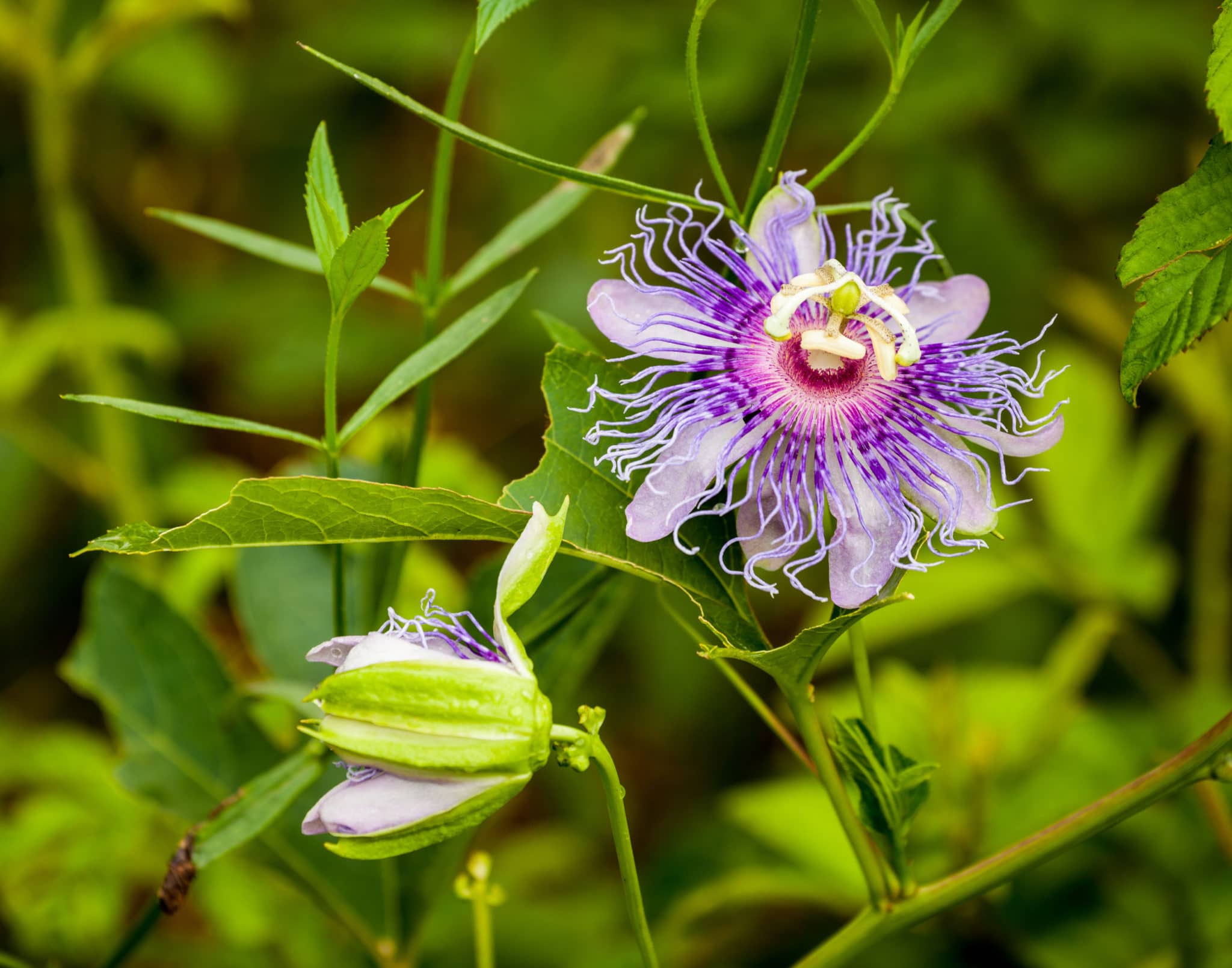
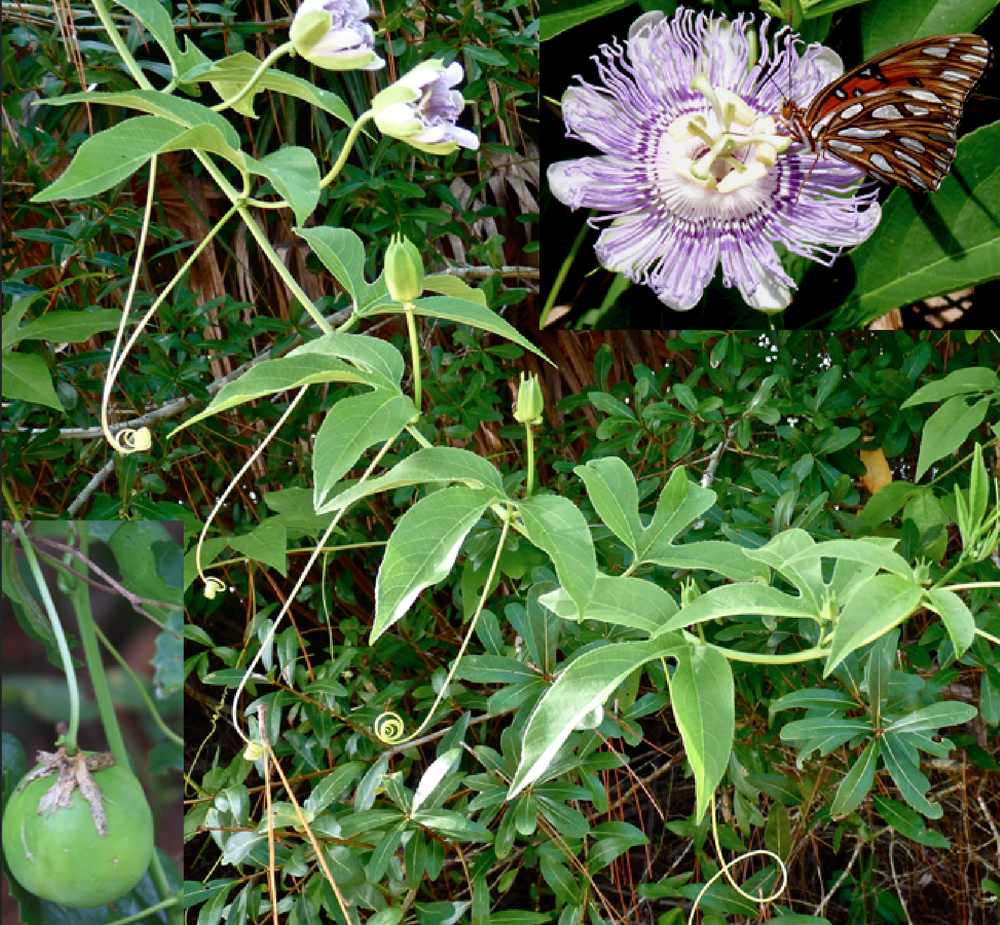
Passiflora incarnata, often called Maypop or Purple Passionflower, is a vigorous perennial vine native to the southeastern United States. This climbing beauty can reach impressive lengths of 15-20 feet when given proper support. Its most distinctive feature is the elaborate, otherworldly flowers with purple or lavender filaments that seem to dance above intricate white petals. For those interested in plant safety, you might want to explore if wild buckwheat is safe for pets.
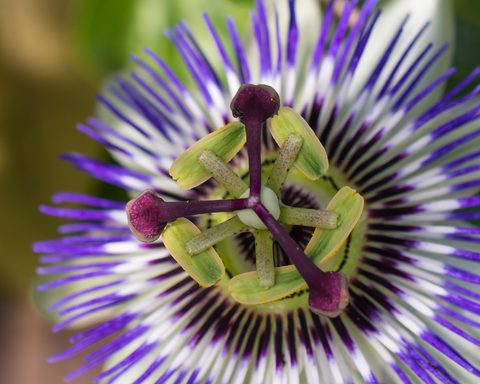
This true vine produces edible fruit called “maypops” that resemble small, yellowish-green eggs when ripe. The plant gets its common name from the passion of Christ, as early missionaries saw religious symbolism in its flower structure – the corona filaments representing the crown of thorns, the five anthers for the five wounds, and the three stigmas for the nails.
While breathtakingly beautiful, this plant comes with a warning: it can spread aggressively in favorable conditions through both runners and self-seeding. Gardeners in USDA zones 6-9 should implement containment strategies from the beginning.
Alternative Names and How to Identify This Flowering Beauty
Passiflora incarnata goes by many names in different regions, including Maypop, Wild Passionflower, Apricot Vine, Old Field Apricot, Holy-Trinity flower, Molly-pop, Passion Vine, Pop-apple, Granadilla, Maycock, Maracock, and White Sarsaparilla. This diversity of names reflects its widespread popularity and historical significance.
Identifying features include trilobed leaves with serrated edges arranged alternately along vigorous climbing stems. The showstopping flowers measure 2-3 inches across with white to lavender petals and a prominent purple crown of filaments. After flowering, it produces egg-shaped fruits that turn from green to yellowish when ripe. The plant attaches to supports using specialized tendrils that coil around anything they touch. For more on plant care, explore this artillery plant care guide.
Spectacular Benefits for Your Garden
Growing Passiflora incarnata offers multiple rewards beyond its visual appeal. The vine serves as a crucial host plant for several butterfly species, including the Gulf Fritillary and Zebra Longwing, making it a valuable addition to pollinator gardens. Its flowers attract beneficial insects and hummingbirds, enhancing your garden’s biodiversity and ecological value. For those interested in safe gardening practices, consider exploring safe garden ideas to ensure your garden is both beautiful and pet-friendly.
Spectacular Benefits for Your Garden
Growing Passiflora incarnata offers multiple rewards beyond its visual appeal. The vine serves as a crucial host plant for several butterfly species, including the Gulf Fritillary and Zebra Longwing, making it a valuable addition to pollinator gardens. Its flowers attract beneficial insects and hummingbirds, enhancing your garden’s biodiversity and ecological value.
The edible fruits can be harvested for culinary use, typically in jams, jellies, or eaten fresh when fully ripe. Additionally, the plant has a long history of traditional medicinal uses, with parts of the plant used to promote relaxation and sleep in herbal preparations. Its aggressive growth habit also makes it excellent for creating natural privacy screens, covering unsightly structures, or stabilizing slopes against erosion.
Potential Drawbacks to Consider
Despite its many virtues, Passiflora incarnata requires careful management. The vine’s vigorous growth can quickly overwhelm smaller plants and structures if left unchecked. In warm climates, particularly zones 7-9, it can become invasive, spreading through underground runners and prolific self-seeding that may create maintenance challenges.
The plant’s extensive root system can be difficult to remove completely once established, making containment planning essential from the start. While generally pest-resistant, it can occasionally suffer from caterpillar damage—ironically from the same butterfly larvae it’s meant to host. Some gardeners also find the plant goes dormant and appears dead in winter, leading to premature removal of healthy plants. For more information on plant care and placement, you can explore this fern care guide.
Gynura Aurantiaca: The Velvet-Leaved Houseplant Often Called Purple Passion
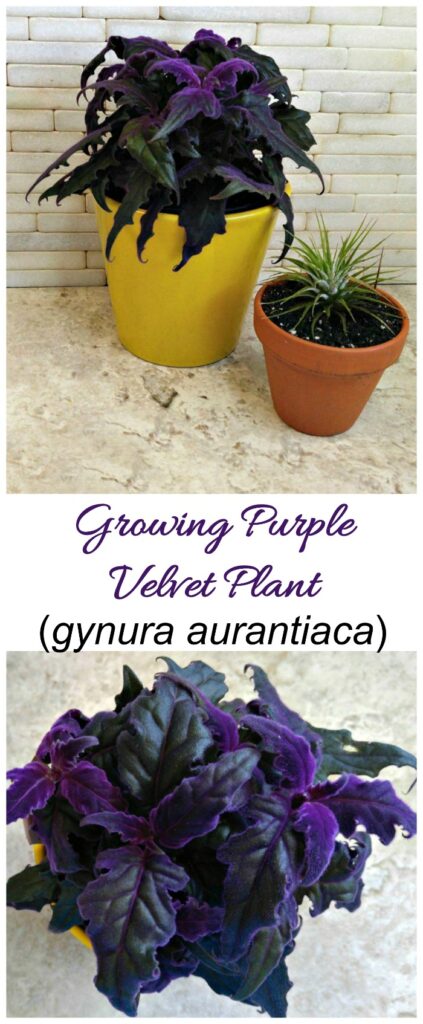
Gynura aurantiaca, commonly known as Purple Passion Plant or Velvet Plant, presents a completely different growing experience. This tropical perennial is native to Southeast Asia and is primarily grown as a houseplant for its extraordinary foliage. The leaves appear almost artificial with their rich green color overlaid with velvety purple hairs that create an iridescent purple sheen in the right light. For more on how to care for similar plants, you might find these fern care tips helpful.
Unlike its vine namesake, this Purple Passion grows as a bushy, semi-trailing plant, reaching only 1-2 feet in height with stems that can stretch to 3 feet when allowed to cascade. While primarily grown for foliage, it occasionally produces small orange flowers that some gardeners find malodorous and often remove. The plant’s unusual texture and vibrant color make it a standout specimen in any indoor plant collection.
“Purple Passion Plant (Gynura Aurantiaca …” from thegardeningcook.com and used with no modifications.
Common Names and Identification Features
Gynura aurantiaca goes by several common names including Purple Velvet Plant, Royal Velvet Plant, and Purple Passion Plant. The defining characteristic is its velvety leaves covered in tiny purple hairs that give the entire plant a purple sheen or glow, especially when backlit. The leaves are ovate with serrated edges and can grow up to 6 inches long.
The stems tend to become leggy over time, with lower leaves often dropping to reveal bare stems. When flowering, it produces clusters of small orange or yellow daisy-like blooms that have a distinctive, somewhat unpleasant odor. The entire plant has a soft, touchable texture that adds tactile interest to houseplant collections.
Advantages of This Striking Indoor Plant
The Purple Passion Plant offers several advantages for indoor gardeners. Its unique purple velvet texture creates immediate visual interest and serves as a stunning contrast to typical green houseplants. The plant is relatively easy to propagate from stem cuttings, making it simple to replace aging plants or share with friends.
As a houseplant, it remains a manageable size, fitting well on shelves, in hanging baskets, or as a tabletop accent. It adapts reasonably well to average indoor conditions and doesn’t require specialized care beyond basic houseplant needs. For those seeking unusual foliage colors beyond standard greens, Gynura provides a splash of royal purple without requiring expert-level care.
Challenges When Growing Purple Passion Plant
Despite its appeal, Gynura presents several challenges for indoor gardeners. The plant tends to become leggy and sparse rather quickly, often requiring regular pruning and replacement every 2-3 years to maintain an attractive appearance. The small orange flowers emit an unpleasant odor that many gardeners describe as reminiscent of cat urine, prompting most to remove the buds before they open. For those looking for safe garden ideas that avoid such issues, exploring other plant options might be beneficial.
The purple hairs can fade to green in insufficient light, diminishing the plant’s primary ornamental quality. Additionally, the fuzzy texture tends to collect dust readily, requiring gentle cleaning to maintain its vibrant appearance. The plant can also be somewhat finicky about humidity levels, often struggling in very dry indoor environments.
Safe for Furry Friends: ASPCA Non-Toxic Status
Good news for pet owners: both Passiflora incarnata and Gynura aurantiaca appear on the ASPCA’s list of non-toxic plants for cats, dogs, and horses. This safety profile makes either Purple Passion variety an excellent choice for households with curious pets who might occasionally nibble on houseplants or garden specimens.
While considered non-toxic, it’s still best to discourage pets from consuming large quantities of any plant material. Some animals may experience mild digestive upset from ingesting unfamiliar plant matter, even if it’s not technically toxic. The Passiflora’s fruits, while edible for humans when ripe, should be introduced cautiously if sharing with pets.
“Benefits of Passionflower for Dogs …” from www.thepetgourmet.com and used with no modifications.
What Non-Toxic Really Means for Pet Owners
While “non-toxic” is reassuring for pet owners, it’s important to understand what this designation actually means. According to the ASPCA, non-toxic plants aren’t expected to cause serious illness or death if ingested, but they may still cause minor irritation or gastrointestinal upset. Some pets might experience temporary drooling, mild stomach discomfort, or changes in bathroom habits after sampling your Purple Passion plants.
If you notice your pet showing interest in either variety, consider placing the plants in less accessible locations or creating gentle deterrents. For Gynura houseplants, elevated shelves or hanging baskets can keep them out of reach. For outdoor Passiflora vines, training them on higher structures or using pet-safe repellents around the base may discourage sampling. Always monitor new plants in your home for the first few weeks to observe how your pets interact with them.
Simple Care Tips for Thriving Purple Passion Plants
Regardless of which Purple Passion variety you’re growing, understanding its specific needs is crucial for success. Each plant has distinct requirements for water, light, soil, and general maintenance that must be met for optimal growth and appearance. With the right care routine, these purple beauties can become standout features in your garden or home.
Water Requirements: Finding the Perfect Balance
For Passiflora incarnata, watering needs vary by season and establishment stage. Young vines require consistent moisture until established, with deep watering 2-3 times weekly. Once established, this native vine becomes surprisingly drought-tolerant, needing supplemental water only during extended dry periods. Overwatering established vines can lead to root rot and reduced flowering, so it’s best to wait until the soil feels dry about an inch below the surface.
Gynura aurantiaca requires a different approach. Allow the top inch of soil to dry between waterings, but never let it dry out completely. Typically, this translates to watering once every 7-10 days in average indoor conditions. Reduce watering in winter when growth slows. Yellowing leaves often indicate overwatering, while brown, crispy edges suggest the plant is too dry. Using room temperature water prevents shock to the root system.
Light Preferences: Sun vs. Shade Placement
Passiflora incarnata thrives in full sun locations, requiring at least 6-8 hours of direct sunlight daily for abundant flowering and fruit production. In extremely hot climates (zones 8-9), afternoon shade can prevent leaf scorch during the hottest summer months. Poor flowering is almost always related to insufficient light exposure, so sunny southern or western exposures typically yield the best results.
Gynura aurantiaca presents a striking contrast in light requirements. This houseplant performs best in bright, indirect light rather than full sun. An east-facing window provides ideal morning light, while north-facing locations may be too dim to maintain vibrant purple coloration. Direct southern or western exposure can scorch the delicate leaves. If your plant begins losing its purple hue, gradually increase light exposure while protecting it from harsh direct sun.
Soil and Fertilizer Needs
Passiflora incarnata isn’t particularly fussy about soil but performs best in well-draining, moderately fertile ground. A soil pH between 6.1 and 7.5 promotes optimal growth. While the vine can tolerate poor soils, amending with compost before planting helps establish stronger root systems. Fertilize established vines sparingly in early spring with a balanced organic fertilizer or compost tea, as excessive feeding can promote foliage at the expense of flowers.
Gynura aurantiaca requires light, well-draining potting mix enriched with peat or coco coir to retain some moisture while preventing sogginess. Standard houseplant potting soil mixed with extra perlite creates an ideal growing medium. Feed monthly during the growing season (spring through early fall) with a balanced liquid fertilizer diluted to half strength. Discontinue fertilization in winter when growth naturally slows.
Humidity and Temperature Considerations
Passiflora incarnata handles a wide range of humidity levels but prefers moderate to high humidity when establishing. Once mature, the vine adapts readily to natural outdoor conditions in its growing zones. Temperature-wise, this North American native withstands summer heat admirably and, in zones 6-9, can survive winter temperatures with proper protection. The vine dies back to the ground in colder regions but typically reemerges in spring.
Gynura aurantiaca requires attention to humidity levels indoors, preferring 50-60% humidity for optimal growth and color. Standard indoor environments often fall below this range, especially in winter with heating systems running. Regular misting, pebble trays filled with water, or room humidifiers help maintain appropriate moisture levels. Keep temperatures between 65-75°F (18-24°C) year-round, avoiding cold drafts and sudden temperature fluctuations that can cause leaf drop.
Perennial or Annual? Understanding Growth Patterns
Passiflora incarnata is technically a perennial vine in USDA hardiness zones 6-9, returning year after year from its root system. In zone 6, it may die back completely during winter but reliably resurfaces in late spring once soil temperatures warm. The vine’s perennial nature contributes to its potentially invasive behavior in warmer climates, where established root systems continuously produce new growth.
Gynura aurantiaca is a tropical perennial that can theoretically live for many years but is often treated as a temporary houseplant due to its tendency to become leggy and less attractive over time. Most indoor gardeners replace their Purple Passion Plants every 2-3 years or rejuvenate them through aggressive pruning and propagation. In frost-free outdoor settings (zones 10-11), it can function as a perennial ground cover or hanging basket specimen.
USDA Hardiness Zones and Winter Protection
Passiflora incarnata demonstrates impressive cold hardiness for a flowering vine, reliably surviving winter in USDA zones 6-9. In zone 6, protect the root zone with a thick layer of mulch (4-6 inches) applied after the first frost. The vine will die back to the ground but regrow from the roots when spring arrives. In zones 7-9, the vine may retain some above-ground structure during mild winters, though some die-back is still normal.
For gardeners in zones 5 and colder wanting to grow this vine, consider treating it as an annual or providing exceptional winter protection through heavy mulching and covering. Some cold-climate gardeners have success growing Passiflora in sheltered microclimates against south-facing walls that radiate stored heat during winter nights. For more tips on pet-safe gardening, explore other plant care guides.
Growing as a Houseplant in Colder Climates
While Passiflora incarnata isn’t commonly grown indoors due to its vigorous growth habit, determined gardeners in cold climates can attempt container culture. Choose a large container with excellent drainage and provide a sturdy trellis for support. Place in your brightest window or under grow lights for at least 8 hours daily. Be prepared for seasonal dormancy with leaf drop during winter months, even indoors.
Gynura aurantiaca is perfectly suited to indoor culture and makes an excellent houseplant in any climate zone. It performs beautifully in hanging baskets where its trailing stems can cascade downward, or on plant stands where its vibrant purple foliage creates a striking display. Regular rotation ensures even growth, as stems naturally reach toward light sources. If growing Gynura outdoors in cold climates, treat it as an annual or bring containers indoors before temperatures drop below 50°F (10°C). For more detailed care tips, check out this Purple Passion Plant guide.
Taming the Beast: Training Methods for Passion Vines
The vigorous growth habit of Passiflora incarnata requires thoughtful training to prevent garden chaos. Begin training young vines immediately after planting, gently securing flexible stems to support structures using soft plant ties or garden twine. Direct growth along desired paths before the vine decides for itself, as redirecting established growth becomes increasingly difficult.
For Gynura aurantiaca, training focuses more on encouraging fullness and preventing legginess. Pinch growing tips regularly to promote branching, especially in young plants. For hanging specimens, rotate the container weekly to ensure even growth on all sides and prevent the plant from becoming one-sided. Both plants benefit from thoughtful training early in their growth cycles when stems remain pliable and responsive.
Essential Support Structures for Climbing
Passiflora incarnata requires substantial support structures to accommodate its impressive climbing ability and eventual weight. Trellises, arbors, sturdy fences, or dedicated post-and-wire systems all work well, provided they’re firmly anchored and tall enough to contain the vine’s potential 15-20 foot spread. Avoid flimsy supports that may collapse mid-season under the vine’s weight, especially after rainfall.
The support material matters less than structural integrity—wood, metal, or heavy-duty plastic all function well. Allow approximately 6-12 inches between the support structure and any walls to promote air circulation and simplify maintenance access. For decorative impact, consider arching supports or obelisk-style trellises that showcase the dramatic flowers at eye level.
Pruning Techniques for Shape and Size Control
For Passiflora incarnata, timing is crucial when pruning. Perform major pruning in late winter or early spring before new growth emerges. Remove dead, damaged, or crossing branches first, then selectively thin overcrowded areas to improve air circulation. To control size, cut back up to one-third of the vine’s total length, making cuts just above leaf nodes to encourage branching.
For Gynura aurantiaca, regular pinching and pruning maintains attractive form and prevents the legginess that often develops with age. Pinch stem tips when plants are young to encourage bushy growth. As the plant matures, remove leggy stems by cutting just above a leaf node, which stimulates new growth from that point. Don’t hesitate to prune aggressively—these plants respond well to rejuvenation pruning and quickly produce new growth from remaining stems.
5 Steps to Prevent Invasive Spread
Managing Passiflora incarnata’s invasive potential requires a proactive approach combining multiple strategies. First, install deep root barriers extending 18-24 inches into the soil around the planting area. Second, remove seedpods before they mature and split open, preventing self-seeding. Third, promptly remove any unwanted sucker growth that emerges away from the main plant. Fourth, apply organic mulch in a thick layer to suppress seedlings while maintaining a clear identification of where proper growth should occur. Finally, consider growing in large containers that naturally limit root spread while still allowing the vine to climb adjacent structures.
Containing Root Systems Effectively
For garden-planted Passiflora incarnata, physical barriers provide the most reliable containment. Bury commercial root barriers or repurposed materials like metal flashing or heavy plastic at least 18 inches deep, forming a complete circle around the planting area. Leave the barrier extending 1-2 inches above soil level to prevent roots from growing over the top.
Container growing offers another effective containment strategy. Choose containers at least 18-24 inches in diameter with excellent drainage. Elevate containers on pot feet or bricks to prevent roots from escaping through drainage holes into surrounding soil. Even with these precautions, inspect the area regularly for escapees, as Passiflora has been known to find creative ways to expand its territory.
Make Your Purple Passion Thrive Year After Year
Whether you’re growing the climbing Passiflora incarnata or the velvety Gynura aurantiaca, success comes from understanding their specific needs and natural growth habits. Both plants reward proper care with stunning purple displays that bring unique texture and color to gardens and homes. Regular monitoring, timely intervention for potential issues, and seasonal maintenance routines ensure these purple beauties remain healthy and vibrant across growing seasons. With the right approach, your Purple Passion plants can become long-term features in your plant collection, offering their distinctive purple charm for years to come.
Frequently Asked Questions
Both Purple Passion varieties generate numerous questions from gardeners discovering these plants for the first time. For more detailed care instructions, check out this comprehensive guide to help you grow these purple beauties successfully.
Purple Passion Quick Reference Guide
Passiflora incarnata (Vine): Full sun, moderate water, USDA zones 6-9, requires support, butterfly host plant
Gynura aurantiaca (Houseplant): Bright indirect light, consistent moisture, houseplant zones 10-11 outdoors, velvety purple foliage
Both Plants: Non-toxic to pets per ASPCA, propagate easily from cuttings, benefit from regular pruning
Understanding these fundamental differences helps gardeners provide appropriate care for whichever Purple Passion plant they’ve chosen to grow. The vastly different growth habits and requirements underscore why proper identification is the crucial first step to success with these distinctive purple plants.
How fast does the Purple Passion Vine grow?
Passiflora incarnata grows remarkably quickly under favorable conditions, with growth rates of 6-8 feet in a single growing season not uncommon. Once established, this vigorous vine can add 1-2 feet of new growth monthly during peak summer growing periods. This rapid growth rate contributes to its effectiveness as a privacy screen but also explains why regular maintenance is necessary to keep it controlled.
Gynura aurantiaca grows at a moderate pace indoors, typically adding 6-12 inches of stem length annually depending on light conditions and care. Young plants establish quickly, often filling out their growing space within 3-6 months after potting. Growth slows considerably in winter or under lower light conditions, then accelerates again when spring arrives or lighting improves. For more detailed care tips, you can visit this Purple Passion Plant guide.
Will Purple Passion Vine attract butterflies to my garden?
Passiflora incarnata serves as an important host plant for several butterfly species, particularly the Gulf Fritillary (Agraulis vanillae) and Zebra Longwing (Heliconius charithonia), which lay their eggs exclusively on passion vine species. These butterflies rely on Passiflora not just for nectar but as essential larval food plants, making this vine a valuable addition to butterfly gardens. You’ll likely notice distinctive orange Gulf Fritillary butterflies visiting shortly after establishing your vine.
While caterpillars may cause some temporary leaf damage, this relationship represents a natural and beneficial ecological interaction. Gardeners who grow Passiflora specifically for butterfly habitat should expect some foliage consumption as part of supporting the complete butterfly lifecycle. The stunning butterflies that result more than compensate for any cosmetic damage to the vine.
Can I grow Purple Passion Vine in containers?
Passiflora incarnata adapts well to container culture, making it accessible even to gardeners with limited space or those in colder climates who need to overwinter plants indoors. Choose containers at least 18-24 inches in diameter with excellent drainage. Use a quality potting mix amended with additional perlite or pumice to ensure proper drainage, as these vines dislike consistently wet roots.
Gynura aurantiaca is primarily grown as a container plant and performs beautifully in pots, hanging baskets, or wall planters. Select containers with drainage holes and use standard houseplant potting mix. Both plants benefit from containers that allow their unique features to shine—hanging baskets for Gynura’s trailing habit and decorative upright containers with attached trellises for Passiflora’s climbing nature.
When does Purple Passion Vine bloom?
Passiflora incarnata typically begins flowering in early summer (June in most regions) and continues producing blooms through early fall. Individual flowers last only about one day, but the vine produces new buds continuously during the blooming season. In warmer climates with longer growing seasons, flowering may extend from May through October. Plants generally require one full growing season to establish before flowering abundantly. For more on plant care and placement, check out this guide on sun vs. shade considerations.
Gynura aurantiaca may occasionally produce small orange daisy-like flowers, typically after the plant has matured and during periods of bright light. However, these flowers are not particularly ornamental and emit an unpleasant odor that many gardeners find objectionable. Most growers pinch off flower buds as they appear to maintain focus on the plant’s attractive foliage and avoid the disagreeable scent. For tips on reviving indoor plants, you can explore similar care guides.
Are the fruits of Purple Passion Vine edible?
Passiflora incarnata produces edible fruits commonly called maypops, which resemble small yellowish-green egg-shaped pods about 2-3 inches long. These fruits are indeed edible when fully ripe (turning yellowish and slightly soft), with a taste often described as tropical with hints of guava or pineapple. The interior contains numerous black seeds surrounded by a gelatinous pulp that can be eaten fresh, added to smoothies, or used in jams and jellies.
While safe to consume, the fruits have a relatively short window of perfect ripeness and limited shelf life once harvested. Wait until they detach easily from the vine with gentle pressure, indicating full ripeness. Gynura aurantiaca, on the other hand, does not produce edible fruits—its appeal lies entirely in its ornamental purple foliage rather than any culinary applications.
For gardeners interested in exploring the unique flavor profile of passion fruit, Passiflora incarnata offers both ornamental beauty and edible harvests, though the fruits are smaller and less intensely flavored than commercial passion fruit varieties. Their production adds yet another dimension to the rewards of growing this fascinating native vine.
Ready to add stunning purple interest to your garden or home? Whether you choose the flowering Passiflora incarnata for outdoor spaces or the velvety Gynura aurantiaca for indoor plant collections, EasyPlant offers expert guidance to help your Purple Passion plants thrive year after year.