
Key Takeaways
- Red maple trees (Acer rubrum) are generally safe around dogs and cats, making them excellent choices for pet-friendly landscapes, though toxic to horses and livestock.
- These versatile trees grow rapidly (1-2 feet per year) and adapt to various soil conditions, reaching 40-70 feet tall with a 30-50 foot spread at maturity.
- While red maples can produce syrup, their sap contains only about half the sugar content of sugar maples, yielding a different but still delicious flavor profile.
- Fall foliage displays of brilliant scarlet, orange, and yellow make red maples standout ornamental choices that also provide wildlife habitat and environmental benefits.
- Planting red maples at least 20 feet from structures helps prevent foundation issues while still allowing pets to safely enjoy the shade they provide.
The Stunning Red Maple: Nature’s Pet-Safe Showstopper
The red maple transforms ordinary landscapes into seasonal masterpieces. With Garden Centers of America reporting it as one of the most requested native trees, this adaptable beauty offers pet owners a safe way to enhance their outdoor spaces without compromising their furry friends’ safety. The tree’s brilliant display of red flowers in spring, green summer foliage, and fiery autumn colors creates a dynamic backdrop for any pet-friendly garden.
Red Maple Identity: Names and How to Spot One
Before bringing home this botanical wonder, understanding its identity ensures you’re getting the right tree for your landscape needs and pet safety considerations.
“Tree of the Month: Red Maple …” from www.nashvilletreeconservationcorps.org and used with no modifications.
Common Names That Reveal Its Character
The red maple (Acer rubrum) goes by several evocative names that hint at its distinctive qualities. Often called scarlet maple or swamp maple, these monikers reference both its vibrant fall color and natural habitat preferences. Some regions know it as water maple due to its tolerance for wet conditions, while others call it soft maple because of its relatively softer wood compared to sugar maples. Each name provides insight into what makes this tree special and adaptable to various garden settings where pets roam freely.
5 Key Features to Identify a Red Maple
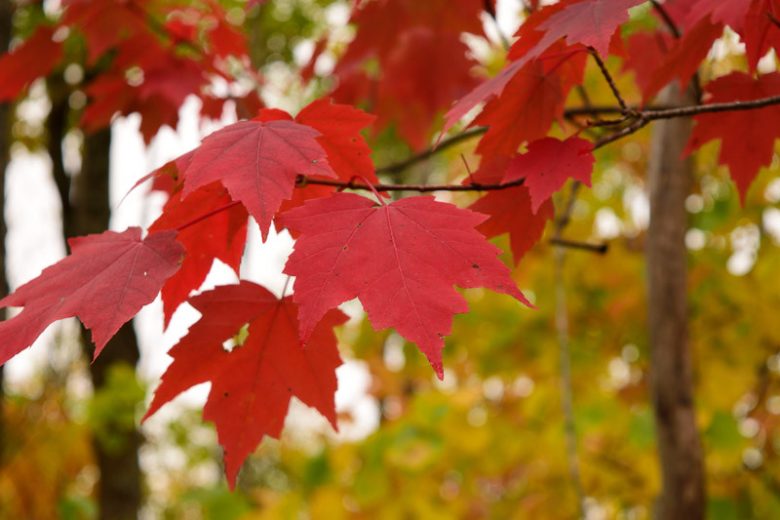
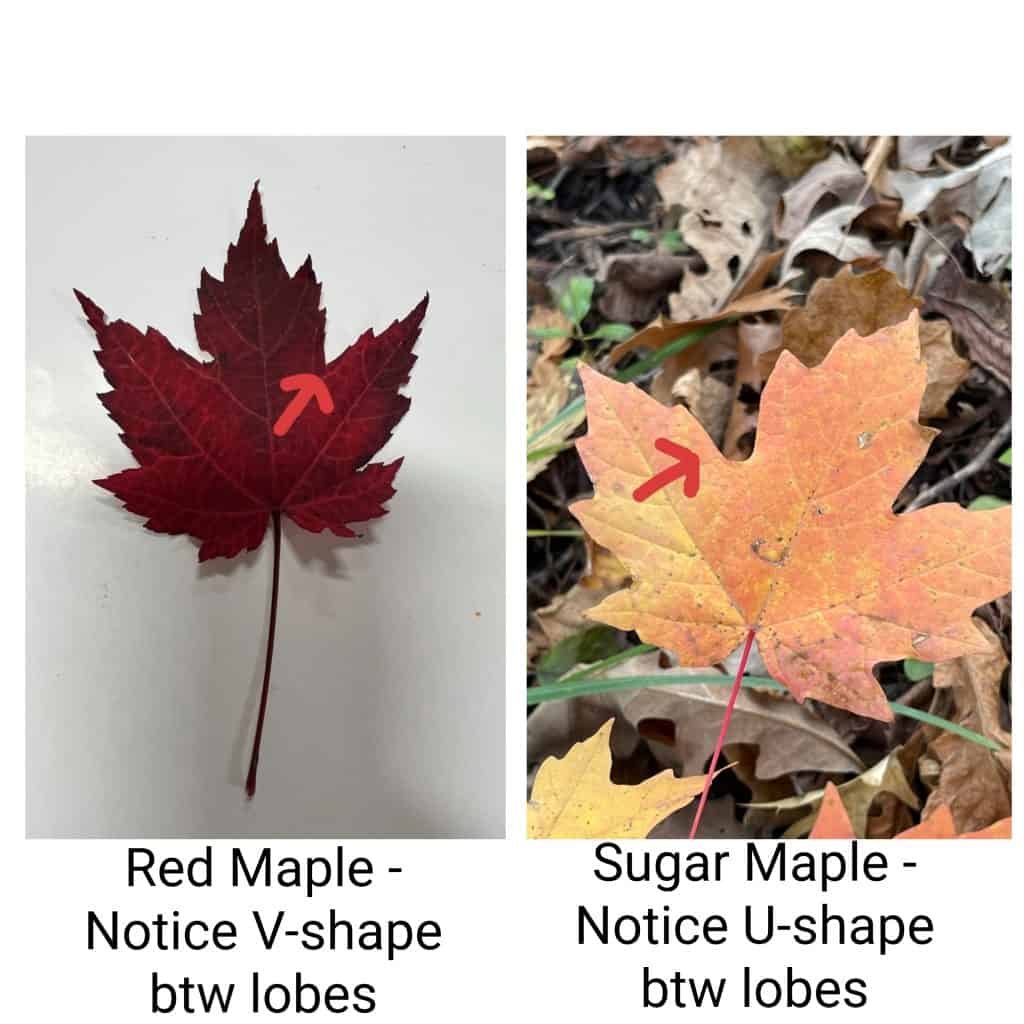
Distinguishing red maples from other maple species ensures you’re planting the right tree in your pet-friendly yard. Look for oppositely arranged, 3-5 lobed leaves with serrated edges and shallow notches between lobes – notably less deep than sugar maple notches. The leaf undersides have a subtle silvery hue, especially noticeable when breeze lifts them. Red maple bark starts smooth and gray when young, developing distinctive scaly, darker plates with age. Perhaps most distinctive are the small red flowers appearing in early spring before leaves emerge, followed by paired samaras (winged seeds) that hang in clusters and mature to reddish-brown. Year-round, look for red elements – whether in twigs, leaf stems, flowers, or autumn foliage – as the signature calling card of this species.
Seasonal Changes That Make Identification Easier
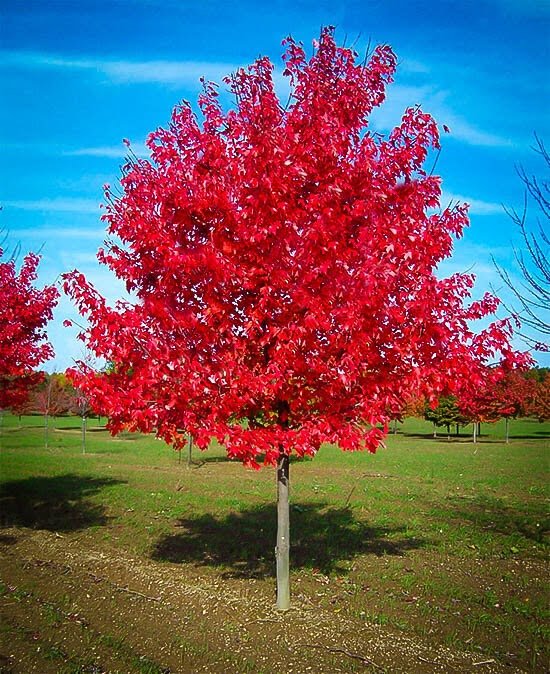
Red maples reveal their identity through dramatic seasonal transformations that make them easier to recognize throughout the year. In early spring, clusters of tiny red flowers appear, creating a crimson haze throughout the canopy before leaves unfurl. Summer brings medium-green foliage with distinctive shapes and that telltale silvery underside. Fall showcases the tree’s namesake colors – usually brilliant scarlet, though sometimes orange or yellow depending on soil chemistry and weather conditions. Even winter offers identification clues through the tree’s distinctive silhouette, with a rounded to oval crown and those characteristic red twigs and buds standing out against gray skies. These seasonal markers help ensure you’re planting a genuine red maple in your pet-safe garden space.
Size Specifications and Growth Timeline
Understanding the ultimate size and growth pattern of red maples helps ensure proper placement in your landscape, keeping both your garden design and pet safety in mind.
“Red Maple Trees For Sale | Acer Rubrum …” from www.tnnursery.net and used with no modifications.
Mature Height and Spread Expectations
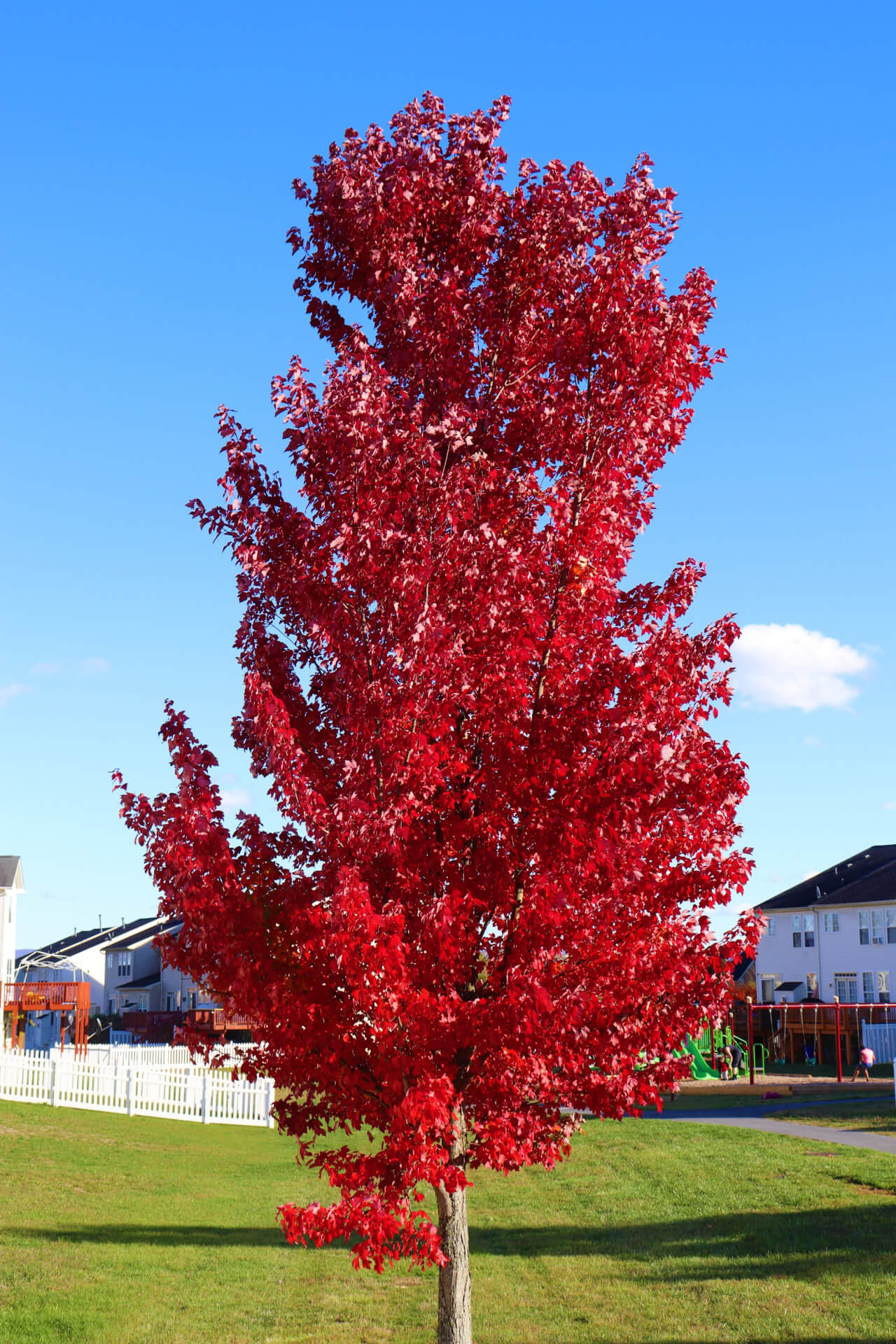
A fully mature red maple commands attention in the landscape, typically reaching 40-70 feet in height with a spread of 30-50 feet. This impressive canopy develops into a rounded or oval shape, creating significant shade areas beneath. In urban settings or less ideal conditions, trees may remain somewhat smaller, while those in optimal environments with plenty of moisture can reach the upper end of this range. The substantial mature size means thoughtful placement is essential, particularly in pet-friendly yards where you’ll want to balance shade benefits with adequate open space for play and exercise. For more detailed information on this versatile tree, check out this guide to identifying and growing red maple.
How Fast Red Maples Grow Compared to Other Trees
Red maples earn their reputation as relatively fast-growing shade trees, typically adding 12-24 inches of height annually during their first decade. This growth rate significantly outpaces sugar maples, which generally add only 10-12 inches yearly, making red maples more satisfying for homeowners seeking quicker landscape results. Though slightly slower than the exceptionally fast-growing silver maple (which can add 24-36 inches annually), red maples offer superior structural strength and longevity, making them a wiser long-term investment.
Growth rates depend heavily on site conditions, with trees in moist, slightly acidic soils in full sun positions growing fastest. Young trees establish their root systems during the first two years after planting, often showing modest above-ground growth before accelerating dramatically in years 3-10. For pet owners, this relatively quick development means shade areas form faster, creating comfortable outdoor spaces for both humans and animals.
- Year 1-2: Focusing on root establishment with minimal visible growth
- Years 3-5: Accelerated growth of 1-2 feet annually begins
- Years 6-10: Continued strong vertical growth with canopy widening
- Years 10-20: Growth rate moderates as tree approaches middle maturity
- Years 20+: Growth slows further as tree reaches mature dimensions
From Seed to Shade: Year-by-Year Development
The journey from seed to shade-giving giant follows a predictable timeline that helps gardeners understand what to expect from their red maple investment. Seedlings emerge with their characteristic opposite, simple leaves, reaching just 6-12 inches in their first season. By years 2-3, young saplings typically stand 4-8 feet tall with a slender, straight trunk and developing branch structure. The middle years (5-15) bring rapid vertical growth and canopy expansion, with trees often reaching 15-25 feet tall with increasingly substantial shade coverage.
Around year 20, red maples begin flowering and producing viable seeds, having developed their characteristic form and substantial presence. Trees continue expanding both upward and outward through middle age (20-40 years), gradually reaching their mature dimensions while developing more textured bark and denser branching patterns. For pet owners tracking this development, the progression means increasingly comfortable shaded areas for outdoor enjoyment with furry companions, with meaningful shade typically developing within the first decade.
Red Maple Benefits for Your Landscape
Red maples offer a perfect balance of beauty and practicality for pet owners seeking to enhance their outdoor spaces. Their versatility makes them suitable for various landscape designs while providing valuable benefits that extend beyond mere aesthetics.
Visual Appeal Through All Four Seasons
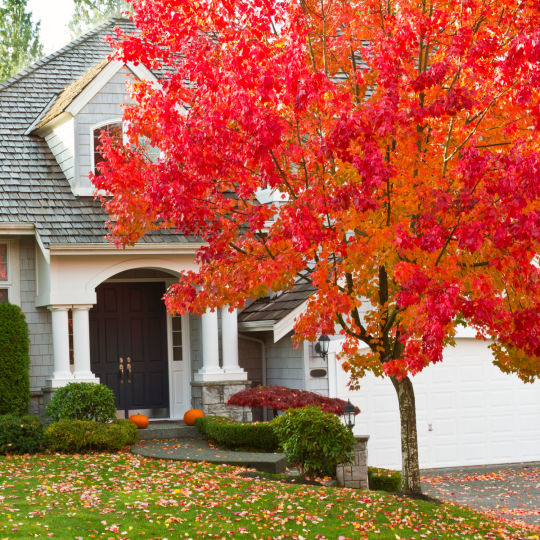
Unlike many deciduous trees that shine only briefly, red maples deliver visual interest throughout the entire year. Spring begins with a spectacular display of tiny red flowers clustering along branches before leaves emerge, creating a subtle but distinctive crimson haze in the landscape. Summer brings lush green foliage that provides cooling shade for pets and people alike, with leaf undersides flashing silver when breezes stir. Autumn transforms the tree into a breathtaking focal point as leaves shift to brilliant shades of scarlet, orange, and occasionally yellow, depending on soil chemistry and weather conditions. Even winter reveals beauty in the tree’s graceful silhouette, reddish twigs, and interesting bark patterns that add texture to the dormant garden where pets still play year-round.
“Pet Ashes Tree, Maple Tree Urn for Pets …” from www.thelivingurn.com and used with no modifications.
Environmental Benefits You’ll Love
Red maples contribute significantly to environmental health while creating more comfortable outdoor spaces for the entire family, including pets. Their dense canopies provide essential cooling shade that can reduce home energy costs by up to 20% when strategically placed, according to the U.S. Forest Service. These magnificent trees also improve air quality by filtering pollutants and producing oxygen, with a mature specimen processing approximately 260 pounds of carbon dioxide annually while releasing enough oxygen for two people. During heavy rainfall, their extensive root systems help manage stormwater runoff, reducing erosion and flooding potential in areas where pets might otherwise track mud into the house. For environmentally conscious pet owners, red maples represent a sustainable choice that benefits both the immediate property and the broader ecosystem.
Wildlife Value and Ecological Importance
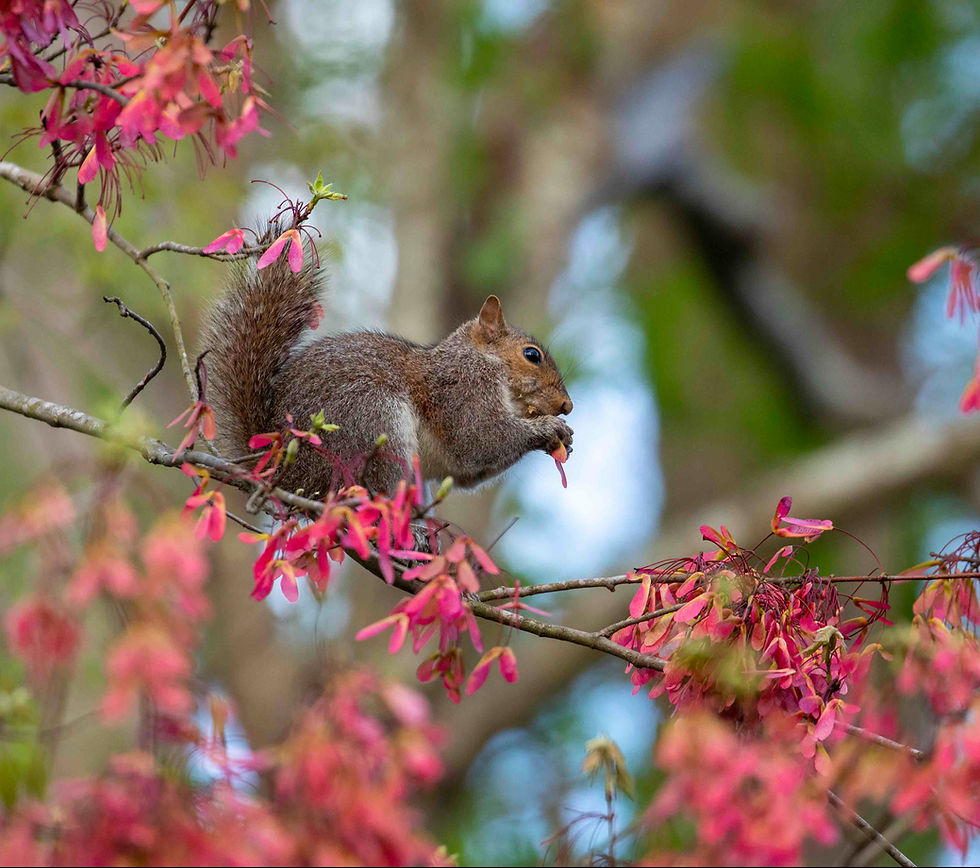
Red maples create vibrant backyard ecosystems that fascinate pets and humans alike. Their early spring flowers provide essential nectar for bees and other pollinators when few other sources are available, supporting biodiversity right in your yard. The seeds (samaras) offer food for squirrels, chipmunks, and various bird species, creating entertaining wildlife-watching opportunities for indoor cats. As trees mature, they develop cavities that provide nesting sites for birds and small mammals, further enriching the backyard habitat. The leaf litter decomposing beneath creates microhabitats for beneficial insects and soil organisms that maintain garden health naturally. This ecological value transforms a simple shade tree into a cornerstone of backyard biodiversity, creating a more enriched environment for the entire family to enjoy alongside their pets.
Potential Drawbacks to Consider
While red maples offer numerous benefits, responsible pet owners should weigh potential challenges before planting. Understanding these considerations helps create harmonious landscapes that work for both plants and animals.
Root System Challenges
Red maple root systems require thoughtful planning, particularly in smaller yards where pets roam. Unlike some trees that develop deep taproots, red maples produce shallow, spreading root networks that can extend two to three times the canopy width. These surface roots occasionally become exposed as the tree matures, potentially creating tripping hazards for older pets or obstacles for lawn maintenance equipment. In confined spaces, these vigorous roots may compete with nearby plants for moisture and nutrients, affecting adjacent garden beds or lawns. Most concerning for infrastructure, roots may seek out water sources, potentially infiltrating aging sewer lines with small cracks or penetrating beneath pavement to cause lifting or cracking. Mindful placement at least 20 feet from utilities, structures, and hardscaping helps minimize these issues while still allowing pets to enjoy the tree’s benefits safely.
Leaf and Debris Management
The autumn brilliance of red maples comes with a seasonal cleanup commitment that pet owners should consider. Fall brings a substantial leaf drop that requires regular raking or blowing to maintain yard aesthetics and lawn health, creating additional maintenance during an already busy season. Beyond leaves, red maples shed small flowers in spring, followed by abundant helicopter-like samaras that can carpet lawns and garden beds, potentially requiring additional cleanup before they sprout unwanted seedlings. Some pets may be attracted to these fallen materials for play or chewing, which while generally harmless, could create indoor messes if tracked inside. Establishing a seasonal maintenance routine helps manage these natural processes while maintaining both landscape beauty and pet-friendly functionality throughout the year.
Disease and Pest Vulnerabilities
While generally robust, red maples can face several health challenges that pet owners should monitor. Verticillium wilt, a soil-borne fungal disease, occasionally affects these trees, causing branch dieback and potential decline that might necessitate removal if severe. Leaf spots and tar spot fungus, while primarily aesthetic concerns, can cause premature leaf drop that increases cleanup needs. Common insect pests include aphids that produce sticky honeydew droppings potentially bothersome to pets beneath trees, and occasional infestations of leafhoppers, borers, or scale insects.
Maintaining tree health through proper watering, mulching, and avoiding trunk damage (including from pet activities like tying leashes to trees) provides the best defense against these vulnerabilities. Regular monitoring allows for early intervention should problems arise, helping ensure your red maple remains both beautiful and safe in your pet-friendly landscape for decades to come. Most treatments for common issues pose minimal risks to pets when properly applied, though temporary yard restrictions may be necessary following certain applications.
Red Maple Safety for Pets
Pet safety remains a top priority for responsible gardeners when selecting landscape plants. Understanding how red maples interact with different animal species helps create both beautiful and safe outdoor environments for all family members.
“Maple, Red, Acer rubrum | Leaves for …” from www.leavesforwildlife.com and used with no modifications.
Are Red Maples Safe for Dogs?
Good news for dog owners: red maples pose minimal risk to canine companions. Unlike some landscape plants that contain toxic compounds dangerous to dogs, red maple leaves, bark, and seeds aren’t specifically toxic to canines. The ASPCA does not list red maples among plants poisonous to dogs, making them excellent choices for landscapes where dogs play and explore. Most dogs show little interest in chewing maple materials, though some puppies in teething phases might temporarily investigate fallen twigs or leaves. For more ideas on creating a safe garden for your pets, consider plants that are both attractive and non-toxic.
As with any plant material, excessive consumption could potentially cause mild digestive upset simply due to the fibrous nature of plant matter rather than toxicity. This rarely occurs naturally but represents good reason to discourage persistent chewing behaviors through training and providing appropriate chew toys. The greatest maple-related consideration for dogs involves monitoring for skin irritation in sensitive individuals from direct contact with fallen leaves decomposing in wet conditions, which occasionally harbor molds that cause minor irritation to paw pads or bellies of dogs with sensitivity.
Cat Safety Around Red Maples
Cat owners can confidently include red maples in their landscape plans as these trees present negligible toxicity concerns for feline friends. Cats typically show little interest in maple tree parts, focusing their occasional plant-chewing behaviors on grasses and smaller plants rather than tree materials. The ASPCA does not include red maples on their toxic plants list for cats, distinguishing them from truly dangerous plants like lilies that should never be present in cat-accessible areas. Indoor/outdoor cats often enjoy the climbing opportunities mature maples present, with their strong branch structure supporting exploration while providing shaded resting spots during warm weather.
Critical Warning for Horse Owners
While safe for common household pets, red maples present a serious health threat to horses and should never be planted in or near equine pastures or paddocks. Wilted and dried red maple leaves contain a toxin that damages horses’ red blood cells when ingested, potentially causing a life-threatening condition called hemolytic anemia. As little as 1.5 pounds of wilted leaves can prove fatal to an average-sized horse, with symptoms including lethargy, difficulty breathing, dark urine, and jaundice appearing within 1-2 days of consumption. This toxicity primarily affects wilted or dried leaves, especially those damaged by frost, drought, or storm breakage rather than fresh green foliage. Property owners with both horses and residential landscapes should maintain significant separation between equine areas and any red maple plantings, with careful management of leaf debris during autumn and after storms to prevent accidental exposure.
Perfect Placement in Your Pet-Friendly Garden
Strategic placement ensures your red maple thrives while keeping your pet-friendly spaces functional and safe. Thoughtful positioning maximizes benefits while minimizing potential issues for years to come. For more tips on maintaining a safe garden for your pets, check out our guide on pet safety with plant placement.
Ideal Soil Conditions and Sun Exposure
Red maples show remarkable adaptability but perform best under specific conditions that optimize growth and health. These versatile trees prefer slightly acidic to neutral soil (pH 5.5-6.5) with good moisture retention, thriving in locations that remain consistently moist without becoming waterlogged. While they famously tolerate wet conditions better than most maples, they also demonstrate surprising drought resistance once established, making them suitable for various yard conditions where pets play. For optimal fall color development, plant your red maple where it receives at least 4-6 hours of direct sunlight daily, preferably with morning exposure and some afternoon shade in hotter regions.
In pet-centric yards, consider how soil conditions might affect both tree health and pet activities. Areas that collect excessive moisture might become muddy play zones that track into the house, while overly dry spots may struggle to support vigorous tree growth. The sweet spot combines good drainage with moisture retention, often achieved by incorporating organic matter into native soil at planting time and maintaining proper mulching practices that also prevent pets from digging around the root zone. For safe garden ideas that accommodate both pets and plants, explore various landscaping options that balance aesthetics with functionality.
Safe Distance from Structures and Utilities
Respect the mature size of red maples when determining placement to avoid future conflicts with your home and utilities. Plant at least 20 feet from foundations, septic systems, and underground utilities to prevent root interference as the tree matures. Overhead clearance matters too—position your maple at least 15 feet from power lines to avoid future pruning challenges. For driveways and walkways, maintain a minimum 8-10 foot buffer to minimize potential pavement lifting from expanding surface roots. These spacing guidelines ensure your red maple becomes an asset rather than a problem while creating safe zones where pets can enjoy shade without impacting the tree’s critical root zone.
Companion Plants That Work Well with Red Maples
Creating harmonious plant communities around your red maple enhances both aesthetics and functionality in pet-friendly spaces. For spring interest, consider planting native woodland ephemerals like Virginia bluebells or trillium that complete their lifecycle before dense maple shade develops, adding seasonal beauty without competing for resources. Summer-blooming shade-tolerant perennials like astilbe, hosta, and ferns thrive beneath maples while being generally pet-safe (avoid foxglove and lily varieties around cats). Native shrubs including viburnums and serviceberry complement red maples beautifully while providing additional wildlife value and structural diversity.
When selecting companion plants, prioritize pet-safe options that withstand occasional trampling or territorial marking. Many native groundcovers offer excellent soil protection under maples while tolerating some pet traffic; consider Pennsylvania sedge, wild ginger, or barren strawberry as alternatives to traditional mulch in areas where pets regularly patrol. This thoughtful layering creates visually appealing, ecologically sound, and pet-friendly landscapes with red maples as magnificent centerpieces.
Red Maple vs. Other Maple Trees: What Sets Them Apart
Understanding the distinctions between red maples and their relatives helps ensure you’re selecting the right tree for your specific landscape needs and pet considerations. Each maple species offers unique characteristics worth comparing before making your final selection.
“Red Maple vs Sugar Maple Key Differences” from arboristhalifax.ca and used with no modifications.
Sugar Maple Comparison: Growth, Appearance, and Hardiness
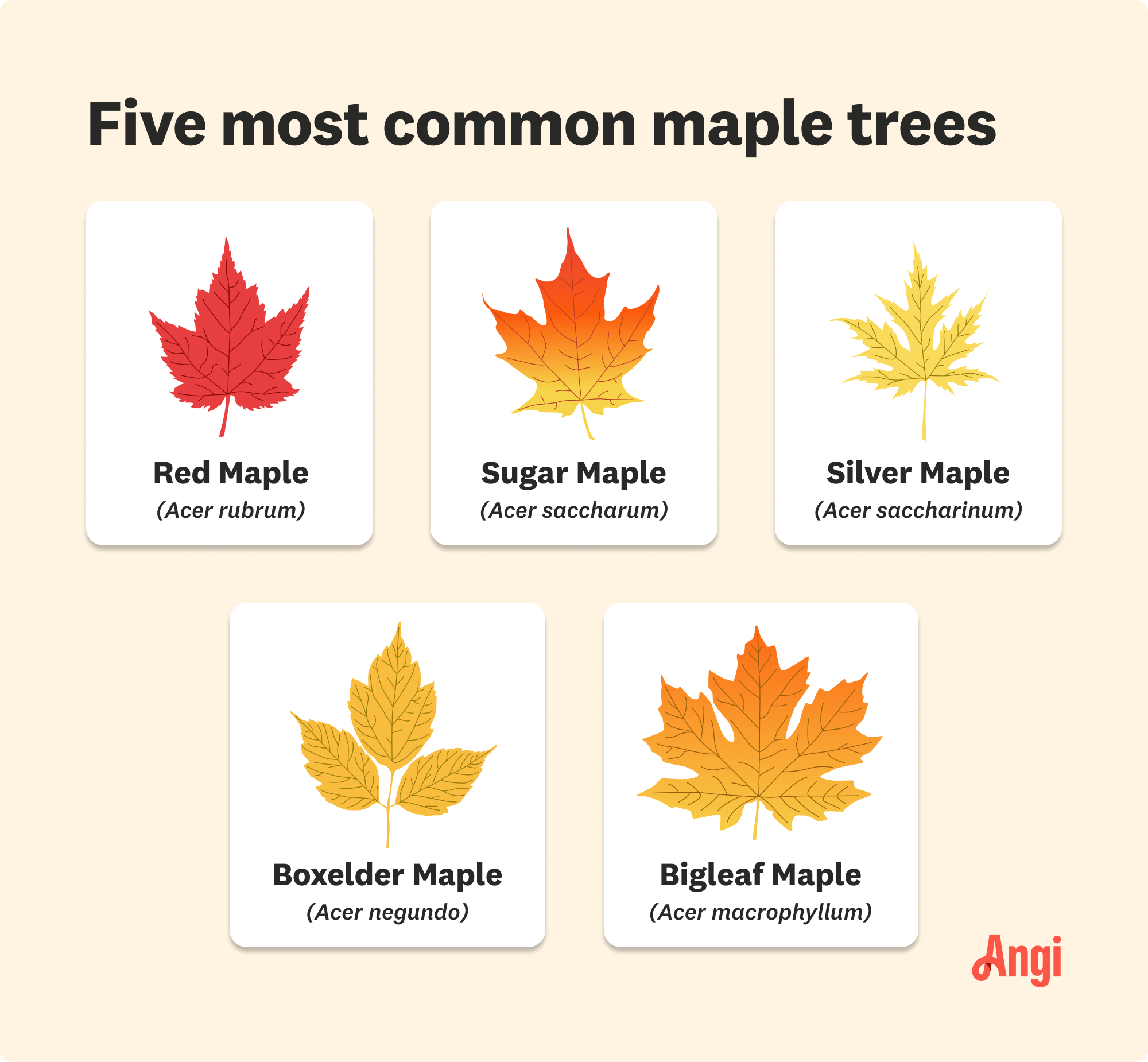
Sugar maples (Acer saccharum) generally grow more slowly than red maples, adding 10-12 inches annually compared to red maple’s 12-24 inches, resulting in longer wait times for substantial shade development in pet play areas. While both develop gorgeous fall color, sugar maples typically display golden yellow to orange hues rather than the brilliant reds of their namesake cousin. Sugar maples develop deeper, less problematic root systems than red maples, potentially causing fewer conflicts with pavements and pet pathways. However, they demonstrate considerably less tolerance for wet soils, road salt, and urban pollution than red maples, making them less suitable for challenging sites. For pet owners in ideal locations with well-drained soils and patience for slower growth, sugar maples offer outstanding long-term quality and potential maple syrup production superior to red maples.
“What Does A Maple Tree Look Like? The …” from www.angi.com and used with no modifications.
Silver Maple Differences: The Good and Bad
Silver maples (Acer saccharinum) grow substantially faster than red maples, potentially adding 3 feet yearly in ideal conditions and reaching maturity in roughly half the time. This rapid growth comes with significant tradeoffs, however, including weaker wood prone to storm damage that could create safety hazards in pet play areas. Silver maples develop extremely aggressive surface roots that frequently damage pavements, lawn equipment, and potentially pet play structures while making lawn maintenance challenging. Their prolific seed production creates substantial spring cleanup requirements and countless volunteer seedlings to manage. While their silvery leaf undersides create attractive movement in breezes, their fall color generally pales in comparison to red maples’ vibrant display. For pet owners seeking the fastest shade development in spacious yards away from structures, silver maples might occasionally be appropriate, but most landscapes are better served by the more balanced characteristics of red maples.
“Japanese Maple Types …” from gardenerspath.com and used with no modifications.
Japanese Maple: The Ornamental Alternative
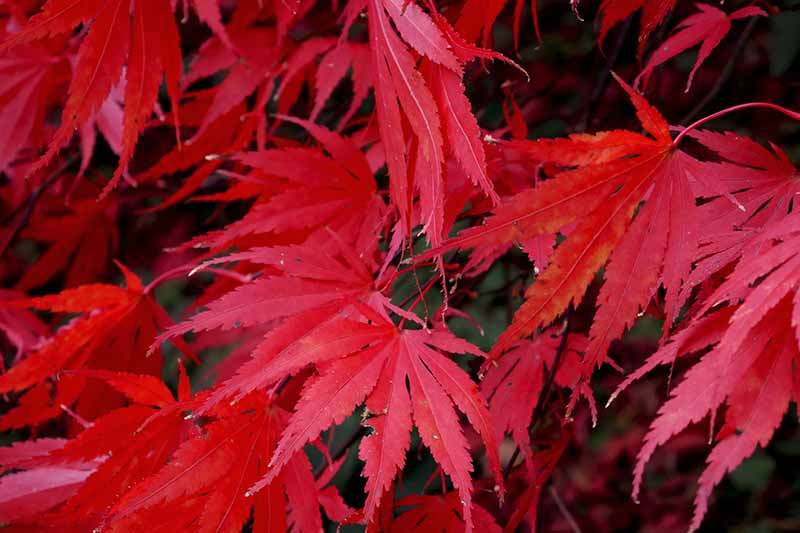
Japanese maples (Acer palmatum) offer dramatically different growth habits and landscape uses compared to native red maples. These ornamental specimens typically remain much smaller, usually 15-25 feet tall with equal spread, making them suitable for intimate garden spaces where full-sized maples wouldn’t fit. Their delicate, often lacy foliage creates exquisite textural interest and distinctive aesthetic appeal unmatched by larger maple species. Japanese maples generally require more attentive care than robust red maples, preferring consistent moisture, protection from harsh afternoon sun, and shelter from strong winds that could damage their relatively fragile branches.
For pet owners, Japanese maples offer interesting advantages and considerations. Their smaller stature keeps all parts within reach of curious pets, but fortunately, they present minimal toxicity concerns similar to red maples. Their typically higher price point and greater sensitivity make them less ideal for rambunctious dog play areas but perfect for protected courtyard gardens or entry areas where pets have supervised access. While unable to provide the substantial shade of red maples, these living sculptures offer magnificent year-round beauty in pet-friendly landscapes where space constrains larger tree options.
Norway Maple: The Invasive Cousin
Norway maples (Acer platanoides) share superficial similarities with red maples but present crucial ecological differences responsible gardeners should consider. These European natives grow to similar dimensions as red maples (40-60 feet tall) but produce denser shade that severely limits understory growth, creating barren areas beneath that may increase erosion and tracking of mud by pets. Their infamous shallow root systems compete aggressively with nearby plants while making lawn maintenance challenging in areas where pets need maintained turf for play and elimination. Most concerning, Norway maples have demonstrated invasive tendencies in many North American regions, with prolific seedlings escaping cultivation to displace native species in natural areas.
While Norway maples technically present similar minimal toxicity risk to pets as red maples, their negative ecological impact makes native red maples far superior choices for environmentally conscious landscapes. Some municipalities have even banned Norway maple sales due to invasiveness concerns, redirecting gardeners toward native alternatives like red maples that support local ecosystems where both wildlife and pets can thrive naturally. For those seeking the maple aesthetic in pet-friendly spaces, red maples offer similar beauty without the ecological baggage.
Maple Syrup Production: Can Red Maples Deliver?
Many homeowners wonder if their landscape trees could provide homegrown maple syrup, a delightful prospect for culinary enthusiasts with pet-friendly yards. Understanding red maple’s syrup potential helps set realistic expectations for this sweet possibility.
Sugar Content Comparison with Other Maples
Red maple sap contains notably less sugar than its famous cousin, the sugar maple, affecting both yield and production efficiency. While sugar maples boast average sugar concentrations of 2-3%, red maples typically contain just 1.0-1.5% sugar in their sap. This critical difference means you’ll need approximately twice the volume of red maple sap to produce the same amount of syrup—roughly 60-80 gallons of red maple sap versus 40 gallons from sugar maples to create one gallon of finished syrup. The lower sugar concentration also requires more extended boiling time, consuming additional fuel and attention. Despite these comparative disadvantages, backyard hobbyists with established red maples can still produce delicious syrup for family enjoyment, just with realistic expectations about the greater effort-to-yield ratio compared to dedicated sugar bush operations using primarily sugar maples.
Taste Profile of Red Maple Syrup
Red maple syrup offers a distinctive flavor profile that some enthusiasts specifically seek out despite production challenges. Compared to the classic rich, purely sweet taste of sugar maple syrup, red maple syrup typically develops a more complex character with subtle fruity undertones and occasionally a slightly stronger mineral finish. This unique flavor develops during the concentration process as the sap’s particular mineral and organic compound mix becomes more pronounced. Some describe red maple syrup as having a brightness that distinguishes it from other maple varieties, making it especially complementary to certain culinary applications where this distinctive character enhances the final dish.
- Slightly darker color than comparable sugar maple syrup grades
- More pronounced mineral notes with subtle berry-like undertones
- Complex flavor evolution that changes more distinctly as it ages
- Excellent in savory applications like glazes and marinades
- Distinctive character that varies more noticeably with soil conditions
The unique characteristics of red maple syrup have gained appreciation among syrup connoisseurs who value diversity in natural sweeteners. Commercial producers sometimes include red maple sap as part of mixed maple blends, appreciating how its distinctive qualities contribute complexity to the final product. For backyard producers, this uniqueness offers rewarding results despite the additional effort required, creating a truly personal product impossible to find in mass-market offerings.
Environmental factors significantly influence red maple syrup’s final character, with soil chemistry, tree age, and seasonal weather patterns all affecting the mineral composition and sugar development in the sap. Trees growing in different parts of your property may produce noticeably different syrup profiles even within the same species. This terroir effect, similar to wine production, adds fascinating complexity for hobby producers willing to experiment with separate batches from different trees.
For pet owners, syrup production activities require minimal special considerations beyond ensuring tapping equipment and collection containers remain at heights inaccessible to curious animals. The boiling process, typically conducted outdoors or in well-ventilated spaces, should naturally occur in areas separate from pet activities due to the hot equipment involved.
Tapping Basics for Backyard Syrup Making
Harvesting sap from landscape red maples requires minimal specialized equipment and basic knowledge of proper techniques to protect tree health. Begin by selecting healthy red maples at least 10-12 inches in diameter (approximately 30+ years old), as younger trees may sustain damage from tapping. The optimal tapping season coincides with freezing nights and thawing days, typically February through March in most regions, when temperature fluctuations create pressure changes that stimulate sap flow. Install food-grade spiles (taps) at a slight upward angle into the trunk, drilling holes 1.5-2 inches deep using a 7/16-inch bit, and position taps on the south-facing side for maximum sun exposure and sap flow. Limit collection to one tap per tree for trees 10-20 inches in diameter and a maximum of two taps for larger specimens to maintain tree health in landscape settings where pets may enjoy the shade for many years to come.
Planting and Care Tips for Long-Term Success
Proper planting and ongoing maintenance ensure your red maple thrives for decades while providing safe, beautiful spaces for the entire family, including pets. For safe garden ideas, following best practices from the beginning establishes trees that require less intervention as they mature.
Best Seasons to Plant Your Red Maple
Fall represents the ideal planting season for red maples in most regions, offering several significant advantages over spring installation. Cooler temperatures and typically more consistent rainfall reduce transplant stress while allowing roots to establish before winter dormancy. This head start enables trees to focus energy on above-ground growth when spring arrives rather than dividing resources between roots and foliage. Fall-planted trees typically show less transplant shock and often demonstrate stronger first-year growth than their spring-planted counterparts.
If fall planting isn’t possible, early spring before bud break provides the next best opportunity, giving trees time to establish some roots before the demanding growing season begins. Avoid summer planting when possible, as heat stress significantly increases mortality risk and establishment challenges. Container-grown specimens offer greater flexibility in planting timing than balled-and-burlapped trees, though both benefit from optimal seasonal timing. For pet owners, fall planting has the added advantage of minimizing the duration of temporary fencing that might be needed to protect young trees from playful damage during establishment.
Watering and Fertilization Schedule
Proper watering forms the foundation of successful red maple establishment and long-term health in pet-friendly landscapes. During the critical first two years after planting, provide weekly deep watering delivering roughly 10-15 gallons each session, adjusting frequency during rainy periods but never allowing the root ball to dry completely. Create a 3-foot water basin around newly planted trees to direct moisture to the developing root system, maintaining this until the tree shows signs of active growth. Established red maples (3+ years) generally require supplemental irrigation only during extended drought periods, though they appreciate consistent moisture for optimal growth and fall color development.
Fertilization needs remain minimal for red maples in reasonably fertile soils, with excessive feeding potentially causing more harm than good. For newly planted specimens, avoid fertilization entirely during the first growing season, allowing roots to establish naturally without forced top growth. Beginning in the second year, apply a balanced, slow-release fertilizer formulated for trees (such as 10-10-10) in early spring before new growth emerges, following package rates based on trunk diameter. In pet-accessible areas, always water in granular fertilizers thoroughly and consider using fertilizer stakes that minimize exposure to curious animals. Mulching with 2-3 inches of shredded bark provides natural nutrition while conserving moisture and protecting surface roots from both environmental stress and potential pet damage.
Pruning Do’s and Don’ts
Thoughtful pruning develops strong structure while maintaining the natural beauty of red maples in pet-friendly yards. Focus early pruning efforts on establishing a central leader and removing competing stems that could create weak branch attachments prone to failure in storms. Remove lower branches gradually as the tree matures to provide clearance for pets and people, maintaining at least two-thirds of the total height as branched canopy. Limit pruning to dormant season (late winter) when possible to minimize sap flow and stress, though hazardous limbs should be removed promptly regardless of season for safety in active pet areas.
Red Maple Pruning Calendar
Late Winter (February): Ideal time for structural pruning while tree is dormant
Spring (March-May): Avoid pruning during early growth flush and sap flow
Summer (June-August): Limited pruning acceptable for hazard removal only
Fall (September-November): Avoid pruning to prevent potential disease entry
Early Winter (December-January): Begin dormant pruning late in season
Common pruning mistakes with red maples include excessive thinning that can sunscald previously shaded bark and removing too many lower branches at once, stressing the tree. Never top red maples, as this destroys their natural form and promotes weak, potentially hazardous water sprouts that create future safety concerns in pet play areas. When removing branches, cut just outside the branch collar (the swollen area where branch meets trunk) rather than flush with the trunk to promote proper wound closure and prevent decay entry.
In landscapes shared with pets, consider pruning strategies that minimize potential conflicts. Gradually raising the canopy as trees mature creates clear sightlines to monitor pet activities while preventing territorial marking on lower trunks. Remove any dead or declining branches promptly, as these pose potential safety hazards during storms in areas where pets and people gather. For trees near property boundaries, selective pruning can direct growth patterns to maintain neighborly relations while preserving privacy and shade benefits.
Common Problems and Solutions
Verticillium wilt presents one of the more serious threats to red maples, causing progressive dieback that begins in individual branches before potentially affecting the entire tree. This soil-borne fungal disease blocks water movement within the tree, resulting in wilting, yellowing leaves and discolored wood visible as dark streaking in cut branches. While no cure exists, promptly removing affected branches (sterilizing tools between cuts) sometimes allows trees to compartmentalize the infection and survive for many years. In high-value landscape settings, professional arborists may attempt trunk injections to slow disease progression, though results vary considerably.
Chlorosis (yellowing leaves with green veins) frequently affects red maples planted in alkaline soils where iron becomes unavailable to the tree despite being present in the soil. This nutritional disorder weakens trees over time while diminishing ornamental value. Short-term solutions include foliar sprays containing chelated iron or soil acidifiers like elemental sulfur, while long-term management might require regular applications of acidifying fertilizers or, in severe cases, replacement with more alkaline-tolerant species. For pet owners, most treatments pose minimal risks when applied according to label directions, though temporarily restricting pet access during application represents good practice.
Physical damage from lawn equipment, improper pruning, or enthusiastic pets can create entry points for decay organisms that gradually weaken trees. Prevent damage by maintaining mulch rings around trees (eliminating the need for close mowing or string trimming), using proper pruning techniques, and temporarily protecting young trees from pet activity until they develop sturdy bark. When damage occurs, avoid wound dressings or fillers, instead allowing the tree’s natural compartmentalization processes to seal injuries. Monitor damaged areas for signs of decay or pest entry, addressing secondary problems promptly to maintain both tree health and landscape safety.
- Aphids and scale insects: Treat with horticultural oil or insecticidal soap, focusing on severe infestations that threaten tree vitality rather than minor cosmetic issues
- Tar spot fungus: While unsightly, this common leaf disease rarely threatens tree health and requires no treatment beyond good sanitation practices
- Girdling roots: Address during planting or early in tree development by carefully removing roots that circle the trunk to prevent future strangulation
- Frost cracks: Minimize by proper placement away from southern exposures that experience extreme temperature fluctuations
Why Red Maples Might Be Your Perfect Landscape Tree
Red maples offer a compelling combination of aesthetic beauty, adaptability, and practical benefits that make them ideal centerpieces for pet-friendly landscapes. Their four-season interest begins with delicate red flower clusters in early spring, transitions to cool summer shade perfect for outdoor enjoyment with pets, explodes into brilliant autumn color that transforms ordinary yards into showpieces, and concludes with architectural winter silhouettes that maintain visual interest during dormant months. This visual progression creates dynamic outdoor spaces that enhance property value while providing comfortable areas for both human and animal family members throughout the changing seasons.
Perhaps most importantly for pet owners, red maples strike an excellent balance between growth rate and longevity, developing meaningful shade within 5-10 years while potentially living 80-100 years with proper care. Their moderate size fits comfortably in average residential lots without overwhelming the landscape, while their relatively low maintenance needs after establishment minimize ongoing care requirements. Their general safety around common household pets, combined with their significant environmental benefits, makes red maples thoughtful choices for creating sustainable, beautiful outdoor spaces where the entire family—including furry members—can thrive together for generations to come. Whether you’re seeking shade, seasonal color, wildlife habitat, or simply a magnificent living legacy, red maples deliver exceptional value as landscape investments for pet-loving homeowners.
Frequently Asked Questions
How much water do newly planted red maples need?
The watering needs of newly planted red maples depend primarily on installation size, soil conditions, and weather patterns. Generally, provide 10-15 gallons weekly during the first growing season, delivered slowly to allow deep penetration. Using a drip irrigation bag (such as Treegator) offers convenient, measured delivery that minimizes runoff while ensuring moisture reaches the entire root ball. During hot, dry periods, increase frequency to twice weekly, while during rainy periods, supplement only if natural rainfall fails to provide adequate moisture. To create a pet-safe garden, consider the location and plant companions that thrive with red maples.
Soil moisture should be monitored regularly by inserting a finger or small trowel a few inches into the soil near (but not directly at) the trunk. If soil feels dry at this depth, watering is needed regardless of schedule. Excessive watering causes as many problems as underwatering, particularly in heavy clay soils where drainage may be limited. Watch for yellowing leaves or wilting as potential indicators of either extreme, adjusting your watering approach accordingly to support healthy establishment in your pet-friendly yard.
Mulching plays a crucial role in successful red maple establishment and ongoing health. Apply 2-3 inches of shredded hardwood mulch in a circle extending at least 3 feet from the trunk, maintaining a mulch-free zone of 2-3 inches immediately adjacent to the trunk to prevent moisture-related bark damage. This mulch layer moderates soil temperature, retains moisture, suppresses competing weeds, and reduces potential damage from lawn equipment. For pet owners, mulch also creates a visual boundary that may help direct pet activities away from sensitive root zones during the critical establishment period.
How long do red maple trees typically live?
Red maples typically live 80-100 years in favorable landscape conditions, though specimens reaching 150 years exist in ideal natural settings. This moderate lifespan exceeds many fast-growing alternatives like silver maples (typically 50-70 years) while falling short of the multi-century potential of slower-growing oaks or sugar maples. Landscape conditions significantly influence longevity, with trees in optimal sites with proper care routinely outliving those in challenging urban environments or receiving minimal maintenance. Factors that reduce potential lifespan include soil compaction, mechanical damage, improper pruning, and environmental stressors like prolonged drought or pollution.
For pet owners planning multigenerational landscapes, red maples represent excellent investments that provide benefits within a relatively short establishment period while potentially serving multiple generations of both human and animal family members. Their moderate lifespan balances the desire for relatively quick results with long-term sustainability, creating living legacies that enhance property enjoyment and value for decades. With thoughtful placement and basic care, a red maple planted when bringing home a new puppy could easily shade your grandchildren and their pets in the future.
Will a red maple’s roots damage my home’s foundation?
Red maple roots rarely cause significant foundation damage when trees are properly positioned at planting time. Unlike the aggressive root systems of some species (such as willows or silver maples), red maple roots typically don’t generate enough pressure to crack intact foundations, particularly modern ones with proper footings and waterproofing. The primary concern involves planting too close to structures, where roots may opportunistically exploit pre-existing cracks or poorly sealed joints in search of moisture. Maintaining a minimum 20-foot distance between red maples and foundations virtually eliminates this risk while still allowing pets and people to enjoy the tree’s shade and beauty.
More common than foundation issues, red maple roots occasionally interfere with sidewalks, driveways, or patios when planted too close to these features. The tree’s relatively shallow root system spreads outward seeking water and nutrients, potentially lifting pavement as roots thicken over decades. This concern primarily affects hardscaping within 10-15 feet of the trunk, becoming increasingly likely as trees mature. For pet owners designing landscapes that accommodate both plants and animals, strategic tree placement that respects these distance guidelines creates harmonious spaces where beautiful trees enhance rather than compromise structural elements while providing comfortable outdoor living areas for the entire family. For more ideas, explore safe garden ideas for pets.
What’s the best time of year to plant a red maple?
Fall represents the optimal planting season for red maples in most regions, typically from late September through November when temperatures cool but before the ground freezes. This timing allows roots to establish during favorable soil conditions while trees remain dormant above ground, reducing transplant stress and improving first-year performance. Fall-planted trees develop root systems during mild winter periods, positioning them to leverage their entire root structure when spring growth begins rather than dividing limited energy between roots and leaves. Additionally, natural rainfall patterns in many regions provide beneficial moisture during this establishment period, reducing the intensive watering requirements that often challenge spring plantings heading into summer heat. For more detailed information on growing red maples, visit Gardenia’s guide on Acer Rubrum.
Can I grow a red maple in a container or small yard?
Standard red maples generally perform poorly in containers long-term due to their ultimate size and spreading root systems, though dwarf cultivars like ‘Burgundy Belle’ (reaching 25 feet) can succeed in very large planters for several years before requiring ground planting. For truly small spaces where pets and people share limited outdoor areas, consider Japanese maples (Acer palmatum) as beautiful alternatives that naturally maintain appropriate scale for container culture or tiny yards. These ornamental relatives offer similar seasonal interest and pet safety in packages one-third to one-half the size of standard red maples, with some dwarf cultivars maturing at just 6-8 feet tall and wide.
How do I protect my red maple from common diseases?
Preventing disease begins with proper site selection and planting practices that position red maples for long-term vigor. Choose locations with good air circulation, appropriate sunlight exposure, and well-draining soil that matches the tree’s preferences. Maintain tree health through consistent but not excessive watering, proper mulching that protects roots without contacting the trunk, and judicious fertilization only when soil tests indicate genuine deficiencies. Regular monitoring allows for early detection of potential issues, with prompt intervention often preventing minor problems from developing into serious threats. For specific concerns like leaf spot diseases, practice good sanitation by removing and disposing of affected leaves rather than allowing them to remain under trees where they harbor pathogens.
Professional consultation benefits trees showing persistent symptoms or declining despite basic care. Certified arborists can properly diagnose complex issues, recommend appropriate treatments, and implement specialized interventions like soil amendment, proper pruning, or trunk injections when warranted. For significant specimen trees representing substantial landscape investments, periodic professional assessment (every 3-5 years) helps identify developing issues before they threaten tree health or safety in areas where pets and people regularly gather. This proactive approach often proves more cost-effective than addressing serious problems after they develop while ensuring your red maple remains both beautiful and safe for generations of enjoyment.
Most disease management practices pose minimal risks to pets when properly implemented. When using any chemical treatments, always follow label directions regarding pet exposure limitations, typically keeping animals away until sprays have dried completely or specified waiting periods have elapsed. Natural approaches like improved cultural practices, physical removal of affected plant parts, and biological controls often provide effective management while eliminating concerns about pet exposure entirely.
Red maples are a popular choice for homeowners looking to add vibrant color to their gardens. These trees are known for their stunning red foliage in the fall and their adaptability to various soil types. However, if you have pets, it’s important to consider the placement of your red maple to ensure a pet-safe garden. Red maples can grow quite large, so they should be planted in an area where they have plenty of space to thrive without posing a risk to your furry friends.