
Key Takeaways
- Russian olive trees are incredibly hardy, surviving in USDA zones 3-7 with tolerance for poor soil, drought, and temperatures as low as -40°F.
- Despite their ornamental appeal and usefulness in windbreaks, Russian olives are classified as invasive in many regions due to their aggressive spread and high water consumption.
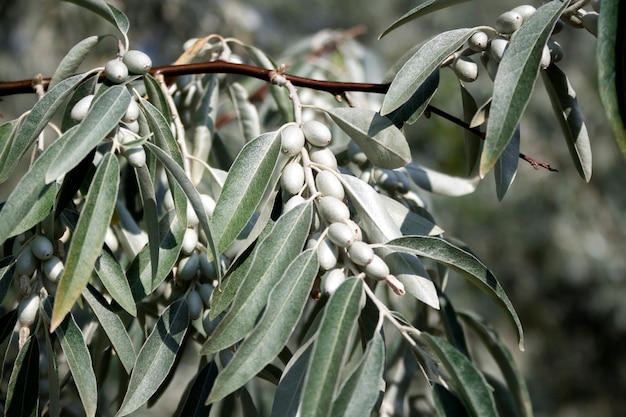
- The silvery-gray foliage, thorny branches, and small olive-like fruits make Russian olive trees distinctively beautiful but potentially problematic in certain landscapes.
- Male and female Russian olive trees differ in fruit production, with only female trees producing the edible (though not particularly tasty) olive-like fruits.
- When planting Russian olive responsibly, pair it with compatible companions like pine trees and implement strict control measures to prevent unwanted spread.
What Is Russian Olive? All About This Misunderstood Tree
Russian olive (Elaeagnus angustifolia) is a deciduous shrub or small tree with a complicated reputation in the gardening world. Originally introduced to North America in the early 1900s as an ornamental and windbreak species, this fast-growing tree quickly established itself across various landscapes. Standing between 10-25 feet tall at maturity, Russian olives create a striking silhouette with their silvery foliage that shimmers in the breeze, creating a beautiful contrast against other garden greenery.
Despite its beauty, this tree has become both admired for its resilience and criticized for its invasive tendencies. Its remarkable ability to thrive in poor soils and harsh conditions makes it a survivor in landscapes where other trees struggle. The Russian olive’s nitrogen-fixing capabilities allow it to improve soil quality while providing habitat and food for various wildlife species. However, this same vigor and adaptability have led to its classification as an invasive species in many regions, creating a complex dilemma for gardeners who appreciate its ornamental qualities.
“Elaeagnus angustifolia (Russian Olive …” from www.myseeds.co and used with no modifications.
Quick Identification Features: Leaves, Bark, and Thorns
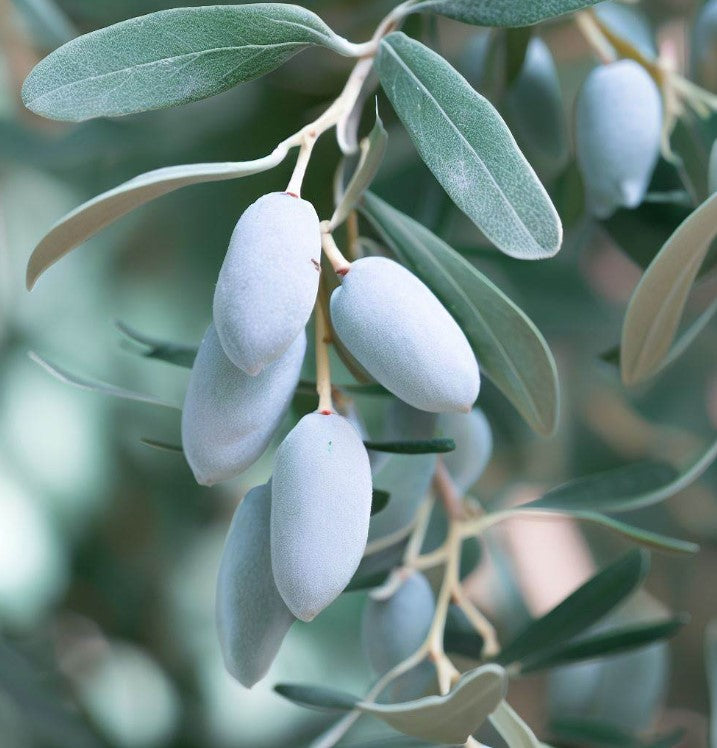
Identifying Russian olive trees is relatively straightforward once you know what to look for. The most distinctive feature is the foliage: lanceolate leaves with a green-gray upper surface and a striking silvery-gray underside, creating that characteristic shimmer when rustled by the wind. This silver coloration comes from tiny scales that cover the leaf surface, giving the tree its distinctive appearance and one of its common names, “silver berry.”
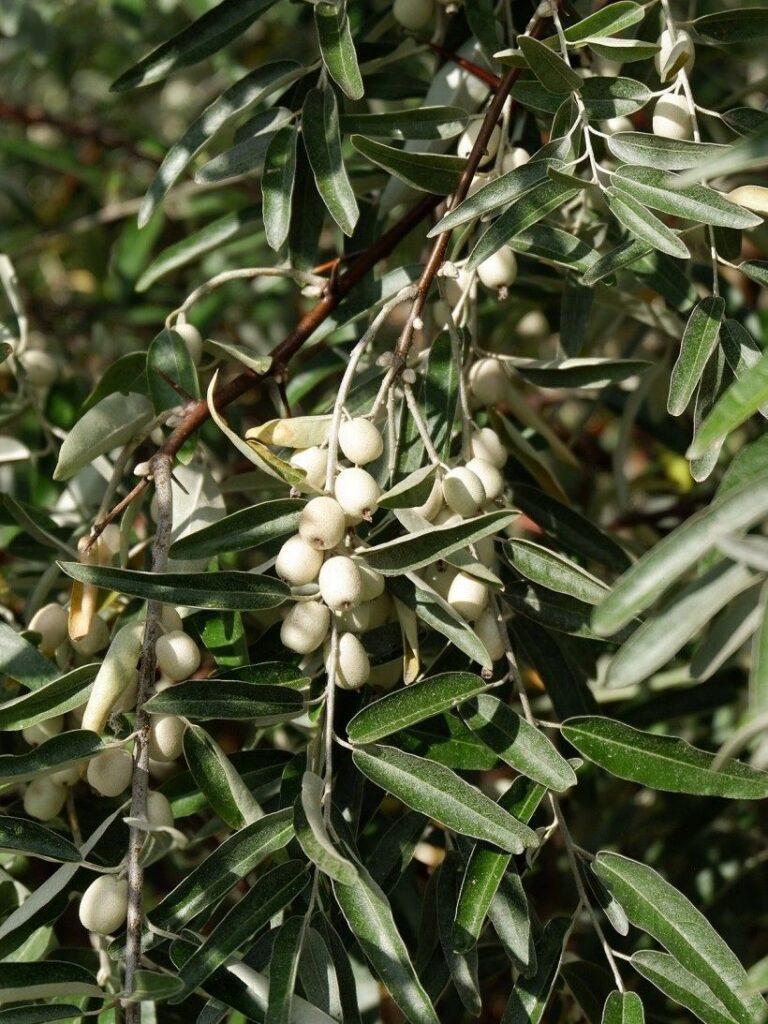
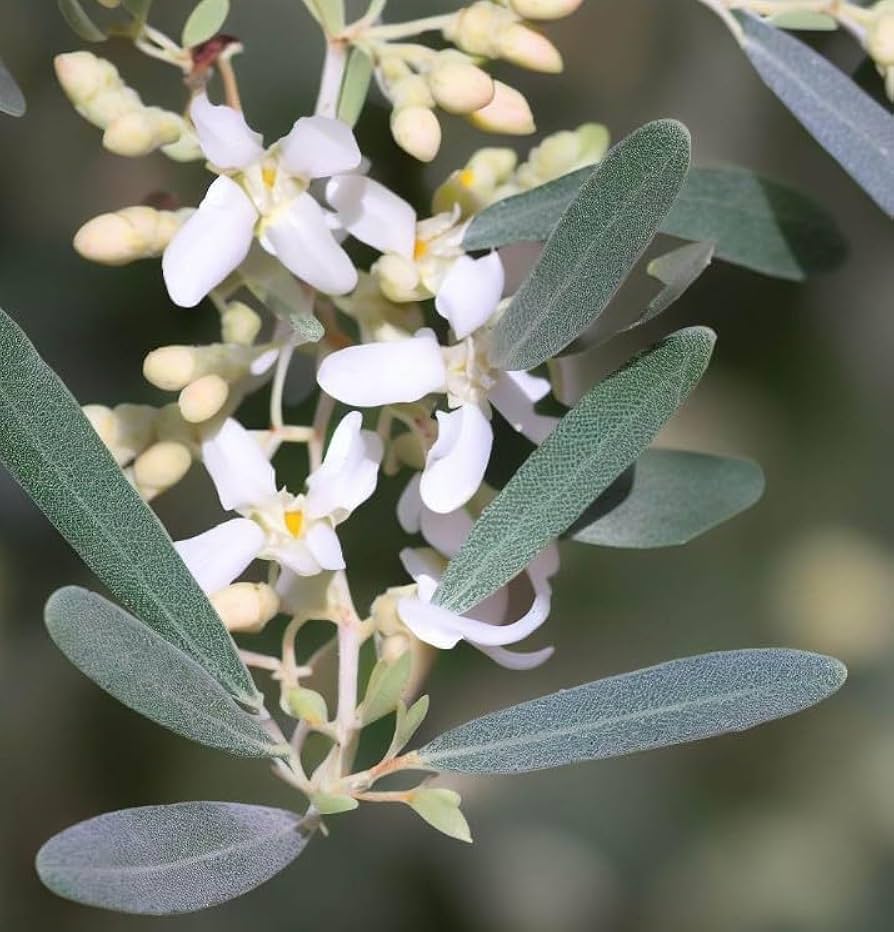
The bark offers another identification clue, appearing brown and relatively thin with shallow fissures that peel in long strips as the tree matures. Perhaps most notable for gardeners are the dark reddish-brown branches that typically bear 1-2 inch woody thorns, making this tree somewhat challenging to work around without proper protection. During May and June, Russian olive produces clusters of fragrant, yellow, bell-shaped flowers that later develop into small fruits resembling olives, first appearing silvery before maturing to a brownish color.
The tree’s overall structure tends toward a somewhat irregular, open crown with multiple stems, creating a distinctive silhouette in the landscape. With its thorny branches and silver-gray appearance, Russian olive is rarely confused with other common landscape trees once you’ve seen it in person. The root system is particularly robust, featuring both a deep taproot and extensive lateral roots that contribute to both its drought tolerance and its tendency to spread aggressively.
Many Names, Same Plant: Oleaster, Persian Olive, Silver Berry, and Wild Olive
The Russian olive goes by several names across different regions and cultures, reflecting its widespread distribution and long history of cultivation. Oleaster, perhaps its most common alternative name, derives from the Latin word for “olive-like,” referencing the tree’s olive-shaped fruits. Persian olive points to the tree’s origins in parts of western and central Asia, including regions of what is now Iran (historically Persia). This geographical connection highlights how the tree was transported along ancient trade routes before finding its way to Europe and eventually North America.
Silver berry or silverberry, another descriptive common name, refers to the distinctive silvery appearance of both the leaves and immature fruits. This silvery quality comes from tiny scales covering the plant surfaces, giving it a unique ornamental character that stands out in mixed plantings. The name “wild olive” stems from the resemblance of its fruits to true olives, though they belong to entirely different plant families – Russian olive is in the Elaeagnaceae family while true olives (Olea europaea) belong to the Oleaceae family.
Despite these various names all referring to the same Elaeagnus angustifolia species, it’s worth noting that several closely related Elaeagnus species share similar characteristics and may sometimes be confused with the Russian olive. In particular, autumn olive (Elaeagnus umbellata) and silverberry (Elaeagnus commutata) share family resemblances but have distinct growth habits and ecological impacts worth understanding before selecting any for your landscape.
Russian Olive’s Invasive Reputation: What You Need to Know
The invasive nature of Russian olive represents one of the most significant concerns for both gardeners and conservationists. Since its introduction to North America, this hardy tree has escaped cultivation and established itself aggressively across riparian areas, pastures, and natural habitats. Its success as an invader stems from several biological advantages: prolific seed production, efficient dispersal by birds, drought tolerance, and the ability to fix nitrogen in poor soils. These traits allow Russian olive to outcompete native vegetation in many ecological niches, particularly along waterways where it can form dense, impenetrable thickets. For a deeper understanding of how invasive species impact ecosystems, you might explore the historical impact of the American chestnut blight.
Understanding this tree’s invasive potential is crucial for responsible gardening decisions. In many states across the western and central United States, Russian olive is officially listed as a noxious weed, with restrictions or outright bans on its sale and cultivation. Before considering this tree for your landscape, research local regulations and ecosystem impacts carefully. Even in areas where it remains legal to plant, the potential ecological consequences warrant serious consideration, especially if your property borders natural areas or waterways where escape and spread become more likely.
“Invasive Species Spotlight: Autumn …” from www.brandywine.org and used with no modifications.
How It Spreads So Quickly Across Landscapes
Russian olive’s remarkable capacity for rapid spread comes from its multi-faceted reproductive strategy. Each tree produces thousands of small, olive-like fruits that contain hard seeds protected by a woody endocarp, allowing them to remain viable in soil for many years. Birds eagerly consume these fruits and disperse the seeds widely across landscapes, often depositing them along fence lines, under perches, or near water sources where germination conditions are ideal. This ornithochory (bird-dispersed) mechanism enables Russian olive to “jump” considerable distances, establishing new colonies far from parent plants.
Water Consumption: Why It’s Called a Thirsty Tree
Russian olive’s reputation as a thirsty tree stems from its aggressive root system that seeks out water sources with remarkable efficiency. This water-seeking behavior makes it particularly problematic in arid western regions where water is already scarce. The tree’s deep taproot can extend 15-20 feet into the soil, while its lateral roots spread outward seeking moisture. When established near streams, rivers, or irrigation ditches, Russian olive can significantly alter water availability for native vegetation.
Studies have shown that mature Russian olive trees can transpire between 20-40 gallons of water daily during peak growing season. This substantial water consumption dwarfs that of many native species, creating a competitive advantage during drought conditions while simultaneously depleting groundwater resources. In agricultural settings, Russian olive infestations near irrigation systems can reduce water availability for crops and increase maintenance costs as roots invade and damage irrigation infrastructure.
Despite this thirsty nature, the tree paradoxically displays excellent drought tolerance once established. This seemingly contradictory characteristic explains why Russian olive thrives in semi-arid environments – it efficiently captures available moisture through its extensive root system while withstanding periods of drought stress better than many competitors. For gardeners, this means recognizing that while established trees may survive with minimal supplemental irrigation, they will aggressively compete for available moisture with nearby plantings. If you’re interested in learning about other plants with unique characteristics, you might find the artillery plant care guide informative.
Impact on Native Plant Species and Ecosystems
The ecological impact of Russian olive extends far beyond water consumption, fundamentally altering ecosystem dynamics wherever it establishes dominance. As a nitrogen-fixing species, Russian olive changes soil chemistry by increasing available nitrogen, creating conditions that favor other invasive species while disadvantaging native plants adapted to lower nitrogen levels. This soil modification represents a form of ecosystem engineering that can persist long after Russian olive removal efforts.
Along riparian corridors, dense Russian olive thickets physically displace native vegetation such as willows and cottonwoods that provide critical habitat for native wildlife. The shade created by these thickets alters light availability, water temperature, and other microhabitat characteristics that riparian specialists depend upon. Furthermore, the thorny branches physically impede wildlife movement, including access to water sources for larger mammals. Even birds, which benefit from the abundant fruits, generally prefer native vegetation for nesting and cover when given the choice.
Perhaps most concerning is the cascade effect that Russian olive invasion has on entire food webs. By displacing native plant communities, the tree disrupts insect populations that have co-evolved with local flora, subsequently affecting insectivorous birds, amphibians, and other wildlife that depend on specific insect prey. This ripple effect demonstrates why invasive species management focuses not just on the direct competition between plant species, but on preserving the complex web of ecological relationships that sustain biodiversity.
Regions Where Russian Olive Is Classified as Invasive
Russian olive’s invasive status varies significantly by region, with the most severe impacts occurring throughout the western United States. States including Colorado, Wyoming, Montana, Idaho, Utah, New Mexico, and Washington have formally classified Russian olive as a noxious weed, implementing various regulations from outright bans on sale and cultivation to targeted control requirements. In these regions, the tree’s spread has been particularly aggressive along river systems like the Missouri, Yellowstone, and Colorado Rivers, where it forms monoculture stands that dramatically alter riparian ecosystems.
The Great Plains states represent another significant region of invasion, with Nebraska, Kansas, and the Dakotas experiencing substantial Russian olive encroachment in both riparian areas and upland sites. In the Midwest and Northeast, the invasion pressure appears somewhat less severe but still concerning enough that states like Wisconsin and Pennsylvania monitor Russian olive populations closely. Interestingly, the tree seems less aggressively invasive in the Southeast, possibly due to competition from the region’s diverse native flora or differences in climate suitability.
Internationally, Russian olive invasion patterns show similar variability. In parts of Australia and New Zealand, the tree has established invasive populations requiring management, while in its native Eurasian range, it exists in balanced ecological relationships. For gardeners, understanding your specific regional context is crucial – what might be a manageable landscape plant in one region could become an ecological menace in another. Always consult local extension offices or invasive species councils before introducing Russian olive to your landscape.
Growing Russian Olive in Different Climates
Despite its invasive tendencies, understanding Russian olive’s growth requirements provides important context for both management and responsible cultivation where permitted. This remarkably adaptable tree thrives across USDA hardiness zones 3 through 7, encompassing much of the continental United States except the hottest southern regions and coldest northern extremes. Its climate versatility partly explains its successful spread across diverse landscapes, from semi-arid plains to mountain valleys and coastal areas with moderate rainfall.
Winter Hardiness: How It Survives Freezing Temperatures
Russian olive’s exceptional cold hardiness stands as one of its most remarkable characteristics, allowing it to survive winter temperatures as low as -40°F (USDA Zone 3). This extreme cold tolerance develops through a sophisticated physiological process where the tree gradually hardens its tissues during fall, adjusting cellular chemistry to prevent freezing damage. By mid-winter, Russian olive enters complete dormancy with significantly reduced water content in its cells, preventing the formation of damaging ice crystals within plant tissues. For those interested in understanding the importance of companion plants, this knowledge can be invaluable in maintaining a balanced ecosystem.
The tree’s winter survival strategy also involves specialized adaptations in its buds and bark. The small, tightly closed winter buds are covered with protective scales and insulating hairs that shield delicate growing points from harsh conditions. Meanwhile, the bark develops increased insulating properties during winter months, protecting the critical cambium layer that will resume growth in spring. These adaptations explain why Russian olive often survives in exposed sites where other ornamental trees suffer winter damage or death.
For gardeners in cold regions, this exceptional hardiness offers a reliable landscape option that requires minimal winter protection even in the most challenging climates. New plantings benefit from some wind protection during their first winter, but established trees demonstrate remarkable resilience even in exposed locations with severe temperature fluctuations and winter winds. This cold-hardiness contributes significantly to Russian olive’s popularity in northern states and high-altitude regions where ornamental options are limited by climate constraints.
Sun vs. Shade Requirements: Finding the Perfect Spot
Russian olive demonstrates a strong preference for full sun exposure, where it develops its most compact growth habit and heaviest flowering. Six or more hours of direct sunlight daily promotes optimal development of the silvery foliage that gives the tree its distinctive ornamental character. In full sun locations, Russian olive also produces denser branching and more abundant thorns, characteristics that contribute to both its defensive nature and its effectiveness as a privacy screen or windbreak.
While the tree can tolerate partial shade conditions, reduced light typically results in a more leggy growth habit with elongated branches stretching toward available light. Flowering and fruiting also diminish substantially in shadier locations, reducing both ornamental appeal and wildlife value. The silvery leaf coloration that makes Russian olive so distinctive appears less vibrant in shade, as this feature evolved as an adaptation to reflect excessive sunlight in the tree’s native arid habitat.
When selecting a planting location, consider not just current light conditions but how they might change as surrounding vegetation matures. A young Russian olive planted near the edge of a woodland might initially receive adequate sunlight, but as neighboring trees grow, it may gradually receive less light than optimal. The tree’s preference for open, sunny sites aligns with its ecological strategy as an early succession species that colonizes disturbed areas before being eventually shaded out by taller forest species – a pattern that smart gardeners can use to predict its long-term performance in various landscape settings.
Is It Legal and Advisable to Grow in England?
In England, Russian olive currently maintains legal status without specific restrictions on cultivation, unlike in many U.S. states. The UK’s cooler, maritime climate appears to somewhat limit the tree’s invasive potential compared to the continental climate regions where it has become most problematic. However, conservation organizations like the Royal Horticultural Society increasingly recommend caution when considering Russian olive for English gardens, suggesting native alternatives that provide similar aesthetic benefits without potential ecological risks.
Other Compatible Trees and Shrubs
When planning a landscape that includes Russian olive trees, several compatible companions can create effective plant communities. Junipers (Juniperus spp.) make excellent companions as they share similar cultural requirements including drought tolerance and preference for well-drained soils. Black locust (Robinia pseudoacacia), another nitrogen-fixing tree, can coexist well with Russian olive while providing complementary height and seasonal interest. For understory plantings, drought-tolerant shrubs like barberry (Berberis spp.) and buffaloberry (Shepherdia argentea) can thrive beneath the dappled shade of Russian olive while creating wildlife-friendly layering.
Plants to Avoid Planting Nearby
Several plant types struggle when grown in proximity to Russian olive trees. Moisture-loving species like dogwoods (Cornus spp.) and willows (Salix spp.) often cannot compete with Russian olive’s aggressive water uptake, leading to chronic stress and poor performance. Shallow-rooted perennials and groundcovers typically suffer from moisture competition and may show signs of drought stress even during periods of adequate rainfall. The allelopathic properties potentially exhibited by Russian olive can inhibit germination and growth of certain native grasses and forbs.
Plants requiring acidic soil conditions should also be kept distant from Russian olive, as the tree’s nitrogen-fixing abilities can gradually increase soil pH over time. Acid-loving plants like azaleas, rhododendrons, and blueberries will show yellowing leaves (chlorosis) and declining vigor when soil becomes too alkaline. Instead, focus on drought-tolerant, alkaline-soil adapted companions that can withstand the competitive nature of this vigorous tree.
Beneficial Uses of Russian Olive in Controlled Settings
Despite its invasive reputation, Russian olive offers several practical benefits when properly managed in appropriate settings. Its exceptional hardiness makes it valuable for challenging sites where other ornamental trees struggle, including areas with poor, alkaline soils, urban pollution, road salt exposure, and drought conditions. The tree’s nitrogen-fixing capability can help improve soil fertility in degraded sites, potentially benefiting neighboring plants once soil organic matter increases.
In agricultural settings, Russian olive has historically been used in shelterbelts and windbreaks to reduce soil erosion and protect sensitive crops from desiccating winds. When planted in controlled rows away from waterways, these windbreaks can significantly reduce wind velocity across fields while providing incidental wildlife habitat. The tree’s dense, thorny growth habit also makes it effective for creating living fences or security barriers around property perimeters.
For reclamation projects on disturbed lands such as former mining sites, highway margins, or industrial areas, Russian olive’s ability to establish quickly in adverse conditions can help stabilize soil and initiate ecological succession. However, such applications require careful monitoring and potentially containment strategies to prevent unwanted spread beyond intended boundaries. Before utilizing Russian olive for any beneficial purpose, consultation with local extension offices regarding regional invasive status is essential.
- Windbreak and snow fence applications in agricultural settings
- Soil stabilization on disturbed sites with poor growing conditions
- Nitrogen fixation to improve soil fertility in depleted areas
- Living security barriers due to dense, thorny growth habit
- Wildlife shelter in areas lacking diverse native vegetation
Windbreaks and Privacy Screens
Russian olive excels as a windbreak species due to its combination of rapid growth, dense branching pattern, and excellent wind resistance. When planted in staggered rows, the trees create effective wind barriers that can reduce wind speed by up to 75% within the protected zone. This wind reduction not only protects buildings and crops but also creates microclimate effects including snow capture for increased soil moisture, reduced evapotranspiration, and moderated temperature extremes. For privacy screening, Russian olive’s semi-evergreen nature in milder climates means it retains some foliage into winter, while its distinctive silvery coloration creates visual interest year-round.
Wildlife Habitat Benefits
The ecological relationship between Russian olive and wildlife presents a complex picture. The tree produces abundant fruits that persist through winter, providing emergency food sources for birds including robins, cedar waxwings, and wild turkeys during harsh weather when other food becomes scarce. The dense, thorny growth creates protective cover for small mammals and nesting sites for birds like shrikes, mockingbirds, and catbirds who utilize the thorny branches as protection against predators.
Pollinators including honeybees and native bees benefit from Russian olive’s fragrant spring flowers, which produce abundant nectar during the important early season when many native plants have not yet bloomed. This early-season nectar source can be particularly valuable in agricultural areas where flowering resources may be limited. The complex branch structure also provides overwintering habitat for beneficial insects that help control pest populations in nearby gardens and crops.
However, conservation biologists note that while Russian olive provides some wildlife benefits, these advantages rarely outweigh the ecological disruption caused by its displacement of diverse native plant communities. Native plant assemblages typically support more specialized native wildlife and maintain more complex ecological relationships than Russian olive monocultures. When evaluating habitat value, consider that while Russian olive may attract visible wildlife like birds, it often reduces habitat quality for less obvious but ecologically crucial species like native insects, amphibians, and reptiles.
- Winter food source through persistent fruits
- Protective nesting sites in thorny branches
- Early season nectar source for pollinators
- Wind protection and thermal cover for small mammals
- Perching sites for songbirds and raptors
When properly managed and contained, these wildlife benefits can be harnessed while minimizing the invasive spread through regular monitoring and control of seedlings beyond the desired growing area. In some managed landscapes, wildlife benefits may justify Russian olive cultivation, particularly in urban or suburban settings where invasive potential can be more easily controlled than in rural or natural areas.
“Elaeagnus angustifolia (Russian Olive …” from www.amazon.com and used with no modifications.
Ornamental Value in Landscapes
The distinctive aesthetic qualities of Russian olive make it a visually striking landscape element when used judiciously. Its silvery-gray foliage creates dramatic contrast against the deeper greens of conifers or the bright colors of flowering plants, while catching and reflecting light to add luminous qualities to the garden. The tree’s architectural form, with its irregular branching pattern and open canopy, creates interesting negative space and dappled shade patterns that can enhance landscape composition. In wind, the fluttering silvery undersides of leaves create a shimmering effect similar to that of aspens but with greater drought tolerance.
Beyond foliage effects, Russian olive offers multisensory appeal through its intensely fragrant yellow flowers in late spring, which emit a honey-like scent that perfumes the garden. The silvery fruits that follow provide textural interest and subtle color shifts as they mature from silver to brown. For winter interest, the peeling bark and architectural branch structure maintain visual appeal even in dormant seasons. These ornamental characteristics explain why landscape designers have historically valued Russian olive despite its management challenges – it offers distinctive aesthetic qualities difficult to replicate with other species. For pet owners considering landscaping options, exploring safe garden ideas can be beneficial.
Think Twice Before Planting: Responsible Russian Olive Ownership
The decision to plant Russian olive carries significant ethical and practical responsibilities that potential growers must carefully consider. Before introducing this species to your landscape, thoroughly research local regulations and ecological concerns specific to your region. In many areas, planting Russian olive may be outright prohibited; in others, management requirements may make ownership burdensome. Even where legal, responsible ownership demands commitment to containment strategies including regular monitoring for seedlings beyond your property boundaries, prompt removal of unwanted saplings, and potentially removing female trees to prevent fruit production. Consider whether native alternatives might provide similar aesthetic or functional benefits without the ecological risks – many excellent substitutes exist that offer silvery foliage, wildlife benefits, and environmental adaptability without invasive tendencies.
Frequently Asked Questions
The following questions address common concerns and curiosities about Russian olive trees. While this information provides general guidance, remember that regional variations in climate, regulations, and ecological conditions may influence how these principles apply to your specific situation. Always consult local extension offices or conservation authorities for guidance tailored to your area.
How fast does Russian Olive grow?
Russian olive demonstrates impressive growth rates under favorable conditions, typically adding 12-24 inches of height annually during its establishment phase. This rapid growth continues for approximately 15-20 years before slowing as the tree approaches its mature height of 15-25 feet. In optimal growing conditions with fertile soil and adequate moisture, young trees may occasionally exceed these growth rates, reaching 10 feet in height within 5-6 years of planting. The rapid establishment capability contributes significantly to both the tree’s appeal for quick landscape results and its problematic invasive potential.
Growth patterns vary seasonally, with the most vigorous extension occurring during late spring and early summer. During drought periods, growth naturally slows as the tree diverts resources to root development and survival mechanisms rather than canopy expansion. Despite this adaptability to stress, Russian olive maintains more consistent growth during challenging conditions than many alternative landscape trees, explaining its popularity in difficult sites despite management concerns.
Can Russian Olive trees be pruned into hedges?
Russian olive responds remarkably well to pruning and can be effectively shaped into formal or informal hedges with regular maintenance. The tree’s dense branching habit and moderate growth rate make it suitable for hedging, while its thorny nature creates security benefits. For formal hedges, begin shaping when plants are young and maintain with twice-yearly trimming in late spring after flowering and again in late summer. When pruning, always wear thick gloves and protective clothing to guard against the sharp thorns, and sterilize tools between cuts to prevent potential disease transmission.
Do Russian Olive trees produce edible fruit?
The fruits of Russian olive are technically edible but generally considered unpalatable for direct consumption by humans. The mealy texture and astringent flavor make them unappealing as fresh fruit, though they have historically been used in preserves, jams, and medicinal preparations in some cultures. The fruits contain a relatively large pit surrounded by minimal flesh, providing poor return for harvesting effort. Birds and small mammals consume the fruits readily, which contributes significantly to the tree’s invasive spread as seeds are distributed across the landscape through animal droppings.
How do I tell Russian Olive apart from native Silverberry?
Distinguishing Russian olive (Elaeagnus angustifolia) from the native American silverberry (Elaeagnus commutata) requires attention to several key characteristics. Russian olive typically grows taller (15-25 feet) than American silverberry (6-12 feet) and develops a more pronounced tree form rather than silverberry’s shrubby habit. The fruits provide another reliable identification point: Russian olive produces olive-shaped fruits approximately 1/2 inch long, while American silverberry bears smaller, rounder silvery fruits. Leaf shape differs subtly, with Russian olive having narrower, more elongated leaves compared to the broader, more oval leaves of American silverberry.
The thorns also differ between species, with Russian olive typically having more pronounced, longer thorns (often 1-2 inches) compared to the shorter or sometimes absent thorns on American silverberry. When in flower, Russian olive produces yellow blossoms, while American silverberry flowers are yellowish-white with a stronger fragrance. These distinctions matter ecologically, as the native silverberry plays important roles in natural ecosystems without the invasive tendencies of its Russian cousin.
What native alternatives can I plant instead of Russian Olive?
Several excellent native alternatives can provide similar aesthetic and functional benefits to Russian olive without the ecological concerns. For silvery foliage effects, consider silver buffaloberry (Shepherdia argentea), a nitrogen-fixing native shrub that offers similar drought tolerance and wildlife benefits. Western silver aster (Symphyotrichum sericeum) provides striking silver foliage in a perennial form suitable for garden borders. American silverberry (Elaeagnus commutata), though related to Russian olive, demonstrates much less invasive potential while offering similar ornamental qualities on a smaller scale.
- Silver buffaloberry (Shepherdia argentea) – native nitrogen-fixer with silvery foliage and red berries
- American silverberry (Elaeagnus commutata) – native relative with similar appearance but less invasive tendency
- Desert willow (Chilopsis linearis) – drought-tolerant flowering tree for southern regions
- New Mexico olive (Forestiera pubescens) – native shrub with olive-like fruits and excellent wildlife value
- Serviceberry (Amelanchier spp.) – native small trees with multi-season interest and edible fruits
When selecting native alternatives, match plant choices to your specific regional conditions and ecosystem. Native plant societies and local extension offices can provide guidance on species that will thrive in your particular soil, climate, and landscape context while supporting local biodiversity. Many native nurseries now specialize in regional plants that offer beauty and functionality without invasive risks.
Understanding Russian olive’s growth habits, invasive potential, and management challenges allows gardeners to make informed decisions about including this controversial tree in their landscapes. Where legally permitted and with proper containment strategies, Russian olive can provide unique aesthetic and functional benefits in challenging sites. However, the ecological risks often outweigh these benefits, particularly near natural areas or waterways where spread becomes difficult to control.
For those already managing existing Russian olive trees, regular monitoring and prompt control of seedlings remains essential to responsible ownership. Consider gradually replacing mature specimens with appropriate native alternatives that provide similar benefits without the ecological concerns. By transitioning to more ecologically sound landscape choices, gardeners can enjoy beautiful, functional landscapes that support rather than compromise local ecosystems.
If you’re looking for advice on managing invasive species or selecting appropriate native alternatives for your specific region, Garden Ecosystem Specialists provides consulting services to help property owners develop beautiful, sustainable landscapes that work in harmony with local natural systems. Their team of experts can guide you through the process of ecological landscape conversion while preserving the aesthetic and functional qualities you value.