
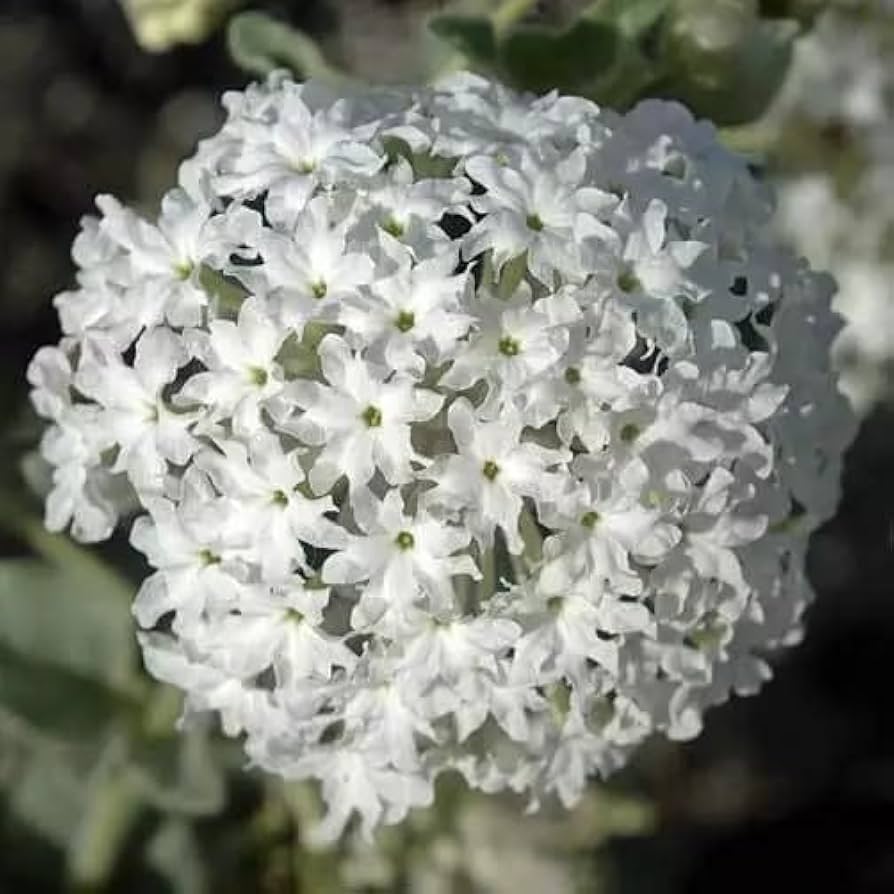
Article-at-a-Glance
- Snowball Sand Verbena (Abronia fragrans) is a fragrant native perennial that thrives in dry, sandy soils and offers a vanilla-like scent that intensifies in the evening.
- Despite its common name, this plant isn’t a true verbena but belongs to the four o’clock family (Nyctaginaceae), making it distinctly different from both verbena and lantana.
- With its drought tolerance and low maintenance needs, Abronia fragrans is perfect for xeriscaping, rock gardens, and water-wise landscaping.
- Unlike lantana, Snowball Sand Verbena is non-toxic to pets, making it a safe choice for gardens with dogs and cats.
- While offering numerous benefits including butterfly attraction and stunning white blooms, this native beauty can be challenging to find in commercial nurseries and requires specific soil conditions.
Looking for a fragrant, low-maintenance native plant that thrives in challenging conditions? Snowball Sand Verbena might be your perfect garden companion.
This resilient perennial offers stunning white flower clusters, an intoxicating vanilla-like fragrance, and remarkable drought tolerance that makes it ideal for today’s water-conscious gardens. I’ve grown this remarkable native in my own garden for years, and it continues to impress visitors who inevitably ask, “What’s that beautiful plant that smells so amazing?”
What Is Snowball Sand Verbena? Clearing Up the Name Confusion
Snowball Sand Verbena (Abronia fragrans) goes by many names, creating confusion for gardeners seeking this fragrant beauty. Despite what nursery tags might suggest, this plant is neither a true verbena nor a lantana, though its appearance might remind you of both. The scientific name “Abronia fragrans” is your most reliable identifier when searching for this specific plant, as common names can vary widely across regions.
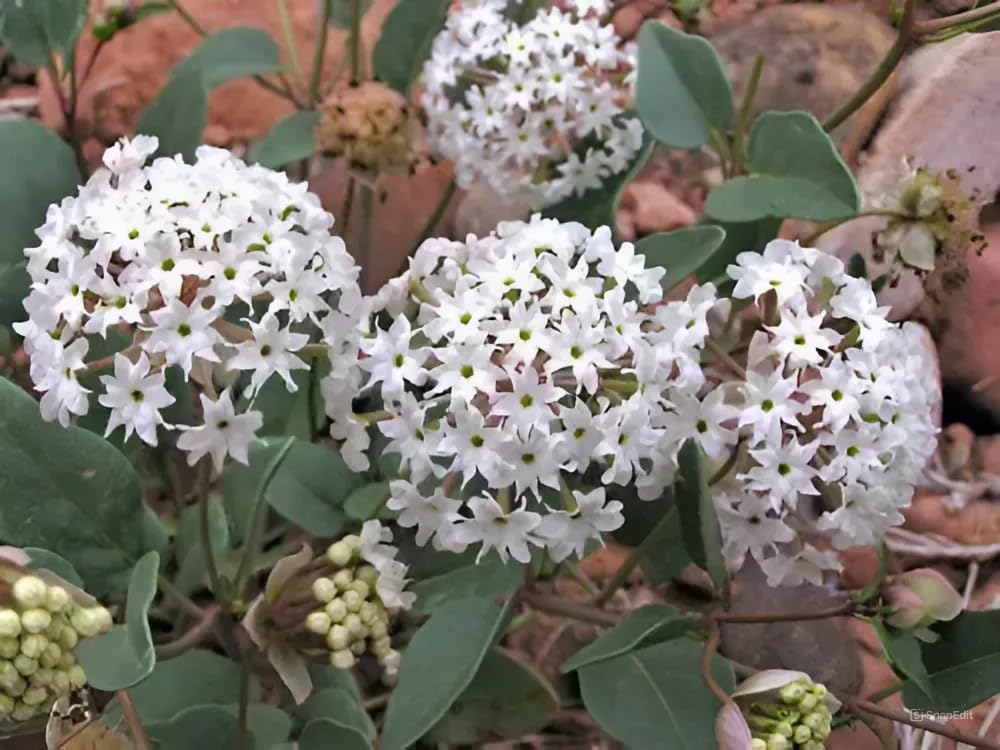
“Abronia Fragrans Flower Seeds …” from www.amazon.com and used with no modifications.
Common Names: Prairie Snowball, Wild Lantana, and More
The plant you’re looking for might be labeled as Prairie Snowball, Sweet Sand-verbena, Fragrant Sand-verbena, or even Wild Lantana. This naming confusion stems from its visual similarities to other flowering plants, particularly when in bloom. The snowball name comes from its rounded clusters of small white flowers that resemble miniature snowballs perched atop slender stems. When shopping for this plant, I recommend asking specifically for Abronia fragrans rather than relying on common names that might lead to misidentification.
Regional variations in naming have led to a fascinating array of monikers for this single species. In the Southwest, you’ll often hear it called Wild Lantana, while in the Great Plains region, Prairie Snowball is the preferred term. Some gardening catalogs even list it as Heart’s Delight, a romantic nod to its captivating fragrance and appearance. Don’t be confused if you encounter these different labels—they all refer to the same wonderful plant.
Botanical Family: Not What You Think
Despite having “verbena” in its common name, Snowball Sand Verbena belongs to the Nyctaginaceae family, commonly known as the four o’clock family. This classification places it alongside other night-bloomers like the garden four o’clock (Mirabilis jalapa), explaining its tendency to release its strongest fragrance in the evening hours. True verbenas belong to the Verbenaceae family, while lantanas—though sometimes confused with Abronia—are also Verbenaceae members. This family distinction explains many of the differences in growth habits, care requirements, and characteristics that separate Abronia from plants it’s commonly confused with.
Annual or Perennial? The Answer Depends on Your Climate
Snowball Sand Verbena is technically a herbaceous perennial in USDA hardiness zones 4a through 9b, returning year after year from its taproot in suitable conditions. In colder regions beyond zone 4, gardeners might need to treat it as an annual or provide winter protection. The plant’s perennial nature becomes most apparent in its native range across the American West, where it has adapted to survive harsh winter conditions and scorching summers. When given the right growing conditions—particularly well-draining sandy soil—this resilient plant can establish itself as a long-lived perennial, gradually forming larger clumps with each passing season.
I’ve found that even in marginal zones, Abronia fragrans often surprises gardeners by returning after seemingly harsh winters. The key to its perennial performance lies in its deep taproot system, which helps it survive both drought and cold by storing energy reserves below the frost line. In zones with wet winters, providing excellent drainage becomes even more critical for perennial performance.
7 Compelling Reasons to Grow Snowball Sand Verbena
After growing Snowball Sand Verbena for several seasons, I can confidently say it earns its place in any water-wise garden through its multiple outstanding qualities. From its intoxicating scent to its resilience in challenging conditions, this native plant offers tremendous value for minimal care investment.
1. Intoxicating Vanilla-Like Fragrance
The most compelling reason to grow Snowball Sand Verbena is undoubtedly its exceptional fragrance. In the evening hours, this plant releases a sweet, vanilla-like scent that perfumes the entire garden. The fragrance intensifies at dusk, making it perfect for placement near patios, decks, or evening gathering spaces where you can fully appreciate its aromatic qualities. Unlike some garden fragrances that can be overwhelming or cloying, Abronia’s scent is subtle yet distinct—a gentle presence that enhances outdoor experiences without becoming intrusive. If you’re interested in pet-safe gardening, you might also explore safe garden ideas for pets.
2. Drought-Tolerant and Low-Maintenance
Once established, Snowball Sand Verbena exhibits remarkable drought tolerance, making it perfect for water-conscious gardens. Its deep taproot system allows it to access moisture far below the soil surface, enabling it to thrive during dry spells when other plants struggle. In my experience, this plant rarely needs supplemental watering after its first season, except during extreme drought conditions.
The low-maintenance nature of this plant extends beyond its water needs. It rarely requires fertilizing, doesn’t need deadheading to continue blooming, and typically stays compact enough to avoid frequent pruning. For busy gardeners or those looking to reduce garden maintenance time, Abronia fragrans offers beauty and fragrance without demanding constant attention.

“Secondary pollinators contribute to …” from esajournals.onlinelibrary.wiley.com and used with no modifications.
3. Butterfly and Pollinator Magnet
Few plants match Snowball Sand Verbena’s ability to attract beneficial insects to the garden. The nectar-rich flower clusters serve as essential food sources for butterflies, native bees, sphinx moths, and other important pollinators. I’ve observed numerous butterfly species visiting my Abronia plants, including painted ladies, skippers, and even the occasional monarch during migration.
This pollinator-friendly quality makes Abronia fragrans an excellent addition to wildlife gardens, native plantings, and conservation landscapes. By incorporating this plant into your garden, you’re not just adding beauty and fragrance—you’re providing crucial habitat and food for declining pollinator populations.
4. Beautiful White Flower Clusters
The distinctive rounded flower clusters of Snowball Sand Verbena create a charming display that resembles miniature snowballs hovering above the foliage. Each cluster contains numerous small, tubular flowers that open in succession, extending the blooming period for weeks. The pristine white blooms provide a cooling visual effect in hot summer gardens and pair beautifully with more colorful native plants.
I’ve found that these white blooms are particularly striking at dusk and dawn, when they seem to glow in the landscape. This quality makes them excellent for moon gardens or evening entertainment areas where their luminous quality can be fully appreciated. The long blooming season, typically from late spring through early fall, ensures months of visual interest.
5. Perfect for Rock Gardens and Xeriscaping
The natural habitat of Snowball Sand Verbena—sandy plains and dry prairie areas—makes it ideally suited for rock gardens, xeriscapes, and other low-water landscape designs. Its spreading but controlled growth habit allows it to fill spaces between rocks or cascade gently over wall edges without becoming invasive. In my garden, I’ve used it as a transition plant between pathway edges and more structured plantings, where it softens hard lines with its flowing form.
Its ability to thrive in poor, sandy soils where many other plants fail makes it particularly valuable for challenging garden spots. When incorporated into properly designed xeriscapes, this plant contributes both beauty and sustainability, reducing water usage while maintaining visual appeal. For slope stabilization in dry areas, few plants perform better while still offering ornamental qualities.
3 Potential Drawbacks to Consider
Despite its many virtues, Snowball Sand Verbena isn’t perfect for every garden situation. Understanding its limitations helps ensure successful cultivation and appropriate placement in your landscape. If you’re considering other plants, it’s important to evaluate their compatibility with pets, such as the Sword Fern, which offers insights into pet safety and care tips.
1. Limited Availability in Nurseries
Perhaps the biggest challenge in growing Snowball Sand Verbena is simply finding plants or seeds to purchase. As a native wildflower rather than a cultivated garden hybrid, it’s often overlooked by commercial nurseries focusing on more familiar ornamentals. I’ve found that specialized native plant nurseries, botanical garden plant sales, and online seed exchanges are the most reliable sources.
If you’re determined to grow this plant, you might need to plan ahead and order from native plant specialists or start your own from seed. The search effort pays dividends, however, as once established, this perennial will reward you for many years to come. For tips on creating a safe garden, consider how to manage your garden environment effectively.
2. Specific Soil Requirements
Snowball Sand Verbena strongly prefers dry, well-draining, sandy or gravelly soil conditions that mimic its native habitat. Gardens with heavy clay soils or poor drainage can pose significant challenges for this plant, often leading to root rot and premature death. I’ve learned through trial and error that attempting to grow it in rich garden soil amended with organic matter typically results in disappointing performance.
For gardeners with heavier soils, success is still possible by creating raised beds or berms with appropriate sandy soil mixtures. The extra effort to provide proper drainage can make the difference between a struggling specimen and a thriving plant. In containers, a cactus or succulent soil mix often produces the best results.
3. Can Look Untidy in Formal Gardens
The natural, somewhat sprawling growth habit of Abronia fragrans can appear untidy or informal, particularly in highly structured garden designs. Its semi-trailing stems and casual form don’t conform well to precise edging or tightly controlled garden aesthetics. I’ve observed that gardeners with formal design sensibilities sometimes find its free-form nature challenging to incorporate.
This plant truly shines in naturalistic settings where its relaxed growth habit becomes an asset rather than a liability. In cottage gardens, native plant displays, and informal landscapes, its natural form integrates beautifully with surrounding elements. For formal gardens, consider containing it in strategic locations where its informal nature won’t disrupt design coherence. Learn more about pet safety and care tips for similar plants.
Safety Profile: Is Snowball Sand Verbena Toxic?
When introducing any new plant to a garden where children and pets have access, safety considerations should always be a priority. Fortunately, Snowball Sand Verbena presents few concerns in this regard, making it suitable for family-friendly landscapes.
Unlike some ornamental plants that require cautionary placement, Abronia fragrans has no documented toxicity issues for humans or animals. This safety profile is particularly notable given the confusion with lantana, which can be toxic. The plant’s non-toxic nature makes it a versatile addition to gardens where safety is a primary consideration.
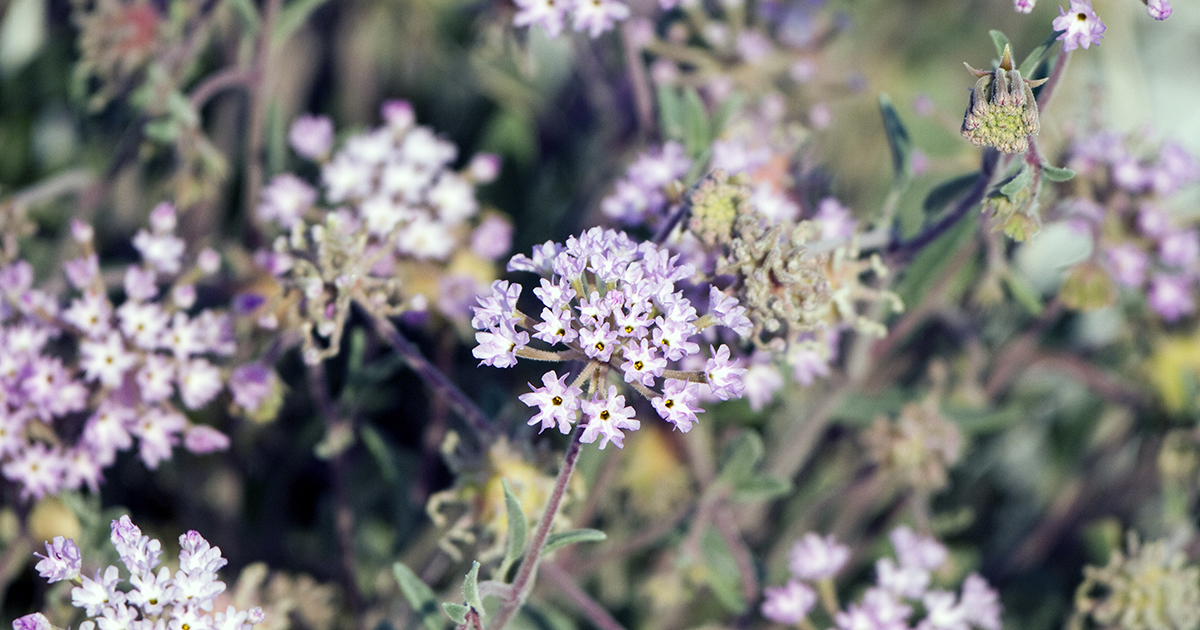
“Sand Verbena | ASPCA” from www.aspca.org and used with no modifications.
Pet Safety: Good News for Dog and Cat Owners
Pet owners can rest easy when adding Snowball Sand Verbena to their landscapes. According to available toxicology data, Abronia fragrans is not known to be toxic to dogs, cats, or horses. This stands in marked contrast to lantana, a plant it’s sometimes confused with, which contains toxic compounds that can cause liver damage if ingested in significant quantities.
I’ve grown this plant in gardens with both dogs and cats without incident. While no plant is completely immune to causing mild digestive upset if consumed in large quantities, Abronia fragrans doesn’t contain the specific toxins that make certain ornamentals dangerous to pets.
If you’re specifically choosing plants for a pet-friendly garden, Snowball Sand Verbena makes an excellent choice that combines safety with ornamental appeal. Its non-toxic nature becomes even more valuable when you consider its other positive attributes like drought tolerance and pollinator support.
- Non-toxic to dogs
- Safe for cats
- No known toxicity issues for horses
- A safe alternative to similar-looking but toxic lantana
While pets typically don’t show much interest in this plant, its safety profile provides peace of mind should curious animals decide to investigate or occasionally nibble on garden plants. This makes it particularly suitable for households with young or exploratory pets.
Edibility for Humans: Traditional Uses vs. Modern Recommendations
While there are historical records of indigenous peoples using parts of Abronia fragrans for medicinal purposes, modern foraging guides don’t typically include this plant as an edible species. The roots were occasionally used in traditional Native American medicine practices, but there’s insufficient research on safety for contemporary culinary applications.
Despite its appealing fragrance and non-toxic nature, Snowball Sand Verbena is best appreciated for its ornamental and ecological value rather than as an edible. The flowers may smell wonderful, but they’re not commonly consumed in modern culinary traditions. Without conclusive safety data, it’s wisest to enjoy this plant’s beauty and fragrance without consuming it.
The Distinctive Scent That Gives This Plant Its Name
The Latin species name “fragrans” directly references the plant’s most captivating feature—its remarkable fragrance. This isn’t just any pleasant garden scent; Snowball Sand Verbena produces a distinctive sweet vanilla-like fragrance that’s both sophisticated and comforting. Many gardeners report detecting notes of honey, almond, and sweet spice alongside the predominant vanilla character.
When and Why the Fragrance Intensifies
The scent of Snowball Sand Verbena follows a fascinating daily rhythm, becoming most pronounced in the evening and early night hours. This timing isn’t coincidental—it’s an evolutionary adaptation designed to attract specific pollinators like sphinx moths and other nocturnal insects that navigate by scent rather than sight. The fragrance typically begins intensifying around dusk, reaches its peak during the early evening hours, and gradually diminishes by morning.
Temperature and humidity also affect fragrance production. Warm evenings following hot days often yield the most potent scent, while cool or rainy conditions may subdue the fragrance. I’ve found that still evenings with high humidity seem to intensify and carry the scent furthest through the garden, creating an immersive sensory experience.
What Makes It Smell Like Vanilla
The vanilla-like scent comes from natural compounds in the flowers, likely including vanillin and related aromatic compounds. These chemical components are similar to those found in vanilla beans but produced independently by the plant. The combination of these compounds creates a complex fragrance profile that’s both distinctive and pleasant to most people.
The intensity of fragrance can vary somewhat between individual plants, with some specimens producing a stronger scent than others. If fragrance is your primary reason for growing this plant, it’s worth noting that plants grown from division of particularly fragrant specimens will maintain that characteristic, while seed-grown plants might show some variation.
Sand Verbena vs. True Verbena vs. Lantana: Spot the Differences
The naming confusion surrounding Snowball Sand Verbena often leads to mix-ups with true verbenas and lantanas. Understanding the key differences helps ensure you’re getting the plant you actually want and providing the appropriate care.
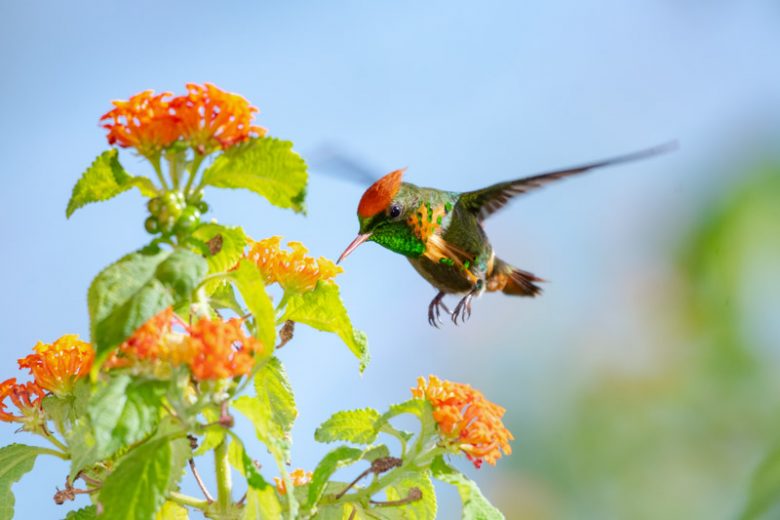
“Lantana: How to Grow and Care with Success” from www.gardenia.net and used with no modifications.
Botanical Classification and Family Traits
The most fundamental difference lies in botanical classification. Abronia fragrans belongs to the Nyctaginaceae (four o’clock) family, while both Verbena species and Lantana species belong to the Verbenaceae family. This family distinction explains many of the differences in growth habits, bloom patterns, and cultural requirements. Four o’clock family members typically show evening fragrance and flowering, while Verbenaceae members don’t usually follow this pattern.
Growth Habits and Appearance
Snowball Sand Verbena typically grows in a sprawling to semi-upright habit, reaching 8-40 inches in height depending on conditions. Its leaves are somewhat sticky, oval to rounded, and arranged oppositely on the stems. The distinctive rounded flower clusters consist of many small tubular blooms that appear white to very pale pink. Learn more about companion plants and their benefits.
True verbenas generally have a more spreading habit with smaller, often deeply lobed leaves and flatter flower clusters in a range of colors. Lantanas feature woody stems (especially in warmer climates), often thorny branches, and distinctive flat-topped flower clusters that frequently display multiple colors simultaneously or change color as they age. The leaf arrangement and texture also differ noticeably among these plants.
Fragrance Comparison
Fragrance offers one of the clearest distinctions between these plants. While Snowball Sand Verbena produces its distinctive sweet vanilla scent, most verbena species have a more herbal, sometimes citrusy fragrance that’s typically less pronounced. Lantana flowers emit a distinctive scent that many describe as pungent or medicinal—some find it pleasant while others consider it too strong or disagreeable.
Plant Comparison at a Glance
Snowball Sand Verbena: Sweet vanilla fragrance, evening-intensified, rounded white flower clusters, non-toxic.
True Verbena: Mild herbal scent, flat flower clusters in various colors, can be mildly toxic to pets.
Lantana: Strong medicinal fragrance, multi-colored flower clusters, contains toxic compounds harmful to pets.
Toxicity Differences You Must Know
Perhaps the most important practical difference concerns toxicity. Snowball Sand Verbena is considered non-toxic to humans and animals. True verbenas may cause mild stomach upset if ingested in large quantities but aren’t considered seriously toxic. Lantana, however, contains toxic compounds called pentacyclic triterpenoids that can cause serious liver damage if ingested, particularly in pets, making it a concern in gardens where animals have access.
How to Grow Snowball Sand Verbena Successfully
Success with Snowball Sand Verbena depends on recreating its native growing conditions as closely as possible. This means prioritizing excellent drainage, providing ample sunlight, and resisting the urge to overwater or overfertilize.
Ideal Growing Conditions
Snowball Sand Verbena thrives in full sun positions receiving at least 6-8 hours of direct sunlight daily. The plant tolerates partial shade but produces fewer flowers and less intense fragrance in too much shade. Soil requirements are specific—this plant needs dry, lean, well-draining sandy or gravelly soil that mimics its native habitat. For those interested in companion planting, you might consider options like wild buckwheat to enhance your garden’s diversity.
The plant performs best in USDA hardiness zones 4a-9b, though successful cultivation is possible outside this range with appropriate microclimate adjustments. In terms of pH, it adapts to slightly acidic through slightly alkaline soils (pH 6.0-8.0) but struggles in extremely acidic conditions. Like many natives, it thrives with minimal fertility—excess nutrients often produce leggy growth at the expense of flowering. For more information on plant care, check out this artillery plant care guide.
Planting Tips for Best Results
When planting Snowball Sand Verbena, choose a location with excellent drainage and full sun exposure. If your soil is heavy clay or retains too much moisture, consider creating a raised planting area or amending the soil with coarse sand and small gravel to improve drainage. Avoid adding rich compost or other organic amendments that retain moisture, as these can promote root rot.
Plant in spring after all danger of frost has passed, spacing plants 12-18 inches apart to accommodate their spreading habit. When planting from containers, position the crown at the same level as it was in the pot—burying too deeply can cause stem rot. Water thoroughly after planting, then reduce watering frequency as plants establish.
For seed starting, cold stratification improves germination rates. Place seeds in moist sand in a sealed container and refrigerate for 30-60 days before sowing. Direct sow in fall for natural stratification over winter, or start indoors 8-10 weeks before last frost if pre-stratified.
Watering Schedule: Less Is More
The cardinal rule for watering Snowball Sand Verbena is “less is more.” After the initial establishment period (typically 4-6 weeks), this plant requires minimal supplemental watering except during extreme drought. Overwatering is the most common cause of failure with this species, as it quickly leads to root rot and plant decline.
During the first growing season, water deeply but infrequently, allowing the soil to dry completely between waterings. In subsequent seasons, rainfall is often sufficient except during prolonged dry periods. When watering is necessary, apply water at the base of the plant rather than overhead to minimize foliar diseases.
In container culture, use a fast-draining potting mix and ensure containers have ample drainage holes. Even in containers, it’s better to underwater than overwater this drought-adapted species. The plant will signal water need through slight wilting, but recovers quickly once moisture is provided.
Seasonal Care Guide
Snowball Sand Verbena requires different care approaches throughout the seasons. In spring, remove any winter-damaged stems and apply a light top-dressing of coarse sand if soil compaction has occurred. Summer care focuses on occasional deep watering during drought and potentially trimming back leggy growth by no more than one-third. Fall preparation includes reducing watering further and avoiding late-season fertilization that might stimulate tender growth vulnerable to winter damage. Winter care in colder zones may include a light mulch of gravel or coarse sand (not organic materials) to protect the crown while maintaining drainage.
Propagation Methods That Actually Work
The most reliable propagation method for Snowball Sand Verbena is growing from seed, which preserves genetic diversity and vigor. Collect seeds from dried flower heads in late summer to fall, then cold stratify as described earlier. Germination typically occurs within 14-21 days at temperatures between 65-75°F (18-24°C).
While more challenging, stem cuttings can succeed when taken in early summer from semi-woody stems. Use a rooting hormone and place in a very well-draining medium like perlite mixed with coarse sand. Maintain humidity while ensuring good air circulation to prevent rot. Root development typically takes 3-4 weeks, after which plants can be gradually acclimated to outdoor conditions.
Best Places to Showcase Snowball Sand Verbena in Your Landscape
Strategic placement of Snowball Sand Verbena maximizes both its visual impact and fragrance benefits. Consider positioning this plant where its evening scent can be fully appreciated and where its natural growth habit enhances rather than detracts from the landscape design.
Rock Gardens and Slopes
Rock gardens provide ideal conditions for Snowball Sand Verbena, mimicking its native habitat while showcasing its sprawling growth habit. The plant’s roots can navigate between rocks to find moisture, while the excellent drainage prevents root rot. Position plants where they can cascade over rock edges or fill spaces between larger stones.
Desert and Xeriscape Gardens
In water-wise and desert-inspired landscapes, Snowball Sand Verbena serves as both a practical and beautiful addition. Its drought tolerance reduces irrigation needs, while its flowering performance adds visual interest to otherwise sparse plantings. Pair it with other native or adapted species like penstemons, salvias, and ornamental grasses for a cohesive desert garden look.
Native Plant Gardens
In native plant collections, Snowball Sand Verbena represents the beauty and resilience of American prairie and desert flora. Its inclusion supports ecological gardening goals by providing habitat and food for native pollinators. Create planting combinations that reflect natural plant communities where this species occurs in the wild.
|
Garden Type |
Placement Suggestions |
Companion Plants |
|---|---|---|
|
Rock Garden |
Between rocks, along edges |
Sedums, creeping thyme, small cacti |
|
Xeriscape |
Mid-level accent, pathway borders |
Agave, yucca, ornamental grasses |
|
Native Garden |
Sunny borders, prairie recreation |
Penstemons, evening primrose, gaillardia |
|
Sensory Garden |
Near seating areas, evening gathering spaces |
Moonflower, night-blooming jasmine |
For evening enjoyment, consider placing plants near patios, decks, or seating areas where the fragrance can be appreciated during outdoor activities. The pale flowers also seem to glow in twilight, adding visual interest to evening garden spaces.
Container placement works well for patios and apartment gardens, though be sure to use deep containers with excellent drainage. The cascading habit makes an attractive display in raised planters or large pottery where the plant can spill over edges.
Transform Your Garden With This Fragrant Native Beauty
Snowball Sand Verbena offers a unique combination of fragrance, drought tolerance, and ecological value that few other garden plants can match. By incorporating this resilient native into your landscape, you’re not only creating a beautiful and fragrant garden space but also supporting local pollinator populations and practicing sustainable gardening principles.
Whether you’re developing a dedicated native plant collection, designing a water-wise landscape, or simply looking for plants that thrive with minimal care, Abronia fragrans deserves consideration. Its evening fragrance transforms ordinary outdoor spaces into sensory experiences, while its adaptability to challenging conditions makes it accessible to gardeners of various skill levels.
Frequently Asked Questions
After sharing information about Snowball Sand Verbena with countless garden visitors, I’ve compiled the most common questions about this fascinating plant. These answers address the practical concerns most gardeners have when considering adding this species to their landscapes, including pet safety.
If you’re contemplating growing this beautiful native, these responses may help you determine if it’s right for your specific garden conditions and needs. For more detailed information, you can explore the Abronia fragrans Wikipedia page.
Will Snowball Sand Verbena grow in clay soil?
Snowball Sand Verbena struggles in heavy clay soil due to poor drainage that can lead to root rot. If you have clay soil, success is still possible by creating raised beds with a sandy soil mix or amending existing soil with coarse sand and fine gravel to improve drainage. Adding at least 50% mineral-based amendments to clay can create suitable conditions.
Another approach is to create a specialized pocket or berm of appropriate soil within your garden specifically for this and other plants with similar requirements. The key is ensuring water doesn’t collect around the roots, especially during winter months when plants are dormant and particularly susceptible to rot.
How long does it take for Snowball Sand Verbena to bloom from seed?
When grown from seed, Snowball Sand Verbena typically takes 12-16 weeks to reach flowering size under ideal conditions. Seeds started indoors in late winter can produce flowering plants by mid-summer of the same year. For the most reliable results, start seeds 8-10 weeks before your last frost date after providing appropriate cold stratification.
Can I grow Snowball Sand Verbena in containers?
Snowball Sand Verbena adapts well to container culture provided you use a very well-draining potting medium and containers with ample drainage holes. A mix of cactus potting soil with additional perlite or pumice creates ideal conditions. Choose deep containers that accommodate the taproot, preferably at least 12 inches in depth.
In containers, pay particular attention to winter care in colder regions. The roots are more exposed to freezing temperatures in pots than in the ground. Moving containers to an unheated garage or against a protected wall during winter can improve survival rates in zones 4-5.
Container Growing Tip: To create the ideal potting mix for Snowball Sand Verbena, combine 2 parts cactus/succulent soil, 1 part coarse sand, and 1 part perlite or pumice. This creates the sharp drainage this plant craves while still providing necessary stability for root development. For more information on plant care, check out our Artillery Plant Care Guide.
Does Snowball Sand Verbena bloom all summer?
Snowball Sand Verbena typically produces its main flush of blooms in late spring to early summer, with continued sporadic flowering through early fall in most regions. The most abundant flowering period usually lasts 4-6 weeks, though favorable conditions can extend this considerably. Factors that promote extended blooming include full sun exposure, proper drainage, and occasional deep watering during extremely dry periods.
Will deer eat Snowball Sand Verbena?
Snowball Sand Verbena is generally considered deer-resistant, though no plant is completely deer-proof when food is scarce. The slightly sticky foliage and strong fragrance typically deter browsing by deer and rabbits under normal circumstances. In my experience growing this plant in deer-populated areas, it’s rarely suffered damage even when nearby plants were heavily browsed. For additional information on plant care and pet safety, you might find this artillery plant care guide helpful.
This deer resistance adds to its value in rural and suburban gardens where wildlife pressure presents challenges for many ornamental plants. Combined with its drought tolerance and low maintenance requirements, this quality makes it particularly suitable for outlying areas of the garden where regular monitoring and protection are impractical.
If you’re looking for a resilient, fragrant, and ecologically valuable addition to your garden, few plants offer the unique combination of benefits found in Snowball Sand Verbena. Consider giving this native beauty a place in your landscape where its evening perfume and snow-white blooms can be fully appreciated. For those interested in plant safety, you might also want to explore artillery plant care to ensure your garden remains a safe haven for pets.
For more expert advice on native plant gardening and sustainable landscaping practices, visit Desert Natives Nursery, where we specialize in helping gardeners create beautiful, resilient landscapes using plants perfectly adapted to challenging conditions.