
Key Takeaways
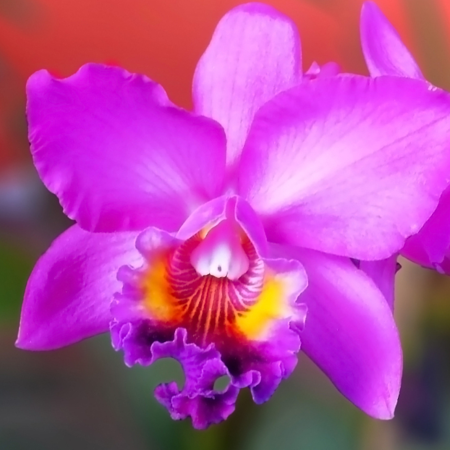
- Brazilian orchids primarily refer to Cattleya species, known for their showy blooms and popularity as corsage flowers.
- Most Brazilian orchids are epiphytes that require specific care including proper light, humidity, and specialized potting media to thrive.
- Many Brazilian orchid species are protected under CITES regulations due to their endangered status in the wild.
- Unlike some houseplants, Brazilian orchids are generally non-toxic to cats and dogs, making them safe additions to pet-friendly homes.
- Successful cultivation of Brazilian orchids depends on mimicking their natural rainforest conditions with proper seasonal adjustments.
Brazilian orchids captivate with their extraordinary beauty and fascinating growth habits. Whether you’re a novice enthusiast or seasoned collector, understanding these remarkable plants opens a world of horticultural satisfaction. OrchidPro experts have studied these stunning flowering plants for decades and can help you navigate the complexities of Brazilian orchid care with confidence.
The orchid family encompasses over 25,000 species worldwide, with Brazil hosting some of the most spectacular varieties. Their unique adaptations to diverse Brazilian ecosystems make them both challenging and rewarding to grow. Let’s explore everything you need to know about these botanical treasures.
Article-at-a-Glance
Brazilian orchids represent some of the most coveted flowering plants in the horticultural world. This comprehensive guide covers identification techniques, conservation status, legal considerations, safety information, and specialized care requirements for both indoor and outdoor cultivation. You’ll discover why these orchids command such admiration and how to successfully integrate them into your plant collection.
From the rainforests of Amazonia to the coastal mountains of the Atlantic Forest, Brazil’s diverse ecosystems have produced orchid species with remarkable adaptations. Understanding these native conditions is key to providing appropriate care. This article examines everything from proper watering techniques to seasonal adjustments that trigger spectacular blooming. For those interested in similar plant care, you might find the sword fern care tips helpful as well.
With proper knowledge and attention to their specific needs, Brazilian orchids can thrive in home environments, rewarding growers with spectacular blooms for many years. For those interested in plant care, you might find this artillery plant care guide helpful as it shares insights on indoor and outdoor plant maintenance. The advice provided here represents decades of collective experience from orchid specialists and botanical researchers dedicated to these magnificent plants.
Brazilian Orchids Unveiled: Identification and Common Names
The term “Brazilian orchid” encompasses numerous species native to Brazil’s diverse habitats, though it most commonly refers to members of the Cattleya genus. These spectacular flowering plants have captured the hearts of collectors worldwide with their large, colorful blooms and intoxicating fragrances. Brazil’s rich biodiversity has produced orchid varieties adapted to environments ranging from humid rainforests to drier highlands.
When enthusiasts discuss Brazilian orchids, they’re often referring to plants that showcase the classic orchid flower form – with three sepals, three petals (one modified into a distinctive lip), and a central column containing both male and female reproductive parts. The beauty of these flowers lies not just in their visual appeal but in their extraordinary evolutionary adaptations.
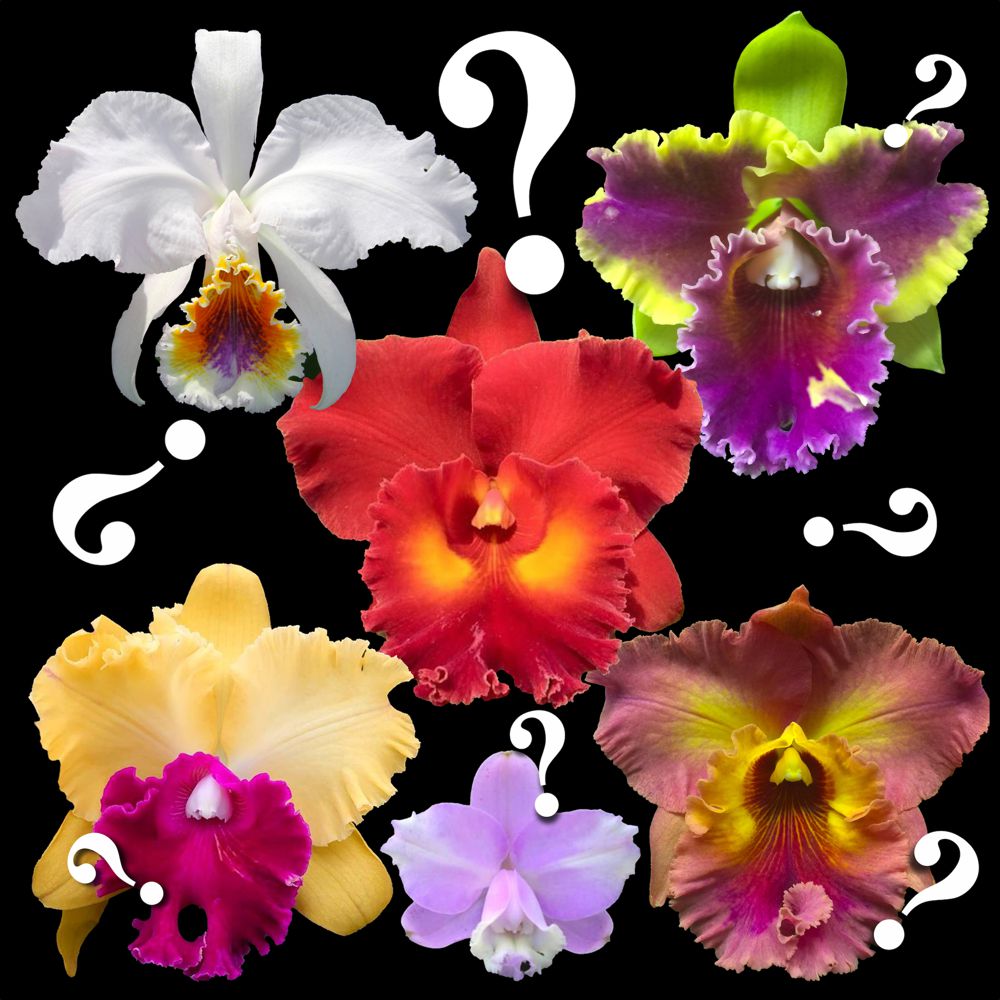
“Cattleya orchids mystery/NoID huge …” from www.orchidinsanity.com and used with no modifications.
What Actually Counts as a “Brazilian Orchid”
Brazilian orchids technically include any orchid species native to Brazil’s diverse ecosystems. However, the term most commonly refers to the spectacular Cattleya genus, known for large, showy flowers and intense fragrance. Beyond Cattleya, Brazilian orchids include genera like Laelia, Sophronitis, Oncidium, and Miltonia—each offering distinctive growth habits and flower characteristics. Brazil’s varied topography and climate zones have produced one of the richest orchid diversities in the world, with new species still being discovered.
How to Identify Cattleya and Other Brazilian Species
- Cattleya: Look for thin pseudobulbs emerging from a rhizome, thick waxy leaves, and large, colorful flowers with a prominent labellum (lip)
- Laelia: Similar to Cattleya but typically smaller with clustered pseudobulbs and more numerous flowers per stem
- Sophronitis: Miniature plants with bright red or orange flowers and compact growth habit
- Oncidium: Often called “dancing lady” orchids with spray-like flower arrangements resembling butterflies
- Miltonia: Known as “pansy orchids” due to their flat, rounded flowers resembling pansies
The physical characteristics of Brazilian orchids vary widely between genera, but most share their epiphytic nature—growing attached to trees rather than in soil. This adaptation defines their care requirements, as they absorb moisture and nutrients from the air rather than through conventional root systems. Their specialized roots feature a sponge-like covering called velamen that quickly absorbs water when available and provides protection during dry periods.
Brazilian orchids typically feature growth structures called pseudobulbs—thickened stem segments that store water and nutrients. These pseudobulbs connect via a horizontal stem called a rhizome, creating the plant’s distinctive growth pattern. Understanding these structures helps in proper identification and informs correct care techniques.
Popular Names: Corsage Orchid, Queen of Orchids, and Others
Brazilian Cattleyas have earned several evocative nicknames reflecting their cultural significance and stunning appearance. “Corsage Orchid” derives from their historical use in formal wear accessories, particularly for proms and weddings throughout the 20th century. The title “Queen of Orchids” acknowledges their regal beauty and prominent status in orchid collections worldwide. Other common names include “Cat Orchid” (shorthand for Cattleya) and various local Brazilian names like “flor-de-maio” (May flower) for species that typically bloom in that month. These names reflect not just botanical classification but the deep cultural connection humans have formed with these extraordinary flowers.
Conservation Status and Rarity of Brazilian Orchids
Brazilian orchids face significant conservation challenges due to habitat destruction, over-collection, and climate change. Many species that once thrived throughout Brazil’s diverse ecosystems now exist only in protected reserves or specialized collections. The Atlantic Forest region, home to numerous endemic orchid species, has been reduced to less than 10% of its original extent, creating a conservation crisis for its unique flora.
The rarity of certain Brazilian orchid species has unfortunately increased their desirability among collectors, creating a problematic cycle that threatens wild populations. Conservation organizations work diligently to protect remaining habitats and establish sustainable propagation programs. For responsible enthusiasts, understanding the conservation status of different species becomes an essential aspect of ethical orchid cultivation.
Native Habitats Throughout Brazil
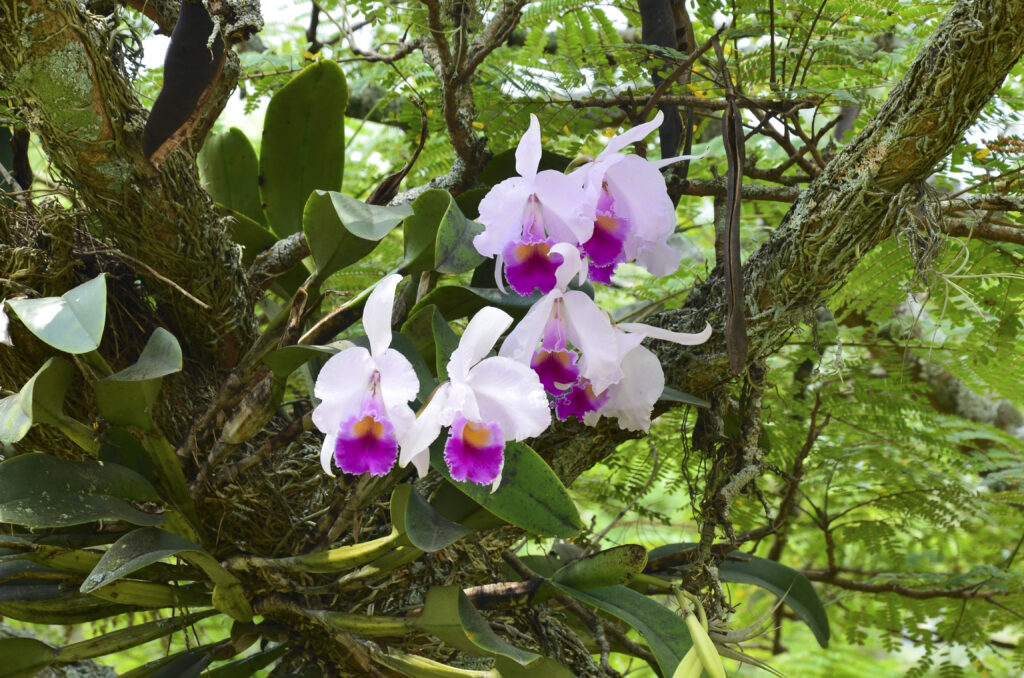
Brazilian orchids have evolved to thrive in remarkably diverse habitats across the country’s vast territory. In the Amazon Basin, orchids adapt to high humidity and filtered light beneath the rainforest canopy. Along the Atlantic coast, species inhabit the unique conditions of the Atlantic Forest, with its seasonal rainfall patterns and varied elevations. The central cerrado (savanna) regions host orchids adapted to pronounced wet and dry seasons, while southern regions feature species capable of withstanding cooler temperatures.
These diverse native environments explain why different Brazilian orchid species require such specific care regimens. Understanding a particular orchid’s natural habitat provides essential clues for successful cultivation. Factors like light intensity, humidity levels, temperature fluctuations, and seasonal variations all inform proper care techniques. For instance, similar to sword fern care tips, understanding the right balance of sun and shade can be crucial for orchids as well.
“Celebrate Orchids! – Christine Elder” from christineelder.com and used with no modifications.
Threatened Species and Conservation Efforts
Many Brazilian orchid species now appear on the IUCN Red List of Threatened Species, with some classified as critically endangered. Habitat destruction remains the primary threat, as Brazil’s forests face pressure from agricultural expansion, logging, and urban development. Particularly vulnerable are endemic species with highly specific habitat requirements and limited natural ranges. The Atlantic Forest region, once extending along much of Brazil’s coast, has been reduced to fragmented patches, placing its unique orchid diversity at severe risk.
Conservation organizations like the Orchid Conservation Alliance work to purchase and protect critical orchid habitats in Brazil. Meanwhile, botanical gardens worldwide maintain ex-situ conservation collections to preserve genetic diversity. Advanced propagation techniques, particularly in vitro germination and meristem culture, allow for the reproduction of endangered species without further depleting wild populations. These efforts represent crucial steps toward ensuring these botanical treasures remain part of our planet’s biodiversity.
For orchid enthusiasts, supporting conservation becomes part of responsible cultivation. Purchasing nursery-propagated plants from reputable sources ensures you’re not contributing to illegal collection. Many specialist growers now participate in conservation programs, reinvesting portions of their proceeds into habitat protection initiatives.
Why Certain Brazilian Orchids Command High Prices
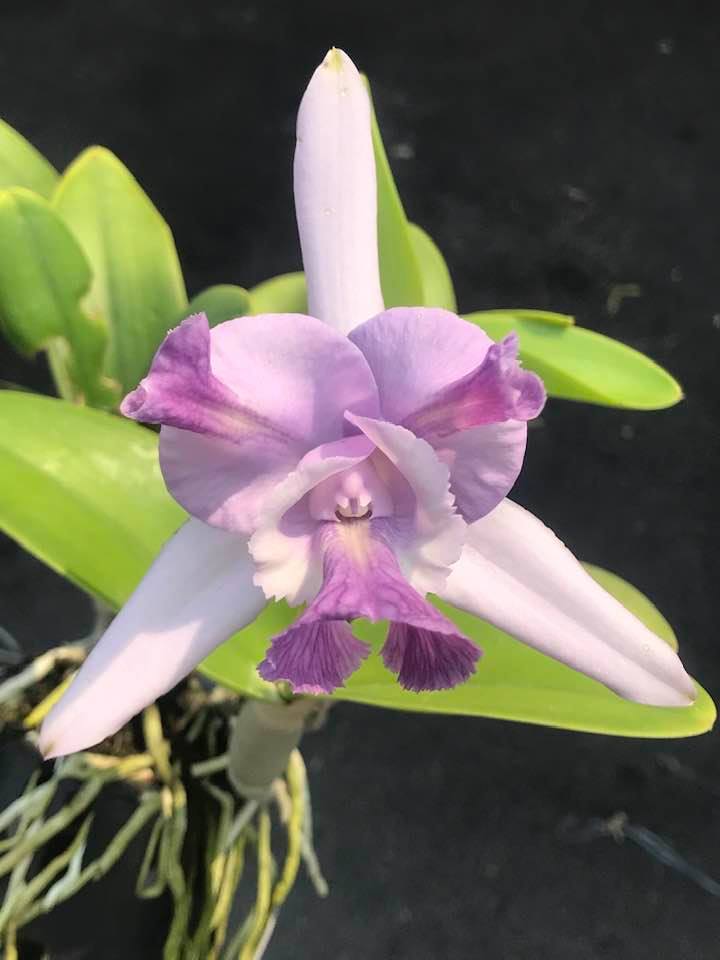
The extraordinary prices commanded by certain Brazilian orchids reflect a combination of rarity, beauty, and cultivation challenges. Historic specimens of Cattleya labiata, the first Cattleya discovered, can fetch thousands of dollars when special color varieties or award-winning forms become available. Newly discovered species or natural hybrids with limited distribution may be initially accessible only to specialized collectors, creating a premium market for these botanical treasures.
Beyond natural rarity, decades of selective breeding have produced exceptional hybrid cultivars with improved flower size, color, pattern, and blooming frequency. These superior plants, especially when they’ve received awards from major orchid organizations, can command premium prices. For serious collectors, these investments represent not just beautiful flowers but living works of art with genetic lineages carefully documented through generations of cultivation.
Understanding the value factors in Brazilian orchids helps collectors make informed decisions. While rare specimens may appeal to experienced growers, beginners typically find greater success with more affordable, widely available hybrids specifically bred for adaptability to home growing conditions.
Legal Ownership: What You Need to Know
Navigating the legal landscape surrounding Brazilian orchid ownership requires awareness of international conservation agreements and import/export regulations. The trade in wild-collected orchids is strictly regulated to protect natural populations, with severe penalties for violations. Responsible orchid enthusiasts must understand these restrictions and ensure their collections comply with applicable laws.
For collectors, the primary concern involves documentation proving nursery propagation rather than wild collection. Reputable vendors provide appropriate paperwork, particularly for recently imported plants. Developing relationships with established orchid nurseries and joining orchid societies provides access to legally propagated specimens while supporting ethical cultivation practices.
“Cattleya Brazilian Jewel-intermedia …” from orchidroots.com and used with no modifications.
CITES Regulations for Brazilian Orchid Trade
The Convention on International Trade in Endangered Species of Wild Fauna and Flora (CITES) governs the global trade of endangered plants, including most Brazilian orchids. All orchid species appear in CITES Appendix II, requiring export permits from the country of origin, while particularly threatened varieties receive Appendix I listing, prohibiting commercial international trade entirely. These regulations aim to ensure that international demand for these beautiful plants doesn’t contribute to their extinction in the wild.
For collectors, CITES compliance means purchasing only properly documented plants. When acquiring Brazilian orchids, particularly unusual or rare species, request documentation verifying legal propagation. Nursery-grown plants typically come with appropriate paperwork, though older specimens in established collections may predate current documentation requirements. When traveling internationally, never transport orchids without appropriate permits, as customs authorities enforce CITES regulations with increasing vigilance.
While these regulations may seem cumbersome, they represent essential protection for vulnerable species. The devastating impact of historical over-collection on wild orchid populations demonstrates the necessity of these conservation measures. Responsible collectors recognize that legal compliance supports both conservation goals and the long-term viability of the orchid hobby.
Legal Sources for Purchasing Brazilian Orchids
For enthusiasts seeking to acquire Brazilian orchids legally and ethically, several reliable channels exist. Established commercial orchid nurseries with CITES certification provide the most straightforward option, offering plants propagated through seed or tissue culture rather than wild collection. Many specialize in particular genera, developing exceptional expertise in their cultivation. These businesses typically provide appropriate documentation for their plants, ensuring buyers can confidently add them to their collections.
Orchid society shows and sales offer another excellent source for legally propagated Brazilian orchids. These events bring together specialty growers and hobbyists who propagate their own plants, often offering varieties not available commercially. The educational atmosphere at these gatherings provides invaluable learning opportunities for both novice and experienced growers. Many societies also organize member plant exchanges or auctions featuring divided plants from established collections.
Online orchid forums and specialty websites have expanded access to legally propagated Brazilian orchids, though buyers should verify seller credentials carefully. Reputable online vendors provide clear information about plant origins and appropriate documentation. When uncertain about a source’s legitimacy, orchid society members can often provide guidance based on collective experience.
Are Brazilian Orchids Safe for Your Home?
Safety concerns represent an important consideration when introducing any plant into home environments, particularly for households with children or pets. Fortunately, Brazilian orchids generally present minimal health risks, making them suitable additions to most living spaces. Their non-toxic nature contrasts with many common houseplants that contain irritating or poisonous compounds.
Beyond toxicity considerations, Brazilian orchids contribute positively to indoor environments. Like most plants, they participate in air purification by absorbing carbon dioxide and releasing oxygen. Their cultivation encourages attention to indoor humidity levels, often improving comfort in overly dry homes. For many enthusiasts, the psychological benefits of nurturing these beautiful plants provide significant wellness advantages.
Toxicity Profile for Humans
Brazilian orchids present minimal toxicity concerns for human handlers and household members. Unlike many common houseplants containing calcium oxalate crystals or toxic alkaloids, orchids generally lack defense chemicals that might cause skin irritation or internal distress if accidentally ingested. This safety profile makes them appropriate choices for homes with children, though as with any houseplant, discouraging consumption remains advisable.
The American Association of Poison Control Centers rarely records significant incidents involving orchid exposure. The plants contain no known compounds causing severe systemic toxicity in humans. Some individuals may experience mild skin sensitivity when handling certain species, particularly those with fine hairs on their leaves or pseudobulbs, but such reactions remain uncommon and typically resolve quickly without treatment.
While orchid potting media, fertilizers, and pest control products may present hazards, the plants themselves rank among the safest flowering houseplants available. Their low-risk profile makes Brazilian orchids particularly suitable for healthcare environments, schools, and other sensitive settings where plant safety concerns might otherwise limit horticultural options.

“Are Orchids Safe for Dogs: 11 Pup …” from topdogtips.com and used with no modifications.
Safety for Cats and Dogs: What Research Shows
According to the ASPCA, orchids including Brazilian Cattleyas and related species are non-toxic to cats and dogs, making them safe choices for pet-owning plant enthusiasts. This assessment contrasts with many popular houseplants like lilies (highly toxic to cats) and philodendrons (containing irritating compounds). While curious pets might damage orchid plants through chewing or digging, the interaction typically poses greater risk to the plant than the animal.
Indoor Care Requirements for Thriving Brazilian Orchids
Creating appropriate growing conditions represents the cornerstone of successful Brazilian orchid cultivation. These plants evolved specific adaptations to their natural habitats, requiring thoughtful replication of those conditions in home environments. Understanding their epiphytic nature—growing attached to trees rather than in soil—explains many of their seemingly unusual care requirements. With proper attention to key environmental factors, these magnificent plants can thrive indoors for decades.
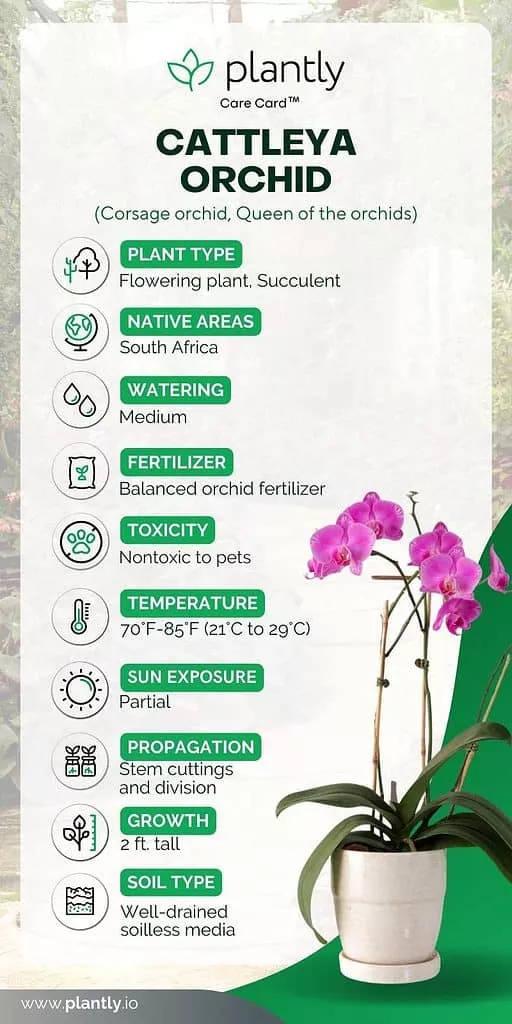
“Ultimate Guide & Cattleya Orchid Plant …” from plantly.io and used with no modifications.
Winter Rest Period Management
Many Brazilian orchids require a distinct winter rest period to mimic their natural seasonal cycles and trigger blooming. During winter months (typically November through February in the Northern Hemisphere), reduce watering frequency by approximately 30-50%, allowing the potting medium to dry more thoroughly between waterings. Temperature fluctuations play a crucial role during this period, with cooler nighttime temperatures (55-60°F/13-15°C) signaling the plant to initiate flower spike development. Maintain bright light levels, as winter sun poses less risk of leaf burn while providing essential energy for future bloom development.
Fertilization should be reduced or eliminated entirely during the rest period, reflecting the natural nutrient scarcity orchids experience during dry seasons. For Cattleyas and similar Brazilian orchids, this nutrient restriction encourages the plant to allocate resources toward reproductive growth rather than foliage production. While reducing water and fertilizer, maintain good air circulation and moderate humidity (40-60%) to prevent opportunistic fungal issues. This period of relative dormancy prepares the plant for spectacular flowering once growing conditions improve.
Encouraging Spring and Summer Blooms
As days lengthen in spring, Brazilian orchids enter their active growth phase, requiring adjustments to their care regimen. Gradually increase watering frequency as new growth appears, ensuring thorough moisture penetration throughout the potting medium. Resume regular fertilization using a balanced orchid formula at quarter to half strength, applying weekly during active growth periods. Many growers follow the “weekly, weakly” approach—fertilizing at each watering but at reduced concentration to prevent root damage while providing consistent nutrition.
Light intensity management becomes particularly important during the pre-blooming period. Cattleyas and related Brazilian orchids typically require high light levels to initiate flower spikes, often approaching 3,000-4,000 foot-candles (similar to bright, indirect sunlight). Position plants where they receive bright filtered light for 12-14 hours daily, protecting them from harsh midday sun which can damage foliage. Humidity levels should increase to 60-70% during active growth, achieved through humidity trays, grouping plants together, or room humidifiers in drier environments.
Common Problems and Solutions
Despite their reputation as challenging plants, most issues with Brazilian orchids stem from correctable cultural practices rather than inherent fragility. Understanding common problems enables early intervention before plant health significantly deteriorates. The majority of orchid failures result from inappropriate watering practices—typically overwatering—that lead to root decay and subsequent inability to absorb nutrients. For more information on how to care for plants safely around pets, you might find this guide on fern care and pet safety helpful.
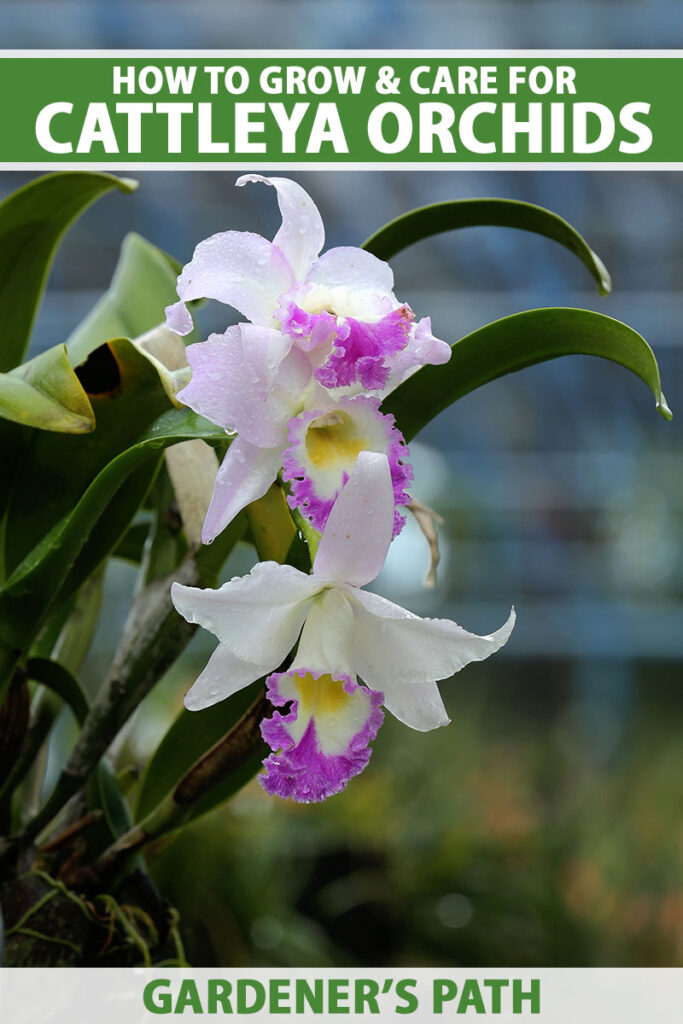
“Grow and Care for Cattleya Orchids …” from gardenerspath.com and used with no modifications.
Diagnostic Guide: Brazilian Orchid Health Issues
When caring for Brazilian orchids, it’s essential to be aware of potential health issues that may arise. These can include pests, diseases, and environmental stressors. For those looking to ensure their orchids thrive, consider exploring care tips for thriving indoors and outdoors, which can provide valuable insights into maintaining a healthy environment for your plants.
Yellowing leaves: Typically indicates overwatering, nutrient deficiency, or natural senescence of older foliage. Check root health—white or green roots indicate good health; brown, mushy roots signal root rot.
Wrinkled pseudobulbs: Usually signifies dehydration. Increase watering frequency but verify roots are healthy enough to absorb moisture. For more tips on plant care, check out our Artillery Plant Care Guide.
Black spots on leaves: Often bacterial or fungal infection. Improve air circulation, reduce overhead watering, and consider appropriate fungicide.
Failure to bloom: Usually indicates insufficient light, improper temperature differential, or inadequate rest period. Verify cultural conditions match the specific species requirements. For additional care tips, consider reading about reviving and thriving plants indoors and outdoors.
Environmental stressors frequently manifest in Brazilian orchids before permanent damage occurs, providing attentive growers with opportunities for correction. Sudden environmental changes—such as relocating plants or dramatic temperature fluctuations—can trigger temporary growth pauses or blossom abortion. Allow plants to acclimate gradually when changing their growing conditions, and maintain detailed records of successful care protocols for reference during troubleshooting.
Careful observation remains the most valuable tool for problem prevention, as minor issues caught early typically respond well to corrective measures. Inspect new growth, root tips, and leaf surfaces regularly for early signs of stress or pest activity. Brazilian orchids communicate their needs through subtle changes in appearance—learning to read these signals transforms challenging situations into valuable learning opportunities. For those interested in plant care, exploring indoor and outdoor care tips for other plants can provide additional insights.
Identifying and Treating Pest Infestations
Brazilian orchids may encounter several common pests, each requiring specific identification and treatment approaches. Scale insects appear as small, immobile bumps on leaves and stems, secreting honeydew that encourages sooty mold development. Treatment involves manually removing visible scale with alcohol-dipped cotton swabs, followed by application of horticultural oil or insecticidal soap. For severe infestations, systemic insecticides containing imidacloprid provide longer-lasting protection, though care must be taken to follow application guidelines precisely. For additional insights on plant care, you might find our artillery plant care guide useful.
Spider mites, though nearly microscopic, reveal their presence through fine webbing and stippled discoloration on leaf surfaces. These pests thrive in dry conditions, making increased humidity an effective preventive measure. Regular leaf washing with room-temperature water helps dislodge mites before populations explode. For established infestations, miticides specifically formulated for orchids or insecticidal soaps applied at 7-10 day intervals typically provide control. Mealybugs—appearing as white, cottony masses in leaf axils and under sheaths—respond to similar treatment protocols as scale, with isolation of affected plants crucial to prevent spread throughout collections. For additional plant care tips, you might find this guide on artillery plant care useful.
Disease Prevention and Treatment
Fungal and bacterial pathogens represent significant threats to Brazilian orchid health, particularly when environmental conditions favor their development. Prevention through proper cultural practices—adequate air circulation, appropriate watering techniques, and sanitary growing conditions—provides the most effective defense. When infections occur despite preventive measures, prompt intervention with appropriate treatments can often save affected plants. Bacterial infections typically present as water-soaked spots that rapidly expand, sometimes with yellow halos. These require removal of affected tissue with sterile tools, application of bactericides containing copper compounds, and modified care practices to reduce moisture on foliage.
Troubleshooting Growth Issues
When Brazilian orchids fail to thrive despite absence of obvious pests or diseases, systematic evaluation of cultural conditions often reveals the underlying issue. Stunted new growth frequently indicates insufficient light or improper fertilization—either deficiency or toxicity from accumulated salts. Flush the potting medium thoroughly with clean water monthly to prevent fertilizer salt buildup, and gradually increase light levels if new growths appear elongated or pale. Root quality provides crucial diagnostic information; healthy roots appear plump, with green or white tips when actively growing, while declining roots develop brown, mushy sections that fail to anchor the plant securely. If you’re also caring for other plants, such as ferns, check out these care tips for ferns to ensure a healthy environment.
Bloom failure, particularly in mature plants with otherwise healthy growth, typically stems from insufficient light intensity, inadequate temperature differential between day and night, or improper seasonal rest periods. For Cattleyas and related Brazilian orchids, pseudobulbs must mature fully before they can initiate flower spikes, requiring approximately 3-4 months of optimal growing conditions. Patience often resolves apparent blooming issues, as some species flower on specific schedules or require several years to reach flowering maturity. Consulting specific care guidelines for individual species can reveal whether cultural adjustments or simply more time will address flowering concerns.
Your Next Steps with Brazilian Orchids
Beginning your journey with Brazilian orchids offers tremendous rewards for those willing to understand their unique requirements. Rather than acquiring numerous varieties initially, focus on mastering care for one or two beginner-friendly types before expanding your collection. Hybrid Cattleyas typically offer greater adaptability to home conditions than their wild-collected ancestors, making them excellent starting points for new enthusiasts. For those interested in broader plant care, you might find the artillery plant care guide helpful as well.
Recommended Starter Brazilian Orchids
Cattleya hybrid ‘Chocolate Drop’ – Compact growth habit, multiple blooming cycles yearly, tolerant of varied conditions
Brassavola nodosa – Highly fragrant evening blooms, adaptable to various light levels, forgiving of occasional care lapses
Epidendrum secundum – Continuous blooming potential, terrestrial growing habit requiring less specialized care. For those interested in pet safety, you can explore more about care tips for plants and pet safety.
Oncidium Sharry Baby ‘Sweet Fragrance’ – Chocolate-scented flowers, adaptable to home conditions, prolific blooming when established
Connecting with experienced growers through local orchid societies provides invaluable guidance tailored to your specific growing environment. These organizations often offer mentorship programs, specialized workshops, and access to unique varieties not commonly available through commercial sources. The American Orchid Society and international counterparts provide extensive educational resources, including detailed culture sheets for specific genera and species.
Document your orchid growing journey through photographs and care journals, creating personalized reference materials as your experience grows. These records prove invaluable when troubleshooting issues or replicating past successes. As your confidence increases, experimenting with mounting Brazilian orchids on natural materials like cork bark or tree fern can create stunning displays that showcase their natural epiphytic growing habits while providing excellent conditions for healthy root development.
Frequently Asked Questions
Brazilian orchids generate numerous questions from both novice and experienced growers. The following responses address common concerns while providing practical guidance for successful cultivation. Remember that individual growing environments significantly impact care requirements, necessitating observation and adaptation of general recommendations to your specific conditions.
When experiencing persistent difficulties despite following standard care guidelines, consider environmental factors that might not be immediately obvious—air quality, water chemistry, or subtle temperature fluctuations can profoundly affect orchid health. Building experience through careful observation develops intuitive understanding that ultimately proves more valuable than rigid adherence to generalized care instructions.
How often should I repot my Brazilian orchid?
Most Brazilian orchids, particularly Cattleyas and related genera, benefit from repotting every 2-3 years or when the potting medium begins breaking down. Signs indicating repotting needs include decreased drainage, salt buildup visible as whitish crust on the medium surface, or roots growing extensively outside the container. The ideal repotting time coincides with new root growth—typically appearing at the base of developing pseudobulbs—as this allows plants to establish quickly in fresh medium. For most Cattleyas, this occurs shortly after flowering completes and before the next growth cycle begins.
When repotting, remove all decomposed medium and trim damaged roots using sterile cutting tools. Choose a container allowing approximately two years’ growth space while avoiding excessive pot size that can retain too much moisture. Fresh, high-quality orchid mix appropriate for epiphytic species provides essential drainage while retaining adequate moisture. After repotting, reduce watering slightly until new root growth becomes visible, indicating successful establishment in the fresh medium. Monitor recently repotted plants carefully, as their water requirements often change temporarily during the reestablishment period.
Why isn’t my Brazilian orchid blooming?
Blooming failures with Brazilian orchids typically stem from insufficient light intensity, improper temperature variations, or incomplete maturation of pseudobulbs. Cattleyas and related species require high light levels—typically 3,000-4,000 foot-candles—to initiate flower development, equivalent to bright, filtered sunlight. Inadequate light results in healthy-looking plants that produce abundant foliage but few or no flowers. Additionally, many Brazilian orchids require temperature differentials of 10-15°F between day and night to trigger blooming, with cooler nights (55-60°F) particularly important during the pre-blooming season.
Nutritional factors also influence flowering success, with excessive nitrogen promoting vegetative growth at the expense of bloom development. During the growing season, transition from balanced fertilizer (such as 20-20-20) to formulations higher in phosphorus (such as 10-30-20) as pseudobulbs approach maturity. Patience sometimes resolves apparent blooming issues, as some Brazilian orchid species flower on specific seasonal schedules or require several years to reach blooming maturity. Reference species-specific information regarding typical blooming seasons and maturation requirements before concluding that cultural problems are preventing flowering.
Can I grow Brazilian orchids from seeds at home?
While technically possible, growing Brazilian orchids from seed presents significant challenges for home growers. Orchid seeds lack the nutritional reserves found in most plant seeds, requiring symbiotic fungi or sterile laboratory conditions (flask culture) to germinate successfully. Commercial growers and research facilities utilize specialized equipment, sterile environments, and precisely formulated growing media for seed propagation. For hobbyists, vegetative propagation through division of mature plants offers a more accessible alternative, allowing reproduction of particularly successful specimens without specialized equipment.
What’s the difference between Brazilian orchids and other tropical orchids?
Brazilian orchids—particularly Cattleyas and related genera—typically require higher light intensity and more pronounced seasonal variations than many other tropical orchids. Compared to Phalaenopsis (moth orchids), which thrive in moderate light and consistent year-round conditions, Brazilian species often need seasonal rest periods with reduced water and fertilizer to trigger blooming cycles. Their growth habit featuring pseudobulbs for water storage reflects adaptation to habitats with seasonal moisture fluctuations, contrasting with consistently moist environments preferred by monopodial orchids like Vandas and Phalaenopsis.
Structurally, many Brazilian orchids grow sympodially—producing new growth from rhizomes rather than from a single central stem—creating their characteristic expanding pattern that eventually requires division. This growth habit influences potting techniques, container selection, and division procedures. While some other tropical orchids share these characteristics, Brazilian species often display particularly pronounced seasonality in their growth and blooming patterns, reflecting the distinct wet-dry cycles experienced in their native habitats.
How do I know if my Brazilian orchid needs more humidity?
Brazilian orchids communicate humidity deficiency through several observable symptoms. Leaf tips may develop brown, dry edges despite adequate watering, while new roots might show stunted growth or dried tips shortly after emerging. Flower buds may develop normally but suddenly stop developing or drop before opening—a particular frustration for growers anticipating long-awaited blooms. Pseudobulbs may appear more wrinkled or dehydrated than usual, even with appropriate watering schedules, as the plant struggles to maintain moisture balance in dry air.
Measuring actual humidity levels using a hygrometer provides objective data to compare against recommended ranges (typically 50-70% for most Brazilian orchids). When humidity falls below ideal levels, several remediation strategies exist: grouping plants together creates beneficial microenvironments; humidity trays filled with pebbles and water increase local moisture without waterlogging roots; and room humidifiers provide broader environmental control in drier climates or during winter heating seasons. For smaller collections, temporary humidity tents using clear plastic can create protected environments during particularly challenging periods.