
Key Takeaways
- Yellow-flowered gourds (Cucurbita species) including zucchini and yellow squash varieties are safe for both humans and pets when prepared properly.
- These summer squash varieties offer excellent nutritional benefits with vitamin C, potassium, and fiber that support both human and pet health.
- You can easily identify different summer squash by their distinctive colors, shapes, and growth habits – with proper identification ensuring safe consumption.
- Creating a pet-safe garden with summer squash requires strategic planting, companion planting, and natural pest control methods.
- PetMD recommends introducing squash to pets gradually and in appropriate portions to prevent digestive upset while still providing nutritional benefits.
Summer squash with their cheerful yellow flowers aren’t just garden favorites for their prolific production – they’re also one of the safest vegetables to grow around pets. Unlike many garden plants that pose toxicity concerns, properly identified members of the Cucurbita family offer a win-win for gardeners with furry friends who might occasionally nibble on backyard plants.
As a long-time gardener who’s shared my space with curious dogs and cats, I’ve found yellow-flowered gourds to be the perfect solution for a productive yet pet-friendly garden space. The vibrant yellow blooms signal the coming bounty of nutritious vegetables, while providing peace of mind that an exploratory pet won’t end up at the emergency vet after a garden adventure. PetMD, a trusted resource for pet health information, confirms that summer squash varieties are non-toxic to both dogs and cats when properly prepared.
Yellow-Flowered Gourds: Nature’s Garden-Safe Gift for Families and Pets
Yellow-flowered gourds, primarily members of the Cucurbita genus, include popular garden staples like zucchini, yellow squash (both straightneck and crookneck varieties), and decorative pattypan squash. These summer squash varieties are characterized by their tender skin, edible seeds, and relatively quick growing season. Unlike their winter squash cousins that develop hard shells, summer squash are harvested while still immature, ensuring a tender texture and mild flavor that appeals to both humans and many pets.
What makes these plants especially valuable in a household with pets is their safety profile. The entire plant – from the vibrant yellow flowers to the tender fruits, and even the leaves in moderation – poses no toxic threat to dogs or cats. This stands in stark contrast to many common garden plants like tomatoes (whose leaves and stems contain solanine) or lilies (which are highly toxic to cats). The versatility of these plants extends beyond just their safety, as they’re also incredibly productive, often yielding more squash than a family can consume from just a few healthy plants.

“gourd/squash? Did my dog …” from www.reddit.com and used with no modifications.
Beyond their safety and productivity, yellow-flowered gourds contribute to biodiversity in your garden. Their bright blooms attract pollinators like bees and butterflies, while their broad leaves provide natural shade for soil moisture retention. This creates a healthier garden ecosystem while producing nutritious food for your family and safe nibbles for curious pets. The marriage of utility, safety, and garden benefit makes Cucurbita species an essential component of any pet-friendly garden.
The Colorful World of Cucurbita: Identifying Yellow-Flowered Gourds
Proper identification of yellow-flowered gourds is crucial for ensuring you’re growing pet-safe varieties. All true summer squash belong to the same botanical family and share many characteristics, but they display distinctive differences that help with identification. Understanding these differences helps ensure you’re growing exactly what you intend, especially important for pet owners concerned about garden safety.
Visual Differences Between Zucchini and Yellow Squash Varieties
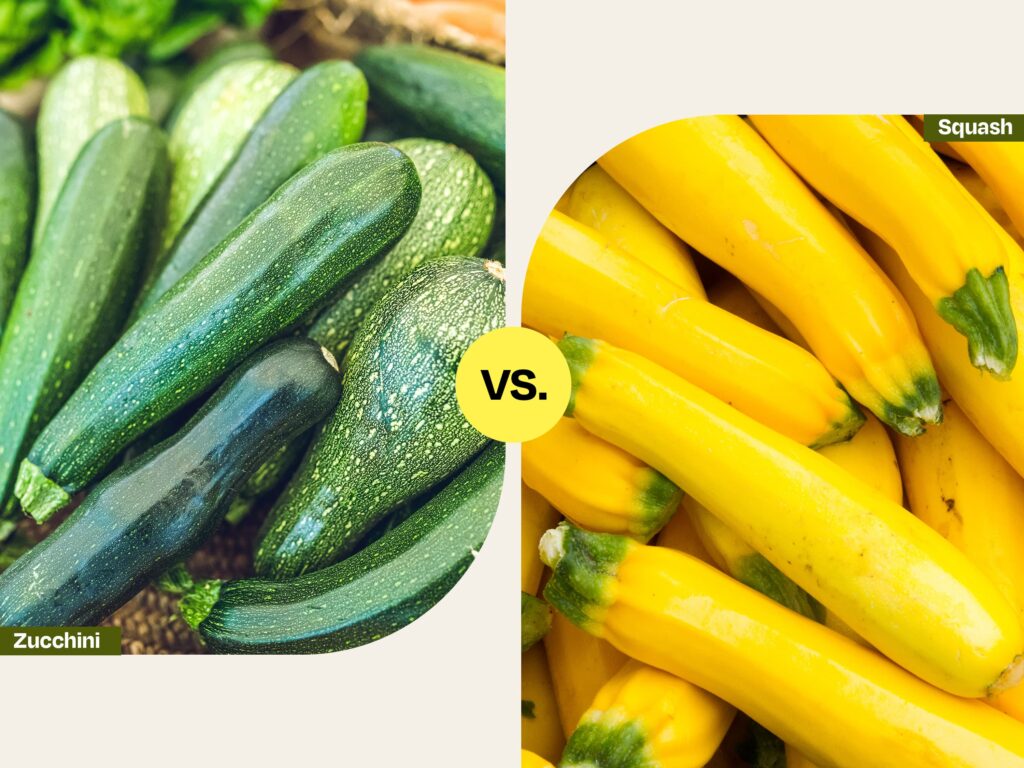
Zucchini and yellow squash may seem similar at first glance, but they have clear visual distinctions. Traditional zucchini varieties like ‘Black Beauty’ display a deep green, cylindrical shape with relatively uniform diameter from end to end. Their skin is smooth and sometimes slightly speckled. Yellow squash, conversely, comes in two main types: straightneck and crookneck. Straightneck varieties maintain a uniform yellow color with a slightly bulbous end, while crookneck types feature a distinctive curved neck and sometimes warty skin texture.
Color serves as the most immediate identifier between these varieties. While standard zucchini is dark green, specialty varieties like ‘Gold Rush’ zucchini display bright yellow coloration that can be confused with yellow squash. The key difference lies in the shape – yellow zucchini maintains the straight, cylindrical form of green zucchini rather than the bulbous or curved form of yellow squash varieties. Some specialty varieties like ‘Costata Romanesco’ feature distinctive ribbing along their length with lighter green striping, providing even more visual distinction. For those interested in incorporating these plants into a pet-friendly garden, consider exploring safe garden ideas to ensure a harmonious environment for both plants and pets.
“Zucchini and Summer Squash …” from www.thekitchn.com and used with no modifications.
Flower and Leaf Characteristics for Proper Identification
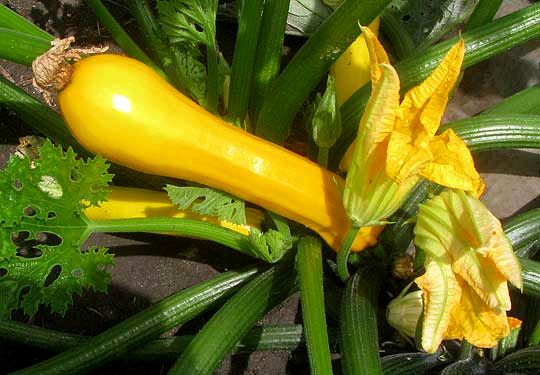
All summer squash produce both male and female flowers on the same plant, a characteristic known as monoecious. The bright yellow blooms are large and trumpet-shaped, typically opening in the morning and closing by afternoon. Female flowers can be identified by the small swelling (future squash) at the base of the bloom, while male flowers grow on longer, thinner stems without this swelling.
The leaves of Cucurbita plants provide additional identification clues. Most summer squash varieties feature large, lobed leaves with a slightly prickly texture that can cause mild skin irritation in sensitive individuals. The leaves grow on hollow stems arranged in a bush-like form rather than vining (unlike winter squash relatives). While subtle variations exist between varieties, the general leaf pattern remains consistent enough across summer squash to help distinguish them from non-edible ornamental gourds or potentially toxic plants with similar growth habits.
Growth Habits That Set Each Variety Apart
Growth habit offers another reliable way to identify your yellow-flowered gourds. Most summer squash grow in a bush formation rather than vining, making them excellent choices for smaller gardens or container growing. The plants typically spread 2-4 feet in diameter with a similar height, creating a dense canopy of broad leaves. This compact growth pattern stands in contrast to winter squash and pumpkins that often produce long vines extending many feet from the original planting site. For those interested in pet-friendly gardening, consider learning about growing tips for safe fresh thyme, which can complement your gourd garden.
Pet-Friendly Squash Recipes Your Animals Will Love
Incorporating fresh yellow-flowered gourds into your pet’s diet provides excellent nutritional benefits while adding variety to their meals. Summer squash like zucchini and yellow crookneck are low in calories but high in fiber, making them perfect for pets who need to maintain a healthy weight while still feeling satisfied. With their high water content and gentle digestibility, these vegetables make excellent treats for both dogs and cats when prepared properly. For more safe garden ideas that benefit your pets, explore our guide.

“Yellow Squash Dog Biscuits – Kitchen …” from www.kitchen-concoctions.com and used with no modifications.
Simple Dog Treats Using Fresh Zucchini
Dogs typically enjoy the mild flavor and satisfying crunch of fresh zucchini. The simplest preparation is to wash thoroughly, remove any stems, and slice into appropriately sized pieces based on your dog’s size. For smaller dogs, thin coin-shaped slices work well, while larger breeds can handle stick-shaped pieces. Many dogs enjoy raw zucchini as a low-calorie snack, but light steaming can make it even more digestible for pets with sensitive stomachs. For more safe garden ideas, consider exploring other pet-friendly plants and treats.
For more enticing treats, try baking homemade zucchini biscuits that combine grated zucchini with pet-safe ingredients. Mix 2 cups of whole wheat flour with 1 cup of finely grated zucchini (moisture squeezed out), ½ cup of natural peanut butter (xylitol-free), and 1 egg. Form into small cookies and bake at 350°F for about 20 minutes until firm. These treats can be stored in an airtight container for up to a week or frozen for longer storage.
- Frozen zucchini cubes: Puree zucchini with a splash of low-sodium chicken broth and freeze in ice cube trays for refreshing summer treats
- Stuffed Kong toy: Mix cooked and mashed zucchini with a small amount of plain yogurt, stuff into a Kong toy, and freeze
- Training treats: Dehydrate thin zucchini slices at low heat until chewy for perfectly portable training rewards
- Squash and oat balls: Combine cooked yellow squash with rolled oats and a touch of honey for energy-boosting treats
Remember that any homemade treats should complement a balanced diet rather than replacing nutritionally complete dog food. Always introduce new foods gradually to monitor for any digestive upset or allergic reactions.
Cat-Approved Squash Snacks
While cats are obligate carnivores with different nutritional needs than dogs, many still enjoy small amounts of vegetable matter in their diet. Yellow squash and zucchini can provide fiber and moisture to support digestive health when offered in cat-appropriate portions. The key to feline acceptance lies in proper preparation – most cats prefer their squash well-cooked, finely chopped, and mixed with something protein-rich to enhance appeal.
- Steamed squash puree: Thoroughly cook yellow squash or zucchini, then blend to a smooth consistency and mix a teaspoon with wet food
- Squash and chicken nibbles: Combine finely minced cooked chicken with a small amount of mashed yellow squash for a protein-rich treat
- Frozen fish and squash drops: Blend cooked squash with low-sodium tuna water and freeze in small drops for interactive treats
- Bone broth squash cubes: Mix pureed zucchini with pet-safe bone broth and freeze in small portions
Always ensure any additional ingredients are cat-safe, avoiding onions, garlic, excessive salt, or seasonings. Some cats may ignore vegetables entirely – this is normal and not a health concern as long as they’re consuming a complete and balanced cat food. For more tips on growing your own squash, check out these summer squash varieties to grow in your garden.
For particularly finicky felines, try offering squash prepared in different ways before giving up. Some cats prefer their vegetables warm, while others might only accept them mixed thoroughly into wet food. The nutritional benefits make it worth finding a preparation method your cat will accept.
Portion Sizes and Serving Frequency for Pets
Moderation is crucial when feeding any fresh produce to pets. For dogs, squash should make up no more than 10% of their daily caloric intake, with most veterinarians recommending closer to 5% for optimal balance. For a medium-sized dog around 30-40 pounds, this translates to approximately 2-3 tablespoons of cooked squash daily. Larger dogs can handle up to ¼ cup, while small breeds should receive just a teaspoon or two depending on their size. If you’re looking for more information on maintaining a pet-friendly garden, check out this guide.
For cats, portions should be even smaller, typically no more than 1-2 teaspoons of cooked squash per day. Introduce any new food gradually, starting with tiny amounts to monitor for digestive tolerance. While yellow-flowered gourds are non-toxic, sudden dietary changes can cause temporary gastrointestinal upset in sensitive animals. If you notice loose stools, vomiting, or decreased appetite after introducing squash, discontinue offering it and consult your veterinarian before trying again with smaller amounts.
Growing Yellow-Flowered Gourds in Your Pet-Safe Garden
Creating a garden that serves both your culinary needs and your pet’s safety requires thoughtful planning. Yellow-flowered gourds offer an excellent foundation for a pet-friendly garden space due to their non-toxic nature and productive growth habits. When designed with pet access in mind, your squash patch can become a safe zone where curious animals can explore without risk, while still providing abundant harvests for your kitchen and occasional pet treats.
Best Planting Locations to Keep Pets Safe
When selecting a location for your yellow-flowered gourds, consider both plant requirements and pet behavior patterns. Summer squash needs full sun (at least 6-8 hours daily) and well-draining, fertile soil with a pH between 6.0-6.8 for optimal growth. Choose an area that receives ample sunlight but isn’t directly in your pet’s regular path or favorite lounging spot to prevent accidental trampling of young plants. If space allows, designate specific garden beds for edibles that pets can safely access, separated from any potentially harmful plants.
For households with determined diggers or boundary-challenging pets, raised beds offer an excellent solution for growing summer squash. Elevating the growing area by 12-24 inches deters most dogs from jumping in while still allowing them to safely investigate the plants from the perimeter. Add mulch pathways between beds to create comfortable walking surfaces that guide pets away from planting areas. Some gardeners successfully use decorative fencing or strategic placement of companion plants with textured foliage (like non-toxic ornamental grasses) to create natural boundaries that discourage pets from entering the most vulnerable growing areas.
“Squash, CUCURBITA PEPO” from www.backyardnature.net and used with no modifications.
Companion Plants That Enhance Safety and Growth
Strategic companion planting around your yellow-flowered gourds creates a harmonious garden ecosystem while maintaining pet safety. Nasturtiums attract aphids away from your squash plants while producing edible flowers that won’t harm pets if nibbled. Marigolds deter nematodes and other pests with their strong scent while remaining non-toxic to dogs and cats. Herbs like basil and mint can be interspersed with squash plants to improve flavor and repel insects, though mint should be contained in pots to prevent spreading throughout the garden.
Natural Pest Control Methods Safe for Animals
Maintaining a healthy squash patch without endangering pets requires natural pest management strategies. Diatomaceous earth (food grade only) sprinkled around plants creates a mechanical barrier against crawling insects without toxic chemicals. Beneficial insects like ladybugs and praying mantises can be introduced to control aphids and other soft-bodied pests. For fungal issues, neem oil diluted according to package directions provides effective control when applied during evening hours to prevent harm to beneficial pollinators, though direct application to plants should be allowed to dry completely before pets access the area.
Harvesting Tips for Maximum Yield
Regular harvesting is the secret to continuous production from your yellow-flowered gourds throughout the growing season. Check plants daily during peak season, harvesting summer squash when they reach 6-8 inches for zucchini or 4-7 inches for yellow varieties. Use sharp pruning shears or a knife to cut fruits from the plant rather than pulling, which can damage stems and reduce future yields. Harvest in the morning when plants are hydrated and fruits are at their freshest, and immediately remove any overlooked squash that has grown too large to prevent the plant from directing energy away from new fruit production. For more information on varieties, check out summer squash varieties.
Common Problems When Growing Cucurbita Species
Even with ideal growing conditions, yellow-flowered gourds face several common challenges that can impact harvest quality and quantity. Understanding these issues helps you take proactive measures while maintaining a pet-safe environment. Most squash problems stem from either pest pressure, fungal diseases, or pollination issues, all of which can be addressed through organic, pet-friendly interventions.
Squash plants are particularly susceptible to powdery mildew, bacterial wilt, and various insect pests including squash bugs and vine borers. The large leaves and dense growth habit that make these plants so productive also create humid microclimates ideal for fungal development. Meanwhile, the sweet sap within squash stems attracts boring insects that can cause sudden plant collapse if not managed properly. Addressing these challenges requires vigilance and timely intervention with methods that won’t compromise your garden’s safety for four-legged family members.
Dealing With Powdery Mildew Without Harming Pets
Powdery mildew appears as white, powdery spots on leaves that eventually spread to cover entire surfaces if left untreated. This fungal disease thrives in humid conditions with poor air circulation, particularly during warm weather with cool nights. To prevent powdery mildew while maintaining pet safety, space plants properly at planting time (at least 3-4 feet apart), and position them where morning sun will quickly dry dew from leaves. Water at soil level rather than overhead to keep foliage dry, and apply a thick organic mulch to prevent soil-borne spores from splashing onto leaves during rain. For more tips on maintaining a pet-friendly garden, consider checking out additional resources.
- Milk spray: Mix 1 part milk to 9 parts water and spray on leaves weekly as a preventative measure
- Baking soda solution: Dissolve 1 tablespoon baking soda in 1 gallon of water with a few drops of liquid soap, applying to leaves early in the day
- Prune affected leaves: Remove and dispose of infected foliage at first sign of disease to prevent spread
- Compost tea: Apply properly brewed compost tea as a foliar spray to boost plant immunity
These natural remedies work best when applied preventatively or at the very first signs of infection. Unlike chemical fungicides that may leave residues harmful to curious pets, these solutions break down quickly and pose minimal risk even if pets brush against treated plants. For severe infections, removing heavily affected leaves and improving air circulation through strategic pruning often provides better results than attempting to save badly damaged foliage. For more ideas on creating a safe garden for pets, explore other resources available.
Regular monitoring remains your best defense against powdery mildew taking hold in your squash patch. Make it a habit to check the undersides of leaves and stem joints where infections often begin. Early morning inspections when dew highlights the white fungal growth make detection easier before the problem becomes widespread.
Preventing Squash Vine Borers Using Pet-Safe Methods
Squash vine borers present one of the most devastating challenges for summer squash growers, often causing sudden wilting and plant death just as production peaks. These moth larvae tunnel into stems, disrupting the plant’s vascular system and creating entry points for bacterial infection. Prevention offers the best protection, as plants are difficult to save once borers have established inside stems. Floating row covers secured over young plants until flowering begins prevents adult moths from laying eggs, though covers must be removed once female flowers appear to allow for pollination. Aluminum foil wrapped around the lower stem creates a physical barrier against egg-laying, while weekly applications of food-grade diatomaceous earth around stem bases deters newly hatched larvae.
Signs Your Plants Need Extra Care
Healthy squash plants display vibrant green leaves, sturdy stems, and consistent flower and fruit production. When plants need additional attention, they send clear signals through visual changes. Yellowing or browning leaves often indicate nutrient deficiencies, while wilting despite adequate soil moisture suggests root problems or stem damage from borers. Misshapen fruits or blossom end rot points to calcium deficiency or inconsistent watering, requiring immediate correction to save developing fruits.
Sudden plant collapse, where a seemingly healthy plant wilts dramatically within 24-48 hours, typically signals squash vine borer infestation. Examine stems near soil level for small holes with sawdust-like frass (insect excrement) around them. You may be able to save affected plants by carefully slitting stems lengthwise, removing the borers, then covering the wounded stem with soil to encourage new root development. This emergency intervention can save plants that would otherwise be lost, though prevention remains the preferred approach.
Creating a Complete Pet-Safe Garden Around Your Squash Plants
Yellow-flowered gourds serve as an excellent foundation for a comprehensive pet-friendly garden design. When planning the broader landscape around your summer squash, consider creating dedicated zones that serve different purposes – growing areas, pet play spaces, and shared enjoyment areas. This intentional design approach allows both plants and pets to thrive without conflict. PetMD recommends establishing clear boundaries and consistent rules about garden access to help pets understand which areas they can freely explore versus those reserved primarily for plants.
Toxic Plants to Avoid Near Your Cucurbita Patch
While your yellow-flowered gourds pose no threat to pets, many common garden plants can cause serious health issues if ingested. Never plant toxic species like lilies, foxglove, autumn crocus, azaleas, or castor bean anywhere accessible to pets. Common vegetable garden companions including tomatoes, potatoes, and eggplants contain solanine in their leaves and stems, which can cause digestive upset and neurological issues if consumed in quantity. If growing these Solanaceae family members, consider placing them in separate, secured garden areas or raised beds with protective fencing.
Several popular ornamentals including daffodils, tulips, hyacinths, and amaryllis contain compounds toxic to both dogs and cats. Even common herbs like chives, garlic, and onions can cause dangerous hemolytic anemia in pets, particularly cats. When designing your garden layout, group plants with similar pet-safety profiles together, keeping the most hazardous varieties completely inaccessible or eliminating them entirely if you have particularly curious pets who frequently explore the garden unsupervised.
Safe Fencing and Boundary Options
Strategic barriers create harmony between garden productivity and pet enjoyment. For dogs, picket fencing at least 3 feet tall generally deters casual entry while maintaining visibility and airflow to plants. Cedar or redwood fencing provides durability without chemical treatments that might harm pets who chew wood. Avoid pressure-treated lumber containing toxic compounds that can leach into soil or transfer to pet fur and paws.
For determined diggers, extend fencing 8-12 inches below ground or lay chicken wire horizontally along the soil surface extending outward from the fence line. This creates an uncomfortable barrier when dogs attempt to dig at fence edges without requiring chemical deterrents. Some gardeners successfully use low decorative edging or border plantings of pet-safe but texturally uninviting plants like lemon balm or catnip as psychological barriers that many pets naturally avoid traversing.
Cat owners face different challenges, as felines easily scale most fencing. Instead of attempting to completely exclude cats, create dedicated pet-friendly zones within the garden where catnip, cat grass, and sheltered resting spots invite cats to enjoy the garden without disrupting plants. Position bird feeders and baths away from both the vegetable garden and these cat-friendly areas to prevent predatory behavior from disrupting wildlife visitors that benefit your garden ecosystem.
Water Features That Won’t Harm Curious Pets
Water elements enhance garden aesthetics while supporting beneficial insects, birds, and amphibians that naturally control pests. However, traditional ponds present drowning risks for pets, particularly those with steep sides or significant depth. Instead, consider shallow basin water features with gradually sloped edges that allow pets to safely exit if they enter. Recirculating fountains with minimal standing water reduce both drowning hazards and mosquito breeding while providing the soothing sound of moving water. For more ideas on creating a safe garden, explore pet-friendly garden tips.
Bird baths mounted on pedestals offer wildlife water access while remaining largely inaccessible to pets. For irrigation, drip systems or soaker hoses minimize standing water compared to sprinklers while delivering moisture directly to plant roots. This targeted approach improves plant health while reducing opportunities for pets to drink from potentially contaminated puddles. Always ensure any collected rainwater systems are securely covered to prevent access by curious animals who might become trapped or drink stagnant water harboring harmful bacteria.
Enjoy the Bounty of Your Pet-Friendly Squash Garden
Growing yellow-flowered gourds creates a rare opportunity where garden productivity and pet safety perfectly align. These versatile vegetables provide abundant harvests from relatively small spaces while offering peace of mind that curious pets can safely explore without risk of toxicity. By implementing the strategies outlined throughout this guide, you’ll create a harmonious outdoor space where both plants and pets thrive together. Remember that the ultimate reward comes not just from the nutritious fruits your garden produces, but from the shared joy of a well-designed outdoor space that accommodates all family members, including those with four legs and wagging tails.
Frequently Asked Questions
Even experienced gardeners sometimes encounter challenges when growing summer squash in pet-friendly environments. The following questions address common concerns about managing yellow-flowered gourds in gardens shared with animal companions. These practical answers will help you navigate specific situations that may arise throughout the growing season while maintaining both plant productivity and pet safety.
Many gardeners wonder about maintaining plant health, managing cross-pollination, and ensuring their harvest remains pet-safe throughout the season. The answers below provide science-based solutions to these common concerns while prioritizing methods compatible with curious animals who share your garden space.
- Is it safe to use mulch around squash plants in a pet-friendly garden?
- How can I protect young squash seedlings from being dug up by pets?
- What natural pest control methods are safe around pets?
- Can I compost unused squash parts for garden fertilizer?
- Do deer and rabbits target summer squash plants?
For additional questions about specific pet behaviors around garden plants or concerns about particular varieties, consult with both your veterinarian and local agricultural extension office. These resources can provide targeted advice for your specific climate, growing conditions, and pet species to ensure optimal outcomes for both your garden and animal companions. For more ideas, check out these safe garden ideas that can help manage pet interactions in your garden.
Can yellow squash and zucchini cross-pollinate in my garden?
Yes, yellow squash and zucchini can readily cross-pollinate since they typically belong to the same species (Cucurbita pepo). This cross-pollination won’t affect the fruits you harvest this season, which will develop true to the parent plant regardless of pollen source. However, if you save seeds from these fruits, the resulting plants next season may produce fruits with unexpected characteristics combining traits from both parent varieties. Commercial growers and seed savers maintain variety purity by planting different squash varieties at least 1/4 mile apart or by employing hand-pollination techniques with careful flower isolation.
For most home gardeners growing purchased seeds or starts each year, this cross-pollination presents no practical concerns. In fact, the abundant male flowers from multiple squash varieties can improve overall pollination rates in your garden, potentially increasing yield across all your squash plants. If you’re specifically interested in seed saving, focus on growing just one summer squash variety per season, or learn hand-pollination techniques using small bags to protect female flowers until manual pollination can be performed.
Why are the flowers on my squash plants falling off without producing fruit?
Squash plants produce both male and female flowers, with male flowers typically appearing first and in greater numbers. These male flowers naturally drop after releasing pollen without forming fruit. Female flowers, identifiable by the small immature fruit at the base of the blossom, require successful pollination to develop into full-sized squash. Poor fruit set despite the presence of female flowers often indicates pollination issues, typically due to insufficient pollinator activity, extreme temperatures that affect pollen viability, or excessive nitrogen fertilization promoting leaf growth at the expense of flowering.
How can I tell if my pet has eaten too much squash?
While summer squash is non-toxic to pets, overconsumption may cause digestive upset manifesting as diarrhea, gas, or occasionally vomiting. Watch for changes in stool consistency, reluctance to eat regular meals, or unusual lethargy after introducing squash to your pet’s diet. Most symptoms resolve within 24-48 hours with temporary food restriction and plenty of fresh water. If symptoms persist longer than two days, are accompanied by other concerning signs like abdominal pain or fever, or if your pet has pre-existing digestive conditions, consult your veterinarian promptly for personalized guidance. For more on pet-safe plants and tips, check out our guide on fresh thyme for dogs and cats.
Is it safe to use composted animal manure around squash plants in a pet-friendly garden?
Properly composted animal manure can be safely used around yellow-flowered gourds in gardens accessed by pets, provided the compost has fully matured. The composting process, when reaching sustained temperatures above 130°F for at least 15 consecutive days, kills most pathogens and parasites that might otherwise transfer to pets exploring the garden. For maximum safety, incorporate fully composted manure into soil at least 120 days before harvest for crops like summer squash where the edible portion contacts the soil. Avoid using fresh or partially composted manure in pet-accessible areas, as this increases risk of pathogen exposure and may attract pets to dig or roll in the material.
“Can Rabbits Eat Yellow Squash Blossoms” from ru.pinterest.com and used with no modifications.
Can guinea pigs and rabbits safely eat yellow squash and zucchini?
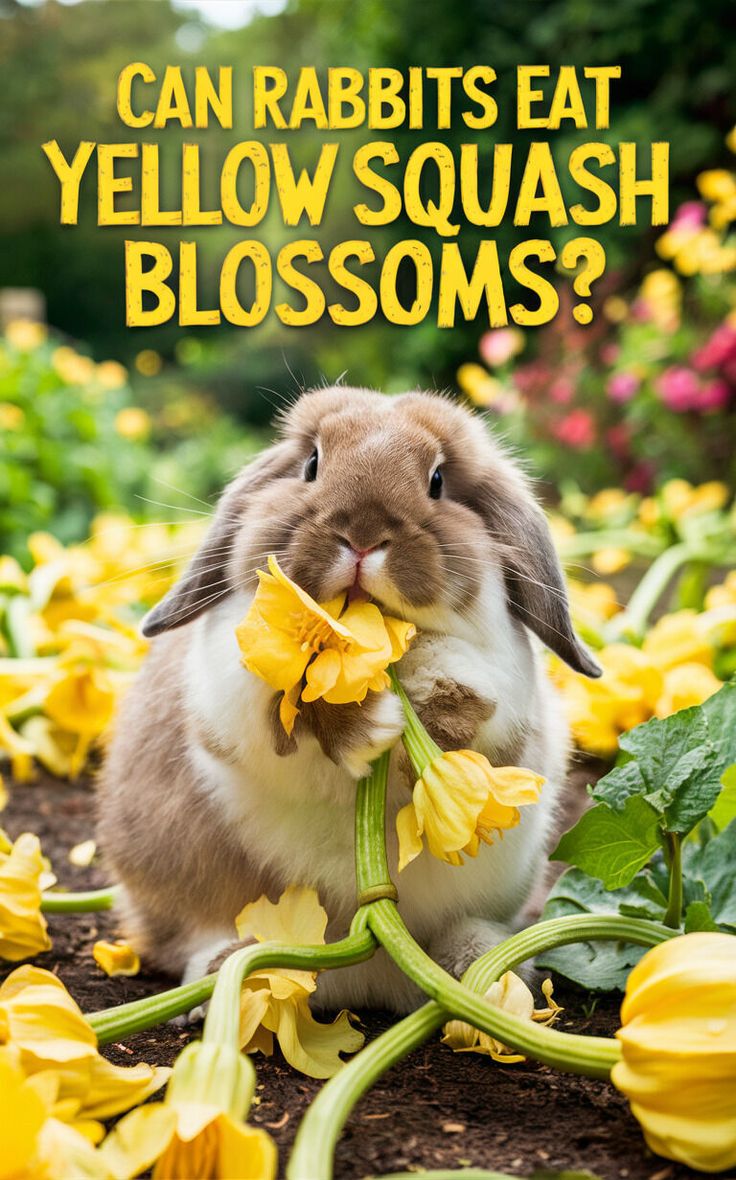
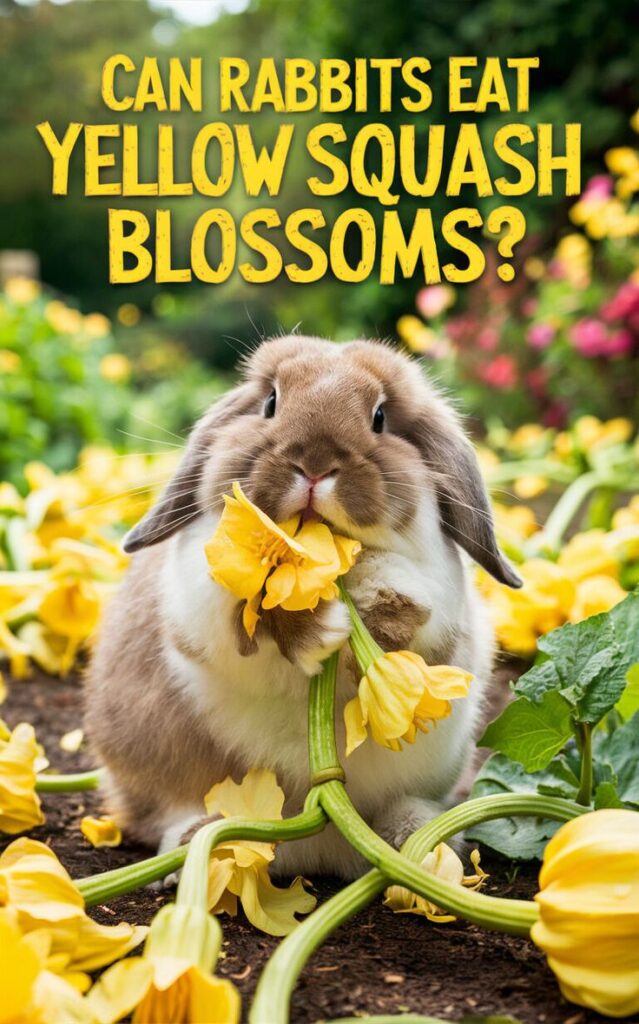
Yellow squash and zucchini make excellent occasional treats for guinea pigs and rabbits. These small herbivores benefit from the high water content and fiber present in summer squash, though their primary diet should still consist of high-quality hay, appropriate pellets, and leafy greens. Offer small pets only about a teaspoon of finely chopped raw squash per pound of body weight, 2-3 times weekly. Remove seeds from mature squash before feeding, as they can present choking hazards for very small animals. Introduce any new vegetables gradually while monitoring for digestive changes, and discontinue if you notice soft stools or decreased appetite. For more tips on pet-safe plants, you might find our guide on pet safety and plant care useful.
Remember that while many garden-fresh vegetables make wonderful dietary enrichment for small pets, moderation remains important. The bulk of their nutrition should always come from specially formulated foods designed to meet their specific nutritional requirements. Even pet-safe vegetables like summer squash should be considered supplements rather than dietary staples for these sensitive animals.
For a complete pet-friendly garden experience, consider growing additional vegetables specifically for your small pets, such as bell peppers, cucumber, and herbs like parsley and cilantro. Creating a designated “pet garden” section ensures you’ll always have fresh, chemical-free treats available for all your animal companions throughout the growing season. For more information on suitable vegetables, check out this guide on pet-friendly vegetables.