
Article-at-a-Glance
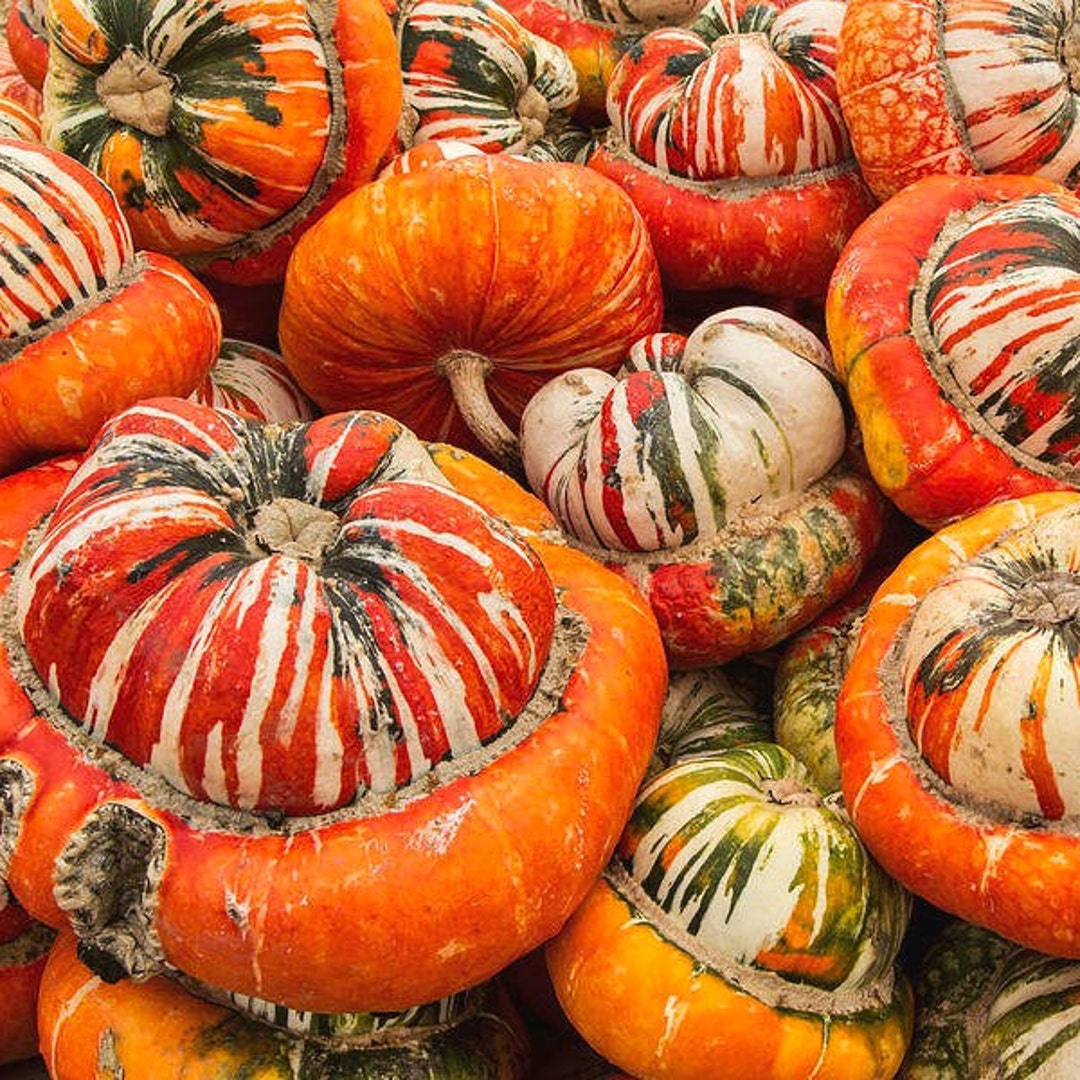
- Turban squash is a distinctive winter squash variety with a unique “turban” shape and vibrant multicolored skin, typically weighing 5 pounds and measuring 10-15 inches in diameter.
- While often used as a decorative piece for fall displays, turban squash has a sweet, nutty flavor that makes it excellent for soups, roasting, and baking applications.
- Testing for ripeness involves checking for hardness of the shell, vibrant colors, and a hollow sound when tapped – proper identification ensures the best flavor and texture.
- Unlike pumpkins, turban squash belongs to the Cucurbita maxima species and offers a milder, less stringy flesh that’s perfect for creamy soups and purees.
- Growing turban squash in pet-friendly gardens requires some planning, but the effort yields both ornamental value and delicious, versatile harvests that can last through winter.
The Distinctive Turban Squash: A Garden Treasure You Need to Know
Turban squash might be the most underappreciated vegetable in your fall garden lineup. This heirloom winter squash variety offers both striking beauty and culinary versatility that many gardeners overlook. With its irregular shape reminiscent of a wrapped turban or Turkish hat, this Cucurbita maxima cultivar brings unique character to both garden beds and dinner plates alike.
While mainstream supermarkets rarely feature turban squash, those who frequent farmers’ markets or grow their own vegetables have the opportunity to discover this botanical gem. Its unusual appearance – with a smaller squash seemingly erupting from a larger one – makes it instantly recognizable among the more common winter squashes. For gardeners seeking something distinctive yet practical, turban squash delivers both ornamental charm and hearty nutrition in one package.
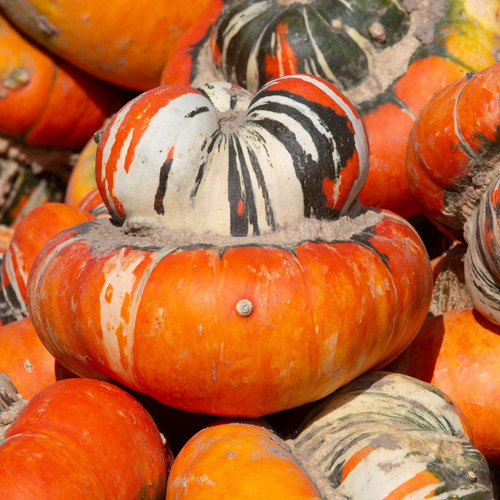
“Turban Gourd/Squash (Cucurbita maxima …” from www.anniesheirloomseeds.com and used with no modifications.
Identifying Turban Squash: Unique Features and Characteristics
Turban squash stands out in any squash display with its unmistakable appearance that justifies its name. The defining characteristic is its distinctive cap or “turban” that forms at the blossom end, creating the illusion of one squash growing out of another. This unique formation more closely resembles how an acorn sits in its cupule than any other squash variety, including the aptly named acorn squash.
When identifying turban squash in markets or your garden, look for the telltale irregular, bumpy shape that’s often described as having a squash “bursting” from the base. The cap or turban portion typically comprises about one-third of the squash’s total size, creating an asymmetrical, eye-catching profile that’s impossible to confuse with other varieties.
The Unmistakable Turban Shape and Color Patterns
The color palette of turban squash is as distinctive as its shape, featuring some of the most vibrant and varied patterns in the squash family. Most specimens display a patchwork of green, orange, cream, and red in irregular, mottled patterns across their hard exterior shell. These colors often appear in dramatic contrasts, with some varieties showing predominant orange bases with green speckles and stripes, while others display cream backgrounds with orange and red accents.
The turban portion itself frequently displays different coloration than the base, enhancing the visual separation between the two parts. This natural color variation means no two turban squashes look exactly alike, making them prized choices for decorative arrangements. The skin texture is hard and bumpy with slight ridges that follow the contours of the fruit, adding to its architectural interest in fall displays.
Varieties like American Turban, Turk’s Turban, and Mexican Hat share the fundamental turban shape but offer slight variations in coloration and patterning. What unites them all is the brilliant, multi-colored skin that catches the eye and makes these squashes instant focal points in harvest displays. For those interested in incorporating these unique squashes into their garden, consider exploring garden fencing and plant enrichment tips to create a vibrant and pet-friendly environment.
Size Range and Weight Expectations
Turban squash typically reaches 10-15 inches in diameter, with a medium to large size classification among winter squashes. An average mature specimen weighs approximately 5-6 pounds, though some can grow larger when growing conditions are optimal. The proportions tend to be wider than tall due to the distinctive turban cap, giving them a somewhat flattened appearance compared to more vertically-oriented winter squash varieties.
How Turban Squash Differs From Other Winter Squashes
While turban squash shares the hard exterior common to winter squashes, its flesh differs from varieties like butternut or acorn. When cut open, you’ll discover pale orange to yellowish flesh that’s generally less dense than butternut squash but firmer than pumpkin. The flesh offers a moderate sweetness with nutty undertones rather than the pronounced sweetness of butternut or the mild flavor of acorn squash.
Multiple Uses for Turban Squash in Your Home
The versatility of turban squash makes it a valuable addition to any garden plan. Beyond its obvious ornamental appeal, this multi-purpose squash earns its space in the garden by serving both as a striking decorative element throughout autumn and as a nutritious food source that stores well into winter. This dual functionality makes it particularly valuable for gardeners looking to maximize both beauty and utility in their growing spaces. For those interested in expanding their garden with other versatile plants, consider learning about the benefits of fresh thyme for a pet-friendly garden.
While some sources suggest turban squash is primarily decorative due to its supposedly bland flavor, experienced gardeners and chefs know that properly grown and prepared turban squash offers delightful culinary possibilities. The key is understanding how to highlight its subtle flavors through proper cooking techniques and complementary seasonings.
Decorative Value as Fall Ornaments
Turban squash has earned its place among the most visually interesting fall decorative elements, rivaling gourds and pumpkins for visual impact in seasonal displays. Their unique shape and vibrant, mottled coloring create instant visual interest in harvest arrangements, centerpieces, and porch displays. Unlike carved pumpkins that deteriorate quickly, turban squash maintains its appearance for months when kept in cool, dry conditions, making them economical decorative investments for the entire autumn season.
For maximum decorative impact, group turban squash with other winter squashes, mini pumpkins, gourds, and autumn foliage. Their distinctive silhouette provides textural contrast to smoother squash varieties, while their multicolored surfaces complement the warm tones of fall decorations. Consider placing them along mantelpieces, as table centerpieces, or in outdoor displays where their architectural shapes can be fully appreciated from multiple angles. For more ideas, explore safe garden ideas that can enhance your outdoor space.

“Turban Squash Recipe – Binky’s Culinary …” from www.binkysculinarycarnival.com and used with no modifications.
Culinary Applications Beyond Basic Cooking
In the kitchen, turban squash proves itself as more than just a pretty face. The pale orange flesh offers a mild, nutty sweetness that lends itself well to both savory and sweet preparations. While some find the flavor more subtle than butternut or acorn squash, this quality makes turban squash an excellent canvas for bold seasonings and complementary ingredients.
The thick walls of flesh yield substantial portions when cooked, though preparation requires some effort due to the hard shell and irregular shape. Begin by cutting around the “equator” of the squash to separate the turban portion from the base, making it easier to manage. From there, remove the seeds and stringy pulp before proceeding with your cooking method of choice.
Roasting brings out the natural sweetness in turban squash, while steaming preserves its more delicate flavor notes. The cooked flesh purees beautifully for soups and can be substituted in recipes calling for butternut or acorn squash. For a stunning presentation, consider using the hollowed shell as a natural serving bowl for soups or stuffed preparations – the dramatic turban shape elevates ordinary dishes into conversation pieces.
Beyond typical preparations, turban squash can be transformed into delicious additions to your cooking repertoire. Its firm texture holds up well to various cooking methods, allowing for creative applications throughout the season.
- Roast cubes with olive oil, garlic, and herbs for a simple side dish
- Purée cooked flesh for creamy soups, especially when paired with apple or pear
- Stuff halved and hollowed squash with grain mixtures, meats, or vegetable fillings
- Incorporate into risottos and pasta dishes for added nutrition and color
- Bake into breads, muffins, and desserts as you would pumpkin
- Pickle the flesh for a tangy condiment with unique texture
Ripeness Indicators: When Your Turban Squash is Ready to Harvest
Knowing exactly when to harvest turban squash ensures you’ll enjoy optimal flavor and maximum storage potential. Unlike summer squashes that are picked young and tender, winter varieties like turban squash require full maturity to develop their characteristic flavor and storage capability. Harvesting too early results in underdeveloped flavor and poor keeping quality, while waiting too long increases the risk of frost damage or decay.
Timing your harvest properly begins with understanding the growing cycle. Turban squash typically requires 85-120 days from planting to maturity, depending on growing conditions. While this provides a general timeframe, the most reliable indicators come from examining the squash itself rather than strictly following calendar dates. For those interested in pet-friendly gardening, you might want to explore safe garden ideas to ensure your harvest is both bountiful and safe for your furry friends.
The final weeks before harvest are critical for developing sugar content and protective skin. During this period, reduce watering slightly to encourage the hardening of the shell – this natural process helps prepare the squash for long-term storage. A properly matured turban squash can last 2-3 months in appropriate storage conditions, allowing you to enjoy your harvest well into winter.
- Monitor the stem – it should begin to dry and cork (become woody) when the squash is mature
- Watch for the skin to develop full, deep coloration characteristic of the variety
- Check that the squash feels heavy for its size, indicating dense flesh development
- Leave at least 2 inches of stem attached when harvesting to prevent premature spoilage
- Harvest before hard frosts, as freezing temperatures can damage the squash and reduce storage life
Visual Clues of a Perfectly Ripe Turban Squash
Visual inspection provides the most immediate clues about turban squash ripeness. A mature specimen displays vibrant, deep colors characteristic of its variety, with the mottled patterns appearing pronounced rather than washed out. The skin develops a hard, matte finish rather than the glossy appearance of immature squash. Pay particular attention to the area where the stem connects to the squash – this area should be fully colored rather than green or pale, which would indicate immaturity. For more gardening tips, consider exploring safe garden ideas to ensure your space is both productive and pet-friendly.
The stem itself transforms as the squash ripens, changing from green and pliable to tan or brown and woody. This corking process is nature’s way of sealing the squash and preparing it for long-term storage. A properly ripened turban squash will have a dry, hardened stem at least 2-3 inches long, which helps prevent bacteria and fungi from entering the fruit during storage.
Color intensity serves as another reliable indicator, with fully ripe specimens showing deep, rich hues. The contrast between different colored areas becomes more pronounced at peak ripeness, with orange areas deepening to burnt sienna and green portions developing a dark, forest-like intensity. Any pale or yellowish patches suggest the squash needs more time to mature fully. For those interested in safe gardening practices, you might find these safe garden ideas helpful.
The Fingernail Test and Other Physical Checks
Beyond visual cues, several tactile tests help confirm ripeness in turban squash. The most reliable is the “fingernail test” – try to pierce the skin with your thumbnail. A ripe turban squash resists penetration, with the hard shell protecting the flesh inside. If your nail easily punctures the skin, the squash needs more time to mature and develop its protective shell. For more on safe gardening practices, explore pet-friendly garden ideas.
Ripe turban squash should feel heavy for its size, indicating dense, fully-developed flesh. The weight test requires some experience with these squashes, but generally, a mature specimen feels surprisingly heavy when lifted. Another physical check involves tapping the squash gently – a hollow, resonant sound suggests proper ripeness, while a dull thud might indicate either immaturity or overripeness.
The skin texture changes noticeably during the ripening process. Immature turban squash has a somewhat tender surface that might still show glossiness, while fully ripened specimens develop a hardened, slightly rough texture that protects the flesh within. This textural transformation is essential for the squash’s storage capabilities, as the hardened shell acts as a natural barrier against moisture loss and pathogen entry.
Storage Duration Based on Ripeness Stage
The stage of ripeness at harvest directly impacts how long turban squash will store. Properly ripened specimens with fully hardened shells can last 2-3 months under ideal storage conditions (cool, dry place around 50-55°F with good air circulation). Squash harvested slightly underripe may still ripen off the vine if kept in a warm, sunny location for 1-2 weeks before moving to long-term storage, though they’ll generally have shorter storage lives.
Overripe turban squash, characterized by excessive softening around the stem end or small soft spots on the shell, should be used promptly as they won’t store well. These specimens remain perfectly edible but should be prioritized for immediate cooking rather than long-term storage. For maximum storage duration, handle ripe turban squash carefully during harvest and curing, as even minor damage to the shell can significantly reduce shelf life. For those interested in gardening, explore safe garden ideas to ensure your pets can enjoy the garden without any risks.
Turban Squash vs. Pumpkins: Key Differences and Similarities
Though often grouped together in fall displays, turban squash and pumpkins differ in several important ways despite their shared botanical family. Understanding these distinctions helps gardeners better appreciate each vegetable’s unique characteristics and make informed choices about which to grow and how to use them in the kitchen and garden.
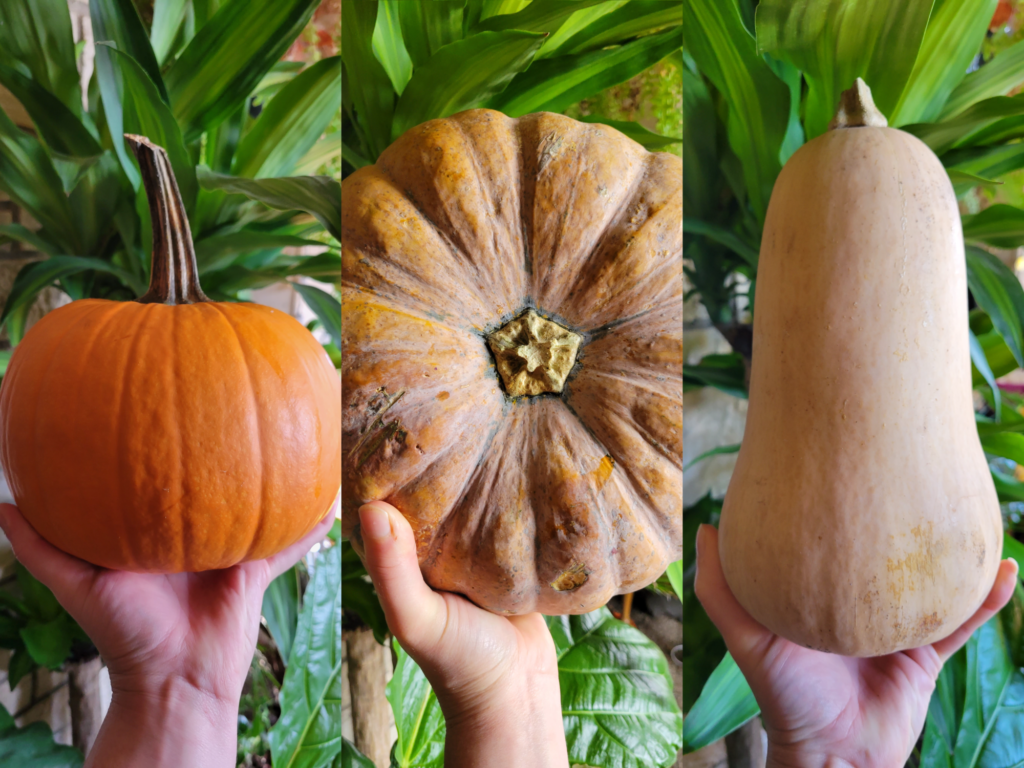
“Squash, Pumpkins, & Gourds …” from catfishoutofwater.com and used with no modifications.
Taste and Texture Comparisons
Turban squash offers a milder, more delicate flavor profile compared to pumpkin’s characteristic earthiness. The flesh of turban squash presents subtle hazelnut undertones with a hint of sweetness that becomes more pronounced when roasted or caramelized. This nuanced flavor makes it particularly suitable for dishes where squash plays a supporting role rather than being the dominant taste. If you’re interested in exploring recipes and benefits of different plants, there are many creative ways to incorporate turban squash into your meals.
Texturally, turban squash has denser, less stringy flesh than typical carving pumpkins. When cooked, it develops a smoother, creamier consistency similar to butternut squash but with slightly more firmness. This smooth texture makes turban squash excellent for purees and soups, where its velvety mouthfeel creates luxurious results without the fibrous strings often found in pumpkin.
The moisture content also differs noticeably between these two winter squashes. Turban squash contains less water than most pumpkin varieties, resulting in a firmer cooked texture that holds its shape better in chunky dishes like stews and roasted vegetable medleys. This reduced moisture content also means turban squash purees are naturally thicker than pumpkin purees, requiring less reduction when making pie fillings or sauces.
- Turban squash has a more delicate, nutty flavor compared to pumpkin’s earthiness
- The flesh is less stringy and develops a smoother texture when cooked
- Lower moisture content creates naturally thicker purees
- Firmer texture holds shape better in chunky dishes
- Subtle sweetness that intensifies with roasting or caramelization
Cooking Versatility Differences
While pumpkins excel in sweet applications like pies, breads, and desserts, turban squash shines in savory preparations where its subtle flavor can be enhanced with herbs, spices, and complementary ingredients. The turban’s thick walls provide substantial portions of usable flesh despite its unusual shape, and its natural sweetness pairs beautifully with sage, thyme, and rosemary in roasted dishes. Perhaps most impressively, the hollowed-out shell creates a stunning natural serving vessel for soups or stuffed preparations that elevate dinner presentations beyond what typical pumpkins can offer.
Nutritional Value Face-Off
Nutritionally, turban squash edges out pumpkin in several key areas, making it a powerhouse addition to health-conscious menus. It contains higher concentrations of vitamins A and C than most carving pumpkins, along with impressive levels of potassium, manganese, and fiber. The bright orange flesh indicates abundant beta-carotene, a powerful antioxidant that converts to vitamin A in the body and supports eye health and immune function.
The caloric content remains similar between turban squash and pumpkin, with both providing roughly 40-50 calories per cup of cooked flesh. However, turban squash typically contains slightly more complex carbohydrates and less simple sugar than pumpkin, giving it a gentler impact on blood glucose levels. For those monitoring carbohydrate intake or glycemic response, turban squash represents a favorable alternative to sweeter pumpkin varieties in many culinary applications.
Delicious Turban Squash Soup Recipes
Soup represents perhaps the perfect showcase for turban squash’s smooth texture and subtle flavor. The velvety consistency achieved when turban squash is pureed creates luxurious soups with minimal effort. Its natural sweetness provides an excellent foundation for both simple preparations that highlight the squash itself and more complex recipes incorporating complementary ingredients.
For maximum flavor development, most turban squash soups begin with roasting the squash rather than boiling or steaming. This crucial step caramelizes the natural sugars, intensifying the squash’s sweetness and creating deeper, more complex flavor notes. While preparation requires some initial effort to break down the hard shell, the resulting soups reward this work with exceptional taste and texture.
Classic Roasted Turban Squash Soup
This foundational recipe showcases the natural flavor of turban squash with minimal distractions. Begin by cutting your turban squash in half horizontally, scooping out the seeds, and roasting cut-side down at 400°F for 45-60 minutes until completely tender. Meanwhile, sauté one diced onion and two minced garlic cloves in olive oil until translucent, then add a tablespoon of fresh thyme leaves, a sprig of rosemary, and sauté another minute until fragrant. Scoop the roasted squash flesh from the skin, add to the pot with 3 cups of vegetable or chicken broth, and simmer for 15 minutes. Remove the rosemary sprig, purée until silky smooth, then finish with a splash of heavy cream, salt, and white pepper to taste. The resulting soup highlights turban squash’s natural nuttiness while the herbs provide subtle aromatic complexity.

“Roasted Turban Squash Soup • Beyond …” from beyondmeresustenance.com and used with no modifications.
Spicy Coconut Turban Squash Soup
For a more adventurous flavor profile, this Thai-inspired variation pairs turban squash with coconut milk and aromatic spices. Roast the squash as in the classic recipe, then sauté one diced onion, two minced garlic cloves, and one tablespoon each of minced ginger and lemongrass paste in coconut oil. Add one tablespoon of red curry paste and cook until fragrant, about 30 seconds. Incorporate the roasted squash flesh, 2 cups of vegetable broth, and one 14-ounce can of full-fat coconut milk. Simmer for 15 minutes, then blend until completely smooth. Finish with fresh lime juice, fish sauce to taste, and garnish with cilantro, thinly sliced red chili, and a swirl of coconut cream for a soup that balances the squash’s natural sweetness with complex, spicy warmth.
- For textural contrast, top either soup with toasted pepitas or croutons
- Add a tablespoon of maple syrup to enhance the squash’s natural sweetness
- For protein enrichment, consider adding cooked quinoa or shredded chicken
- Both soups freeze exceptionally well for up to 3 months
- Serve in hollowed turban squash shells for dramatic presentation
The thick, creamy consistency of turban squash soup makes it substantial enough to serve as a main course when paired with crusty bread and a simple salad. For dinner parties, consider serving smaller portions in hollowed mini pumpkins or turban squash “bowls” as a spectacular first course that showcases both the flavor and appearance of this unique vegetable.
Both recipe variations benefit from allowing the flavors to develop overnight in the refrigerator, making them excellent make-ahead options for entertaining. The soups will thicken considerably when chilled, so thin with additional broth when reheating to achieve your desired consistency. A final drizzle of high-quality olive oil or brown butter adds richness and visual appeal just before serving.
Pet-Safe Turban Squash Recipes Your Animals Will Love
Turban squash’s nutritional benefits extend beyond human consumption to our four-legged companions. This winter squash provides excellent nutrition for pets, containing fiber, vitamins, and minerals that support digestive and immune health. While always introducing new foods gradually and in moderation, properly prepared turban squash can be a healthy addition to many pets’ diets as an occasional treat or food topper.
Simple Turban Squash Dog Treats
Create healthy, homemade dog treats using pureed turban squash as a nutrient-rich base. Combine 1 cup of cooked, mashed turban squash (seeds and skin removed) with 2 cups of whole wheat flour, 1/2 cup of natural peanut butter (xylitol-free), and 2 eggs. Mix thoroughly, roll out to 1/4-inch thickness, and cut with cookie cutters or a knife into appropriate sizes for your dog. Bake at 350°F for 25-30 minutes until hardened but not burnt. These treats provide digestive fiber, vitamins, and protein without artificial preservatives or excessive fat, making them particularly beneficial for dogs needing weight management options or those with sensitive stomachs.
Cat-Friendly Turban Squash Meal Toppers
While cats are obligate carnivores requiring primarily meat-based diets, small amounts of well-cooked turban squash can provide beneficial fiber and nutrients as occasional meal enhancers. For a simple meal topper, steam or bake peeled, seeded turban squash until very soft, then mash thoroughly and freeze in small ice cube trays. Thaw one cube at room temperature and mix a teaspoon into your cat’s regular food to add moisture, fiber, and nutrients. This addition can be particularly helpful for cats with occasional constipation issues or those needing increased hydration in their diets.
When preparing turban squash for pets, always cook it thoroughly without added salt, sugar, spices, or oils that may cause digestive upset. The plain, cooked flesh provides the best nutritional benefits without potential irritants. Remove all seeds and skin, as these can cause digestive blockages or irritation, particularly in smaller animals.
Before introducing turban squash to your pet’s diet, consult with your veterinarian, especially for animals with existing health conditions or dietary restrictions. Most healthy pets can safely enjoy small amounts of plain, cooked turban squash as an occasional treat or food supplement, but individual needs vary based on size, age, and health status.
Growing Turban Squash in Your Garden
Growing turban squash rewards gardeners with both ornamental beauty and culinary harvests from a single plant. These vigorous vines require similar growing conditions to other winter squashes but offer distinctive ornamental value throughout the growing season. While not the most space-efficient garden choice, their unique appearance and dual-purpose nature make them worth the garden real estate they occupy.
Ideal Planting Time and Conditions
Turban squash thrives when direct-seeded after all danger of frost has passed and soil temperatures consistently reach 60°F or above. In most growing regions, this means planting in late spring (mid-May to early June), though gardeners in warmer zones may plant earlier. These heat-loving plants require full sun exposure – at least 6-8 hours of direct sunlight daily – to develop properly and produce well-formed fruits with maximum sweetness.
Soil preparation significantly impacts turban squash success. These heavy feeders perform best in organically rich, well-draining soil with a slightly acidic to neutral pH (6.0-7.0). Before planting, amend garden beds with 2-3 inches of compost or well-rotted manure worked into the top 8-10 inches of soil. This organic matter improves both nutrition and drainage, creating ideal growing conditions for developing the large fruits. Raised beds often provide ideal growing conditions, as they warm quickly in spring and offer excellent drainage throughout the growing season.
Space Requirements and Support Structures
Turban Squash Spacing Requirements
When planning your garden, it’s important to consider the spacing requirements of turban squash to ensure healthy growth. If you are creating a pet-friendly garden, make sure to leave enough room for both your plants and pets to thrive. Proper spacing not only helps in maximizing yield but also in preventing diseases and pests.
Plant Type: Vining winter squash
Hill Spacing: 4-6 feet apart
Row Spacing: 6-8 feet between rows
Plants Per Hill: 2-3 plants (thin to strongest)
Vine Length: 10-15 feet at maturity
Vertical Growth: Can be trellised but requires strong support
The sprawling growth habit of turban squash demands significant garden space when grown conventionally. Each plant can spread 10-15 feet in all directions, producing large leaves that shade out neighboring plants. For efficient space utilization, consider vertical growing techniques using sturdy trellises, arches, or fence supports. When trellising, secure developing fruits with fabric slings to prevent stem damage as they gain weight.
Traditional planting in hills works well for turban squash in gardens with ample space. Create mounds 8-12 inches high and 12-18 inches wide, planting 4-5 seeds per hill at a depth of 1 inch. After germination, thin to the strongest 2-3 seedlings. The elevated planting position improves drainage around the crown of the plant, reducing the risk of stem rot and fungal issues. For additional tips on maintaining a pet-friendly garden, consider these safe garden ideas.
For smaller gardens, consider container growing with determinate bush varieties of turban squash. While standard vining types need extensive space, compact bush varieties can thrive in large containers (minimum 20 gallons) with proper support. These space-saving alternatives produce smaller but equally flavorful and decorative fruits, making turban squash accessible even to urban gardeners with limited space.
Watering and Fertilizing Schedule
Consistent moisture proves crucial for turban squash development, particularly during flowering and fruit formation. Provide deep, regular watering delivering approximately 1-2 inches weekly, adjusting based on rainfall and temperature. Direct water at soil level rather than overhead to minimize foliar diseases, and water in the morning to allow foliage to dry before evening. As fruits approach maturity in late summer, gradually reduce watering to encourage shell hardening and concentrate flavors – this controlled stress helps prepare the squash for long-term storage after harvest.
Pet-Friendly Garden Tips for Turban Squash Growers
Creating a garden that accommodates both thriving turban squash plants and curious pets requires thoughtful planning. While turban squash itself is non-toxic to dogs and cats, certain garden practices and companion plants can pose risks to animal companions. By implementing pet-friendly growing strategies, you can enjoy a productive squash harvest while keeping your furry friends safe.
Physical separation provides the simplest solution for protecting both pets and plants. Low decorative fencing around squash growing areas prevents accidental trampling of vines while keeping pets from accessing potentially harmful garden amendments or pest control products. For determined diggers, consider burying hardware cloth several inches below the soil surface around the perimeter of squash beds.
Training plays an important role in pet-garden harmony. Consistent, positive reinforcement helps pets understand boundaries around garden areas. Designate specific garden paths where pets are allowed, using mulch or stepping stones to clearly mark these routes. Rewarding pets for using designated paths and respecting garden boundaries creates positive associations that benefit both your animals and your squash plants.
Companion planting can enhance turban squash growth while considering pet safety. Traditional squash companions like nasturtiums, marigolds, and radishes help deter pests naturally without introducing toxicity concerns for pets. Avoid using companions like foxglove, lily of the valley, or autumn crocus that pose significant toxicity risks to dogs and cats.
Pet-Safe Alternatives to Common Garden Products
Instead of: Chemical slug baits (toxic to pets)
Try: Diatomaceous earth barriers or copper tape
Instead of: Chemical fungicides
Try: Neem oil or diluted milk spray (1:10 ratio)
Instead of: Synthetic fertilizers
Try: Composted manure (aged at least 6 months)
Instead of: Cocoa mulch (toxic to dogs)
Try: Pine straw or cedar mulch
Creating Safe Boundaries Around Your Squash Plants
Physical barriers provide the most reliable protection for both pets and turban squash plants. Install low decorative fencing (18-24 inches high) around squash growing areas, using materials safe for curious noses and paws. Bamboo, cedar, or coated wire options create effective boundaries without introducing harmful chemicals or sharp edges that could injure pets. For maximum effectiveness, install fencing before plants develop sprawling vines to prevent damage during installation. For additional tips on ensuring pet-friendly gardens, explore our guide.
Strategic planting locations can naturally discourage pet interference with turban squash. Consider designating a garden section furthest from high-traffic pet areas for squash cultivation. This natural separation reduces the likelihood of accidental damage while allowing pets to enjoy other garden areas safely. For multi-pet households, remember that different animals present different challenges – cats may require taller barriers than small dogs, while diggers may need underground deterrents like buried hardware cloth or rock borders.
Non-Toxic Pest Control Methods
Managing garden pests without endangering pets requires careful product selection and timing. Many traditional pest control products contain ingredients toxic to dogs and cats, but effective alternatives exist. Diatomaceous earth creates a physical barrier against crawling insects without chemical toxicity, while neem oil provides fungal and insect control that’s safe when dry. Apply these products when pets are indoors, and allow complete drying before permitting pet access. For severe infestations, consider temporary exclusion fencing to keep pets away from treated areas for 24-48 hours after application.
Companion Plants That Benefit Both Squash and Pets
Strategic companion planting enhances turban squash growth while maintaining a pet-friendly environment. Nasturtiums attract beneficial insects while repelling squash bugs and cucumber beetles, all while remaining non-toxic to cats and dogs. Marigolds deter nematodes and other soil pests with their natural compounds, creating healthier growing conditions without introducing toxicity concerns. Avoid toxic companions like foxglove, lily, or castor bean that could harm curious pets. Instead, choose pet-safe options like sunflowers, zinnas, and calendula that support pollination while remaining safe if accidentally ingested in small amounts.
Harvesting and Storing Your Turban Squash Bounty
Properly harvesting turban squash marks the transition from growing to enjoying these unique vegetables. Timing significantly impacts both flavor development and storage potential. Plan to harvest before the first hard frost in your area, as freezing temperatures damage cell structures and compromise storage ability. However, allow fruits to remain on the vine as long as possible before frost threatens, as this maximizes flavor development and shell hardening.
Look for visual cues indicating harvest readiness: fully developed color intensity, hardened stems that have begun to dry and cork, and skin that resists puncture from fingernail pressure. A properly matured turban squash will have a dry, woody stem and vibrant coloration characteristic of its variety. The weight should feel substantial for its size, indicating dense, fully-developed flesh within the hard exterior shell.
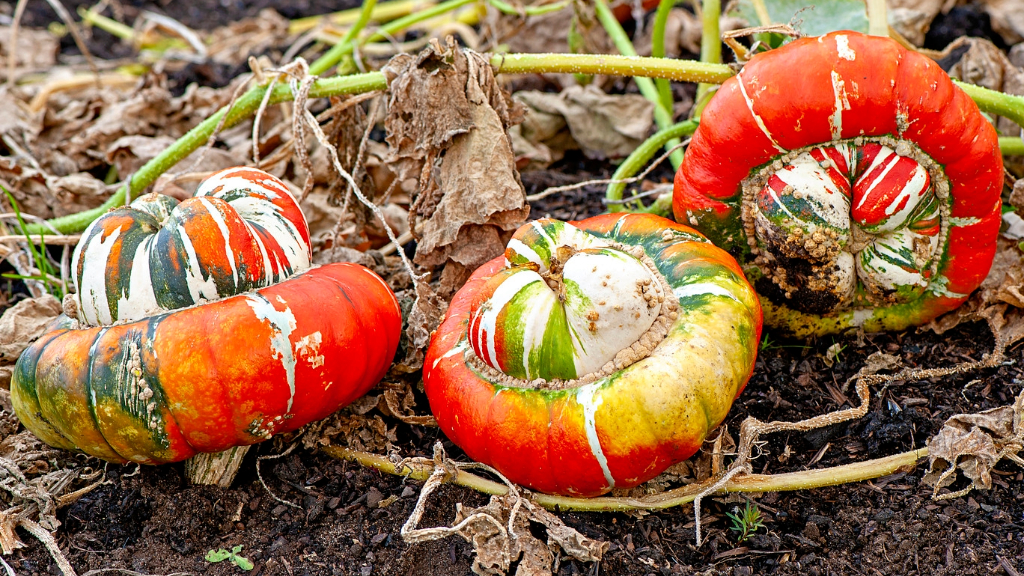
“History Of Turk’s Turban Squash Plant …” from www.gardeningknowhow.com and used with no modifications.
The Right Tools and Techniques for Harvesting
Use sharp pruning shears or a knife to cut turban squash from the vine, leaving 2-3 inches of stem attached to the fruit. This stem “handle” serves as a natural seal that prevents premature decay and extends storage life. Never lift or carry turban squash by this stem alone, as breaking it creates an entry point for decay organisms. Instead, support the fruit from underneath while transferring it to curing and storage locations. For more tips on maintaining a safe garden, consider these safe garden ideas.
Handle harvested squash with care to prevent bruising or surface damage that might not be immediately visible but can lead to rot during storage. Even minor scratches or dents can become entry points for decay organisms. Wipe soil from the surface with a dry cloth rather than washing, as excess moisture encourages fungal development. For more information on how to properly care for squash, check out this article on turban squash care tips. Inspect each fruit carefully, setting aside any with damage, soft spots, or other imperfections for immediate use rather than long-term storage.
Curing Process for Maximum Shelf Life
Curing creates the conditions that prepare turban squash for extended storage by hardening the shell and healing minor surface wounds. Place freshly harvested, undamaged squash in a warm (80-85°F), dry location with good air circulation for 10-14 days. Arrange fruits so they don’t touch each other, ideally on wire racks that allow air flow around the entire surface. During this period, excess moisture evaporates from the shell and flesh, concentrating sugars and flavors while strengthening the protective exterior.
For smaller spaces, improvise curing conditions using a spare room, garage, or protected porch that receives indirect sunlight and maintains warm temperatures. While commercial growers use specialized curing rooms, home gardeners can achieve excellent results with makeshift arrangements. A fan set on low can improve air circulation in enclosed spaces, preventing moisture accumulation that leads to mold or premature decay. The time invested in proper curing pays dividends through significantly extended storage life and improved flavor. For more tips on creating a safe and thriving environment, consider these safe garden ideas.
Best Storage Conditions to Prevent Spoilage
After curing, transfer turban squash to cool, dry storage conditions between 50-55°F with moderate humidity (50-70%). These temperature and humidity levels slow respiration while preventing excessive moisture loss. Ideal locations include basements, root cellars, or insulated garages that maintain consistent cool temperatures without freezing. Avoid storing near ripening fruits like apples or pears, which release ethylene gas that accelerates squash ripening and shortens storage life.
Continue to arrange stored squash with space between each fruit to maintain air circulation and prevent contact spread of decay. Check stored squash weekly, removing any showing signs of softening, mold, or decay. One decaying squash can quickly affect others nearby through contact or released moisture. Under optimal conditions, properly cured and stored turban squash remains usable for 2-3 months, providing nutritious eating long after the growing season ends.
Final Thoughts: Making the Most of Your Turban Squash Experience
Turban squash offers a unique combination of ornamental beauty and culinary versatility that few other vegetables can match. From stunning fall displays to hearty winter soups, these distinctive squashes earn their place in both garden plans and kitchen repertoires. By understanding their growth requirements, harvest timing, and storage needs, you can enjoy the full potential of these characterful vegetables. Whether you’re a dedicated squash aficionado or a curious gardener seeking something beyond the ordinary, turban squash rewards your efforts with months of both visual delight and nutritional enjoyment. For a truly unique gardening experience that bridges decoration and dining, few choices surpass the delightful turban squash with its distinctive appearance and versatile uses.
Frequently Asked Questions
Turban squash cultivation raises several common questions for both new and experienced gardeners. These answers address the most frequent inquiries about growing, preparing, and storing these distinctive winter squashes. Whether you’re considering adding turban squash to your garden plan or have already harvested your first crop, these insights help maximize your success with this unique vegetable.
Can turban squash be grown in containers or small gardens?
Yes, turban squash can be grown in containers or small gardens with proper planning. Choose bush varieties specifically bred for compact growth habits rather than standard vining types. Select containers at least 20 inches in diameter with a minimum 5-gallon capacity, ensuring multiple drainage holes. Fill with high-quality, nutrient-rich potting mix amended with compost rather than garden soil, which compacts too densely for container use.
In small gardens, consider vertical growing techniques using strong trellises or supports. Train vines upward as they develop, securing with soft plant ties that won’t damage stems. As fruits form, create slings from stretchy fabric (old t-shirts work well) to support their weight and prevent stem breakage. While container-grown specimens may produce slightly smaller fruits, their distinctive appearance and flavor remain comparable to ground-grown varieties.
Is turban squash skin edible, or should it be removed before cooking?
Turban squash skin is technically edible but rarely enjoyable. The thick, hard exterior that develops during maturation helps preserve the squash for winter storage but creates a tough, fibrous texture most people find unpalatable. For most cooking applications, removing the skin after cooking provides the best culinary experience. The easiest method involves cutting the squash in half, roasting until tender, then scooping the flesh from the shell. For more tips on pet-friendly gardening, check out our safe garden ideas.
For recipes requiring raw cubed squash, use a sharp vegetable peeler or knife to remove the skin before cutting. The irregular shape makes peeling challenging, so consider first cutting the squash into manageable sections. Some chefs prefer slicing the squash into wedges, roasting with the skin on, then removing the skin before incorporating the cooked flesh into recipes. This method allows the skin to contribute flavor during cooking without affecting the final texture of the dish.
How long will a turban squash typically last after harvesting?
Properly cured and stored turban squash typically lasts 2-3 months under ideal conditions (50-55°F with 50-70% humidity). Individual storage life varies based on growing conditions, maturity at harvest, curing thoroughness, and storage environment. Squash grown during drought conditions or harvested slightly immature generally stores for shorter periods, while perfectly matured specimens from healthy plants may last up to 4 months with optimal handling and storage. For tips on maintaining a healthy garden environment, consider reading about sword fern care and its impact on plant health.
Are turban squash seeds worth saving, and how do I prepare them?
Turban squash seeds are absolutely worth saving, both for replanting and for roasted snacks. For seed saving, select fully mature squash from healthy, productive plants with characteristics you wish to preserve. Remove seeds and separate them from the stringy pulp by washing in a colander under running water. Spread cleaned seeds in a single layer on paper towels or screen material, then dry completely in a well-ventilated location for 2-3 weeks until they snap rather than bend when flexed. Store fully dried seeds in paper envelopes in a cool, dry location for planting the following season.
What common pests and diseases affect turban squash plants?
Squash bugs, cucumber beetles, and vine borers rank among the most destructive turban squash pests. Preventive measures include floating row covers until flowering, companion planting with repellent plants like nasturtiums, and regular inspection of leaf undersides for egg clusters. Powdery mildew and bacterial wilt present the most common disease challenges, particularly in humid climates or dense plantings with poor air circulation. Minimize these risks through proper spacing, morning watering that allows foliage to dry before evening, and resistant varieties when available.
Preventive applications of organic options like neem oil can help manage both insect and fungal issues when applied early and consistently. Physical barriers like diatomaceous earth create effective defenses against crawling insects without introducing toxicity concerns. For severe infestations, consider stronger organic controls like pyrethrin-based products, applying when beneficial insects are least active to minimize impact on pollinators. Always follow label instructions precisely, particularly regarding pre-harvest intervals for any treatments applied to edible crops.
Growing turban squash offers both challenges and rewards that make it a fascinating addition to any garden plan. With their distinctive appearance and versatile uses, these unique winter squashes bring both visual interest and culinary possibilities to your growing space. Whether showcased in fall displays or featured in winter recipes, turban squash rewards your gardening efforts with months of enjoyment both indoors and at the table. Visit Garden Experts for more specialty squash varieties and growing tips to expand your vegetable garden portfolio.