
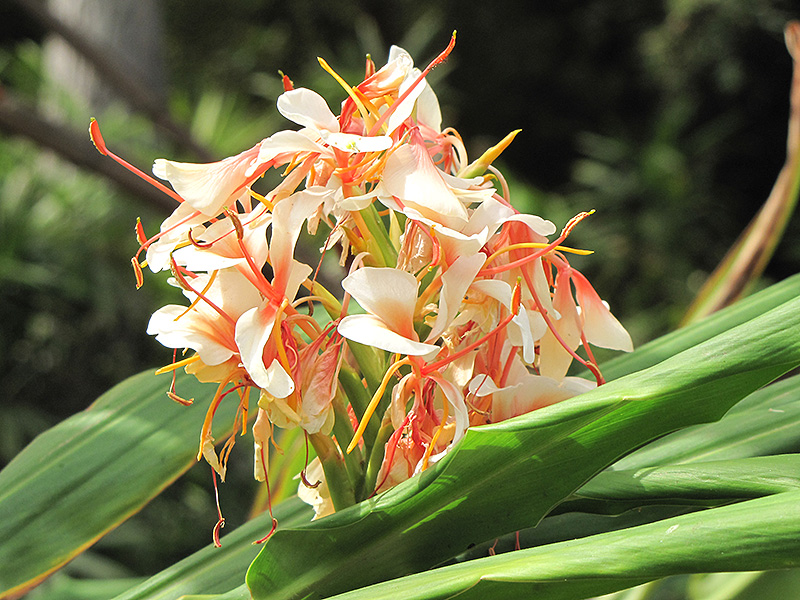
Key Takeaways
- White Ginger (Hedychium coronarium) is non-toxic to cats, dogs, horses, and humans, making it an excellent choice for pet-friendly gardens.
- This stunning tropical plant goes by multiple names including Butterfly Ginger, Cinnamon Jasmine, and Garland Flower, each reflecting different aspects of its beauty and cultural significance.
- White Ginger’s intensely sweet fragrance is strongest in late afternoon and evening, with notes of tropical flowers, ginger, and hints of gardenia.
- Though often called a “lily,” White Ginger is not a true lily and belongs to the Zingiberaceae family, making it a safer alternative to toxic true lilies.
- Beyond its ornamental value, White Ginger has traditional medicinal properties and cultural significance in various regions, particularly in Cuba where it’s the national flower.
Wondering if that gorgeous white-flowered plant will harm your furry friends? White Ginger (Hedychium coronarium) is a breath of fresh air for pet owners seeking beautiful yet safe garden additions.
This tropical beauty offers the perfect combination of stunning flowers, intoxicating fragrance, and pet-friendly properties. PictureThis, the leading plant identification app trusted by millions of garden enthusiasts, confirms White Ginger’s non-toxic status, allowing you to enjoy its elegant blooms without worry for your four-legged companions.
The Many Names of White Ginger: More Than Just a Pretty Flower
White Ginger’s collection of charming nicknames reflects its diverse characteristics and cultural significance across different regions. Each name highlights a unique aspect of this remarkable plant, from its butterfly-like flowers to its sweet, spicy fragrance. Understanding these names provides insight into why this plant has captivated gardeners worldwide for centuries.
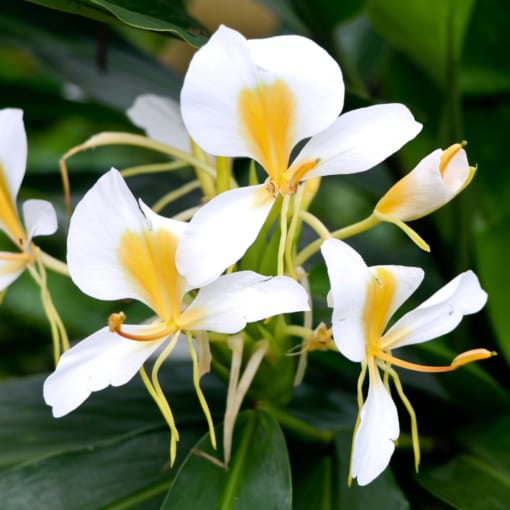
“White Ginger Lily (Hedychium coronarium)” from www.logees.com and used with no modifications.
Why It’s Called Butterfly Ginger
The name “Butterfly Ginger” perfectly captures the delicate, fluttering appearance of its pristine white blooms. When these flowers sway in a gentle breeze, they resemble a cluster of white butterflies hovering above the lush green foliage. In Cuba, where it serves as the national flower, locals affectionately call it “mariposa blanca,” meaning “white butterfly flower” in Spanish. This poetic nickname has followed the plant across continents, becoming one of its most beloved monikers among gardeners.
The butterfly connection extends beyond mere appearance. Like butterflies that brighten gardens with their presence, these flowers transform outdoor spaces with their ethereal beauty. Their lightweight, airy quality brings movement and life to otherwise static garden areas. For ideas on creating a pet-friendly garden, check out these safe garden ideas.
Origins of the Cinnamon Jasmine Nickname
The “Cinnamon Jasmine” moniker comes from the plant’s remarkable fragrance profile. When in full bloom, White Ginger releases a complex scent that combines the sweetness of jasmine with subtle spicy notes reminiscent of cinnamon. This multi-layered fragrance creates an exotic sensory experience that’s both familiar and intriguingly different. For those interested in pet-friendly gardening, exploring safe garden ideas can help create a harmonious environment for both plants and pets.
Unlike true jasmine, however, White Ginger belongs to the Zingiberaceae family—the same family as culinary ginger and turmeric. This botanical classification explains the subtle warmth in its scent profile that distinguishes it from pure floral fragrances. Many gardeners specifically select this plant for its ability to infuse evening gardens with its distinctive perfume, which intensifies as dusk approaches. For those interested in garden safety, it’s worth considering pet-safe plants to complement your White Ginger.
Garland Flower: A Cultural Connection
The name “Garland Flower” speaks to the plant’s ceremonial uses across various cultures, particularly in parts of South and Southeast Asia. The snow-white blooms have traditionally been harvested to create fragrant garlands for religious ceremonies, weddings, and other celebrations. These garlands symbolize purity, honor, and festivity, making them perfect for marking special occasions. For those interested in creating a pet-friendly garden, check out this guide on garden fencing and plant selection.
In Hawaii, where the plant was introduced and has naturalized, White Ginger flowers are often used to create lei garlands that welcome visitors or honor special guests. The practice of creating these fragrant adornments continues today, connecting modern celebrations to centuries-old traditions. The flowers’ strong fragrance means these garlands not only delight the eye but also surround the wearer with a cloud of natural perfume.
Ginger Lily vs. True Ginger: Important Differences
Despite sharing the “ginger” name, White Ginger or “Ginger Lily” differs significantly from the culinary ginger (Zingiber officinale) found in kitchens. While both belong to the same plant family, White Ginger is primarily ornamental, prized for its flowers rather than its rhizomes. The “lily” portion of its name is actually a misnomer, as it’s not related to true lilies at all—which is fortunate news for pet owners, as many true lilies are highly toxic to cats.
This distinction becomes particularly important when discussing toxicity and garden safety. True lilies from the Lilium and Hemerocallis genera can cause kidney failure in cats even in small amounts, while White Ginger poses no such risk. The rhizomes of White Ginger do contain aromatic compounds, but they lack the intense flavor and culinary properties of true ginger.
White Ginger vs. True Ginger vs. True Lilies: A Safety Comparison
White Ginger (Hedychium coronarium): Non-toxic to pets and humans; primarily ornamental with minimal culinary uses
True Ginger (Zingiber officinale): Non-toxic and edible; primarily used in cooking and medicine
True Lilies (Lilium spp.): Highly toxic to cats; can cause kidney failure even in small amounts
The striking difference in toxicity between White Ginger and true lilies makes this plant an excellent alternative for pet owners who love the elegant look of lilies but need safer options. Its tall stems and dramatic flowers create a similar visual impact in garden designs without introducing dangerous elements to your outdoor space. For more ideas on creating a safe garden for your pets, explore various plant choices and design tips.
White Ginger Safety Profile: Good News for Gardens
Unlike many beautiful flowering plants that pose hidden dangers, White Ginger offers a refreshing combination of beauty and safety. This makes it an exceptional choice for gardeners who share their outdoor spaces with children, pets, or wildlife. Understanding exactly how safe this plant is can help you make informed decisions about incorporating it into your landscape design.
According to the ASPCA (American Society for the Prevention of Cruelty to Animals), White Ginger is officially listed as non-toxic to dogs, cats, and horses. This authoritative confirmation provides peace of mind for pet owners who want to create visually stunning gardens without compromising on safety. The plant’s non-toxic status extends to all its parts—flowers, stems, leaves, and even the rhizomes beneath the soil.
Safety for Humans
White Ginger poses no significant toxicity risks to humans of any age. Children can safely explore gardens containing these plants without parents needing to worry about accidental poisoning from touching or even tasting the plant parts. This is particularly valuable for family gardens where curious toddlers might be tempted to sample colorful flowers or interesting leaves.
Some people with sensitive skin might experience mild irritation from handling the sap, but this is uncommon and typically mild compared to the serious dermatitis that can result from handling more problematic ornamentals. Washing hands after gardening is always a good practice and should prevent any minor irritation that might occur. For more information on handling plants safely, you can visit the White Ginger Fact Sheet.
The plant’s rhizomes, while not commonly used in modern cooking, have been incorporated into traditional foods in some cultures without adverse effects. This further confirms their general safety for human interaction. For those interested in pet-friendly gardening, consider exploring pet-safe plant options to ensure a harmonious environment for both humans and pets.
Pet-Friendly Properties
For pet owners, the non-toxic nature of White Ginger represents a significant advantage over many popular garden plants. Cats and dogs who enjoy nibbling on greenery won’t suffer ill effects if they decide to sample these plants. This is particularly important for cats, who often seek out plants to chew as part of their natural behavior.
Even horses, which can be sensitive to many ornamental plants, can safely coexist with White Ginger. This makes it an excellent choice for properties where horses might have access to landscaped areas or where gardens border equestrian facilities. The peace of mind that comes with knowing your animals won’t be harmed by your garden choices is invaluable for responsible pet owners.
Safe Alternatives to Toxic Garden Plants
White Ginger serves as an excellent replacement for several popular but dangerous ornamental plants. True lilies (Lilium spp.), which are highly toxic to cats, can be substituted with White Ginger to achieve a similar dramatic flowering effect without the risk. Similarly, oleander and foxglove, both toxic beauties, can be replaced with White Ginger in areas where pets or children might have access.
Creating a garden that balances beauty with safety doesn’t mean sacrificing visual impact or fragrance. White Ginger proves that safe plants can be just as stunning and satisfying as their more dangerous counterparts, allowing gardeners to design without compromise.
Symbolism and Cultural Significance
White Ginger carries rich symbolic meaning across various cultures, often representing purity, innocence, and spiritual devotion. In Cuba, where it serves as the national flower, it symbolizes the revolutionary spirit and natural beauty of the island nation. The pristine white blooms make it a natural choice for celebrations of new beginnings, including weddings and birth ceremonies in many tropical cultures. For those interested in incorporating this flower into a pet-safe garden, it is important to ensure the environment is safe for all.
Beyond representing concepts, the plant has been integrated into important cultural practices that span generations. Understanding these cultural connections adds depth to our appreciation of this remarkable plant, transforming it from merely ornamental to historically significant. For those interested in exploring more about plant care and safety, consider reading about the artillery plant care and pet safety guide.
What White Ginger Represents in Different Cultures
In Hawaiian tradition, White Ginger (called “awapuhi ke’oke’o”) symbolizes delicate beauty and grace. The flowers are associated with the goddess Laka, patron of hula dancing, and are used in ceremonies honoring feminine energy and artistic expression. For many Pacific Islanders, these blooms represent the perfect balance of strength and delicacy—robust enough to thrive in tropical conditions yet producing flowers of remarkable refinement and beauty.
In parts of India and Southeast Asia, White Ginger represents divine purity and is often used in religious offerings at temples and shrines. The plant’s ability to produce spotless white blooms from the dark earth symbolizes spiritual transcendence and the pursuit of enlightenment. This symbolic connection has made it a staple in temple gardens and sacred landscapes throughout the region.
Traditional Uses in Ceremonies and Celebrations
White Ginger flowers have adorned countless wedding ceremonies across tropical Asia, where their fragrance and purity make them perfect symbols for new unions. Brides in parts of Indonesia and Malaysia traditionally wear these blooms in their hair or incorporate them into bridal bouquets to invite blessing and prosperity into the marriage. The flowers’ strong scent is believed to drive away negative energies and create an atmosphere of positivity for important life transitions.
In traditional Polynesian ceremonies, garlands of White Ginger called “lei” are exchanged as symbols of respect, honor, and affection. These fragrant necklaces serve as living gifts that connect the giver and receiver in a shared appreciation of natural beauty. The practice continues today in Hawaii, where these garlands welcome visitors and honor special guests at important gatherings.
Practical Uses Beyond Ornamental Beauty
While White Ginger’s stunning appearance makes it a garden favorite, this versatile plant offers much more than mere decoration. Throughout history, people have discovered numerous practical applications for its flowers, foliage, and rhizomes. These functional uses showcase the plant’s remarkable versatility and explain why it has been cultivated and treasured across so many different cultures. For example, the historical uses of plants like the American Chestnut highlight how various species have been utilized over time.
From perfumery to folk medicine, White Ginger has served humanity in surprising ways that extend far beyond its role as a garden centerpiece. Modern gardeners can appreciate these traditional applications while discovering new ways to incorporate this plant into their contemporary lifestyles.
Fragrance Applications
- Natural room freshener – Fresh flowers placed in water provide days of fragrance for indoor spaces
- Personal perfume – Flowers tucked into clothing or worn in hair release scent throughout the day
- Linen scenting – Dried flowers placed among stored fabrics impart a lasting fragrance
- Bathwater enhancement – Fresh or dried blooms added to bathwater create a spa-like experience
- Potpourri ingredient – Dried flowers maintain their scent for months when properly preserved
The intense fragrance of White Ginger has made it a prized ingredient in commercial perfumery as well. The essential oil extracted from the flowers, though difficult to produce and therefore expensive, creates a base note in high-end fragrances that’s both exotic and familiar. Some artisanal perfumers specialize in capturing the unique scent profile of these blooms, which includes notes of sweet spice, tropical floral, and subtle earthiness.
Home gardeners can easily create their own White Ginger-scented products by infusing the flowers in carrier oils. Simply place fresh blooms in a jar of jojoba or sweet almond oil, seal tightly, and allow to steep for several weeks. The resulting fragrant oil can be used for massage, added to unscented lotions, or dabbed directly on pulse points as a natural perfume.
For the most powerful fragrance experience, harvest White Ginger flowers in the late afternoon when their scent production peaks. Bringing these blooms indoors as evening approaches allows you to enjoy their most intense perfume just as the sun sets, creating a sensory ritual that connects you to the natural rhythms of the plant.
Traditional Medicinal Properties
Throughout Asia, White Ginger has been incorporated into traditional medicine systems for centuries. The rhizomes contain compounds with anti-inflammatory, analgesic, and antimicrobial properties that have been utilized to treat various ailments. In traditional Chinese medicine, preparations from the plant have been used to address digestive discomfort, reduce fevers, and alleviate certain types of pain.
Modern research has begun to investigate these traditional applications, with some preliminary studies confirming the presence of bioactive compounds with therapeutic potential. While White Ginger shouldn’t replace conventional medical treatment, its long history of medicinal use points to properties that extend beyond its ornamental value. Always consult a healthcare provider before using any plant for medicinal purposes, as even safe plants can interact with medications or trigger allergic reactions in sensitive individuals.
Culinary Possibilities
While not as commonly used in cooking as its relative, culinary ginger, White Ginger has found its way into traditional cuisines in subtle ways. In parts of Southeast Asia, the young shoots and flower buds are occasionally added to salads for their mild flavor and crisp texture. The rhizomes, though less pungent than culinary ginger, have been used to impart a subtle aromatic quality to certain dishes and beverages, particularly in regions where the plant grows abundantly.
Creating a Pet-Safe Garden with White Ginger
Designing a garden that balances beauty with safety requires thoughtful plant selection and strategic placement. White Ginger serves as an excellent anchor plant in pet-friendly landscapes, providing dramatic vertical elements and fragrant blooms without introducing toxicity concerns. By pairing it with other non-toxic plants and implementing simple safety measures, you can create an outdoor space that both you and your pets can enjoy without worry. For more safe garden ideas, consider different plant combinations and layouts.
Best Companion Plants for Safety
When designing your pet-safe garden around White Ginger, consider complementary plants that share its non-toxic status. Boston fern (Nephrolepis exaltata), spider plant (Chlorophytum comosum), and catnip (Nepeta cataria) all pair beautifully with White Ginger while remaining safe for curious pets. For colorful accents, consider pet-friendly flowering plants like calendula, zinnia, or sunflowers, which add vibrant hues without introducing dangerous elements to your garden.
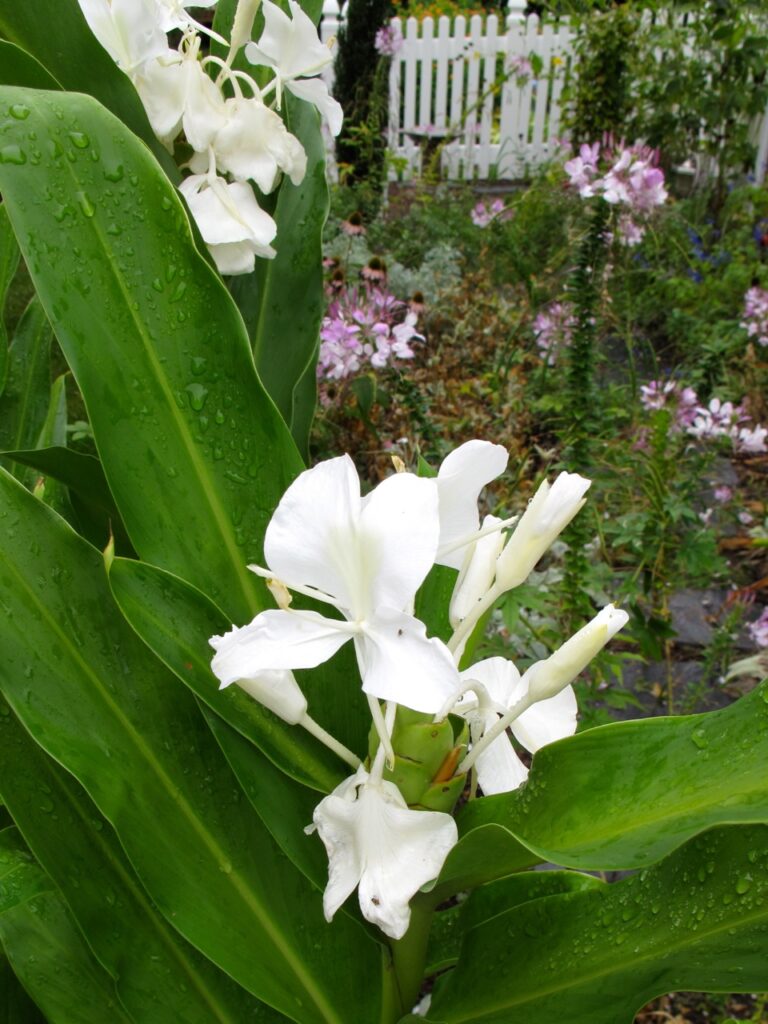
“Misty View From The Southern Side …” from pbmgarden.blog and used with no modifications.
Strategic Placement Tips
Position White Ginger in locations where its height and dramatic flowers can create maximum impact without interfering with pet play areas. These plants work beautifully as backdrop elements along fences or property boundaries, where they can provide privacy screening while keeping their potentially messy fallen flowers away from main activity zones. Their tall stature makes them perfect for the back of garden beds, where they won’t be trampled by romping dogs yet will still be visible and appreciated.
Consider using White Ginger to create natural barriers between pet play zones and more delicate garden areas. Their dense growth habit and substantial height make them effective visual and physical dividers in the landscape. This strategic placement allows you to maintain dedicated pet spaces while protecting more fragile plantings from enthusiastic animal activities.
Preventing Accidental Ingestion
While White Ginger is non-toxic, it’s still wise to discourage pets from developing plant-chewing habits. Provide alternative activities and appropriate chew toys for dogs, and consider growing pet grass specifically for cats who crave greenery. These simple diversions help protect your garden’s appearance while reinforcing good behavior patterns in your animal companions.
For especially determined plant-sampling pets, consider installing low decorative fencing around new plantings until they become established. Once White Ginger reaches its mature size, most pets naturally leave these substantial plants alone, but protection during the vulnerable establishment phase ensures successful growth. Chicken wire bent into hoops over new plantings provides effective temporary protection without detracting from your garden’s appearance.
Other Pet-Safe Plants to Consider
Beyond White Ginger, numerous other beautiful plants can safely coexist with your pets. Herbs like basil, rosemary, and thyme offer fragrance and culinary benefits while remaining non-toxic to animals. Ornamental grasses such as Japanese Forest Grass (Hakonechloa macra) or Blue Fescue (Festuca glauca) provide interesting texture and movement without safety concerns. Even many roses are considered non-toxic, though their thorns might require some strategic placement to avoid accidental scratches.
For shaded areas where White Ginger might struggle, consider pet-safe alternatives like African violets, Christmas cactus, or prayer plants. These indoor-outdoor options thrive in the dappled light beneath trees and larger shrubs, creating interest at lower levels of the garden while maintaining your commitment to pet safety.
Remember that even non-toxic plants can cause mild digestive upset if consumed in large quantities. The goal isn’t necessarily to create an edible landscape for your pets but rather to ensure that accidental sampling won’t result in emergency veterinary visits. Regular monitoring of both your plants and your pets’ behavior helps maintain this delicate balance.
Growing White Ginger: Essential Care Instructions
Successfully cultivating White Ginger requires understanding its specific needs and natural growth habits. Native to the Himalayan region and parts of Southeast Asia, this plant thrives under conditions that mimic its tropical homeland. By providing the right environment and care, you can enjoy these spectacular blooms and their intoxicating fragrance year after year, creating a showstopping display that becomes more impressive as the plants mature. For additional tips on plant care, you might find this Artillery Plant Care Guide useful.
Ideal Growing Conditions
White Ginger performs best in USDA hardiness zones 8-11, where it can remain in the ground year-round. The plant prefers locations with filtered sunlight or partial shade, mimicking its natural understory habitat in tropical forests. Morning sun with afternoon shade creates ideal conditions, protecting the lush foliage from scorching while providing sufficient light for abundant flowering. In cooler regions, positioning plants against south-facing walls can create favorable microclimates that extend the growing season.
Soil quality significantly impacts White Ginger’s performance. These plants thrive in rich, humus-laden soil that retains moisture without becoming waterlogged. Before planting, amend garden beds with generous amounts of compost or well-rotted manure to create the fertile, organic-rich environment these plants crave. A soil pH between 5.5 and 7.0 provides optimal growing conditions, allowing the plants to access essential nutrients efficiently.
Watering Requirements
Consistent moisture is crucial for White Ginger’s lush growth and abundant flowering. Establish a regular watering schedule that maintains evenly moist soil throughout the growing season, typically providing 1-2 inches of water weekly depending on climate conditions. Using drip irrigation or soaker hoses delivers water directly to the root zone, preventing fungal issues that can develop when foliage remains wet for extended periods.
During active growth in spring and summer, never allow the soil to dry out completely between waterings. However, avoid creating soggy conditions that can lead to root rot. A 2-3 inch layer of organic mulch helps maintain consistent soil moisture while suppressing weeds and gradually improving soil structure as it breaks down. In fall and winter, reduce watering frequency in response to slower growth and increased natural precipitation in many regions.
Fertilization Schedule
White Ginger’s tropical nature makes it a relatively heavy feeder, requiring regular nutrition for optimal growth and flowering. Begin fertilizing in early spring as new growth emerges, using a balanced organic fertilizer with equal ratios of nitrogen, phosphorus, and potassium. Apply fertilizer every 4-6 weeks throughout the growing season, following package directions for application rates based on your garden’s size. For those with pets, consider exploring safe garden ideas to ensure a pet-friendly environment.
For established plantings, supplement regular fertilization with an annual top-dressing of compost in spring. This slow-release approach provides ongoing nutrition while improving soil structure and microbial activity. Discontinue fertilization in late summer to allow plants to prepare naturally for dormancy, reducing the risk of tender new growth being damaged by early cold weather in transitional climate zones.
Pest and Disease Management
White Ginger plants generally display good resistance to pests and diseases, making them relatively low-maintenance additions to pet-friendly gardens. However, they can occasionally face challenges from aphids, spider mites, and mealybugs, particularly when grown in less-than-ideal conditions. Regular inspection of the undersides of leaves and new growth will help you catch these problems early, when they’re easier to address with gentle interventions.
Rather than reaching for chemical pesticides that might harm pets, consider safer alternatives like insecticidal soap or neem oil for treating minor infestations. These natural solutions effectively control common pests without introducing dangerous residues to your garden. For fungal issues that might develop in overly humid conditions, improve air circulation around plants by proper spacing and selective pruning of dense growth. This physical approach to disease prevention aligns perfectly with creating a truly pet-safe environment.
Winter Care in Different Zones
In USDA zones 8-11, White Ginger can remain in the ground year-round with minimal protection. Simply cut back the foliage after it dies back naturally following the first frost, and apply a thick layer of mulch over the rhizomes to insulate them from occasional cold snaps. In zones 7-8, where winter temperatures occasionally dip below the plant’s comfort zone, provide additional protection by adding a layer of straw or frost cloth over the mulched area during the coldest months. For gardeners in zones 6 and below, dig up the rhizomes after the first light frost, allow them to dry for several days, and store in slightly damp peat moss or vermiculite in a cool, dark location until spring planting season returns. For more information on fern care and placement for pet safety, check out this guide.
The Intoxicating Fragrance of White Ginger
Perhaps the most remarkable feature of White Ginger is its extraordinary fragrance—a complex, heady perfume that transforms gardens into sensory wonderlands. This isn’t just any garden scent; it’s an experience that stops visitors in their tracks and creates lasting memories of summer evenings surrounded by nature’s perfume. Understanding the unique characteristics of this fragrance helps gardeners maximize its impact in landscape design. For those interested in plant safety, you might want to explore the pet safety of American Chestnut and how it compares to other garden plants.
“The scent of White Ginger at dusk is nothing short of magical—like standing in a tropical forest after a warm rain, when all the flowers release their perfume at once. It’s sweet yet spicy, familiar yet exotic, and completely unforgettable once experienced.”
— Dr. Isabel Martinez, Tropical Plant Specialist
Unlike many garden flowers that produce only mild fragrance, White Ginger’s scent carries remarkable distance, often detectable from 20-30 feet away when multiple plants are in bloom. This impressive scent radius makes it perfect for strategic placement near patios, bedroom windows, or garden seating areas where the fragrance can be fully appreciated. Many gardeners specifically design evening entertainment spaces around these plants, knowing their perfume will enhance outdoor gatherings. For pet owners, understanding plant safety and care tips is crucial when incorporating fragrant flora into pet-friendly spaces.
The plant’s scent production follows natural rhythms that align with pollinator activity in its native habitat. Understanding these patterns allows gardeners to anticipate when the fragrance will be strongest and plan garden visits accordingly. The relationship between fragrance production and time of day creates a dynamic garden experience that changes from morning to evening, adding another dimension to this already remarkable plant. For those interested in creating a safe and fragrant garden, consider exploring growing tips for thyme, which can be a wonderful addition.
For those seeking to create sensory gardens for therapeutic purposes, White Ginger offers exceptional value. Its powerful yet pleasant fragrance makes it ideal for gardens designed for individuals with visual impairments or memory care facilities where scent can trigger positive emotional responses and memories. The non-toxic nature of the plant makes it particularly suitable for these specialized garden environments where safety is paramount.
Scent Profile and Characteristics
White Ginger’s fragrance defies simple description, presenting a complex bouquet that combines several distinct notes. The dominant impression is sweet and tropical, reminiscent of jasmine but with a warm, spicy undertone that hints at its relationship to culinary ginger. Some describe detecting hints of gardenia, vanilla, and even coconut within the layered scent profile. This complexity explains why the fragrance appeals to such a wide range of preferences—it offers something familiar to almost everyone while maintaining its unique character.
The intensity of the scent varies with environmental conditions, becoming more pronounced during warm, humid evenings. This response to humidity makes sense considering the plant’s tropical origins, where evening moisture helps carry fragrances further to attract night-pollinating moths. In garden settings, light misting of the plants and surrounding air during dry periods can temporarily enhance the fragrance release, creating an intensified sensory experience for special occasions.
Best Times to Enjoy the Aroma
White Ginger’s fragrance follows a distinct daily pattern, becoming noticeably stronger in late afternoon and peaking in the evening hours. This cycle makes the plant perfect for evening gardens or outdoor living spaces used primarily after work hours. Many gardeners report the magical experience of sitting outdoors as dusk falls and suddenly becoming aware of the intensifying perfume as the flowers increase their scent production in response to changing light levels.
The flowering season typically runs from mid-summer through early fall, with fragrance production at its height during warm, humid periods. In tropical and subtropical regions, plants may produce scattered blooms throughout the year, but the main flowering period still follows seasonal patterns. Planning garden events during peak blooming seasons ensures the most impressive fragrance display, creating memorable sensory experiences for special gatherings.
Harvesting Flowers for Indoor Fragrance
Bringing White Ginger’s intoxicating scent indoors allows you to enjoy its benefits even when weather keeps you inside. Cut flowers early in the morning when stems are full of moisture, selecting blooms that have just fully opened for maximum fragrance longevity. Place stems immediately in water and recut them at an angle underwater to prevent air from entering the vascular system. A single stem with several open flowers can perfume an entire room, making these blooms exceptionally economical as cut flowers.
For longer-lasting arrangements, add a floral preservative to the vase water and keep arrangements away from direct sunlight, fruit bowls (which release ethylene gas that accelerates flower decline), and heating/cooling vents. Change the water every two days, recutting stems each time. With proper care, cut White Ginger flowers can maintain their appearance and fragrance for 5-7 days, providing nearly a week of natural perfume for your indoor spaces.
White Ginger: A Beautiful Addition to Any Garden
Beyond its practical benefits and sensory qualities, White Ginger simply creates breathtaking garden moments. Standing at 4-6 feet tall when mature, with architectural stems crowned by clusters of pristine white flowers, these plants command attention in any landscape. Their tropical appearance brings exotic flair to gardens, creating focal points that draw the eye and invite closer exploration. Even when not in bloom, the lush, glossy foliage provides textural contrast to other garden plants.
Perhaps the most compelling reason to grow White Ginger is the complete package it offers—dramatic beauty, intoxicating fragrance, pet-friendly properties, and cultural significance all combined in one remarkable plant. Few garden selections can claim such a diverse range of positive attributes without significant drawbacks. By incorporating White Ginger into your landscape, you’re not just growing a plant; you’re cultivating an experience that engages all the senses while keeping your family and pets safe to enjoy the garden fully.
Frequently Asked Questions
White Ginger generates many questions from gardeners interested in adding this stunning plant to their landscapes. The following answers address the most common concerns and provide practical guidance for success with this tropical beauty. For those concerned about pet-safe garden ideas, additional resources are available to help ensure your garden is both beautiful and safe for your furry friends.
Can White Ginger survive in colder climates?
While White Ginger thrives in tropical and subtropical regions (USDA zones 8-11), gardeners in cooler areas can still enjoy this beautiful plant with proper winter care. In zones 6-7, the rhizomes must be dug up after the first frost, stored in barely moist peat moss or vermiculite in a cool (45-55°F), dark location during winter, and replanted after all danger of frost has passed in spring. Alternatively, container growing allows you to move plants to protected areas during cold weather, extending the range where White Ginger can be successfully cultivated. For more on plant care, check out this Artillery Plant care guide.
How quickly does White Ginger spread in garden beds?
White Ginger spreads via underground rhizomes at a moderate pace, typically expanding 1-2 feet per year under ideal growing conditions. This growth rate makes it vigorous enough to establish impressive clumps within a few seasons but not so aggressive that it becomes difficult to control in most garden settings. The spreading habit creates natural fill-in between plants, eventually forming dense stands that effectively suppress weeds.
To manage spread in smaller gardens, consider installing rhizome barriers (similar to those used for bamboo) around plantings, or grow White Ginger in large containers sunk into the ground. Division every 3-4 years not only controls size but also rejuvenates plants, ensuring continued vigorous growth and abundant flowering. These divisions can be shared with friends or used to establish new plantings in other garden areas.
Is White Ginger invasive in certain regions?
White Ginger has been reported as invasive in parts of Hawaii, Puerto Rico, and other tropical Pacific and Caribbean islands where climate conditions allow it to spread into natural areas. Before planting, check with your local extension office or invasive species council to determine if restrictions exist in your region. In most continental U.S. locations, cold winter temperatures naturally limit its spread, and the plant remains a well-behaved garden resident. Responsible gardening practices, including deadheading spent flowers before seed formation and containing rhizomes, further reduce any potential for unwanted spread.
Does White Ginger attract beneficial insects?
- Honeybees visit the flowers for nectar, particularly during morning hours
- Butterflies, especially larger species like swallowtails, frequently feed on the nectar-rich blooms
- Night-flying moths are attracted to the evening fragrance, serving as important pollinators
- Hummingbirds occasionally visit the flowers in some regions, though they’re not primary pollinators
- Predatory insects like lacewings and ladybugs often take up residence among the foliage, helping control pest populations
This attraction of beneficial insects makes White Ginger valuable beyond its ornamental qualities, contributing to garden ecology by supporting pollinators and natural pest control agents. The plant’s extended blooming period provides nectar resources during late summer and early fall when many other garden flowers have finished blooming, helping sustain pollinator populations through seasonal transitions.
Gardeners practicing integrated pest management find that White Ginger contributes to overall garden health by increasing beneficial insect populations that help control problematic pests on nearby plants. This natural balance reduces the need for interventions and supports sustainable gardening practices. The nocturnal fragrance production specifically targets night-flying pollinators, filling an important ecological niche in garden environments.
For butterfly gardens, White Ginger serves as an excellent nectar plant for adult butterflies, though it doesn’t function as a larval host plant for most species. Pairing it with appropriate host plants creates a more complete habitat that supports the entire butterfly life cycle while adding spectacular beauty and fragrance to dedicated butterfly gardens.
Can I grow White Ginger in containers?
Container culture works exceptionally well for White Ginger, making it accessible to gardeners with limited space or challenging climate conditions. Select containers at least 18-24 inches in diameter and equally deep to accommodate the plant’s substantial root system and allow for proper development. Ensure excellent drainage by selecting pots with multiple drainage holes and using a high-quality, well-draining potting mix enhanced with additional compost for fertility and moisture retention.
Container-grown specimens typically reach 3-4 feet in height rather than the 5-6 feet achieved in ground plantings, creating a more manageable scale for patios and balconies. This slightly reduced size makes container specimens perfect for entryways, outdoor dining areas, and other intimate spaces where the fragrance can be fully appreciated without the plants overwhelming the area. Position containers where they receive morning sun and afternoon shade for optimal performance.
Winter care for container plants varies by climate zone. In zones 8-11, containers can remain outdoors year-round, though moving them to protected locations during occasional cold snaps provides extra insurance against damage. In zones 6-7, move containers to unheated garages or basements where temperatures remain above freezing but below 50°F to provide the cool dormancy period these plants require. Reduce watering dramatically during dormancy, keeping the soil just barely moist to prevent rhizome desiccation without encouraging rot.
For garden enthusiasts looking to create stunning outdoor spaces that delight the senses while keeping pets safe, PictureThis offers comprehensive plant identification and care guidance to help you select the perfect non-toxic options for your unique conditions.
White Ginger (Hedychium coronarium), also known by nicknames like Butterfly Ginger, Cinnamon Jasmine, Garland Flower, and Ginger Lily, is a popular plant known for its beautiful flowers and fragrant scent. While it adds aesthetic value to gardens, it’s important to consider its safety for people and pets. Understanding the symbolism and uses of White Ginger can enhance your gardening experience. For those interested in maintaining a pet-safe garden, learning about care tips for safe plants can be beneficial. Its fragrance and appearance make it a favored choice among garden enthusiasts.