

Key Takeaways
- Sweetheart Hoyas (Hoya kerrii) require bright indirect light and infrequent watering, making them perfect low-maintenance houseplants
- A single heart-shaped leaf cutting will root but won’t grow into a full plant – you need stem tissue with nodes for proper growth
- These plants are certified pet-safe by the ASPCA, making them excellent additions to homes with curious cats and dogs
- Sweetheart Hoyas can live for decades (30+ years) with proper care, making them worthwhile long-term investments
- While commonly sold as novelty Valentine’s Day plants, full vining specimens can grow up to 13 feet long with proper conditions and patience
The Sweetheart Hoya (Hoya kerrii) captures plant enthusiasts’ hearts with its distinctive heart-shaped leaves and easygoing nature. This charming succulent-like vine has earned numerous nicknames including Valentine Hoya, Wax Heart Plant, Love Heart Plant, and Lucky Hearts Plant – all pointing to its most captivating feature. As one of the most forgiving tropical houseplants available, it’s becoming increasingly popular among both novice and experienced indoor gardeners.
As a houseplant specialist at Joyus Garden, I’ve helped countless plant parents successfully grow these charming hearts. Whether you’re nursing a single potted leaf or cultivating a cascading vine of waxy hearts, this comprehensive care guide will ensure your Sweetheart Hoya thrives for years to come.
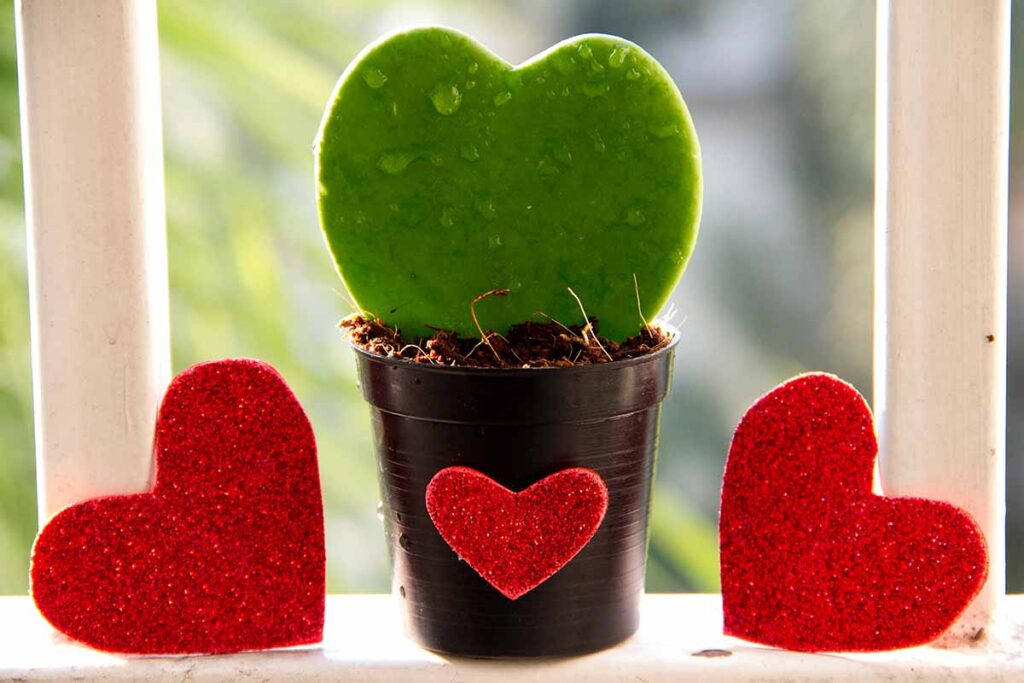
“Grow and Care for Sweetheart Hoya …” from gardenerspath.com and used with no modifications.
Why Sweetheart Hoyas Steal Plant Lovers’ Hearts
The Sweetheart Hoya’s appeal goes far beyond its adorable leaf shape. These tropical climbers originate from Southeast Asia, where they grow as epiphytes (plants that grow on other plants without being parasitic). Their thick, waxy leaves store water efficiently, making them surprisingly drought-tolerant compared to many houseplants.
What truly sets Hoya kerrii apart is its versatility. The single rooted leaf version makes a perfect low-maintenance gift that stays compact indefinitely. Meanwhile, a properly propagated cutting with stem tissue can eventually develop into a stunning trailing or climbing specimen with dozens of heart-shaped leaves cascading from shelves or climbing up a trellis.
Beyond their visual charm, Sweetheart Hoyas offer practical benefits that make them ideal for busy plant owners. They’re slow-growing, rarely need repotting, and can tolerate occasional neglect. Their succulent-like leaves also mean they don’t require the frequent watering that dooms many houseplants to an early demise in the hands of enthusiastic but forgetful gardeners.
For pet owners, the news gets even better. Unlike many popular houseplants that pose toxicity risks, Sweetheart Hoyas are confirmed pet-safe by the ASPCA. This makes them perfect additions to homes with curious cats or dogs who might take an occasional nibble on your green friends.
- Heart-shaped leaves perfect for Valentine’s Day and year-round decor
- Drought-tolerant and forgiving of inconsistent care
- Long lifespan (30+ years) with minimal maintenance
- Pet-safe for households with cats and dogs
- Available as single leaves or trailing vines for different display options
Indoor Care Tips for Thriving Sweetheart Hoyas
Creating the ideal indoor environment for your Sweetheart Hoya doesn’t require specialized equipment or botanical expertise. These adaptable plants thrive with just a few key conditions that mimic their natural habitat without demanding too much from their caretakers. For more detailed guidance, check out this Sweetheart Hoya care guide.
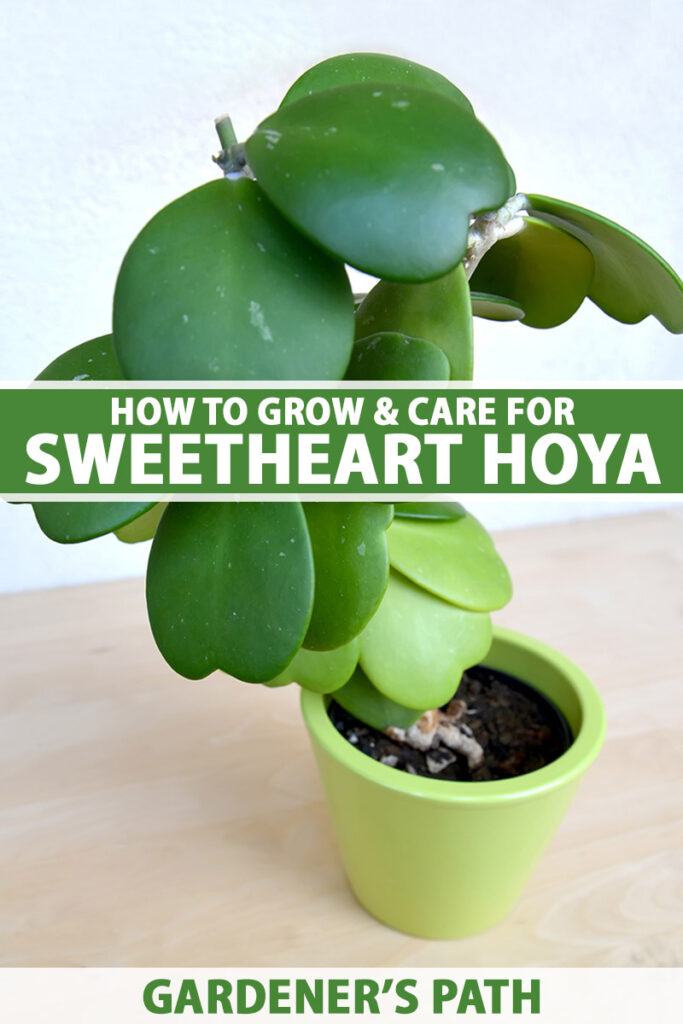
“Grow and Care for Sweetheart Hoya …” from gardenerspath.com and used with no modifications.
Light Requirements: Finding the Sweet Spot
Sweetheart Hoyas need bright, indirect light to flourish – a moderate or medium light exposure is ideal. East-facing windows provide perfect morning sunlight, while north-facing windows may require supplemental grow lights. Keep your plant away from hot, direct afternoon sun from south or west-facing windows, as even these tough succulent-like leaves can burn when exposed to intense direct light. If you notice your Hoya’s leaves developing yellowish or brown patches, it’s likely receiving too much direct sunlight and should be moved to a slightly shadier location. For more information on safe plant placement, check out this guide on fern care and placement for pet safety.
Watering Schedule: Less is More
The cardinal rule of Sweetheart Hoya watering: err on the side of underwatering. Allow the soil to dry out completely between waterings, typically every 2-3 weeks in average home conditions. During winter months, reduce watering even further as the plant enters a semi-dormant state. When you do water, thoroughly soak the soil until water flows from the drainage holes, then empty any excess from the saucer. Overwatering is the quickest way to kill these plants, as their susceptibility to root rot far exceeds their vulnerability to drought stress.
Temperature and Humidity Needs
Sweetheart Hoyas prefer temperatures between 65-85°F (18-29°C) and will suffer if exposed to temperatures below 50°F (10°C). While they appreciate average to high humidity (40-60%), they’re remarkably adaptable to typical indoor conditions. If your home runs particularly dry, especially during winter heating seasons, consider placing your Hoya on a pebble tray with water or near (but not in) your bathroom. Avoid placing these plants near drafty windows, air conditioning vents, or heating elements where temperature fluctuations can stress them.
Soil Mix and Potting Essentials
Sweetheart Hoyas require well-draining soil that prevents water from sitting around their roots. Create the perfect potting mix by combining equal parts regular potting soil, perlite, and orchid bark. This mixture provides both adequate drainage and enough moisture retention to keep your plant hydrated without risking root rot. Alternatively, cactus or succulent soil with added perlite works well for these epiphytic plants.
When potting your Sweetheart Hoya, choose a container just slightly larger than the root ball with ample drainage holes. These plants actually prefer being somewhat root-bound and often flower better in this condition. A terracotta pot makes an excellent choice as it wicks away excess moisture and provides stability for top-heavy vining specimens. Repot only when absolutely necessary—typically every 2-3 years—as Hoyas dislike having their roots disturbed.
Fertilization Strategy
Sweetheart Hoyas are light feeders that require minimal fertilization. During the growing season (spring through early fall), apply a balanced houseplant fertilizer diluted to half strength once a month. Look for formulations with a slightly higher phosphorus content (the middle number in the NPK ratio) to encourage flowering, especially if your plant is mature enough to bloom. Discontinue fertilization entirely during late fall and winter when growth naturally slows. Over-fertilization can damage these sensitive plants, so when in doubt, under-fertilize rather than risk nutrient burn. For more information on houseplant care, check out our artillery plant care guide.
Outdoor Growing Guide for Sweetheart Hoyas
While primarily cultivated as houseplants, Sweetheart Hoyas can thrive outdoors under specific conditions. These tropical natives require thoughtful placement and protection to survive outside their natural habitat. For tips on how to care for plants both indoors and outdoors, check out this artillery plant care guide.
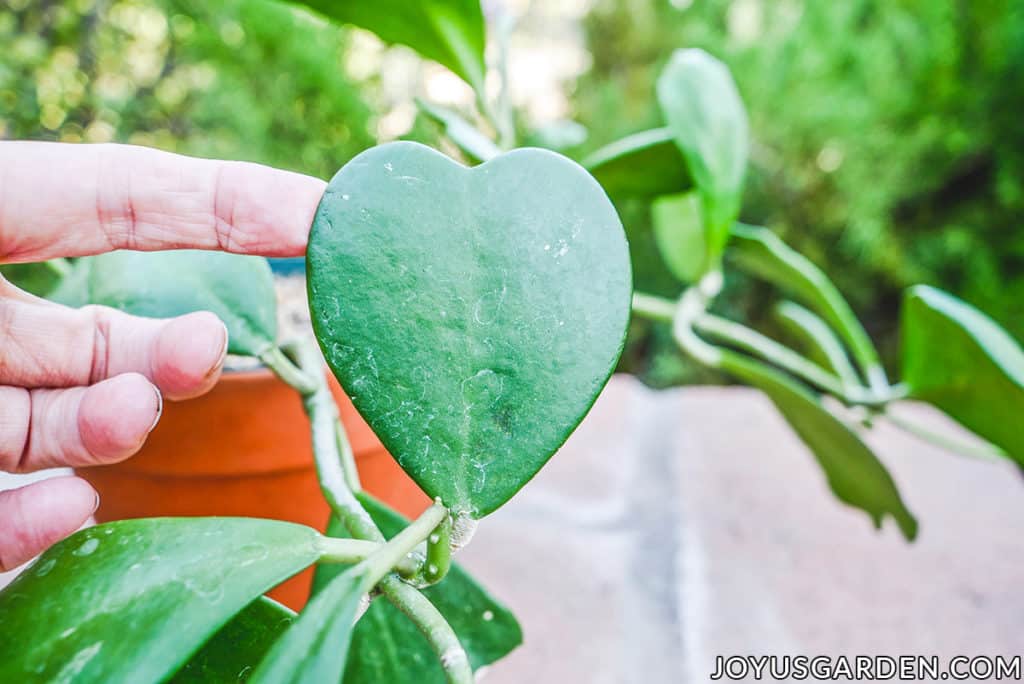
“Sweetheart Hoya: A Hoya Kerrii Care …” from www.joyusgarden.com and used with no modifications.
Climate Considerations and Hardiness
Sweetheart Hoyas can only grow outdoors year-round in USDA hardiness zones 10-12, where temperatures consistently remain above 50°F (10°C). In these warm climates, they can develop into impressive vining specimens that may even flower more readily than their indoor counterparts. Gardeners in cooler regions can still enjoy Hoyas outdoors during summer months, provided nighttime temperatures stay above 55°F (13°C). When fall approaches, these plants must be brought inside before temperatures drop below their comfort threshold. For more information on indoor and outdoor plant care, check out this guide.
Outdoor Hoyas require protection from intense midday sun, which can scorch their leaves despite their succulent-like qualities. Morning light and dappled afternoon shade create ideal conditions that mimic their natural understory habitat in Southeast Asian forests.
Protection from Elements
Even in suitable climates, outdoor Hoyas need protection from environmental stressors. Strong winds can damage their semi-succulent stems and tear their thick leaves, while heavy rain can waterlog their soil and cause root issues. Place outdoor specimens under eaves, on covered patios, or beneath the canopy of larger trees to buffer them from these elements. During unexpected weather events like cold snaps or hailstorms, be prepared to temporarily cover or relocate your plants to prevent damage.
Container vs. Ground Planting
Container planting offers the most flexibility for outdoor Sweetheart Hoyas, allowing you to adjust their position seasonally and bring them indoors when needed. Choose weather-resistant containers with excellent drainage and elevated feet to prevent waterlogging during rainy periods. In tropical zones where ground planting is possible, select locations with dappled shade, excellent drainage, and protection from strong winds. Plant Hoyas at the base of trees or large shrubs where they can climb naturally, mimicking their epiphytic growth habit in the wild.
Size Expectations and Growth Patterns
Single Leaf vs. Vining Plant
The Sweetheart Hoya’s growth potential depends entirely on what you purchase initially. Single heart-shaped leaves (often sold around Valentine’s Day) will develop roots and remain alive for years, but they will never grow into full plants. This is because these single-leaf cuttings lack the nodes and stem tissue necessary for new growth. They make charming, permanent miniature plants, but they’ll forever remain single leaves.
True growing specimens must include stem segments with nodes, which appear as slight bumps along the vine. From these nodes, new leaves and stems will eventually emerge, allowing the plant to develop into a lush vine over time. When purchasing, look closely for these vital stem segments if you want a plant that will expand beyond its current size.
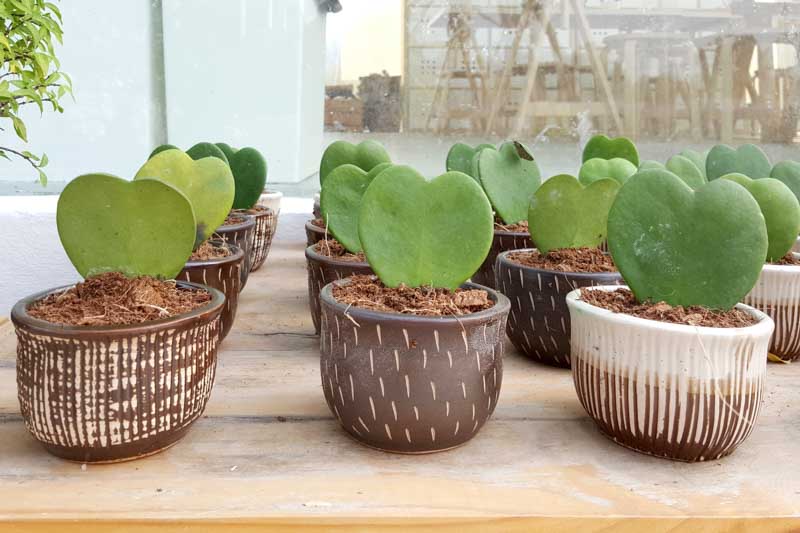
“Hoya kerrii (Sweetheart Plant): All You …” from www.gardenia.net and used with no modifications.
Maximum Size Potential
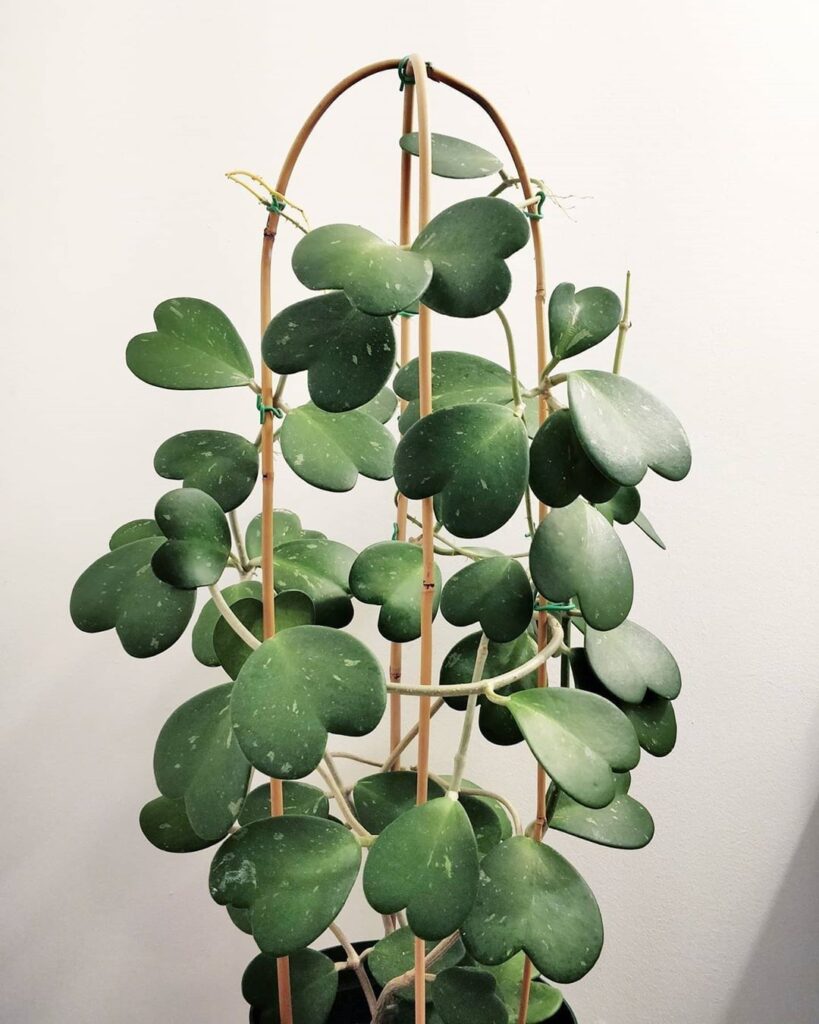
A properly growing Sweetheart Hoya can develop into an impressive specimen given time and proper care. Mature plants commonly reach vine lengths of 6-10 feet indoors, with exceptional specimens extending up to 13 feet or more. As they grow, they develop a semi-woody base and can produce dozens of heart-shaped leaves along their vining stems. The leaves themselves typically measure 1-2 inches across, though they can grow slightly larger under optimal conditions.
When provided with suitable support structures like trellises, moss poles, or hanging baskets, these vines create stunning displays that transform over years from modest beginnings into dramatic cascades of heart-shaped foliage. With enough maturity and proper care, they may eventually produce clusters of star-shaped, porcelain-like flowers with a sweet fragrance, particularly noticeable in the evening hours.
“Sweetheart Hoya Plant Care: Water …” from greg.app and used with no modifications.
Growth Rate Reality Check
Patience is essential when growing Sweetheart Hoyas. These plants are notoriously slow growers, particularly during their establishment phase. New growth often remains dormant for months before visibly progressing. During active growing seasons (spring and summer), you might observe only 1-2 new leaves per month under ideal conditions. Winter growth virtually halts as the plant conserves energy.
This deliberate growth pattern makes Sweetheart Hoyas perfect for spaces where you don’t want plants quickly outgrowing their designated area. Their slow development also means that mature specimens command premium prices, as they represent years of careful cultivation. Consider the Sweetheart Hoya an investment plant that rewards patience with increasing beauty over many years rather than immediate gratification. For those interested in the broader context of plant care, you might find this artillery plant care guide helpful as well.
Lifespan and Long-Term Care
How Long Sweetheart Hoyas Live
With proper care, Sweetheart Hoyas are among the longest-lived houseplants available, often surviving for decades. These resilient plants regularly reach 20-30 years in cultivation, with some exceptional specimens living 40 years or more. Their longevity stems from their semi-succulent nature and adaptation to varying conditions in their native habitat. Many plant enthusiasts treasure Hoyas as legacy plants, passing them down through generations of family gardeners.
This impressive lifespan makes them particularly worthwhile investments despite their slow growth rate. A well-established Sweetheart Hoya often becomes more prolific and likely to flower as it ages, developing character and presence that newly propagated plants lack. Their longevity also means they can become sentimental keepsakes that mark important life events and relationships.
Signs of Aging and Rejuvenation Techniques
As Sweetheart Hoyas age, they may develop woodier stems at the base and occasionally drop older leaves to channel energy into new growth. Don’t be alarmed by this natural process. Aging plants might also develop a slightly leggy appearance as the distance between leaves increases on older vines. These changes don’t indicate poor health but rather the plant’s maturity. For more on plant care, explore this artillery plant care guide.
To rejuvenate an aging Hoya, strategic pruning works wonders. Cut back leggy stems just above a node to encourage branching and fuller growth. The pruned sections can be propagated to create new plants, essentially creating offspring from your mature specimen. Refreshing the top layer of soil annually and providing diluted fertilizer during growing seasons can also help revitalize older plants without disturbing their sensitive root systems.
Solving Stem Splitting Problems
Stem splitting in Sweetheart Hoyas often causes concern among plant owners, but understanding the causes can help prevent this issue. The most common culprit is inconsistent watering—especially periods of drought followed by sudden heavy watering. This causes the plant to absorb water too quickly, making the stems swell and split under pressure. For those looking to ensure their garden is safe for pets, consider learning about artillery plant care as well.
Common Causes of Stem Damage
Beyond inconsistent watering, several factors can contribute to stem splitting in Sweetheart Hoyas. Excessive fertilization creates rapid growth that outpaces the stem’s structural development, leading to weakness and splitting. Dramatic temperature fluctuations cause expansion and contraction of plant tissues, creating stress points along stems. Physical damage from handling or pets can also create wounds that develop into splits over time.
Low humidity environments may cause stems to become brittle and more prone to splitting, especially during winter months when indoor heating systems further reduce ambient moisture. Sometimes, splitting occurs naturally as part of the plant’s aging process, particularly in older, woodier sections that have less flexibility than newer growth.
Prevention Methods
Preventing stem splits begins with consistent watering practices—allow the soil to dry out between waterings but don’t let the plant remain completely dry for extended periods. Maintain stable growing conditions with temperatures between 65-80°F (18-27°C) and moderate humidity levels around 40-60%. When fertilizing, always use half-strength solutions and apply only during active growing seasons.
Provide proper support for trailing varieties using trellises, moss poles, or hanging systems that distribute the weight of longer vines. Avoid placing your Sweetheart Hoya in locations with drafts, near heating vents, or in direct sunlight where temperature fluctuations are most extreme. Handle the plant gently during repotting or relocation, supporting stems rather than pulling or tugging on them. For more information on plant care, you can refer to this artillery plant care guide.
Healing Techniques for Damaged Plants
If you discover splits in your Sweetheart Hoya’s stems, don’t panic—these plants have remarkable recovery abilities. For minor splits, simply adjust your care routine to address the underlying cause, and the plant will often heal itself over time. Clean any visibly damaged areas with diluted hydrogen peroxide to prevent infection, but avoid applying products like wound sealants designed for outdoor plants.
For more severe splits that threaten the vine’s structural integrity, carefully wrap the damaged section with plant tape or soft garden twine, providing support while the stem heals. In cases where splits have progressed beyond repair, consider propagating the healthy sections above the damage. Cut just below a node on the healthy portion and root in water or moist soil to create a new plant while disposing of the severely damaged sections. For more detailed guidance, you can refer to this Sweetheart Hoya care guide.
Hoya vs. Wax Plants: Clearing the Confusion
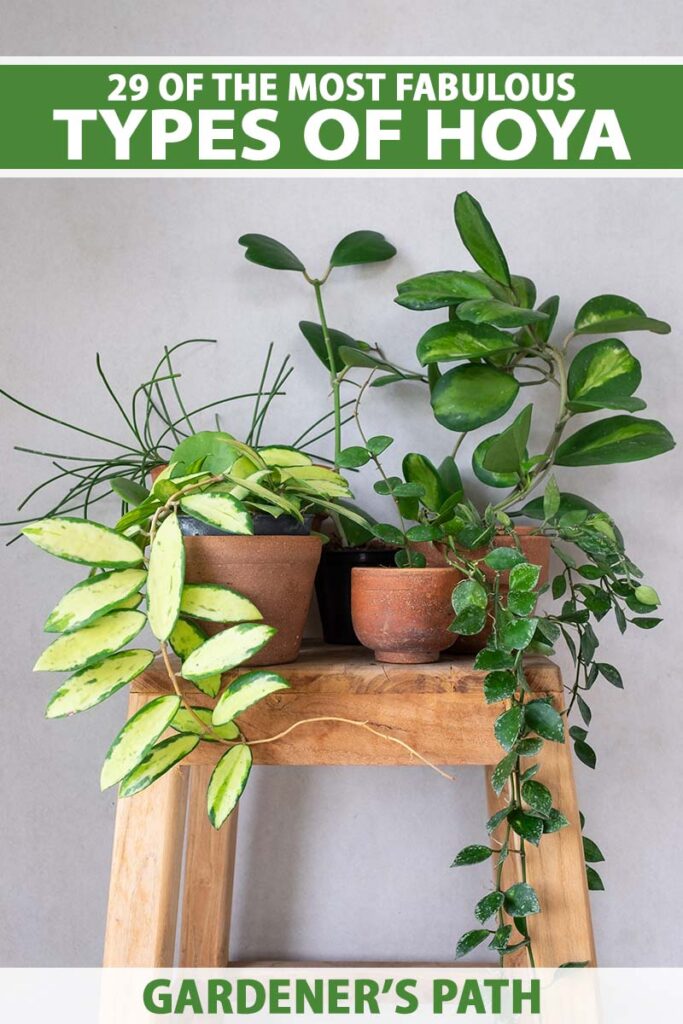
The terms “Hoya” and “Wax Plant” often create confusion among plant enthusiasts. In reality, “Hoya” is the genus name (scientific classification) while “Wax Plant” is a common nickname referring to the waxy texture of the leaves. All Sweetheart Plants (Hoya kerrii) are Hoyas, but not all Hoyas have heart-shaped leaves—the genus includes over 300 different species with varied leaf shapes and growing habits.
“29 of the Most Fabulous Types of Hoya …” from gardenerspath.com and used with no modifications.
Botanical Classification Explained
Hoya kerrii belongs to the Apocynaceae family, specifically the Asclepiadoideae subfamily that includes milkweeds and various tropical vines. The genus Hoya was named after Thomas Hoy, an 18th-century English gardener, and encompasses hundreds of species native primarily to Southeast Asia, Australia, and parts of the Pacific Islands. Within this classification, Hoya kerrii is distinguished by its uniquely heart-shaped leaves, while other Hoya species display oval, round, or even rope-like foliage.
The “wax plant” descriptor references the distinctive texture common across most Hoya species—thick, succulent-like leaves with a glossy, waxy coating that helps the plants retain moisture in their natural environments. This adaptation explains their remarkable drought tolerance and long-lived nature in cultivation. Understanding this classification helps clarify why care recommendations remain relatively consistent across different Hoya varieties despite their visual differences.
Care Differences Between Varieties
While general care principles apply across most Hoya species, subtle differences exist that can impact their success in home environments. Compared to other popular Hoyas like Hoya carnosa (commonly called Wax Plant or Porcelain Flower), Sweetheart Hoyas typically require slightly more light to maintain their compact growth habit. Their thicker leaves store more water, allowing them to tolerate drought better than thinner-leaved varieties like Hoya linearis.
Flowering tendencies also vary significantly between species. Sweetheart Hoyas are somewhat reluctant bloomers compared to Hoya carnosa or Hoya pubicalyx, often requiring several years of maturity before producing their star-shaped flower clusters. When they do bloom, Hoya kerrii produces distinctive clusters of small, star-shaped flowers with a sweet fragrance, though the flowers typically appear less frequently than in some other species. The patience required for flowering makes successful blooms particularly rewarding for dedicated growers.
Creating a Pet-Safe Plant Garden with Sweetheart Hoyas
One of the Sweetheart Hoya’s most valuable attributes for many plant lovers is its pet-safe status. According to the ASPCA, Hoya plants are non-toxic to cats and dogs, making them ideal additions to households with curious animal companions. While ingestion might cause mild stomach upset due to the fibrous plant material, they don’t contain the toxic compounds present in many popular houseplants. For more information on other pet-safe plants, you can explore safe fresh thyme for dogs and cats.
“Hoya ‘Sweetheart Variegated’ – Mountain …” from mountaincrestgardens.com and used with no modifications.
ASPCA Gives Okay for Cats and Dogs
The ASPCA’s official designation of Hoyas as non-toxic provides peace of mind for pet owners who want to enjoy indoor greenery without constant vigilance. This safety rating applies to all parts of the plant, including leaves, stems, and even the sap that may appear when stems are cut or damaged. Though pets should generally be discouraged from chewing on houseplants, accidental nibbling of Sweetheart Hoya leaves won’t result in the serious poisoning concerns associated with common houseplants like lilies, pothos, or philodendrons.
This pet-friendly status makes Sweetheart Hoyas particularly valuable in households with cats, who often show interest in dangling vines and textured foliage. The plant’s typically elevated placement (hanging baskets or high shelves) also naturally reduces accessibility to pets while showcasing its trailing growth habit.
Companion Plants That Are Also Pet-Friendly
Creating a cohesive indoor garden that’s entirely pet-safe requires thoughtful plant selection beyond just Sweetheart Hoyas. Pair your heart-shaped vines with other ASPCA-approved options like Spider Plants (Chlorophytum), Boston Ferns (Nephrolepis), Peperomia varieties, African Violets (Saintpaulia), and Calathea species. These companions offer textural and visual contrast while maintaining a safe environment for your animals.
For a themed collection, consider creating a “succulent corner” pairing Sweetheart Hoyas with pet-safe succulents like Haworthia and Echeveria. Alternatively, develop a hanging garden featuring Hoyas alongside pet-friendly trailing plants such as Prayer Plants (Maranta) and Swedish Ivy (Plectranthus verticillatus). This thoughtful grouping provides visual interest while eliminating the worry of toxic plant exposure.
Placement Strategies for Pet Households
Even with non-toxic plants, strategic placement helps prevent unwanted interactions between pets and houseplants. Elevate Sweetheart Hoyas using hanging planters, wall-mounted containers, or tall plant stands that keep foliage above your pet’s reach. For climbing pets, particularly cats, consider creating designated “plant shelves” with limited access or using deterrents like aluminum foil or double-sided tape temporarily around plant areas.
Monitor new plants for the first few weeks after introduction to identify whether they attract particular interest from your pets. Some animals are naturally more curious about plants than others, and individual preferences vary widely. If a specific pet shows persistent interest in your Sweetheart Hoya, ensure alternative appropriate items for chewing or playing are readily available to redirect their attention away from your precious plants.
Propagation Techniques for More Heart-Shaped Leaves
Stem Cutting Method
The most reliable way to propagate a Sweetheart Hoya is through stem cuttings that include at least one node. Select a healthy stem section 4-6 inches long with 2-3 leaves attached, and cut just below a node using clean, sharp scissors or pruning shears. Remove the lowest leaf to expose the node, as this is where new roots will develop. Allow the cut end to callus for a few hours before proceeding with your preferred rooting method.
You can root stem cuttings in water by placing the cut end in a small container with the node submerged while keeping the leaves above water level. Change the water weekly to prevent bacteria growth. Alternatively, plant the cutting directly in a well-draining propagation mix (equal parts perlite and peat moss works well), keeping the soil lightly moist but never soggy. Rooting typically takes 3-6 weeks, with water propagation allowing you to monitor root development more easily.
Leaf Cutting Limitations
Single leaf cuttings create those charming individual heart plants commonly sold as Valentine’s gifts, but they come with significant limitations. While a detached leaf can develop roots when placed in soil, it lacks the necessary meristematic tissue (found in nodes) required for producing new growth points. This means a rooted leaf will remain exactly that—a single leaf—potentially for many years, but will never develop into a vining plant regardless of care quality.
If you specifically want a single-leaf specimen as a miniature desk plant, leaf propagation works perfectly. Select a healthy leaf with a short petiole (leaf stem), allow the cut end to callus, and place it in well-draining soil. Keep slightly moist until rooting occurs in about 4-8 weeks. For collectors seeking these novelty plants, this limitation is actually a benefit, as it ensures the plant remains permanently miniature.
When to Expect New Growth
Patience is essential when propagating Sweetheart Hoyas. Even with proper stem cuttings that include nodes, visible growth beyond root development typically takes 2-3 months under ideal conditions, and sometimes much longer. The first sign of success is usually root development, followed by the slow emergence of a new growth point from one of the nodes. This initial growth may appear as a tiny bump for weeks before developing into a recognizable leaf.
Temperature significantly impacts propagation timelines—warmth (70-80°F/21-27°C) accelerates the process while cooler conditions extend it. Providing bright, indirect light and maintaining consistent humidity around 60% creates optimal conditions for new growth. Many experienced growers use propagation chambers or clear plastic covers to maintain this humidity level during the critical establishment phase.
Troubleshooting Common Sweetheart Hoya Problems
Despite their generally forgiving nature, Sweetheart Hoyas occasionally encounter issues that can perplex even experienced plant owners. Understanding these common problems and their solutions helps ensure your heart-shaped companion remains healthy and vibrant for decades to come.
“What’s Wrong with my Hoya Sweetheart ?” from greg.app and used with no modifications.
Yellow Leaves and Their Causes
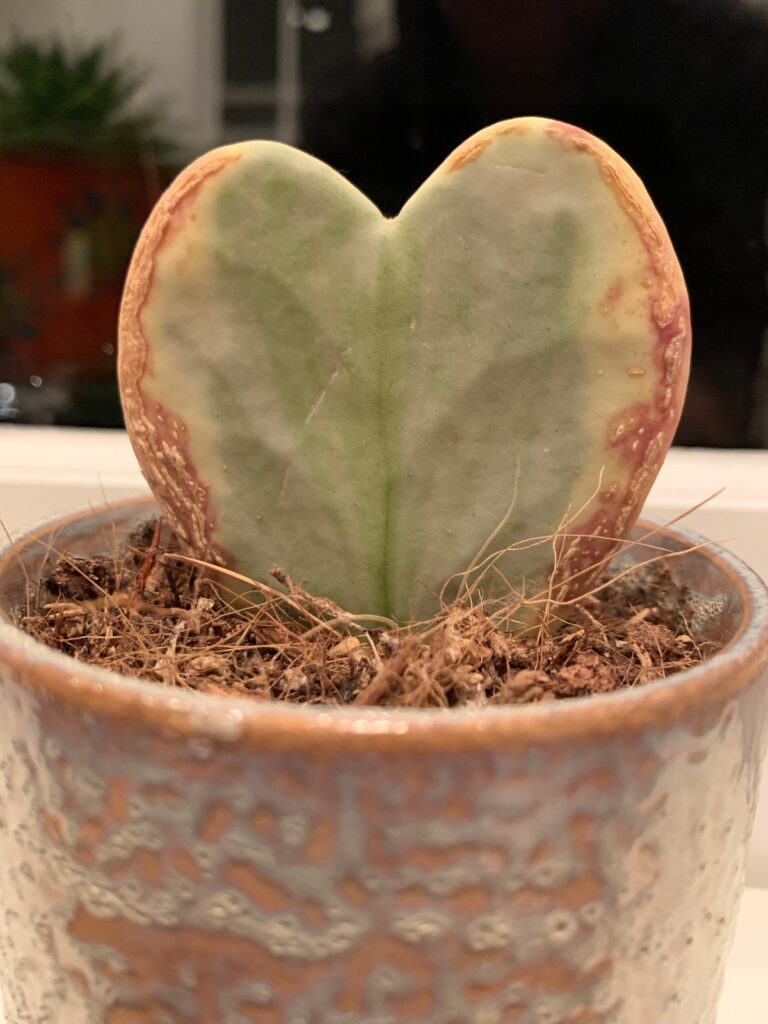
Yellowing leaves on a Sweetheart Hoya typically indicate watering issues, with overwatering being the most common culprit. When roots sit in soggy soil, they suffer oxygen deprivation and potentially develop rot, preventing proper nutrient uptake and causing leaves to yellow. Check your watering frequency and ensure your pot has adequate drainage to address this issue. For more tips on plant care, you might find this artillery plant care guide helpful.
Nutrient deficiencies can also trigger yellowing, particularly if the plant hasn’t been fertilized for extended periods. A balanced, diluted fertilizer application during the growing season often resolves this problem. Pay attention to the pattern of yellowing—if older leaves yellow while new growth appears healthy, this natural aging process isn’t cause for concern.
Exposure to cold drafts or temperatures below 50°F (10°C) sometimes causes yellowing in temperature-sensitive Hoyas. If your plant sits near a drafty window, air conditioning vent, or exterior door, consider relocating it to a more temperature-stable location. Sudden changes in light conditions, particularly moving from low light to intense direct sun, can also stress the plant and trigger yellowing as it adjusts to new conditions.
Pest Management
Sweetheart Hoyas have good natural pest resistance due to their thick, waxy leaves, but they occasionally attract sap-sucking insects like mealybugs, scale, and spider mites. Regularly inspect the undersides of leaves and stem joints where pests typically congregate. Early detection makes treatment significantly easier and prevents widespread infestation.
Lack of Growth Issues
When Sweetheart Hoyas fail to produce new growth for extended periods, insufficient light is often responsible. These plants need bright, indirect light to generate the energy required for development. Without adequate illumination, they enter a survival mode where they maintain existing foliage but don’t invest energy in expansion.
Temperature also significantly impacts growth rates, with development slowing dramatically when temperatures fall below 65°F (18°C). Sweetheart Hoyas naturally follow seasonal growth patterns, with minimal activity during winter months regardless of care. If your plant hasn’t grown for several months during the winter, this dormancy is completely normal and not cause for concern. For tips on how to care for your plants during different seasons, check out this artillery plant care guide.
Flowering Challenges
Many Sweetheart Hoya owners become discouraged when their plants fail to produce the coveted star-shaped flower clusters. The reality is that flowering requires both plant maturity (typically 2-3 years minimum) and specific environmental conditions. Bright indirect light, slight root restriction, and proper fertilization during growing seasons all contribute to successful blooming.
Most importantly, patience remains essential for flowering. Some specimens take 5+ years before producing their first blooms. Once flowering begins, avoid relocating the plant, as Hoyas develop specialized spurs that produce blooms year after year. Removing these spurs (sometimes mistaken for dead flower stalks) prevents future flowering from those growth points. For more detailed care tips, you can refer to this Sweetheart Hoya care guide.
Decorating with Heart-Shaped Plants
Sweetheart Hoyas offer endless creative possibilities for home décor beyond basic plant placement. Their symbolic heart shapes and architectural growing habits make them both meaningful and visually striking additions to interior design schemes.
Display Options for Maximum Impact
For single-leaf specimens, consider grouping several together in varied containers for a collectible display on windowsills, desks, or coffee tables. Their miniature size makes them perfect for terrariums, dish gardens, or as components in larger mixed plantings where they add whimsical heart accents among other foliage types.
Vining varieties shine when allowed to cascade from elevated positions. Macramé hangers showcase the dimensional quality of trailing hearts, while wall-mounted planters create living art installations as vines develop. For a structured approach, train vines along decorative trellises, wire shapes (including heart outlines), or bamboo hoops to create intentional growing patterns that double as botanical sculptures.
Pairing with Other Plants
- String of Hearts (Ceropegia woodii) for complementary heart-themed trailing
- Silver Pothos or Satin Pothos for contrasting leaf texture and color
- Peperomia varieties for compatible care needs and diverse leaf forms
- Compact Sansevierias for architectural contrast with vertical elements
- Calathea for dramatic foliage patterns that complement Hoya simplicity
Consider color coordination when creating plant groupings. The deep green of traditional Sweetheart Hoyas pairs beautifully with burgundy-undersided plants like Tradescantia or purple-leaved varieties of Oxalis. Variegated Sweetheart Hoyas with white or cream markings complement silvery plants like Pilea aluminium or create striking contrast against dark-leaved companions.
Seasonal decorating offers another opportunity to showcase these symbolic plants. Beyond Valentine’s Day, incorporate Sweetheart Hoyas into holiday displays using decorative pot covers, ornamental stakes, or themed container groupings. Their year-round appeal makes them versatile enough to complement any seasonal décor scheme while maintaining consistent care requirements.
Container selection dramatically impacts the overall aesthetic of your Sweetheart Hoya display. Terracotta pots provide a rustic, organic look that complements the plant’s natural character, while glazed ceramics in complementary colors create more polished, designer-inspired presentations. Consider contrasting pot styles within collections to create visual interest through varied heights, textures, and finishes.
Final Thoughts: Why Sweetheart Hoyas Are Worth the Patience
In our world of instant gratification, the Sweetheart Hoya offers a refreshing counterpoint—a plant that rewards patience with longevity and character. Unlike trendy houseplants that cycle through popularity and availability, these heart-shaped treasures represent a lasting investment in your indoor garden. Their slow, deliberate growth becomes part of their charm, as each new leaf represents a small victory and milestone in your plant parenting journey.
The versatility of Sweetheart Hoyas makes them accessible entry points for beginners while offering enough complexity to satisfy experienced collectors. From simple single-leaf specimens that require minimal care to ambitious vining displays that develop over years, there’s a Hoya kerrii project suitable for every skill level and living situation. Their adaptability to various light conditions and forgiving nature regarding occasional neglect makes them particularly suitable for busy households or those new to plant care.
Perhaps most importantly, these heart-shaped plants often become sentimental treasures that mark relationships, celebrations, and life milestones. A Sweetheart Hoya gifted for Valentine’s Day might thrive for decades, becoming a living reminder of connection and care long after other gifts have been forgotten. In this way, they transcend mere decoration to become living heirlooms, potentially passing between generations as botanical keepsakes with growing significance over time.
Frequently Asked Questions
As you embark on your Sweetheart Hoya journey, you’ll likely encounter questions along the way. Here are answers to the most common inquiries about these charming heart-shaped plants.
Can a single heart-shaped leaf eventually grow into a full plant?
No, a single heart-shaped leaf cutting will never develop into a vining plant regardless of care quality. While the leaf will root and can live for many years as a standalone “plant,” it lacks the nodes necessary for producing new growth points. To grow a full vining Sweetheart Hoya, you must start with a stem cutting that includes at least one node, which is where new growth emerges.
How often do Sweetheart Hoyas bloom and what do the flowers look like?
Mature Sweetheart Hoyas typically bloom annually or semi-annually once they reach flowering age (usually 2-5 years minimum). The flowers appear in clusters called umbels, featuring star-shaped blossoms with a waxy texture similar to the leaves. Each small flower (about 1/2 inch across) has a two-toned appearance with white or pink outer petals and a contrasting center, often red or burgundy. The blooms emit a sweet fragrance, particularly noticeable in the evening, and can last for 1-2 weeks before fading. If you’re interested in caring for other indoor plants, you may want to explore the Artillery Plant as well.
Why is my Sweetheart Hoya not growing after several months?
Several factors could explain lack of growth in your Sweetheart Hoya. First, verify you have a true growing specimen with stem tissue rather than a single rooted leaf, which will never develop new growth. If you do have a stem cutting, ensure it receives adequate bright indirect light, as insufficient light is the most common growth inhibitor.
Remember that Sweetheart Hoyas are extremely slow growers by nature, with new leaves developing at a glacial pace compared to many popular houseplants. Growth virtually stops during fall and winter months as the plant enters seasonal dormancy. If your plant appears otherwise healthy with firm, green leaves, simply provide optimal care and practice patience—new growth will likely appear during the next active growing season. For those interested in pet-friendly gardening, consider exploring safe garden ideas that can harmoniously coexist with your indoor plants.
Can Sweetheart Hoyas recover from severe underwatering?
Yes, Sweetheart Hoyas have excellent recovery capabilities after drought stress thanks to their semi-succulent nature. Even severely dehydrated specimens with wrinkled, soft leaves can often bounce back completely when proper watering resumes. To revive a dehydrated plant, soak the root ball thoroughly, allowing water to drain freely from the bottom of the pot. Avoid the temptation to overcompensate with frequent subsequent waterings, as this sudden change can shock the plant—instead, return to a normal watering schedule based on soil dryness. If you’re interested in learning about reviving tips for other plants, check out this guide.
What’s the difference between regular Hoya Kerrii and the variegated version?
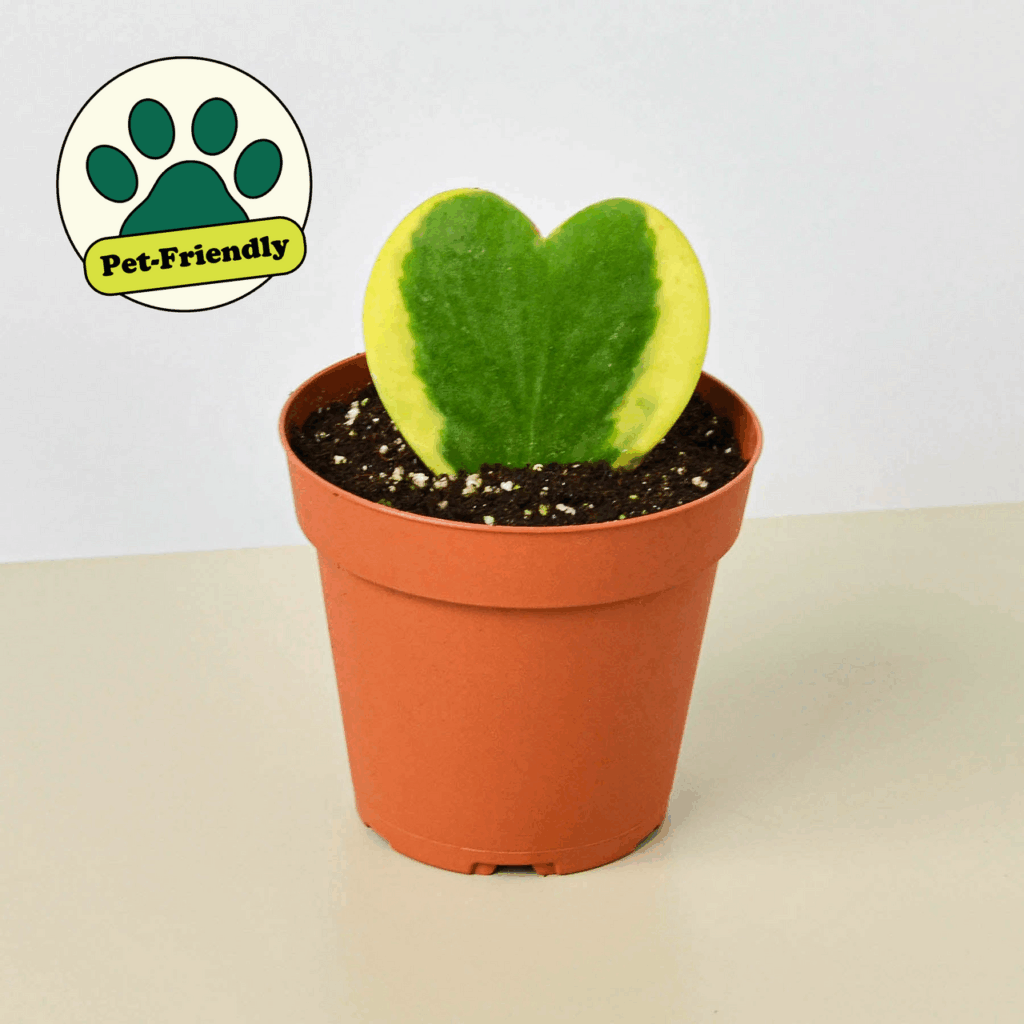
The variegated Sweetheart Hoya (Hoya kerrii ‘Variegata’) features the same heart-shaped leaves as the standard version but with creamy white or yellow variegation patterns along the leaf margins or in splashes across the surface. This variegation results from genetic mutation affecting chlorophyll production in certain leaf sections. Beyond their striking appearance, variegated specimens have slightly different care requirements—they typically need more light than solid green varieties to support adequate photosynthesis in their reduced green tissue.
Variegated Sweetheart Hoyas grow even more slowly than their green counterparts due to their reduced photosynthetic capacity. They’re also considerably rarer and more expensive in the houseplant market. While visually striking, the variegated varieties tend to be slightly less resilient when facing suboptimal conditions, making them better choices for experienced plant owners who can provide consistent care.
Whether you choose the classic green hearts or their variegated cousins, these enduring plants bring both beauty and symbolism to your indoor garden. With their remarkable longevity and forgiving nature, Sweetheart Hoyas prove that some relationships really do get better with time. For pet owners, it’s important to consider pet safety and care tips when incorporating plants into your living space.