
Key Takeaways
- Spiny teasel gourd (Momordica dioica) is a nutrient-dense vegetable packed with proteins, iron, and fiber that offers numerous health benefits including blood sugar management and digestive support.
- This versatile plant is known by many regional names including kantola, spine gourd, and hedgehog gourd, and has been used in traditional medicine systems for centuries.
- Regular consumption of spiny teasel gourd may help reduce inflammation, support immune function, and contribute to overall well-being through its rich antioxidant profile.
- While generally safe, spiny teasel gourd should be properly identified, thoroughly washed, and properly cooked before consumption to maximize benefits and minimize risks.
- Growing spiny teasel gourd at home is achievable with the right conditions, offering a sustainable way to access this nutritional powerhouse year-round.
The Hidden Gem: Spiny Teasel Gourd and Its Many Names
Tucked away in the vast botanical kingdom lies a remarkable vegetable that’s been quietly nourishing communities for centuries. The spiny teasel gourd, with its distinctive appearance and impressive nutritional profile, remains largely unknown to Western palates despite its long history of cultivation in Asia and Africa. This unassuming gourd might just be the nutritional ally you’ve been searching for in your journey toward natural wellness.
“Spiny gourd, kakrol, Teasle gourd …” from theamazingseeds.com and used with no modifications.
Scientific Classification and Origin
Scientifically known as Momordica dioica, the spiny teasel gourd belongs to the Cucurbitaceae family, making it a relative of cucumbers, melons, and pumpkins. Native to the Indian subcontinent and Eastern Africa, this climbing perennial vine has been cultivated for both food and medicine since ancient times. Archaeological evidence suggests its domestication dates back several thousand years, with early cultivation primarily occurring in what is now India, Bangladesh, Sri Lanka, and parts of Southeast Asia. The plant’s scientific name “Momordica” comes from the Latin word “mordeo” meaning “to bite,” referring to the jagged edges of its leaves, while “dioica” indicates it’s a dioecious plant with separate male and female individuals.
Popular Regional Names Across Cultures
The spiny teasel gourd goes by numerous names across different regions, reflecting its widespread use and cultural significance. In northwestern India, it’s commonly known as “kantola,” while eastern Indians often refer to it as “phagala.” Other regional names include “kattu pavakkai” in Tamil Nadu, “kartoli” in Maharashtra, and “pazhupavakkai” in Kerala. Beyond the Indian subcontinent, it’s called “bristly balsam pear” in some English-speaking regions and “hedgehog gourd” in others, referencing its thorny exterior. In parts of Africa, it may be known as “prickly carolaho,” while in modern botanical circles, “spine gourd” serves as another common identifier.
These varied names tell a story of cultural integration, as this humble vegetable found its way into diverse culinary traditions. Each name offers a glimpse into how different communities perceive and interact with this nutritious plant. The multitude of names also speaks to its adaptability and widespread acceptance across various geographical regions and culinary traditions.
The prevalence of local names for this gourd demonstrates how deeply it has been woven into the fabric of traditional food systems. Many communities developed specific preparations and medicinal applications unique to their cultural context, passing this knowledge down through generations. This rich nomenclature heritage points to the spiny teasel gourd’s historical significance as both a food source and healing agent across multiple civilizations.
Why This Forgotten Vegetable Deserves Attention
In our modern quest for superfoods and natural health solutions, the spiny teasel gourd stands out as an overlooked treasure. Unlike many trendy superfoods that require extensive processing or come with hefty price tags, this humble gourd offers exceptional nutritional density in an accessible, whole-food form. Its impressive array of vitamins, minerals, and bioactive compounds makes it a valuable addition to any health-conscious diet. In a world where processed foods dominate our plates, rediscovering traditional vegetables like the spiny teasel gourd represents a return to nutritional wisdom that has sustained communities for generations.
How to Identify Spiny Teasel Gourd in the Wild and Markets
Correctly identifying spiny teasel gourd is essential for both foragers and market shoppers alike. With its distinctive appearance, this gourd stands apart from other vegetables once you know what to look for. When visiting farmers’ markets or specialty Asian grocers, I’ve found that a trained eye can quickly spot authentic Momordica dioica among the produce displays, ensuring you’re getting the genuine article with all its nutritional benefits intact.
The first encounter with this unique vegetable often creates lasting impression – its unusual appearance makes it a conversation starter at markets where vendors are typically eager to share preparation tips with curious shoppers. Understanding how to select the best specimens will maximize both culinary enjoyment and health benefits.
Buyer’s Guide: Selecting Quality Spiny Teasel Gourd
• Look for: Bright green color, firm texture, spines intact
• Avoid: Yellowing gourds, soft spots, or wrinkled skin
• Size: Smaller gourds (2-4 inches) are typically more tender
• Season: Peak freshness during summer and rainy season
• Storage: Refrigerate in perforated bag for up to one week
Distinctive Physical Characteristics
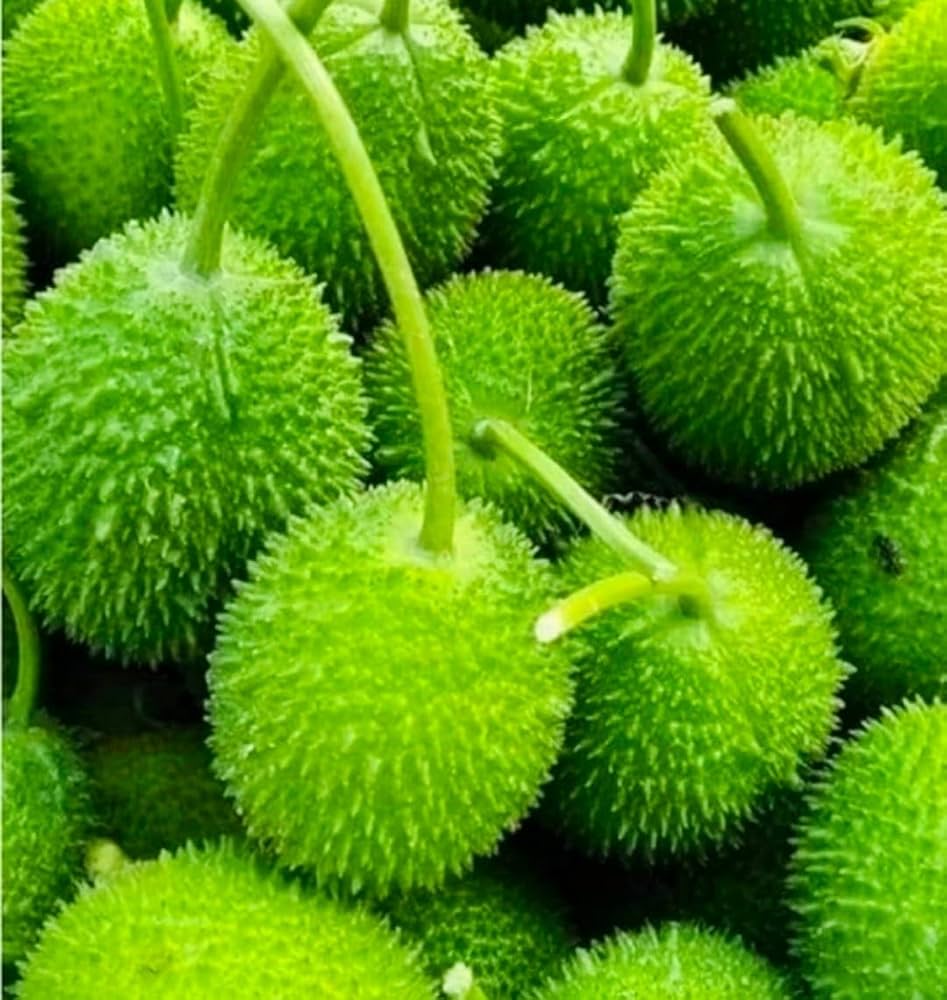
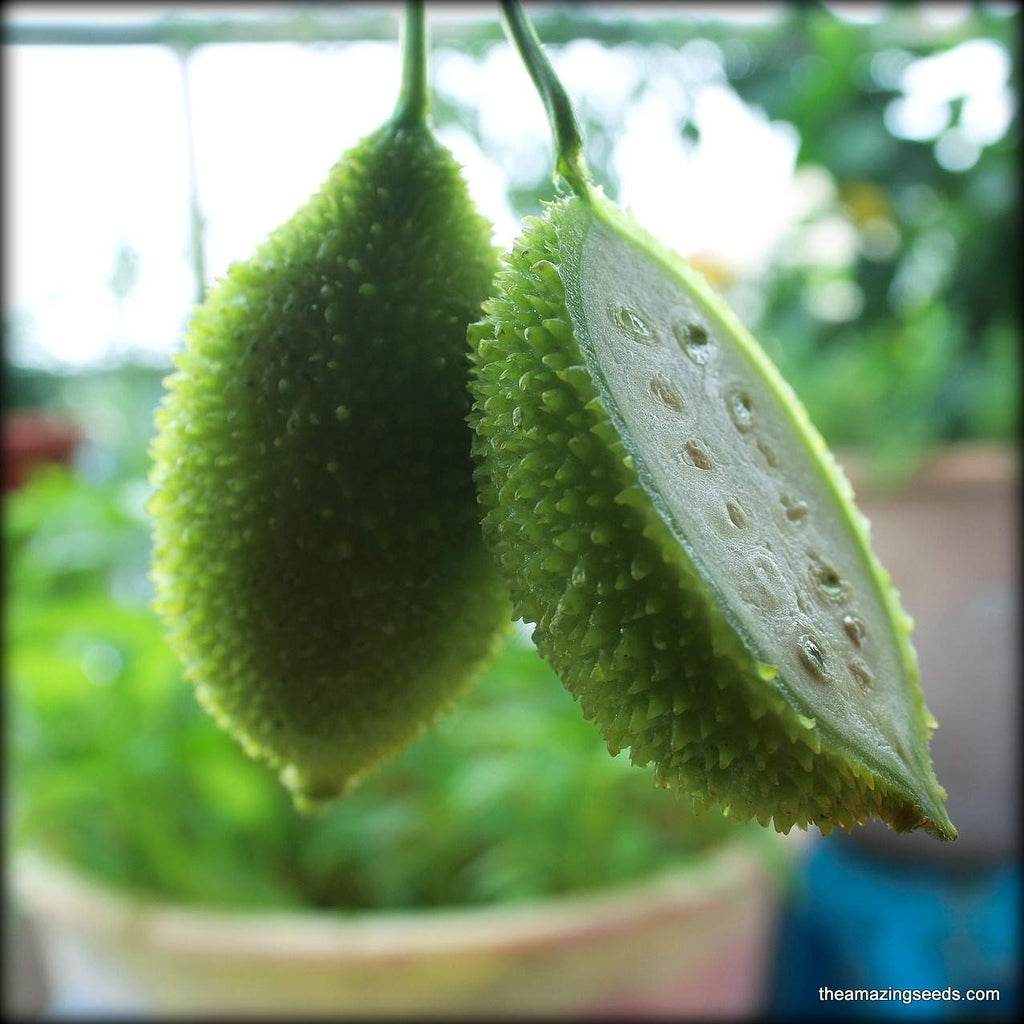
The spiny teasel gourd presents a truly unmistakable appearance that sets it apart from other vegetables. Small and oval-shaped, these gourds typically measure between 2-4 inches in length with a vibrant green exterior covered in characteristic soft spines or “teeth” that give it the hedgehog nickname. The surface features distinctive ridges running lengthwise, creating a segmented appearance somewhat similar to a tiny watermelon. When sliced open, the interior reveals white flesh surrounding a central cavity filled with seeds that are enveloped in a bright red pulp. This striking color contrast between the green exterior and the internal red seed covering creates a visually appealing presentation when the gourd is cut.
“Micropropagation of minor cucurbits …” from link.springer.com and used with no modifications.
Seasonal Appearance Changes
Throughout its growing cycle, the spiny teasel gourd undergoes noticeable transformations that help with proper identification and harvest timing. Young gourds display a bright, almost luminous green color with prominent spines and firm flesh. As they mature, the color gradually deepens to a darker green, while overripe specimens develop yellowish patches that signal diminishing flavor and increased bitterness. The vine itself exhibits heart-shaped leaves with serrated edges and produces delicate yellow flowers that bloom primarily during the morning hours. Female flowers can be distinguished by the presence of a small, immature gourd at their base, while male flowers grow in clusters and are typically more numerous. For those interested in pet-safe gardening tips, understanding these seasonal changes is crucial.
Differentiating From Look-alike Plants
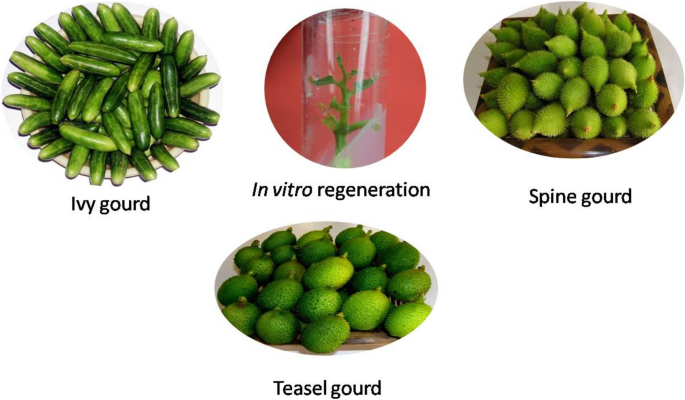
Several plants bear resemblance to the spiny teasel gourd, creating potential for misidentification in both wild settings and marketplaces. The most common confusion arises with bitter gourd (Momordica charantia), which belongs to the same genus but features longer fruits with more pronounced ridges and bumps rather than spines. Wild cucumber (Echinocystis lobata) can also be mistaken for immature spiny teasel gourd due to its similar size and spiny exterior, though its internal structure differs significantly. Another lookalike is the ivy gourd (Coccinia grandis), which has a smooth skin and lacks the characteristic spines of Momordica dioica.
Accurate identification matters not just for culinary purposes but for safety as well. The cucurbit family contains members with varying levels of toxicity, and consuming misidentified wild gourds can lead to severe digestive distress. When foraging, the presence of small, soft spines covering the entire surface is a reliable indicator of genuine spiny teasel gourd, especially when paired with the distinctive oval shape and bright green coloration.
Where to Find Authentic Spiny Teasel Gourd
Sourcing genuine spiny teasel gourd requires knowing where to look, as it remains uncommon in mainstream Western markets. Asian grocery stores, particularly those catering to Indian, Bangladeshi, or Southeast Asian communities, often stock fresh spiny teasel gourd seasonally. Farmers’ markets in areas with significant Asian populations may feature this vegetable during summer months, especially from July through September when production peaks. Specialty produce suppliers and online Asian grocery delivery services have also begun offering this unique gourd to meet growing demand from health-conscious consumers and culinary enthusiasts seeking authentic ingredients for traditional recipes.
For those interested in sustainable sourcing, community gardens in immigrant neighborhoods sometimes cultivate this plant, offering opportunities to acquire both the fresh produce and valuable growing knowledge from experienced gardeners. In regions with suitable growing conditions, foraging in naturalized areas can yield wild specimens, though proper identification skills are essential. The growing popularity of international vegetables has also prompted some specialty seed companies to offer Momordica dioica seeds for home cultivation, providing perhaps the most reliable access to this nutritional powerhouse.
Health Benefits That Make Spiny Teasel Gourd a Superfood
The humble spiny teasel gourd packs an impressive nutritional punch that elevates it to superfood status in the world of natural health. Beyond simply providing sustenance, this remarkable vegetable offers a concentrated dose of vitamins, minerals, and bioactive compounds that work synergistically to support multiple body systems. The health benefits of regular consumption extend far beyond basic nutrition, making it a valuable ally for those seeking to improve their wellbeing through diet. When incorporated into a balanced eating plan, spiny teasel gourd can contribute significantly to overall health maintenance and disease prevention strategies.

“Vitamin composition of fruits of …” from www.researchgate.net and used with no modifications.
Rich Nutritional Profile
Spiny teasel gourd boasts an exceptional nutritional composition that rivals many better-known vegetables. This nutrient-dense food contains significant levels of protein—unusual for a vegetable—making it particularly valuable for plant-based diets. Its impressive vitamin content includes vitamin C for immune support, vitamin A for vision and skin health, and several B vitamins that facilitate energy metabolism. The mineral content deserves special attention, with notable amounts of iron to support healthy blood production, calcium for bone health, and potassium for proper heart function and fluid balance. Perhaps most impressively, spiny teasel gourd delivers this nutritional bounty while remaining low in calories and carbohydrates, making it an excellent choice for weight management and blood sugar control.
|
Nutrient |
Amount per 100g |
Health Benefit |
|---|---|---|
|
Protein |
3.1g |
Tissue repair and immune function |
|
Fiber |
3.3g |
Digestive health and satiety |
|
Iron |
1.7mg |
Oxygen transport and energy production |
|
Vitamin C |
33mg |
Antioxidant protection and collagen synthesis |
|
Calcium |
33mg |
Bone health and nerve function |
Blood Sugar Management Properties
One of the most significant health benefits associated with spiny teasel gourd is its potential to assist with blood glucose regulation. Research suggests that compounds in this vegetable may help improve insulin sensitivity and reduce blood sugar spikes after meals. The presence of charantin, a substance also found in related bitter gourd but in milder concentrations in teasel gourd, has been linked to improved glucose tolerance. Additionally, the high fiber content slows carbohydrate absorption, preventing rapid blood sugar fluctuations. Several small clinical studies have demonstrated promising results when spiny teasel gourd extract was included in the diets of individuals with type 2 diabetes, showing modest improvements in fasting blood glucose levels and glycated hemoglobin (HbA1c) measurements.
Anti-inflammatory and Antioxidant Effects
The impressive array of phytochemicals in spiny teasel gourd contributes to its potent anti-inflammatory and antioxidant properties. These bioactive compounds help neutralize harmful free radicals that contribute to chronic inflammation and cellular damage. Flavonoids and phenolic compounds present in the gourd exhibit significant free radical scavenging activity, potentially reducing oxidative stress throughout the body. Laboratory analyses have identified several novel antioxidant compounds unique to Momordica species that demonstrate exceptional ability to inhibit lipid peroxidation—a process implicated in cardiovascular disease and aging.
Beyond general antioxidant action, specific compounds in spiny teasel gourd appear to modulate inflammatory pathways in the body. Research indicates that extracts can inhibit pro-inflammatory cytokine production and reduce inflammatory markers in laboratory studies. These anti-inflammatory effects may prove beneficial for managing conditions characterized by chronic inflammation, including arthritis, metabolic syndrome, and certain digestive disorders. Regular consumption as part of an anti-inflammatory diet could potentially contribute to long-term disease prevention and support overall cellular health.
Digestive Health Support
The digestive benefits of spiny teasel gourd stem from its excellent fiber content and unique bioactive compounds. With approximately 3.3 grams of fiber per 100-gram serving, it supports healthy bowel movements and promotes the growth of beneficial gut bacteria. Traditional healing systems have long prescribed this vegetable for digestive complaints, including constipation, gas, and bloating. Modern research supports these traditional applications, with studies showing that extracts may help protect the gastric mucosa against damage and reduce intestinal inflammation.
Beyond bulk fiber benefits, spiny teasel gourd contains natural compounds that support digestive enzyme production and efficiency. These properties can enhance nutrient absorption and improve overall digestive function. For those with sluggish digestion, incorporating this gourd into meals may help stimulate natural peristalsis—the wave-like muscle contractions that move food through the digestive tract. The mild bitterness of the gourd also serves to stimulate bile production, potentially improving fat digestion and supporting liver function.
Skin and Hair Benefits
The nutritional richness of spiny teasel gourd extends to external benefits for skin and hair health. Its high vitamin C content supports collagen production, essential for maintaining skin elasticity and wound healing. The antioxidants present help combat UV damage and environmental stressors that accelerate skin aging. In traditional beauty practices across South Asia, pastes made from the gourd have been applied topically to address various skin concerns, including acne, excessive oiliness, and uneven texture. The antimicrobial properties may contribute to its effectiveness against certain skin infections and irritations.
For hair health, the iron content in spiny teasel gourd supports proper blood flow to the scalp and helps prevent hair loss associated with iron deficiency. Traditional Ayurvedic preparations sometimes include this vegetable in formulations designed to strengthen hair follicles and promote growth. The vitamin A content supports healthy sebum production, the natural oil that moisturizes the scalp and hair shaft. While most benefits come from internal consumption, some traditional hair treatments incorporate spiny teasel gourd extract directly in hair rinses or masks to improve shine and manageability.
Safety Profile: Is Spiny Teasel Gourd Safe for Everyone?
While spiny teasel gourd offers numerous health benefits, understanding its safety profile is essential for responsible consumption. Like many traditional foods, this vegetable comes with both appropriate uses and potential cautions depending on individual health circumstances. Most healthy adults can enjoy this nutritious gourd without concern when properly prepared, but certain populations may need to exercise caution. By understanding both the edible parts and potential contraindications, you can maximize the benefits while minimizing any risks associated with this powerful plant food.
“Spiny Gourd Health Benefits and its …” from oncquestlabs.com and used with no modifications.
Edible Parts vs. Parts to Avoid
Understanding which parts of the spiny teasel gourd are safe for consumption is critical for both culinary enjoyment and safety. The immature fruits are the primary edible portion, ideally harvested when they’re bright green and firm to the touch. These young gourds offer the best flavor profile with minimal bitterness and optimal texture for cooking. The tender shoots and leaves of the plant are also edible and widely consumed in traditional cuisines, particularly in Southeast Asian countries where they’re often added to soups and stir-fries for their mild flavor and nutritional benefits.
Several parts of the plant should be strictly avoided or used with caution. Mature fruits develop increased bitterness and toughness that make them unpalatable, though they remain technically edible. The roots, while used in some traditional medicine preparations, should not be consumed as food due to their concentrated compounds. Most importantly, the seeds contained within fully ripened gourds should never be eaten raw as they contain toxins that can cause digestive distress. If seeds are to be used medicinally, they require proper preparation by qualified practitioners. The spines on the fruit’s exterior are not toxic but should be removed before cooking for comfort and texture.
Potential Side Effects and Contraindications
Despite its numerous benefits, spiny teasel gourd may not be suitable for everyone. Its blood sugar-lowering properties, while beneficial for many, mean that individuals taking diabetes medications should monitor their glucose levels carefully when adding this vegetable to their diet, as it may enhance the effect of these medications and potentially cause hypoglycemia. Pregnant women should approach consumption with caution, as traditional medicine systems sometimes categorize this plant as having mild emmenagogue properties (stimulating blood flow in the pelvic region), though moderate culinary use is generally considered safe.
Some individuals may experience allergic reactions to members of the Cucurbitaceae family, and cross-reactivity is possible. Initial symptoms of allergy may include itching of the mouth and throat, hives, or digestive discomfort. Those with kidney disorders should consult healthcare providers before consuming spiny teasel gourd regularly, as its diuretic properties could potentially interact with kidney function or medications. As with any food with bioactive properties, starting with small amounts and observing your body’s response is a prudent approach, particularly for those with pre-existing health conditions or taking medications.
Pet Safety Considerations
Pet owners should exercise caution regarding spiny teasel gourd around their animals. While not highly toxic to dogs and cats, the plant’s spines can cause mechanical irritation if chewed or swallowed, potentially leading to mouth injuries or digestive tract damage. The seeds present the greatest concern, as they contain compounds that may cause gastrointestinal upset in pets. If growing this plant in home gardens, consider placing protective barriers to prevent curious pets from accessing the vines and fruits, particularly if you have animals that tend to chew on plants. For additional tips on garden fencing and pet safety, visit this guide.
Traditional vs. Modern Uses of Momordica Dioica
The relationship between humans and spiny teasel gourd spans centuries, evolving from traditional applications to contemporary uses backed by scientific research. This journey from ancient wisdom to modern validation offers fascinating insights into how traditional knowledge often presages scientific discoveries. Throughout history, communities recognized the value of this plant long before laboratory analysis could identify its bioactive compounds or mechanisms of action.
Today, we stand at an interesting intersection where traditional knowledge meets scientific validation, creating a more complete understanding of this remarkable plant. This convergence strengthens the case for incorporating spiny teasel gourd into modern health practices while respecting its traditional applications. As research continues, we’re likely to discover even more connections between ancient uses and modern health applications, further cementing the value of preserving traditional knowledge about medicinal plants.
The cultural significance of spiny teasel gourd extends beyond its physical properties, representing the wisdom accumulated through generations of observation and use. As modern science confirms many traditional claims about this plant’s benefits, we gain a deeper appreciation for indigenous knowledge systems and their contributions to human health and wellbeing.
Ancient Medicinal Applications in Various Cultures
In Ayurvedic medicine, spiny teasel gourd has been prized for over 3,000 years as a treatment for various ailments. Traditional practitioners classified it as having cooling properties, recommending it for conditions associated with excess “pitta” or heat in the body. Ancient texts describe its use for treating skin disorders, respiratory conditions, and digestive complaints. In traditional Chinese medicine, though less prominent, related species were employed to “clear heat” and treat inflammatory conditions. Indigenous healing traditions across Southeast Asia incorporated the plant for treating wounds, reducing fevers, and addressing reproductive health concerns, particularly in women.
Folk medicine in rural India historically used different parts of the plant for specific conditions—fruit for diabetes and digestive issues, leaves for skin applications, and roots for more serious ailments requiring stronger medicine. Tribal communities in parts of Bangladesh and northeastern India developed specialized preparations from the seeds for treating parasitic infections, though these required careful processing to remove toxins. These diverse traditional applications reflect sophisticated understanding of the plant’s different properties and potencies depending on the part used and preparation method employed.
Contemporary Scientific Research Findings
Modern research has begun to validate many traditional uses of spiny teasel gourd through rigorous scientific investigation. Phytochemical analysis has identified several bioactive compounds including alkaloids, flavonoids, glycosides, and saponins that contribute to its medicinal properties. Laboratory studies confirm significant antioxidant activity, with extracts demonstrating the ability to neutralize multiple types of free radicals. Research published in the Journal of Ethnopharmacology demonstrated that extracts from Momordica dioica exhibited notable anti-inflammatory effects comparable to certain pharmaceutical preparations but with fewer side effects. For those interested in historical uses of plants, the American chestnut also offers a fascinating look into the past versus current popularity.
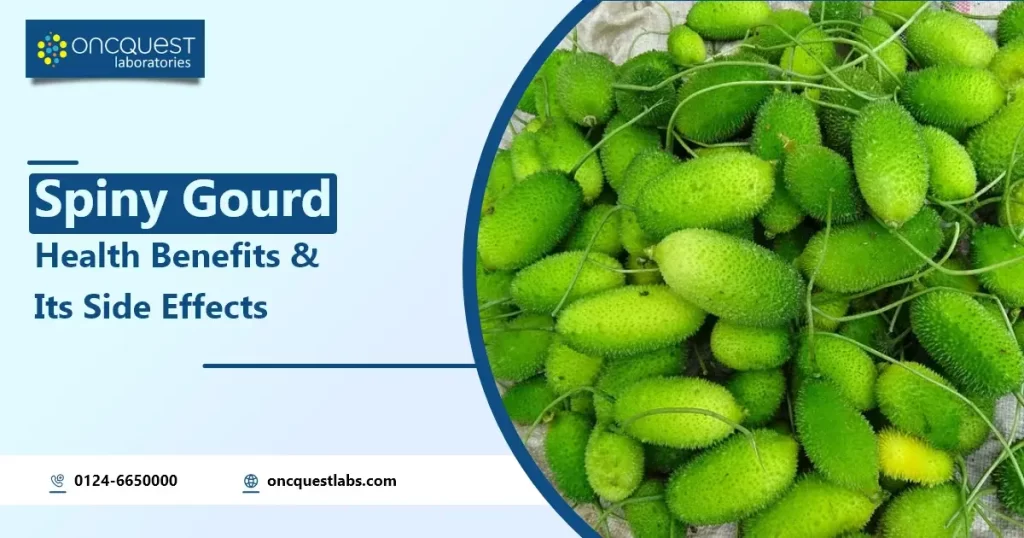
Clinical research, though still limited, shows promising results for specific health applications. A small human trial published in the International Journal of Diabetes in Developing Countries found that regular consumption of spiny teasel gourd reduced fasting blood glucose levels in participants with mild type 2 diabetes. Other studies focus on its potential hepatoprotective (liver-protecting) properties, with animal models showing that extracts may help prevent liver damage from toxins and reduce fatty liver development. Ongoing research continues to explore its potential applications in cancer prevention, antimicrobial therapy, and neuroprotection, with preliminary findings supporting further investigation in these areas. For more information on the benefits of spiny gourd, you can visit Oncquest Labs.
Culinary Evolution Through the Ages
The culinary journey of spiny teasel gourd reflects the creative adaptability of traditional cooking. Ancient preparations focused on simple methods that preserved the gourd’s medicinal properties while improving palatability—typically quick cooking techniques like steaming or light stir-frying with complementary spices. Regional variations developed across the Indian subcontinent, with northern regions favoring stuffed preparations while eastern cuisines incorporated it into fish curries. In Bangladesh and parts of Southeast Asia, the young leaves and shoots became valued ingredients in soups and broths, especially during seasonal transitions when their health-supporting properties were most valued.
Modern culinary applications have expanded as chefs rediscover this traditional ingredient. Contemporary preparations include innovative approaches like spiny teasel gourd chips, chutneys, and inclusion in fusion cuisine. Health-focused culinary trends have embraced this vegetable for its low glycemic impact and high nutrient density, incorporating it into smoothies, grain bowls, and plant-based protein dishes. Cooking techniques have evolved to address the mild bitterness while preserving nutrients—light blanching before cooking, pairing with complementary ingredients like coconut milk or tamarind, and careful spice selection enhance its natural flavor profile while maximizing health benefits.
5 Delicious Ways to Prepare Spiny Teasel Gourd
Introducing spiny teasel gourd to your kitchen opens up a world of culinary possibilities that blend flavor with nutrition. The mild bitterness and unique texture of this vegetable allow it to shine in various cooking methods, from quick stir-fries to slow-simmered curries. By mastering a few basic preparation techniques, you can transform this nutritional powerhouse into delicious dishes that appeal to diverse palates. Each cooking method brings out different aspects of the gourd’s flavor profile while preserving its valuable nutrients.
The versatility of spiny teasel gourd means it can adapt to numerous cuisines beyond its traditional applications, making it an excellent addition to modern, health-conscious cooking. Whether you’re looking for quick weeknight meals or impressive dishes for special occasions, this unique vegetable delivers both nutrition and satisfaction. Experimenting with these preparation methods will help you discover your favorite way to enjoy this ancient vegetable in contemporary meals.
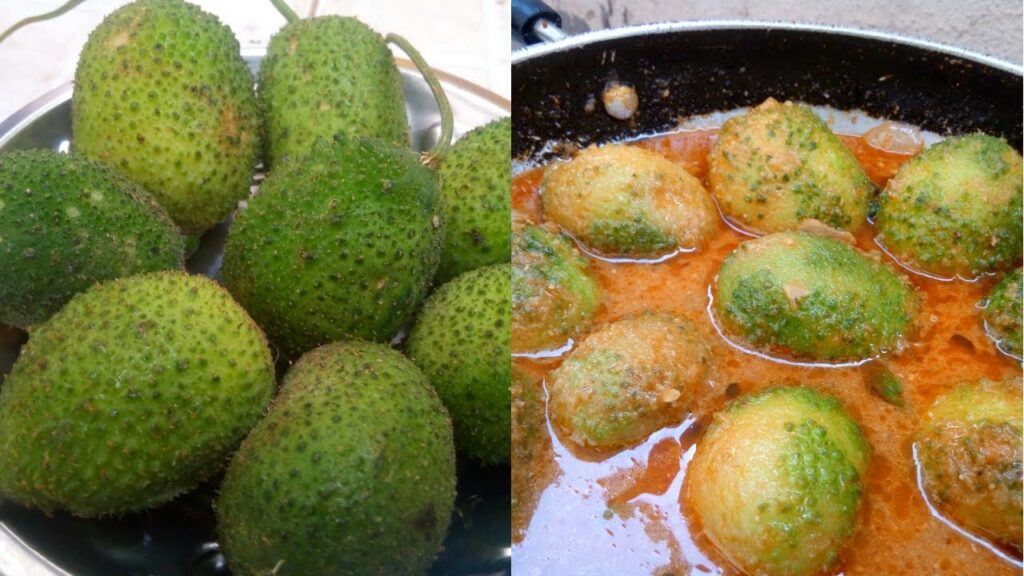
“Cooking Spine Gourd Curry With Tamarind …” from www.youtube.com and used with no modifications.
1. Simple Stir-Fry with Minimal Spices
A quick stir-fry represents perhaps the most accessible introduction to spiny teasel gourd for newcomers. Begin by removing the spines with a vegetable peeler or careful knife work, then slice the gourds lengthwise into quarters or eighths depending on size. A brief blanching in lightly salted water for 2-3 minutes helps reduce any excess bitterness before the actual cooking begins. Heat a tablespoon of neutral oil like grapeseed or mustard oil in a wok or skillet until shimmering, then add a teaspoon of cumin seeds and let them sizzle for 30 seconds to release their aroma.
Add the prepared gourd pieces to the hot oil along with a pinch of turmeric, salt to taste, and optionally a small amount of minced green chili for heat. Stir-fry over medium-high heat for 4-5 minutes until the gourd becomes tender but maintains some crispness. Finish with a squeeze of fresh lemon juice and a sprinkle of chopped cilantro for brightness. This simple preparation highlights the vegetable’s natural flavor while introducing complementary spices that enhance its digestive benefits. The entire dish comes together in under 15 minutes, making it perfect for busy weeknights when you want maximum nutrition with minimal effort.
2. Stuffed Teasel Gourd
Stuffed spiny teasel gourd represents a more elaborate preparation that showcases this vegetable as a star ingredient. Select larger gourds for this preparation, carefully remove the spines, then slice them lengthwise and scoop out the seeds and pulp with a small spoon. Create a flavorful stuffing mixture combining roasted ground peanuts, chickpea flour, minced onion, grated coconut, and a blend of spices including coriander, cumin, turmeric, and red chili powder. A touch of jaggery or palm sugar balances the flavors with subtle sweetness, while tamarind paste adds pleasant tanginess that complements the gourd’s natural character.
Fill each gourd half generously with the stuffing mixture, then either secure with kitchen twine or simply place cut-side up in a steamer basket. Steam for approximately 15 minutes until the gourds are tender, then finish with a quick tempering of mustard seeds, curry leaves, and dried red chilies in hot oil poured over the stuffed gourds just before serving. This preparation method transforms the humble gourd into an impressive dish with complex flavors and textural contrast. The nutritional profile gets an additional boost from the protein-rich stuffing ingredients, making this a satisfying main course when served with rice or flatbreads.
3. Traditional Curry Preparations
Curry preparations allow spiny teasel gourd to absorb rich flavors while contributing its unique texture to the final dish. Begin by preparing a foundational curry base of sautéed onions, garlic, ginger, and tomatoes cooked until soft and fragrant. Add ground spices including coriander, cumin, turmeric, and garam masala, cooking until the oil begins to separate from the mixture. Introduce prepared spiny teasel gourd pieces (spines removed and cut into bite-sized chunks) to this aromatic base, stirring well to coat each piece with the spice mixture.
Add liquid according to your preferred consistency—coconut milk creates a rich, creamy curry while tomato-based broths offer a lighter, tangier profile. Simmer gently for 15-20 minutes until the gourd becomes tender but still maintains some structural integrity. Enhancing the curry with additional vegetables like potatoes, carrots, or bell peppers creates a more substantial meal while balancing the gourd’s unique flavor. A final garnish of fresh herbs like cilantro or mint brightens the dish, while a squeeze of lime juice just before serving adds a fresh dimension that complements the earthy curry spices and the gourd’s natural character.
4. Crispy Fried Snacks
Transforming spiny teasel gourd into crispy snacks offers a nutritious alternative to conventional fried treats. Slice the prepared gourds (spines removed) into thin rounds approximately 1/8 inch thick for optimal crispness. Soak the slices briefly in salted water with a splash of vinegar, which helps reduce bitterness while enhancing crispness during frying. Pat the slices thoroughly dry before coating them in a seasoned batter made from chickpea flour, rice flour, turmeric, red chili powder, and ajwain (carom) seeds, which add digestive benefits alongside their distinctive flavor. For more information on incorporating pet-safe plants in your garden, consider reading about pet-friendly garden tips.
For a healthier preparation, shallow fry the coated slices in avocado or coconut oil until golden brown and crisp, or use an air fryer at 375°F for about 10-12 minutes, flipping halfway through. These crispy treats develop an addictive texture—crunchy exterior giving way to a tender interior with the gourd’s distinctive flavor complemented by the spiced coating. Serve immediately with a cooling yogurt-based dip enhanced with mint and cucumber, or a tangy tamarind chutney that balances the savory notes with its sweet-sour profile. This preparation transforms a nutritious vegetable into an appealing snack that even reluctant vegetable eaters might embrace.
5. Medicinal Preparations and Extracts
Beyond culinary applications, spiny teasel gourd can be prepared specifically to maximize its medicinal properties. A simple decoction made by simmering 1-2 tablespoons of dried gourd pieces in water for 15-20 minutes creates a therapeutic drink traditionally used to support blood sugar management. Allow the liquid to reduce by approximately one-third before straining and consuming. This preparation can be enhanced with complementary herbs like fenugreek or cinnamon that work synergistically with the gourd’s natural compounds. A small amount of honey can improve palatability without significantly impacting the blood sugar benefits.
For topical applications, a paste created from fresh gourd flesh combined with a small amount of turmeric and neem powder creates a traditional remedy for minor skin irritations and blemishes. Apply to affected areas for 15-20 minutes before rinsing thoroughly. For those interested in preserving the gourd’s medicinal properties long-term, tinctures can be prepared by soaking dried gourd pieces in food-grade alcohol for 4-6 weeks, then straining and storing the resulting liquid in dark glass bottles. These concentrated preparations allow for small, measured doses that can be added to water or juice when fresh gourd isn’t available. As with all medicinal preparations, consultation with healthcare providers is recommended, especially for those with existing health conditions or taking medications.
Growing Spiny Teasel Gourd in Your Pet-Safe Garden
Cultivating your own spiny teasel gourd offers the dual satisfaction of growing an uncommon vegetable while ensuring access to its nutritional benefits year after year. This climbing vine not only produces nutritious fruits but also adds visual interest to garden spaces with its attractive foliage and distinctive fruit. For gardeners interested in ethnobotany or preserving traditional food plants, growing Momordica dioica connects you to ancient agricultural practices while providing fresh, organic produce for your table.
Growing this plant successfully requires understanding its specific needs and growth habits. With proper planning and care, even gardeners in non-traditional growing regions can successfully cultivate this nutritious vine. The investment in learning its requirements pays dividends through abundant harvests and the opportunity to share both the produce and knowledge with your community. For more on safe gardening practices, check out these safe garden ideas.
Ideal Climate and Soil Requirements
Spiny teasel gourd thrives in warm, humid conditions similar to its native tropical and subtropical habitats. It performs best in USDA growing zones 8-11 where temperatures consistently remain above 65°F (18°C) during the growing season. In cooler regions, the growing season can be extended by starting seeds indoors 6-8 weeks before the last frost date and transplanting only when soil temperatures have warmed reliably. The plant requires full sun exposure (minimum 6 hours daily) for optimal fruit production, though in very hot climates, light afternoon shade can prevent leaf scorch and water stress.
Soil quality significantly impacts growth and productivity of this gourd. It prefers well-draining, loamy soil rich in organic matter with a slightly acidic to neutral pH range (6.0-7.0). Heavy clay soils should be amended with compost and sand to improve drainage, as the plant is susceptible to root rot in waterlogged conditions. Prior to planting, incorporate well-decomposed compost or aged manure into the planting area to provide sustained nutrition throughout the growing season. A soil test can identify specific deficiencies that might need addressing before planting, particularly regarding phosphorus and potassium levels which support root development and fruit production respectively.
Planting and Spacing Guidelines
Successful cultivation begins with proper spacing that accommodates the plant’s vigorous growth habit. Each vine requires approximately 25-30 square feet of growing space when allowed to spread horizontally, though vertical growing systems can reduce this footprint significantly. Plant seedlings or direct-sow seeds at least 3-4 feet apart in rows spaced 6-8 feet from each other. When planting from seed, sow 2-3 seeds per location at a depth of approximately ½ inch, thinning to the strongest seedling once plants have established their first true leaves.
The dioecious nature of spiny teasel gourd—having separate male and female plants—necessitates growing multiple plants to ensure successful pollination and fruit production. For reliable harvests, maintain a ratio of at least one male plant for every 3-4 female plants in your garden. Since gender cannot be determined until flowering, starting with 8-10 plants provides reasonable assurance of proper gender distribution. When transplanting seedlings, handle them carefully to avoid disturbing the sensitive root system, and water thoroughly immediately after planting to reduce transplant shock.
Trellising and Support Systems
Implementing effective support systems transforms the growing experience with spiny teasel gourd, improving both plant health and harvest accessibility. As a vigorous climber, this plant benefits tremendously from vertical growing structures that allow air circulation while keeping fruits off the ground where they might contact soil pathogens or pests. A sturdy trellis standing 6-8 feet tall provides adequate support for the season’s growth, though the vines may eventually reach lengths of 12-15 feet in optimal conditions. Traditional A-frame or tepee structures work well, as do fence-mounted trellis panels secured against wind stress.
The climbing mechanism of spiny teasel gourd relies on tendrils that naturally wrap around available supports. Guide young vines toward your chosen structure during early growth stages, gently securing them with soft plant ties if necessary until they establish their climbing pattern. As the vines develop, they may require occasional redirection to prevent tangling and ensure even coverage of the trellis. Vertical growing not only maximizes space efficiency but also improves fruit quality by allowing even sun exposure and air circulation, reducing disease pressure and enhancing coloration. For gardeners with limited space, container growing with appropriate support structures can yield satisfactory results, though container plants typically require more frequent watering and fertilization than in-ground plantings.
Companion Plants for a Balanced Garden
Strategic companion planting enhances the health and productivity of spiny teasel gourd while creating a balanced garden ecosystem. Aromatic herbs like basil, oregano, and marigolds planted nearby help repel common pests that might target the gourd vines. These companions release volatile compounds that mask the scent of the primary crop or actively deter harmful insects through chemical deterrents. Nasturtiums serve a dual purpose by attracting aphids away from your valuable gourd vines while adding edible flowers to your harvest.
Nitrogen-fixing plants make excellent companions for nutrient-hungry gourds. Consider interplanting with bush beans or field peas at the base of your trellis, allowing adequate spacing so they don’t compete directly for sunlight. These legumes improve soil fertility by converting atmospheric nitrogen into forms available to neighboring plants. Avoid planting spiny teasel gourd near other cucurbits like cucumbers, melons, or squash, as they may compete for pollinators and can share susceptibility to common diseases and pests, potentially amplifying problems if an infestation occurs.
Common Challenges and Solutions When Growing Momordica Dioica
Even experienced gardeners encounter challenges when cultivating spiny teasel gourd, particularly when growing it outside its native range. Understanding common obstacles and their solutions prepares you for successful cultivation and abundant harvests. Many issues stem from environmental factors that can be managed with thoughtful intervention and preventive practices. By anticipating potential problems, you can implement strategies that support plant health throughout the growing season.
The resilience of spiny teasel gourd means it can recover from many challenges if problems are addressed promptly. Regular monitoring allows for early detection of issues before they significantly impact plant health or productivity. Maintaining detailed garden records helps identify patterns in plant performance and response to various interventions, building your expertise with this unique crop over successive growing seasons.
Most challenges fall into three main categories: pest pressure, disease susceptibility, and pollination issues. Each requires specific approaches tailored to the nature of the problem while maintaining environmentally responsible growing practices. The solutions outlined below emphasize biological controls and cultural practices over chemical interventions whenever possible, preserving garden ecology while protecting your plants.
Pest Management Without Harmful Chemicals
Aphids, spider mites, and cucumber beetles represent the most common pests affecting spiny teasel gourd. For aphid infestations, introduce beneficial predators like ladybugs or lacewings, which naturally control populations without chemicals. Alternatively, a spray solution of 1 tablespoon neem oil mixed with 1 teaspoon mild liquid soap in a quart of water, applied every 7-10 days during infestations, effectively suppresses multiple pest species while remaining safe for beneficial insects when dry. For persistent spider mite issues, particularly during hot, dry periods, increase ambient humidity around plants by misting foliage in the morning and ensuring adequate spacing for air circulation. For more tips on maintaining a pet-friendly garden, consider reading about pet-safe plant management.
Physical barriers provide excellent preventive protection against several pests. Floating row covers secured around young plants block access from flying insects while allowing light and water penetration. Remove covers temporarily during flowering to allow pollinator access unless hand-pollinating. Yellow sticky traps hung near plants help monitor and reduce flying pest populations, while diatomaceous earth sprinkled around the base of plants creates a mechanical barrier against crawling insects. Regular inspection of leaf undersides, stem joints, and developing fruits allows for early intervention before pest populations reach damaging levels. For more safe garden ideas that are pet-friendly, explore additional resources.
Disease Prevention Strategies
Powdery mildew and downy mildew frequently affect spiny teasel gourd, particularly in humid conditions with poor air circulation. Preventive applications of compost tea as a foliar spray strengthen plant resistance through beneficial microorganisms that compete with pathogens for leaf surface space. Maintaining proper spacing between plants and implementing trellising systems that elevate foliage off the ground significantly reduces disease pressure by improving air movement around leaves and stems.
Pollination Requirements
The dioecious nature of spiny teasel gourd presents unique pollination challenges requiring special attention for successful fruit production. Female flowers can be identified by the presence of a small, immature fruit at the base of the bloom, while male flowers grow in clusters without this structure. In gardens with sufficient male and female plants, natural pollination occurs via insects, primarily bees attracted to the bright yellow flowers that typically open in early morning hours. Where pollinator populations are insufficient or when growing in enclosed spaces, hand pollination becomes necessary for fruit development.
To hand pollinate, collect male flowers in the morning when pollen is most viable, remove the petals to expose the stamens, and gently brush or tap the pollen directly onto the stigma of female flowers. This process should be repeated every few days throughout the flowering period to maximize fruit set. For gardeners who discover they have an imbalance of plant genders, grafting techniques can be employed to introduce the missing gender onto existing plants, though this requires some horticultural skill. Alternatively, maintaining male plants in containers allows for strategic placement near female plants during flowering season while conserving garden space.
Harvesting, Storing, and Preserving Your Homegrown Bounty
The culmination of your gardening efforts arrives with harvest time, when proper timing and techniques ensure optimal flavor and nutritional value from your spiny teasel gourd crop. Harvesting at peak maturity captures the vegetable’s full nutritional potential while avoiding the increased bitterness that develops in overripe specimens. This transition from garden to kitchen represents a critical point where careful handling preserves the quality of your harvest.
Beyond immediate consumption, understanding storage and preservation methods extends your enjoyment of this nutritious vegetable well beyond its growing season. Different preservation techniques offer varying benefits, from convenience to flavor development, allowing you to select methods that best suit your culinary preferences and available time. With proper techniques, you can maintain a connection to your garden’s bounty throughout the year.
When and How to Harvest
Optimal harvesting of spiny teasel gourd occurs when fruits reach approximately 2-4 inches in length but remain bright green with firm flesh. At this stage, typically 10-14 days after fruit set, the gourds offer ideal texture and flavor with minimal bitterness. Visual cues indicating perfect ripeness include prominent but still flexible spines and slight glossiness to the skin without any yellowing, which signals overripeness. Morning harvesting, when plants are well-hydrated and temperatures are cool, yields fruits with the best texture and longest post-harvest quality.
Use sharp, clean pruning shears or a knife to cut the fruit with a small portion of stem attached rather than pulling, which can damage the vine. Handling the spiny exterior requires care—lightweight gardening gloves protect your hands while maintaining dexterity for selective harvesting. Inspect the vine thoroughly during harvest, as the fruits sometimes hide among the foliage, and removing mature fruits encourages continued production throughout the growing season. Regular harvesting at 2-3 day intervals maintains plant productivity and ensures you collect fruits at their peak quality. For more tips on maintaining a pet-safe garden, explore safe garden ideas.
Beyond the fruits, young tender shoots and leaves can also be harvested throughout the growing season, providing additional culinary options. Harvest these secondary products sparingly from established plants, taking no more than one-third of new growth at any time to maintain plant vigor. These tender greens offer a nutritional profile complementary to the fruits, with higher concentrations of certain vitamins and minerals, making them valuable additions to your harvesting routine. For those interested in creating a pet-safe garden, these plants can be an excellent choice.
Harvest Guide: Identifying Peak Ripeness
• Perfect timing: 10-14 days after fruit set
• Ideal size: 2-4 inches in length
• Color: Bright, uniform green without yellowing
• Texture: Firm with flexible spines
• Surface: Slightly glossy but not waxy
• Sound: Solid feel when gently squeezed
Storage Techniques for Maximum Freshness
Fresh spiny teasel gourd maintains optimal quality when stored properly, beginning with post-harvest handling that minimizes damage to the delicate fruits. After harvesting, lightly brush away any garden debris but avoid washing until just before use, as moisture accelerates deterioration. Place unwashed gourds in perforated plastic bags or containers lined with paper towels to absorb excess moisture while allowing some air circulation. Store in the vegetable crisper drawer of your refrigerator at 45-50°F (7-10°C) with 85-90% humidity, where they will maintain peak quality for 5-7 days, though usable condition can extend to 10-14 days with minimal quality loss.
Preservation Methods for Year-Round Enjoyment
Freezing represents the most convenient preservation method for spiny teasel gourd, effectively capturing its nutritional value and unique texture. Prepare the gourds by removing spines, blanching in boiling water for 2-3 minutes, then immediately cooling in ice water to halt the cooking process. Once drained and thoroughly dried, slice the blanched gourds into your preferred size and arrange in single layers on baking sheets for flash freezing, which prevents clumping. After 2-3 hours, transfer the frozen pieces to airtight containers or vacuum-sealed bags, labeling with the date. Properly frozen spiny teasel gourd maintains good quality for up to 8-10 months, ready for direct addition to curries, soups, and stir-fries without thawing.
Dehydration offers another excellent preservation option that intensifies flavor while creating versatile pantry ingredients. Slice prepared gourds thinly (approximately 1/8 inch) and arrange on dehydrator trays without overlapping. Dry at 125-135°F (52-57°C) for 8-12 hours until completely crisp with no moisture remaining. These dehydrated slices can be stored in airtight containers in a cool, dark location for up to a year, ideal for rehydrating in soups and stews or grinding into vegetable powder for nutritional enhancement of various dishes. The concentrated flavor of dried spiny teasel gourd adds depth to homemade spice blends and seasoning mixes.
Pickling provides both preservation and flavor transformation, creating a tangy condiment that complements many meals. Traditional lacto-fermentation using salt brine develops probiotic benefits alongside extended shelf life, while vinegar-based quick pickles offer convenience and immediate gratification. For quick pickles, combine equal parts water and vinegar with salt, sugar, and spices like mustard seeds, turmeric, and red chili, then pour this hot brine over prepared gourd pieces packed in sterilized jars. After cooling, refrigerate for at least 48 hours before enjoying. These pickles maintain quality for 2-3 months under refrigeration, adding bright, tangy notes to meals while preserving the nutritional benefits of this remarkable vegetable.
Why This Ancient Vegetable Deserves a Place in Modern Gardens
In our modern world of homogenized produce and global food systems, spiny teasel gourd represents a valuable connection to agricultural heritage and biodiversity. Growing this ancient vegetable in contemporary gardens helps preserve genetic diversity within our food system while introducing unique nutritional profiles not found in mainstream produce. Each garden that incorporates traditional varieties like Momordica dioica contributes to a living seed bank that maintains agricultural resilience against climate change and evolving pest pressures. The distinct appearance and growth habits of this plant also add visual interest and conversation pieces to garden spaces increasingly designed for both beauty and functionality.
Beyond preservation, cultivating spiny teasel gourd offers practical benefits for today’s health-conscious gardeners. Its exceptional nutritional density and medicinal properties align perfectly with growing interest in functional foods that provide benefits beyond basic nutrition. The plant’s natural resistance to certain pests makes it well-suited to organic growing methods, while its climbing habit maximizes production in limited spaces—an important consideration for urban gardeners. By reintroducing this traditional crop to modern growing spaces, gardeners participate in a meaningful continuation of agricultural knowledge while enjoying the satisfaction of harvesting uncommon, nutrient-rich produce directly from their own gardens. The journey from seed to table connects us with countless generations who have cultivated this remarkable plant, creating a living legacy that nourishes both body and spirit.
Frequently Asked Questions
Throughout my experience working with spiny teasel gourd, I’ve encountered numerous questions about this fascinating plant. The following section addresses the most common inquiries to help you safely incorporate this nutritious vegetable into your diet and garden. These evidence-based answers reflect both traditional knowledge and contemporary research, providing comprehensive guidance for various situations. For example, you might want to explore historical uses vs current popularity of similar plants.
Can pregnant women safely consume spiny teasel gourd?
Pregnant women should approach spiny teasel gourd with moderation and awareness. While the vegetable offers beneficial nutrients including folate and iron that support pregnancy, some traditional medical systems classify it as having mild emmenagogue properties (stimulating blood flow in the pelvic region). Modern research hasn’t conclusively evaluated its safety profile during pregnancy. The most prudent approach is moderate consumption of the properly cooked fruit in normal culinary amounts rather than concentrated extracts or medicinal preparations.
If you’re pregnant and interested in adding this vegetable to your diet, consult with your healthcare provider first, particularly if you have a history of pregnancy complications or are taking medications. When consumed as part of a balanced diet in conventional culinary preparations, most practitioners consider occasional consumption of properly cooked spiny teasel gourd to be generally safe during pregnancy, but individual circumstances may warrant specific recommendations from your healthcare team.
How do I know when spiny teasel gourd has gone bad?
Deteriorating spiny teasel gourd exhibits several clear indicators including softening or wrinkling of the skin, yellowing or browning discoloration, development of mold or unusual spots, and a fermented or unpleasant odor unlike the vegetable’s natural mild scent. If cut gourds show slimy texture or exude excessive moisture, this indicates bacterial growth and the produce should be discarded. Trust your senses—any substantial changes in appearance, texture, smell, or taste from the fresh state suggest spoilage has begun.
Is spiny teasel gourd suitable for weight loss diets?
Spiny teasel gourd makes an excellent addition to weight management plans due to its low calorie density (approximately 20-25 calories per 100g serving) combined with high fiber content that promotes satiety. The vegetable’s low glycemic impact helps maintain stable blood sugar levels, potentially reducing cravings and overeating. Studies suggest that certain compounds in Momordica species may influence fat metabolism and improve insulin sensitivity, though more research specific to Momordica dioica is needed to fully understand these mechanisms.
Can I grow spiny teasel gourd in containers or indoors?
Container cultivation of spiny teasel gourd is entirely feasible with proper planning and care. Select a container at least 15-20 gallons in volume with excellent drainage and use a high-quality potting mix enriched with compost. Provide a sturdy trellis or support system within the container as the vine will reach 8-10 feet even in contained growing conditions. Indoor growing presents greater challenges due to pollination requirements and light needs, but can succeed with supplemental grow lights providing at least 8-10 hours of direct equivalent light and hand pollination when flowers appear.
What parts of spiny teasel gourd should never be consumed?
Several parts of the spiny teasel gourd plant should be avoided for consumption safety. Mature seeds contain toxic compounds and should never be eaten raw or in large quantities. The roots contain concentrated bioactive compounds potentially harmful if consumed improperly and should be avoided except in traditional medicinal preparations by qualified practitioners. Overripe fruits developing yellow coloration contain increased concentrations of bitter compounds that, while not toxic, significantly diminish palatability and may cause digestive discomfort in sensitive individuals. Always remove the spines before preparation, as these can cause mechanical injury to the digestive tract if accidentally consumed.
Incorporating spiny teasel gourd into your garden and kitchen opens doors to both culinary adventure and nutritional benefits backed by centuries of traditional use. Whether you’re drawn to its unique appearance, impressive health properties, or connection to traditional food ways, this remarkable plant offers rewards well worth the modest effort of cultivation.
When prepared with care and knowledge, spiny teasel gourd provides a direct connection to ancestral wisdom about food as medicine while satisfying modern palates and nutritional needs. Its versatility in the kitchen and garden makes it accessible to both novice and experienced gardeners looking to expand their growing repertoire beyond common vegetables.
By growing and consuming this traditional food, you participate in preserving agricultural biodiversity while nourishing your body with nature’s pharmacy. The journey of discovery with spiny teasel gourd reminds us that sometimes the most valuable nutritional treasures are found not in expensive supplements or exotic imports, but in the forgotten vegetables that sustained generations before us.
Consider adding this remarkable plant to your garden this season—your body, palate, and connection to traditional food wisdom will all be richer for the experience.