
Key Takeaways
- True cantaloupes (Cucumis melo cantalupensis) are different from North American varieties, featuring deeply ribbed skin and intense aroma
- The most reliable ripeness indicators include yellow undertones, a sweet aroma at the stem end, and slight give when pressed
- Charentais cantaloupes from France are considered the sweetest variety, with an intoxicating floral aroma and custard-like texture
- Ripe cantaloupes are nutritional powerhouses packed with vitamins A and C, potassium, and antioxidants
- While generally safe for most people and some pets in moderation, certain individuals should exercise caution with cantaloupe consumption
The Perfect Cantaloupe: How to Spot True Cantaloupe Varieties
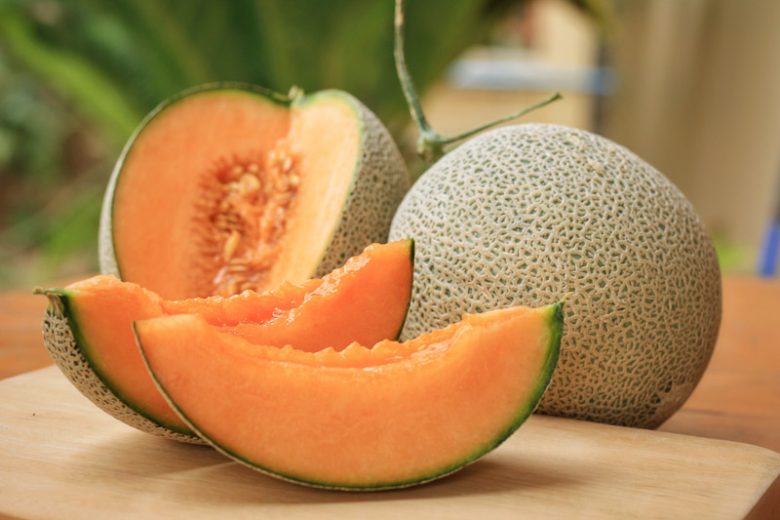
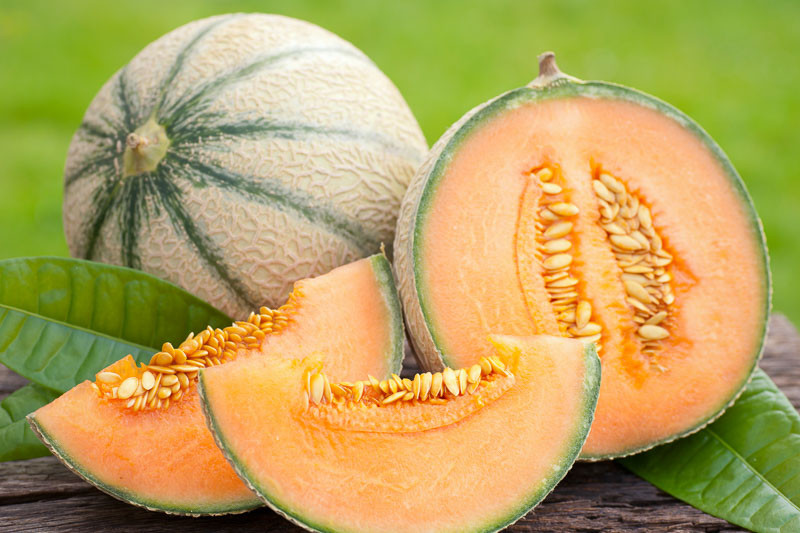
Cantaloupe confusion is real. What many Americans call cantaloupe isn’t actually true cantaloupe at all. True cantaloupes, scientifically classified as Cucumis melo cantalupensis, originate from Europe and differ significantly from their North American cousins. These authentic melons feature deeply ribbed, sometimes lightly netted or smooth rinds, with vibrant orange, intensely aromatic flesh that’s worth seeking out for their superior flavor profile.
The journey to cantaloupe perfection begins with identification. Unlike North American varieties (Cucumis melo reticulatus) with their heavily netted skin and milder flavor, true cantaloupes showcase distinctive characteristics that set them apart. Their appearance is marked by prominent ribs, minimal netting, and a striking contrast between skin segments. These European treasures also tend to be smaller, more intensely flavored, and noticeably more fragrant than what you’ll typically find in American supermarkets.
Learning to distinguish between these varieties not only enhances your culinary experiences but also helps you select the perfect specimen for your specific needs. Whether you’re creating a refreshing summer salad, blending a nutritious smoothie, or simply enjoying nature’s candy as a hydrating snack, understanding true cantaloupe varieties provides the foundation for making informed choices about ripeness, flavor expectations, and culinary applications.
“Cantaloupe (Cucumis melo): Health …” from www.gardenia.net and used with no modifications.
5 Foolproof Ways to Tell When Your Cantaloupe is Perfectly Ripe
Selecting a perfectly ripe cantaloupe transforms your eating experience from potentially disappointing to absolutely delightful. Unlike many fruits that continue ripening after harvest, cantaloupes develop most of their sweetness while still attached to the vine. This makes your selection skills particularly crucial for enjoying this melon at its peak flavor and texture.
The Color Test: What the Rind Should Look Like
Ripe Cantaloupe Color Guide
Green rind = Underripe, will be hard and flavorless
Cream to yellowish-beige = Perfect ripeness
Orange or brownish spots = Overripe, may be mushy
A ripe cantaloupe reveals its readiness through its color transformation. The rind beneath the netting should display a creamy, yellowish-beige hue rather than green undertones. For true European cantaloupes, look for a change from greenish-gray to warm golden tones between the ribbing. This color shift indicates the melon has developed its full sugar content and flavor profile. Avoid melons with predominantly green coloring, as they were likely harvested too early and won’t reach optimal sweetness.
Different cantaloupe varieties show ripeness in slightly different ways. North American types display a more uniform color change, while European varieties might show more dramatic contrast between the ribs and netting. The key principle remains the same: the underlying color should transition from green to a warm golden tone when ready to eat. Any green patches indicate an underripe section that will likely taste bland compared to the rest of the fruit.
The Smell Test: Follow Your Nose to Sweetness
Perhaps the most reliable indicator of a ripe cantaloupe is its aroma. A perfectly ripened melon emits a sweet, floral fragrance that’s especially pronounced at the stem end or “blossom end” (opposite from where it was attached to the vine). This distinctive scent indicates the development of volatile compounds that contribute to both flavor and nutritional value. When shopping, don’t hesitate to bring the melon close to your nose – a lack of fragrance typically indicates an underripe selection that will disappoint when cut open.
The Feel Test: Gentle Pressure Points
- Apply slight pressure at the blossom end (opposite the stem end) – it should yield slightly without feeling soft or mushy
- The rind should feel firm but not hard, with a subtle give similar to pressing on your palm
- Avoid melons with significant soft spots, which indicate overripeness or potential spoilage
- The entire melon should feel heavy for its size, indicating high water and sugar content
The tactile experience of testing cantaloupe ripeness requires a gentle touch. When you press lightly on the blossom end of a perfectly ripe melon, you should feel a slight give – similar to pressing on the flesh between your thumb and forefinger when relaxed. This subtle yielding indicates the flesh inside has softened to the ideal consistency for consumption. Too firm suggests underripeness, while excessive softness points to an overripe melon that may have a mushy texture or fermented flavor. If you’re interested in understanding more about safe consumption, you might want to explore safe foods for pets.
Weight also serves as a valuable ripeness indicator. A ripe cantaloupe feels surprisingly heavy for its size due to its high water and sugar content. This heft differentiates a juicy, flavorful specimen from one that might be dry or underdeveloped. When comparing similar-sized melons, always opt for the heavier option for maximum juiciness and flavor concentration. For more information on different types of cantaloupe, check out cantaloupe varieties.
The Sound Test: Listen for Ripeness
The acoustic properties of a cantaloupe change as it ripens, offering a surprisingly reliable method for assessment. Gently tap the melon with your knuckles and listen carefully – a ripe cantaloupe produces a low, hollow sound rather than a high-pitched, solid one. This muted resonance indicates that the flesh inside has developed the proper density and water content characteristic of peak ripeness.
For comparison, tap both the cantaloupe and your own chest – a ripe melon should produce a similar hollow sound. This acoustic test works because as the fruit ripens, the interior structure changes, creating air pockets and altering how sound waves travel through the flesh. An underripe melon will sound more solid and dense, similar to tapping on a countertop.
The Stem End Check: A Final Confirmation
The area where the cantaloupe was attached to the vine offers valuable clues about ripeness. On a perfectly ripe cantaloupe, this spot should appear slightly indented and smooth, indicating that the fruit naturally separated from the vine at peak maturity – what growers call “full slip.” A protruding stem or rough, torn area suggests the melon was harvested prematurely and won’t deliver optimal flavor. For those interested in pet safety around plants, consider reading about safe garden ideas for pets.
This natural separation occurs when the abscission layer between stem and fruit develops fully, allowing the melon to detach with minimal resistance. Commercial growers often harvest at “half slip” to extend shelf life, but home gardeners have the luxury of waiting for full slip for maximum flavor development. If you’re growing your own cantaloupes, this natural separation from the vine is your definitive signal that harvest time has arrived. For more gardening tips, check out these safe garden ideas.
True Cantaloupe vs. North American Cantaloupe: Key Differences
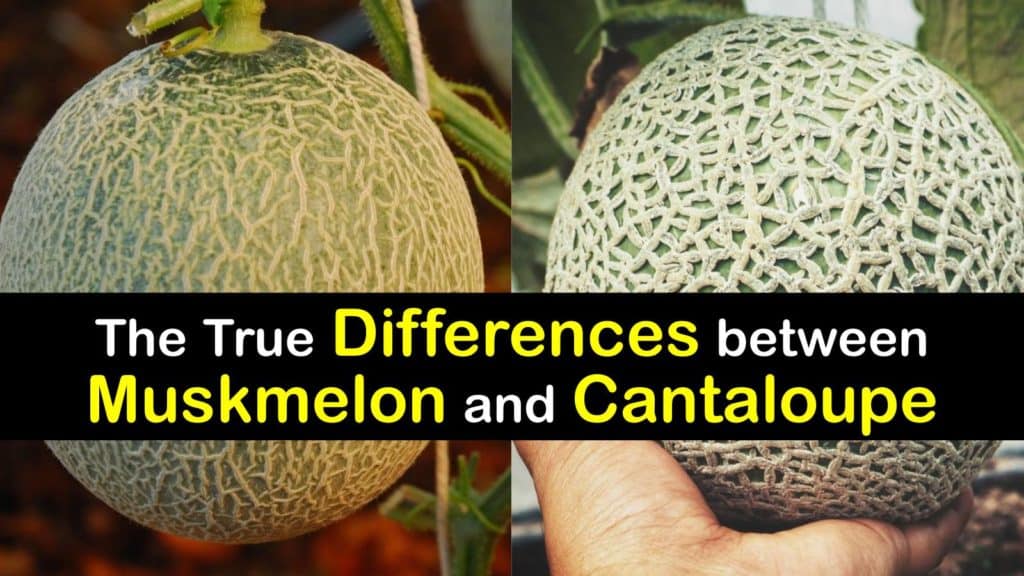
Understanding the distinction between true cantaloupes and their North American counterparts helps explain the vast differences in flavor profiles and appearance you might encounter. These aren’t merely regional variations but represent different botanical groups within the Cucumis melo species, each with distinct characteristics that influence everything from growing conditions to culinary applications.
“Are Muskmelons and Cantaloupes the Same” from www.tipsbulletin.com and used with no modifications.
European Cantaloupe: The Original True Cantaloupe
True cantaloupes (Cucumis melo cantalupensis) originated in the Mediterranean region and feature distinctly different characteristics from what most Americans recognize. These European varieties showcase deeply furrowed, ribbed rinds with minimal netting and a smoother exterior. Their flesh tends to be intensely aromatic with complex flavor notes that range from floral to musky, depending on the specific variety.
The color profile of true cantaloupes also differs from North American types, often featuring a paler orange flesh that’s exceptionally juicy and sometimes almost custard-like in texture. These melons typically grow smaller than their American cousins but compensate with concentrated flavor and fragrance. Their cultivation requirements are more specific, thriving in the warmer, drier climates similar to their Mediterranean origins.
North American Cantaloupe: What Most Americans Call “Cantaloupe”
North American vs. True Cantaloupe Comparison
North American: Heavy netting, no ribbing, salmon-orange flesh, mild aroma
True European: Deep ribbing, light netting, pale orange flesh, intense aroma
Size: North American typically larger (3-5 lbs vs. 2-3 lbs for European)
Sweetness: European varieties generally more concentrated in flavor. For more information on the different types of cantaloupe, visit Epic Gardening.
What Americans commonly call “cantaloupe” actually belongs to the Cucumis melo reticulatus group, characterized by their distinctive heavy netting over a relatively smooth, non-ribbed rind. These North American varieties typically display a more uniform, salmon-orange flesh with a milder, less complex aroma than their European counterparts. Their widespread popularity in North America stems partly from their adaptability to diverse growing conditions and excellent shipping durability.
The North American cantaloupe’s hardier nature and thicker netting provides natural protection during transportation, making it commercially viable on a massive scale. These melons grow larger on average than true cantaloupes and offer more consistent yield patterns for commercial growers. While their flavor may be less intense than European varieties, they still provide excellent sweetness when properly ripened and selected using the tests outlined earlier.
Charentais: The French Gourmet’s Choice
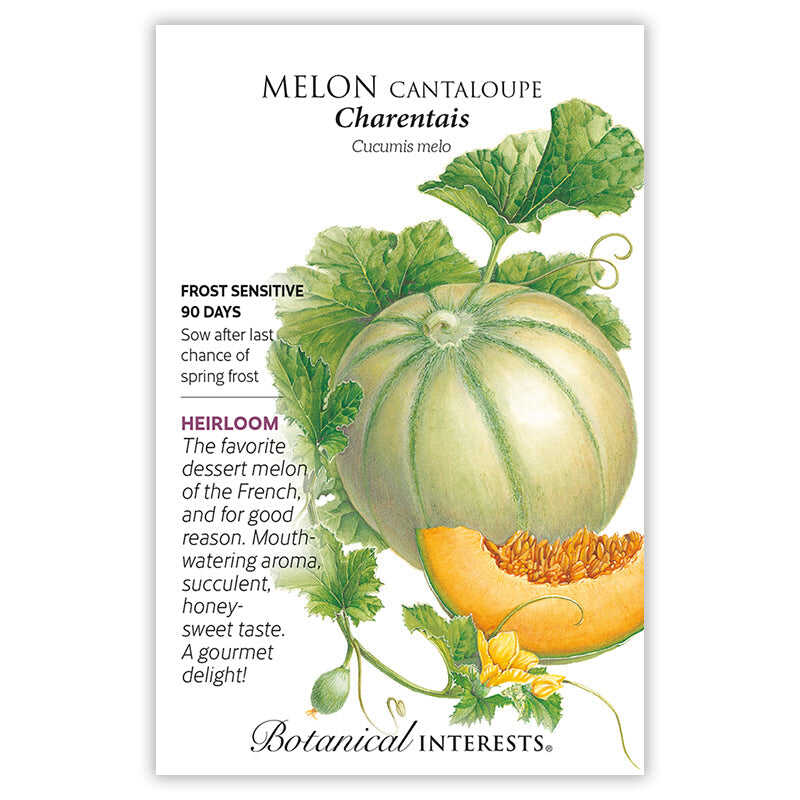
Among true cantaloupes, the Charentais variety stands as the crown jewel, revered by chefs and melon enthusiasts worldwide. Developed in the Charentes region of western France, these small melons (typically 2 pounds or less) pack an extraordinary flavor punch that makes them worth seeking out. Their smooth, gray-green skin features distinctive dark green ribbing, while their vibrant orange flesh offers an intoxicatingly floral aroma with hints of honeysuckle and vanilla.
The texture of a perfectly ripe Charentais approaches culinary perfection – smooth as custard with a melting quality that seems to dissolve on the tongue. Their concentrated sweetness and complex flavor profile make them ideal for serving simply, perhaps with a sprinkle of flaky sea salt to enhance their natural qualities. Though challenging to grow outside their native region and rarely found in conventional supermarkets, specialty growers and farmers’ markets occasionally offer these exquisite melons during peak summer months.
For home gardeners in suitable climates, Charentais varieties like ‘Charentais F1’ or ‘Savor’ offer the opportunity to experience these exceptional melons at peak ripeness. Their smaller size makes them manageable for container growing, and their relatively short growing season (80-85 days) allows cultivation in regions with shorter summers than typical melon-growing areas. For additional tips on maintaining a pet-friendly garden, consider exploring this guide to safe garden ideas.
“Charentais Cantaloupe Melon Seeds …” from www.botanicalinterests.com and used with no modifications.
Other Notable Cantaloupe Varieties Worth Trying
Beyond the well-known classifications, several standout cantaloupe varieties deserve attention for their unique characteristics. The ‘Sugar Cube’ mini-melon delivers extraordinary sweetness in a personal-sized package, making it perfect for small gardens or individual servings. Its intensely sweet, aromatic flesh has earned it a devoted following among melon connoisseurs who appreciate its concentrated flavor and convenient size.
‘Hale’s Best’ represents an heirloom North American type that bridges the gap between commercial varieties and specialty melons. Developed in the 1920s, it offers exceptional flavor with pronounced floral notes while maintaining good disease resistance and productivity. Its early maturation (75-85 days) makes it suitable for shorter growing seasons, while its manageable size (3-5 pounds) provides enough for sharing without overwhelming smaller households.
For gardeners in challenging climates, ‘Minnesota Midget’ offers surprising quality in an ultra-compact package. This variety matures in just 60-75 days and produces softball-sized fruits with remarkably sweet, orange flesh. Its compact vines spread only 3-4 feet, making it ideal for container growing or small garden spaces while still delivering authentic cantaloupe flavor and aroma.
Nutrition Powerhouse: What Makes Cantaloupe So Good For You
Perfectly ripe cantaloupe delivers an impressive nutritional profile that makes it as beneficial as it is delicious. With just 60 calories per cup of cubed melon, cantaloupe offers remarkable nutritional density while supporting hydration and overall wellness. Its vibrant orange color signals its rich beta-carotene content, which the body converts to vitamin A – crucial for vision, immune function, and cellular communication. To learn more about the health benefits of cantaloupe, visit this informative article.
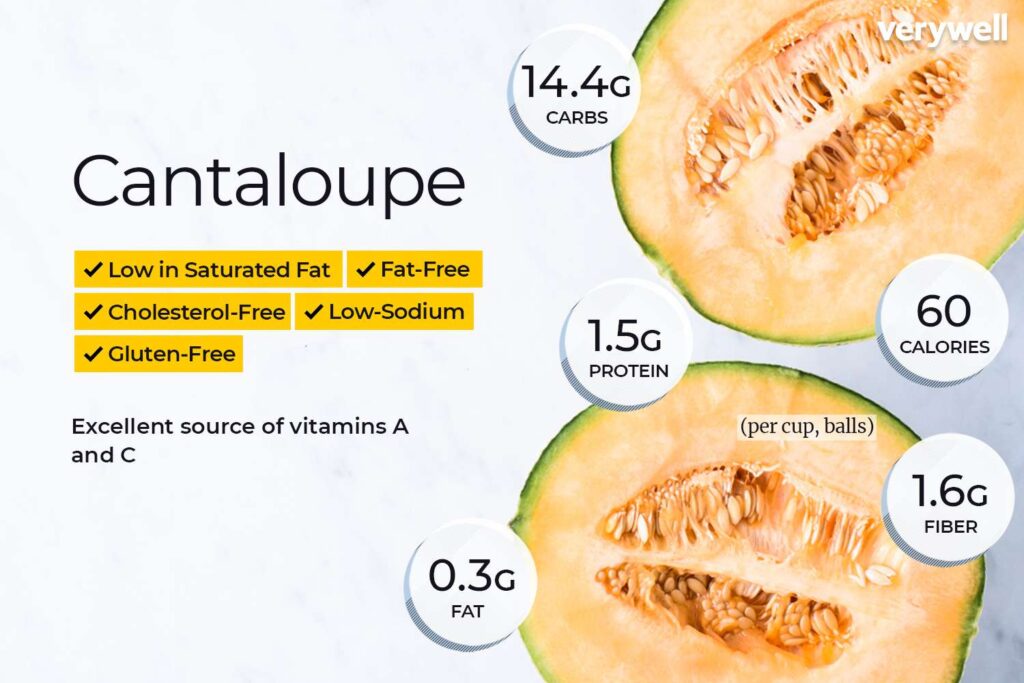
“Cantaloupe Nutrition Facts and Health …” from www.verywellfit.com and used with no modifications.
Vitamin and Mineral Content
Cantaloupe stands out as an exceptional source of vitamin C, providing approximately 106% of your daily requirement in just one cup. This potent antioxidant supports collagen production, immune function, and helps your body absorb iron from plant-based foods. The vitamin C content in cantaloupe also contributes to its skin-supporting benefits, helping maintain elasticity and promoting a healthy complexion from within.
Beyond its impressive vitamin content, cantaloupe delivers a substantial mineral package. A single serving provides about 12% of your daily potassium needs, supporting healthy blood pressure regulation and proper muscle function. This electrolyte balance makes cantaloupe particularly valuable after exercise or during hot weather when electrolyte replenishment becomes crucial.
The melon also contains meaningful amounts of folate, vitamin K, magnesium, and vitamin B6, creating a comprehensive nutritional package. This diverse nutrient profile supports everything from nervous system function to healthy pregnancy outcomes, making cantaloupe a truly versatile addition to a balanced diet.
Hydration Benefits
With approximately 90% water content, cantaloupe ranks among the most hydrating foods available. This high water content, combined with its natural electrolytes like potassium, makes it an excellent choice for maintaining fluid balance, especially during warm weather or after physical activity. The melon’s structure allows this moisture to be released slowly during digestion, providing sustained hydration rather than a quick flush through the system. For more on pet safety and hydration, check out these care tips for pet safety.
This hydrating quality makes cantaloupe particularly valuable for supporting healthy skin function from within. Proper cellular hydration helps maintain skin elasticity and supports the body’s natural detoxification processes. Many nutrition experts recommend cantaloupe as part of a skin-supporting diet precisely because of this combination of hydration and antioxidant protection.
Antioxidant Properties
- Beta-carotene: Gives cantaloupe its orange color and provides powerful free-radical neutralizing properties
- Vitamin C: Supports immune function and collagen production while fighting oxidative stress
- Phenolic compounds: Less recognized but important plant compounds that provide additional antioxidant benefits
- Zeaxanthin and lutein: Eye-protecting carotenoids that help filter harmful blue light
The vibrant orange flesh of cantaloupe signifies its rich carotenoid content, particularly beta-carotene. These powerful compounds help neutralize free radicals – unstable molecules that can damage cells and contribute to chronic inflammation and aging. Regular consumption of carotenoid-rich foods like cantaloupe has been associated with reduced risk of certain cancers and age-related eye conditions.
Digestive Health Advantages
Cantaloupe offers digestive benefits through its combination of water, fiber, and naturally occurring enzymes. With approximately 1.6 grams of fiber per cup, it provides modest but meaningful digestive support while its high water content helps move waste through the digestive tract efficiently. The melon’s easy digestibility makes it accessible even for those with sensitive digestive systems when consumed in appropriate portions.
The natural enzymes present in ripe cantaloupe, including proteolytic enzymes similar to those found in papaya and pineapple, may assist with protein digestion and contribute to reduced inflammation. These compounds work most effectively when the melon is consumed at peak ripeness, providing another reason to select perfectly ripened specimens using the techniques outlined earlier.
Cantaloupe for People: How Much to Eat and Who Should be Careful
Despite its impressive nutritional profile, cantaloupe consumption warrants thoughtful consideration regarding appropriate portions and potential contraindications. Understanding proper serving sizes and specific health conditions that might necessitate caution helps ensure you enjoy the benefits of this nutritious fruit without unwanted consequences.
Recommended Serving Sizes
Cantaloupe Serving Size Guidelines
Standard adult serving: 1 cup cubed (approximately 160g)
Daily maximum (general population): 2-3 cups
Children (ages 2-6): ½ cup cubed
Diabetic-friendly portion: ½ cup (approximately 15g carbohydrates)
Weight management portion: 1 cup (approximately 60 calories)
For most healthy adults, a standard serving of cantaloupe consists of one cup of cubed fruit, delivering approximately 60 calories, 14 grams of carbohydrates, and a wealth of vitamins and minerals. This portion size balances nutritional benefits with appropriate sugar intake, as cantaloupe does contain natural fruit sugars that contribute to its carbohydrate content. Most nutrition experts recommend limiting daily cantaloupe consumption to 2-3 cups to maintain dietary variety while managing sugar intake. For pet owners curious about how cantaloupe fits into their pet’s diet, it’s important to consider safe dietary choices for pets as well.
Children can benefit from cantaloupe’s nutrients in smaller portions, typically starting with ¼ to ½ cup depending on age and activity level. For those monitoring blood sugar or managing diabetes, cantaloupe should be consumed in measured portions (½ cup contains approximately 15g of carbohydrates) and ideally paired with a protein source to moderate blood sugar impact. Athletes and highly active individuals may incorporate larger portions to support hydration and electrolyte balance, particularly during hot weather training.
Benefits During Pregnancy and for Children
Cantaloupe offers particular benefits during pregnancy due to its folate content, a B vitamin crucial for preventing neural tube defects during early fetal development. A cup of cantaloupe provides approximately 37 micrograms of folate, contributing meaningfully to the 600 micrograms recommended daily during pregnancy. The fruit’s hydrating properties and potassium content also help manage common pregnancy discomforts like fluid retention and leg cramps.
For children, cantaloupe represents an appealing way to incorporate essential nutrients into their diet. Its naturally sweet flavor often appeals to young palates while delivering vitamin A for proper growth and development and vitamin C for immune support. The melon’s high water content also helps maintain proper hydration in active children who might otherwise resist adequate fluid intake. Learn more about cantaloupe health benefits to see why it’s a great choice for kids.
People Who Should Limit Cantaloupe Consumption
Despite its nutritional merits, certain populations should approach cantaloupe with caution. Individuals with kidney dysfunction often need to restrict potassium intake, making cantaloupe’s relatively high potassium content potentially problematic. For these individuals, consultation with a healthcare provider about appropriate portion sizes is essential before incorporating cantaloupe into their diet.
Those with diabetes should monitor their response to cantaloupe, as individual glycemic responses vary. While cantaloupe has a moderate glycemic index (65-75), its glycemic load per serving remains reasonable due to its high water content. Most endocrinologists recommend measuring blood glucose before and after consuming cantaloupe to determine personal tolerance rather than eliminating it entirely.
Perhaps most importantly, individuals with compromised immune systems should exercise particular caution with cantaloupe due to food safety considerations. The netted surface of cantaloupe can harbor bacteria, and its flesh provides an excellent growth medium. For immunocompromised individuals, thorough washing of the rind before cutting and prompt refrigeration of cut melon becomes especially critical.
Can Pets Eat Cantaloupe? Safety Guidelines for Animal Owners
Many pet owners wonder whether sharing human foods like cantaloupe with their animal companions is safe or beneficial. The answer varies significantly depending on the species, individual health conditions, and how the fruit is prepared. Understanding these nuances helps ensure that treats like cantaloupe enhance rather than compromise your pet’s wellbeing. For more information on pet-safe plants, you can explore the benefits of fresh thyme for pets.
Dogs and Cantaloupe: Benefits and Precautions
Cantaloupe can serve as a healthy occasional treat for most dogs, offering hydration and nutrients in a naturally sweet package that many canines enjoy. The melon’s high water content makes it particularly valuable during warm weather when additional hydration benefits dogs. Its fiber content can also support healthy digestion when offered in appropriate amounts – typically no more than a few small cubes for medium-sized dogs, adjusted proportionally for smaller or larger breeds.
Cats and Cantaloupe: Why Some Felines Go Crazy for Melon
Surprisingly, many cats show an unusual attraction to cantaloupe despite being obligate carnivores with no biological need for fruit. This phenomenon appears linked to compounds in cantaloupe that resemble amino acids found in meat proteins. While not nutritionally necessary for cats, small amounts of cantaloupe flesh (1-2 small cubes) can provide safe enrichment and hydration for interested felines, provided seeds and rind are completely removed.
Other Pets: What’s Safe and What’s Not
Smaller household pets vary in their ability to safely consume cantaloupe. Most pet rabbits can enjoy small amounts of cantaloupe flesh as an occasional treat, though its high sugar content means it should constitute only a tiny portion of their diet – approximately one teaspoon per two pounds of body weight, offered no more than twice weekly. The high moisture and sugar content can cause digestive upset if overconsumed, particularly in rabbits accustomed to a primarily hay-based diet.
For guinea pigs, cantaloupe represents a good source of vitamin C, which these animals cannot synthesize themselves. However, its sugar content necessitates moderation – a small cube once or twice weekly provides enrichment without contributing to obesity or dental issues. Hamsters, gerbils, and rats can also safely consume tiny amounts of cantaloupe flesh, though their small size means portions should be extremely limited – literally a fingernail-sized piece offered occasionally.
- Birds: Many companion birds enjoy small pieces of cantaloupe and can safely consume the flesh in moderation
- Reptiles: Herbivorous reptiles like tortoises may have small amounts, while carnivorous species should avoid fruit entirely
- Fish: Never add cantaloupe to aquariums, as decomposing fruit quickly compromises water quality
- Ferrets: As strict carnivores, ferrets should not consume cantaloupe or other fruits
For all pets, introduction should occur gradually, with careful monitoring for any adverse reactions including digestive upset, altered stool consistency, or behavioral changes. The high sugar content in cantaloupe makes it inappropriate for pets with diabetes or obesity, and portion control remains essential even for healthy animals.
Always remove seeds and rind before offering cantaloupe to any pet, as these components pose choking hazards and contain compounds that may be difficult to digest. Preparation should occur on clean surfaces with thorough washing of the rind before cutting to minimize bacterial transfer to the flesh. For more information on the health benefits of cantaloupe, you can explore this WebMD article.
Signs Your Pet Has Had Too Much Cantaloupe
Overindulgence in cantaloupe can trigger digestive upset in most pets, manifesting as diarrhea, gas, or abdominal discomfort. These symptoms typically resolve within 24-48 hours with the discontinuation of cantaloupe and temporary transition to a bland diet appropriate for the species. Persistent symptoms warrant veterinary consultation, as they may indicate either an adverse reaction to the fruit or an underlying digestive sensitivity. For more information on pet safety and dietary tips, you might find this pet safety guide useful.
More serious concerns include potential allergic reactions, though these occur rarely with cantaloupe. Signs of allergic response include facial swelling, hives, itching, or difficulty breathing, all of which constitute veterinary emergencies requiring immediate professional attention. To minimize risk when introducing cantaloupe, offer a tiny amount initially and observe your pet closely for several hours before considering it a safe occasional treat.
Enjoying Your Perfect Cantaloupe: Storage Tips and Serving Ideas
Once you’ve selected a perfectly ripe cantaloupe using the techniques described earlier, proper storage maximizes both flavor and food safety. Whole, uncut cantaloupes at peak ripeness remain best at room temperature for 1-2 days, allowing their aromas and flavors to fully develop. If you need to extend storage, whole melons can be refrigerated for up to 5 days, though cold temperatures may slightly diminish their aromatic qualities. Always store whole melons away from ethylene-producing fruits like apples and bananas, which can accelerate overripening.
After cutting, food safety becomes paramount. Cut cantaloupe should be promptly refrigerated in airtight containers and consumed within 3-4 days. The cut surfaces provide ideal conditions for bacterial growth at room temperature, making prompt refrigeration crucial – never leave cut melon at room temperature for more than two hours. For maximum flavor preservation, bring refrigerated cantaloupe to cool room temperature (about 10-15 minutes on the counter) before serving to revive its aromatic compounds.
Frequently Asked Questions
The following questions address common concerns and curiosities about selecting, storing, and enjoying cantaloupe, providing practical guidance for maximizing both pleasure and nutritional benefits from this remarkable fruit.
How long does a ripe cantaloupe last in the refrigerator?
A whole ripe cantaloupe keeps for 5-7 days in the refrigerator, while cut cantaloupe properly stored in airtight containers remains safe for 3-4 days. For maximum food safety, refrigerate cut melon promptly and discard any pieces left at room temperature for more than two hours. Watch for signs of spoilage including sliminess, off-odors, or unusual softening, and discard the fruit if these appear, regardless of how recently it was purchased or prepared.
Is it safe to eat cantaloupe during pregnancy?
Cantaloupe provides valuable nutrients during pregnancy, including folate, which supports proper neural tube development. However, pregnant women should take extra precautions with cantaloupe preparation due to food safety considerations. Always scrub the rind thoroughly under running water with a clean produce brush before cutting, even if you don’t plan to eat the rind, to prevent bacteria transfer from the exterior to the flesh. Refrigerate cut melon immediately and consume within 48 hours for maximum safety during pregnancy.
Can the seeds and rind of cantaloupe be eaten?
Cantaloupe Parts Edibility Guide
Flesh: Fully edible and nutritious
Seeds: Edible when dried and roasted (similar to pumpkin seeds)
Rind: Outer skin inedible, inner rind technically edible but bitter
Netting: Inedible, should be thoroughly washed before cutting. For more information on safe garden ideas for pets, check out this guide.
While cantaloupe flesh offers the most accessible nutrition, the seeds can be consumed after proper preparation. Similar to pumpkin seeds, cantaloupe seeds become edible and nutritious when cleaned, dried, and lightly roasted. They provide protein, healthy fats, and minerals including magnesium and zinc. To prepare them, rinse thoroughly to remove pulp, dry completely on paper towels, then toast at 275°F (135°C) for approximately 15-20 minutes until lightly golden and crisp.
The rind presents a more complex case. While not toxic, the outer skin remains too tough and bitter for pleasant consumption. The pale inner rind between the flesh and outer skin is technically edible but quite bitter. Some culinary traditions pickle this inner rind or incorporate it into preserves, but most Western culinary practices discard it. If exploring rind preparation, ensure thorough washing with a produce brush under running water to minimize contamination risk.
Why does my cantaloupe taste bitter or bland?
Bitterness in cantaloupe typically indicates either underripeness or stress during growing conditions. Underripe melons haven’t developed their full sugar content and may retain compounds that create astringent or bitter notes. Selecting cantaloupe using the ripeness indicators described earlier – particularly aroma and color – helps avoid this disappointment. Environmental stresses including extreme temperature fluctuations, drought followed by heavy rainfall, or nutrient imbalances can also contribute to bitterness even in properly ripened fruit.
What’s the difference between cantaloupe and muskmelon?
The terminology surrounding melons often creates confusion. Technically, “muskmelon” refers to the broader species Cucumis melo, which includes numerous varieties such as cantaloupe, honeydew, Persian melons, and casaba. In North America, however, the terms “cantaloupe” and “muskmelon” are often used interchangeably to describe the netted, salmon-orange fleshed variety (Cucumis melo reticulatus) commonly found in supermarkets. True botanical cantaloupes (Cucumis melo cantalupensis) represent a specific subgroup distinguished by their ribbed, less-netted rinds and more intense aroma.
This taxonomic distinction explains why European visitors to North America might express surprise when served what Americans call “cantaloupe,” as it differs significantly from the varieties familiar in European markets. Both types offer excellent nutritional profiles and delicious flavors when properly selected and ripened, though their culinary applications may differ slightly based on their distinct textural and flavor characteristics.
For culinary purposes, focus on selecting the ripest, most aromatic specimen regardless of its precise botanical classification. The ripeness indicators described earlier apply to all melon varieties, with slight adjustments for the specific appearance characteristics of each type. A perfectly ripened melon of any variety offers an unmatched sensory experience that transcends taxonomic technicalities.
For the most exceptional cantaloupe experience, consider exploring specialty grocers or farmers markets during peak summer months to discover both North American and true European cantaloupe varieties. The journey through these diverse melon expressions rewards curious palates with nuanced flavor profiles and textural variations that showcase nature’s remarkable diversity.
True Cantaloupe (Cucumis melo cantalupensis) is a popular fruit known for its sweet and juicy flavor. When identifying a ripe cantaloupe, look for a creamy, light yellow color and a fragrant aroma. It’s important to compare different types of cantaloupe to find the one that suits your taste preferences. The nutritional value of cantaloupe is impressive, offering vitamins A and C, potassium, and fiber. When it comes to feeding cantaloupe to pets, it’s essential to know how much is safe. For more information on safe foods for pets, check out this guide on safe fresh thyme for dogs and cats.