
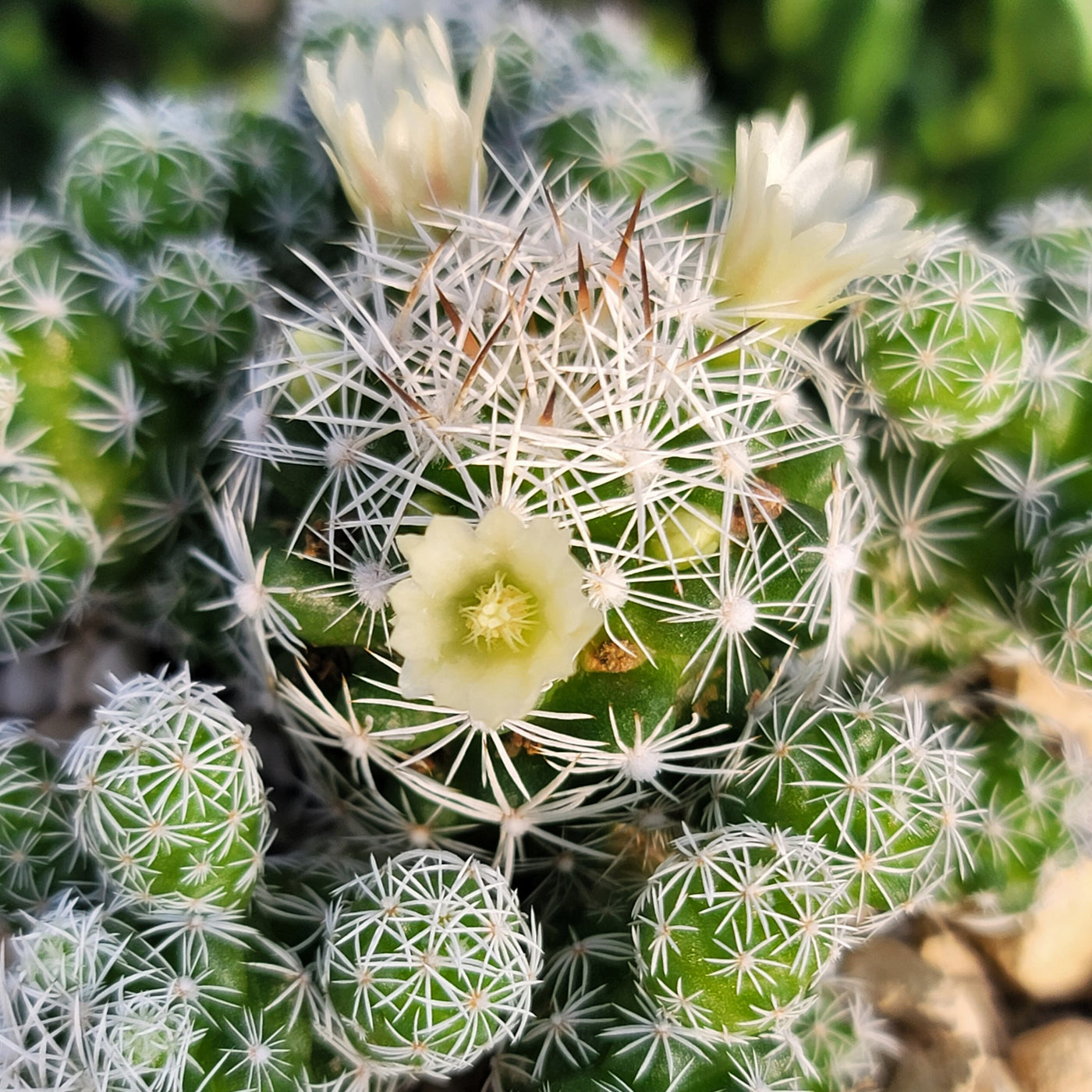
The thimble cactus, also known by its scientific name Mammillaria gracilis fragilis, is a fascinating plant that captivates gardening enthusiasts with its unique appearance and easy care requirements. Whether you’re a seasoned gardener or just starting, the thimble cactus offers a rewarding experience. Let’s delve into the key aspects of this remarkable plant.
Key Takeaways on Thimble Cactus Care and Safety
- The thimble cactus is non-toxic to both cats and dogs, making it a pet-friendly choice for your home.
- Its distinctive physical characteristics include cylinder-like stems covered with white, hair-like spines.
- Native to Mexico, the thimble cactus thrives in sunny environments with well-drained soil.
- Water sparingly; overwatering can lead to root rot.
- Propagate easily using offsets, which are small offshoots from the main plant.
Identifying the Thimble Cactus Plant & Seed
Recognizing the thimble cactus is straightforward once you know what to look for. This plant is part of the Cactaceae family and stands out with its small, clumping growth habit. The stems resemble tiny thimbles, hence the name.
Distinctive Physical Characteristics
The thimble cactus is not just any ordinary plant; its charm lies in its distinctive features. The stems are bluish-green and cylindrical, typically growing between 3 to 6 inches in length and 0.5 to 1.5 inches in width. These stems are covered with small, mound-like tubercles, each adorned with 11 to 16 stiff, white radial spines. These spines give the plant its characteristic hairy appearance.
It’s important to note that these spines are not just for show. They serve a protective function, deterring herbivores and providing some shade to the plant in its native habitat.

“Mammillaria vetula – Wikipedia” from en.wikipedia.org and used with no modifications.
Natural Habitat and Origin
The thimble cactus hails from the dry shrublands and rocky slopes of Mexico, particularly in the states of Hidalgo, Guanajuato, and Queretaro. In these arid environments, the cactus has adapted to thrive with minimal water and abundant sunlight.
Understanding the natural habitat of the thimble cactus helps us recreate similar conditions at home, ensuring the plant’s healthy growth. Providing plenty of light and ensuring well-drained soil are key to mimicking its native environment.
Cactus Flowering and Seasonal Changes
While the thimble cactus is admired for its structure, its flowers add an extra layer of beauty. Typically blooming in the colder months, the plant produces small, cream-colored flowers that contrast beautifully with the green of the stems.
These flowers are not just ornamental; they signal a healthy and well-cared-for plant. If your cactus isn’t blooming, it might be time to reassess its care conditions, such as light exposure or watering schedule.
Safety for Pets: Thimble Cactus and Animals
One of the most appealing aspects of the thimble cactus is its safety around pets. Many plant enthusiasts worry about the potential toxicity of their green companions, especially when pets are involved. For those interested in learning about other pet-safe plants, the aluminum watermelon plant is another great option to consider.
Non-Toxicity for Cats and Dogs
Good news for pet owners: the thimble cactus is non-toxic to both cats and dogs. This makes it an excellent choice for households with curious pets. Unlike some other plants, you won’t have to worry about harmful chemicals if your furry friend decides to investigate the cactus.
However, it’s still wise to keep an eye on your pets around the plant, as the spines can cause discomfort if ingested or if they come into contact with sensitive areas like the eyes.
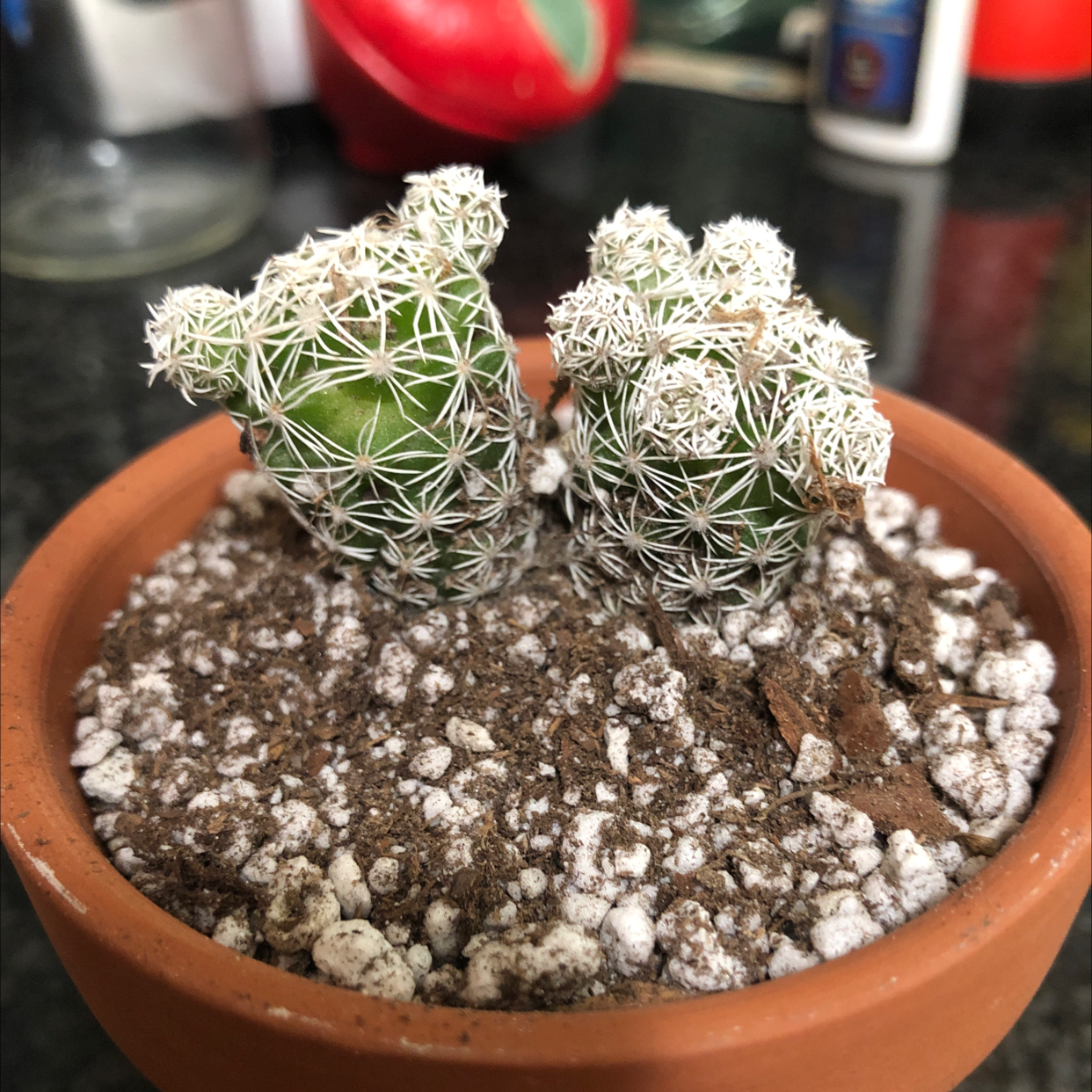
“Thimble Cactus Is Not Toxic To Cats 🐈” from greg.app and used with no modifications.
Typical Height and Width
The thimble cactus may be small, but it packs a lot of character into its modest size. Typically, the cactus grows to about 3 to 6 inches in height and spreads approximately 4 to 5 inches in width. This makes it a perfect choice for small spaces or as part of a larger succulent arrangement. Its compact nature means it can fit comfortably on a windowsill or a desk, bringing a touch of greenery to any room. For more details on this plant, check out this unusual cactus guide.
Growth Rate and Clumping Nature
One of the thimble cactus’s most endearing qualities is its slow growth rate. It’s not a plant that will quickly outgrow its space, making it ideal for those who prefer low-maintenance gardening. This slow pace means that once the cactus is settled in its environment, it will remain content for years, requiring minimal intervention.
The cactus’s clumping nature is another aspect to appreciate. As it grows, the thimble cactus forms clusters of offsets around the main plant. These offsets can be left to grow naturally, creating a dense and visually appealing cluster, or they can be separated and replanted to propagate new plants.
For those interested in propagation, these offsets provide an easy and effective way to expand your collection of thimble cacti. Simply detach the offsets gently from the main plant, allow them to callous over for a day or two, and then plant them in a suitable cactus mix.
Factors Affecting Growth
Several factors can influence the growth of your thimble cactus, and understanding these can help you provide the best care possible. Light is one of the most critical elements. The thimble cactus thrives in bright, indirect sunlight. Too much direct sun can scorch the plant, while too little light can stunt its growth.
Watering is another essential factor. The thimble cactus is drought-tolerant and prefers to dry out completely between waterings. Overwatering can lead to root rot, a common issue for cacti. During the growing season, water the cactus sparingly, and reduce watering in the winter months when the plant is dormant.
- Ensure the cactus is in a pot with drainage holes to prevent waterlogging.
- Use a well-draining cactus or succulent soil mix.
- Monitor the plant for signs of stress, such as yellowing or wilting, which may indicate incorrect care.
Care Tips for a Healthy Thimble Cactus
Taking care of a thimble cactus is straightforward, making it an excellent choice for beginners and experienced gardeners alike. With the right conditions, your cactus will thrive and bring beauty to your home for years. For more information on plant care, you might find this guide on indoor vs outdoor care helpful.
Ideal Watering Schedule
Watering is one of the most crucial aspects of cactus care. The thimble cactus prefers a “soak and dry” method. This means you should water the plant thoroughly, allowing excess water to drain away, and then let the soil dry out completely before watering again. During the active growing season, this might mean watering every two to three weeks, but always check the soil moisture first.
In winter, reduce watering significantly, as the cactus will enter a dormant phase and require less moisture. Overwatering during this period can lead to root rot, so err on the side of caution.
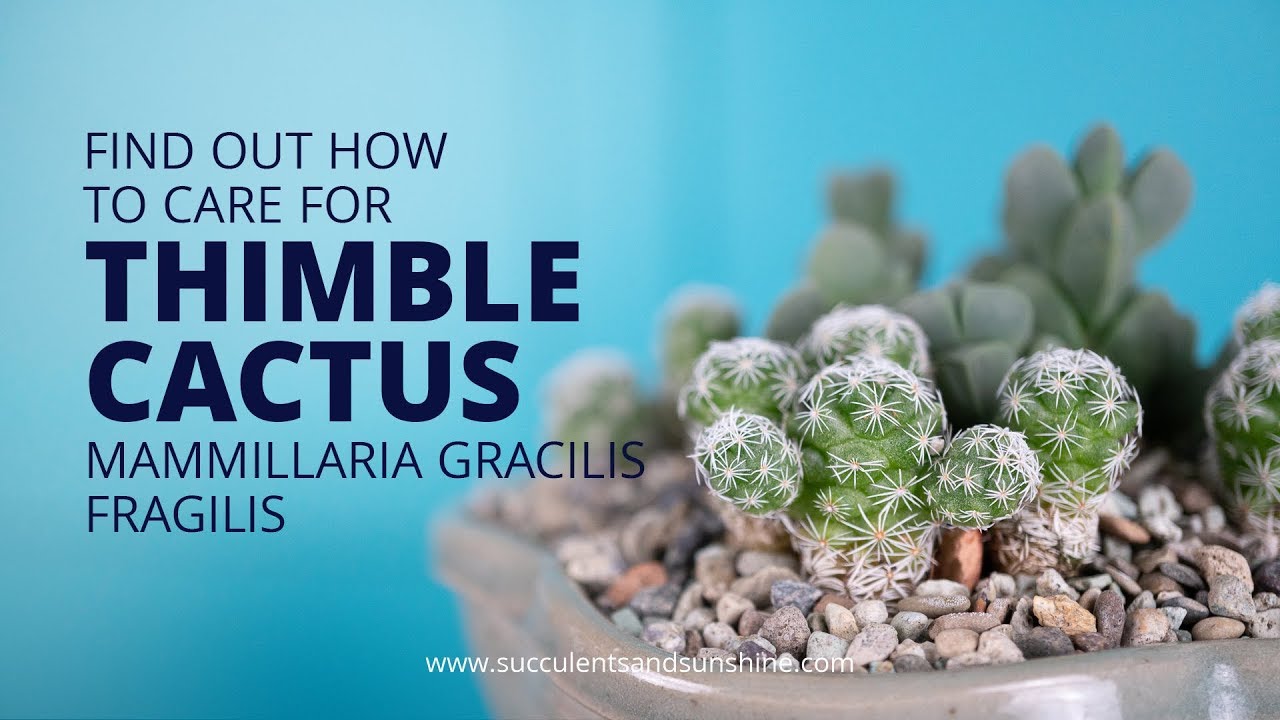
“Learn how to care for my favorite …” from www.youtube.com and used with no modifications.
Optimal Sunlight and Temperature Conditions
The thimble cactus loves sunlight but prefers it to be indirect. A bright windowsill with filtered light is ideal. If you’re growing your cactus outdoors, choose a spot that gets morning sun and afternoon shade to protect it from the harsh midday rays.
Soil Composition and Drainage Requirements
Soil plays a vital role in the health of your thimble cactus. A well-draining cactus or succulent mix is essential to prevent water retention, which can lead to root rot. You can also create your own mix by combining regular potting soil with coarse sand and perlite for added drainage.
When planting or repotting your cactus, ensure the pot has adequate drainage holes. This allows excess water to escape and prevents water from pooling at the bottom, which could harm the roots.
Preventing Common Pests and Diseases
While the thimble cactus is relatively hardy, it’s not immune to pests and diseases. Common pests include mealybugs and spider mites. Regularly inspect your plant for signs of infestation, such as webbing or white, cottony patches. If you notice any pests, treat the plant with insecticidal soap or neem oil.
Diseases such as root rot are often a result of overwatering. Ensure you’re following the correct watering schedule and using a well-draining soil mix to prevent this issue. If you suspect root rot, remove the plant from its pot, trim away any affected roots, and repot it in fresh soil. For more guidance, you can learn about Pilea involucrata care which includes tips on watering and soil requirements.
Getting Started With Your Own Thimble Cactus
If you’re ready to bring a thimble cactus into your home, the process is simple. Start by choosing a healthy plant from a reputable nursery. Look for a cactus with firm, green stems and no signs of pests or disease. For those with pets, consider exploring cat-friendly garden designs to ensure your new plant is safe for your furry friends.
Once you have your cactus, select a pot with drainage holes and fill it with a suitable cactus mix. Gently plant the cactus, taking care not to damage the roots. Place it in a location with bright, indirect sunlight, and water it using the “soak and dry” method.
With these tips in mind, you’ll be well on your way to enjoying the beauty and simplicity of the thimble cactus. Happy gardening!
Propagating From Seeds and Offsets
Propagation of the thimble cactus is a straightforward and rewarding process. The most common method is through offsets, which are small offshoots that grow from the base of the main plant. These offsets can be gently detached from the parent cactus once they are large enough to handle. After detaching, let them sit out for a day or two to allow the cut surface to callous over. This helps prevent rot when you plant them.
Once the offset has calloused, plant it in a small pot filled with a well-draining cactus mix. Water sparingly until the offset establishes roots and begins to grow. This method is not only simple but also ensures that you maintain the genetic characteristics of the parent plant.
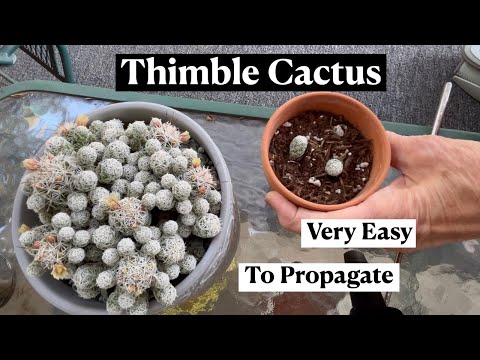
“Mammillaria Gracilis Fragilis Thimble …” from www.youtube.com and used with no modifications.
Potting and Repotting Techniques
Potting your thimble cactus correctly is crucial for its health and growth. Begin by selecting a pot with adequate drainage holes. This is vital as it prevents water from pooling at the bottom, which could lead to root rot. Fill the pot with a cactus or succulent mix, which provides the necessary drainage and aeration.
When repotting, gently remove the cactus from its current pot, taking care not to damage the roots. Shake off excess soil and inspect the roots for any signs of rot or disease. Trim any unhealthy roots before placing the cactus in its new pot. Fill around the plant with fresh soil, ensuring it’s at the same depth as before. For more information on plant care, you might find this guide on easy care and propagation helpful.
After repotting, water the cactus lightly and place it in a location with bright, indirect sunlight. Allow the soil to dry out completely between waterings to prevent overwatering.
Final Thoughts on Growing Thimble Cactus
Growing a thimble cactus can be a delightful experience, especially for those who appreciate low-maintenance plants. Its unique appearance and resilience make it a fantastic addition to any home or garden. By following the care tips outlined, you’ll be able to enjoy the beauty and simplicity of this charming cactus for years to come. For those interested in creating a cat-friendly garden, the thimble cactus is a great choice due to its non-toxic nature.
Remember, the key to a thriving thimble cactus lies in providing the right conditions: plenty of light, minimal water, and well-draining soil. With these basics covered, your cactus will reward you with its unique beauty and possibly even some delicate blooms.
Frequently Asked Questions
As you care for your thimble cactus, you may have some questions. For those wondering about garden designs that are safe for pets, check out our guide on cat-friendly garden designs. Here are answers to a few common queries:
How can I tell if my Thimble Cactus is healthy?
A healthy thimble cactus will have firm, vibrant green stems and no signs of pests or disease. The spines should be intact and white, and the plant should exhibit steady, albeit slow, growth. If your cactus is flowering, it’s a good sign that it’s thriving.
Monitor your cactus for any signs of distress, such as yellowing or wilting, which could indicate overwatering or insufficient light. Adjust care conditions as necessary to maintain the plant’s health. For more information on caring for your cactus, check out this guide on Mammillaria gracilis fragilis.
What should I do if my pet eats part of a Thimble Cactus?
“If your pet has nibbled on a thimble cactus, there’s no need to panic. The plant is non-toxic, so it won’t cause poisoning. However, the spines can cause discomfort. Check your pet’s mouth and paws for any spines and remove them gently with tweezers. Monitor your pet for any signs of distress and consult a vet if necessary.”
It’s always a good idea to keep plants out of reach of curious pets to prevent such incidents. Consider placing your cactus in a higher location or using deterrents to keep pets away.
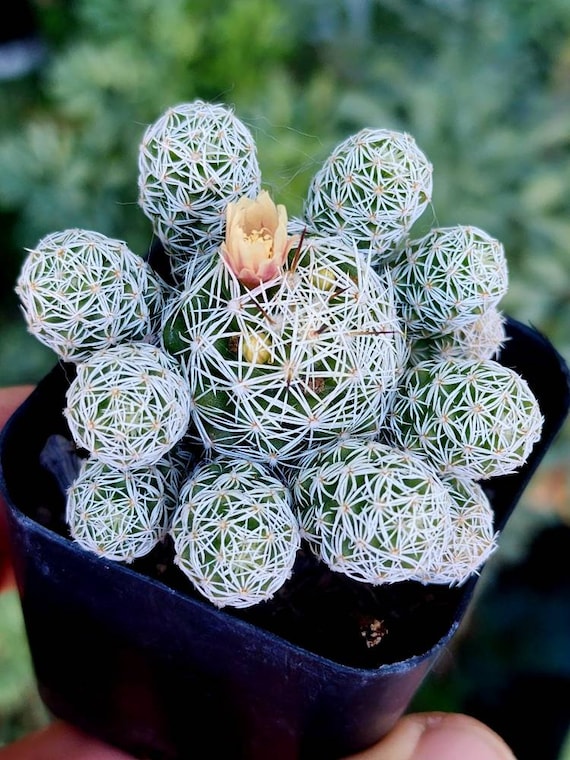
“Mammillaria Vetula Subsp. Gracilis …” from www.etsy.com and used with no modifications.
How often should I water my Thimble Cactus in winter?
During winter, the thimble cactus enters a dormant phase and requires significantly less water. It’s best to water sparingly, only when the soil is completely dry. This might mean watering once every month or even less, depending on your home’s humidity levels. Always err on the side of underwatering during this period to prevent root rot.
Why are my Thimble Cactus flowers not blooming?
- Insufficient light: Ensure your cactus is getting enough bright, indirect sunlight.
- Improper watering: Overwatering or underwatering can stress the plant, affecting blooming.
- Nutrient deficiency: Consider using a balanced cactus fertilizer during the growing season.
If your cactus isn’t flowering, evaluate these factors and adjust care conditions accordingly. Patience is key, as flowering can be sporadic and dependent on various conditions. For more on plant care, check out our guide on light requirements for plants.
Can the Thimble Cactus grow outdoors year-round?
The thimble cactus can grow outdoors in climates that mimic its native environment—dry and sunny with minimal frost. If you live in an area with harsh winters, it’s best to bring the cactus indoors during colder months to protect it from frost damage. For more tips on indoor plant care, you might find this guide on Friendship Plant care useful.
For those in milder climates, the thimble cactus can thrive outdoors year-round. Ensure it’s planted in well-draining soil and positioned to receive plenty of sunlight. Consider using a protective cover during unexpected cold snaps to safeguard the plant.