
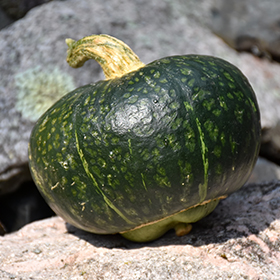
Key Takeaways
- Buttercup squash, scientifically known as Cucurbita maxima cv buttercup, is safe for both dogs and cats to eat in moderation.
- Monitor your pets for any signs of gastrointestinal upset after they consume buttercup squash.
- Buttercup squash is ripe when its cap is firm and it has a deep green color.
- Compared to pumpkin, buttercup squash has a sweeter flavor and denser texture, making it great for baking and cooking.
- When gardening with pets, consider container planting and ensure squash plants receive ample sunlight and have enough space.
Buttercup Squash and Pet Safety
Buttercup squash, with its vibrant colors and nutritious benefits, is not just a treat for humans. It can also be a delightful addition to your pet’s diet. However, as with any food, it’s important to understand the nuances of feeding it to our furry friends.
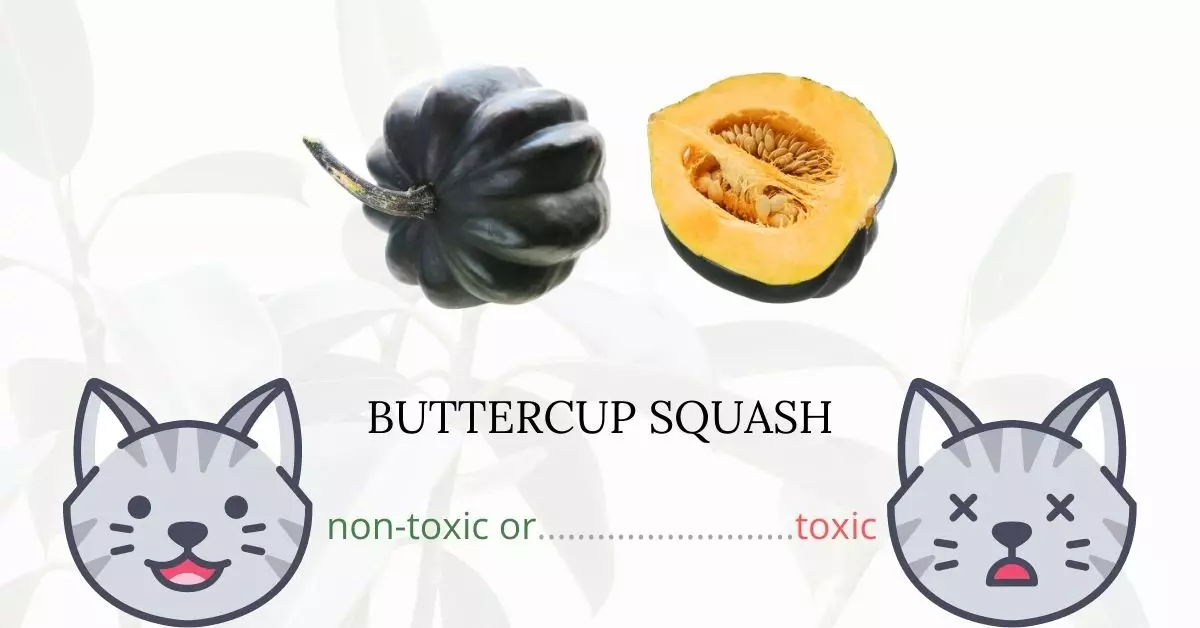
“Is Buttercup Squash Toxic For Cats?” from plantsncats.com and used with no modifications.
Is Buttercup Squash Safe for Pets?
Yes, buttercup squash is generally safe for both dogs and cats. It’s not listed as toxic by major pet poison control centers. This makes it a worry-free option for those who want to introduce some variety into their pet’s diet. However, moderation is key. Too much of any new food can lead to digestive issues.
Buttercup squash is packed with vitamins and minerals, such as vitamin A, which supports eye health, and vitamin C, which boosts the immune system. This makes it a healthy snack option when given in small amounts. For more on plant safety, check out our guide on periwinkle pet safety.
Despite its benefits, some pets may have individual sensitivities. It’s essential to start with small amounts and observe your pet’s reaction. If you notice any signs of discomfort, such as vomiting or diarrhea, discontinue feeding and consult your veterinarian.
Handling and Preparing Squash for Pets
Preparing buttercup squash for your pet is straightforward. First, you need to ensure the squash is fresh and ripe. Once confirmed, follow these steps to prepare it safely:
- Wash the squash thoroughly to remove any pesticides or dirt.
- Cut the squash in half and scoop out the seeds. You can roast the seeds separately as a treat for yourself!
- Peel the skin off the squash, as it can be tough for pets to digest.
- Cook the squash by boiling or steaming it until it’s soft. Avoid adding any seasonings or butter.
- Let the squash cool before serving small pieces to your pet.
Remember, always introduce new foods gradually and in small amounts. This approach helps to prevent any potential digestive upset. For more information on pet-safe plants, you might want to check out this guide on periwinkle pet safety.
Potential Side Effects in Dogs and Cats
While buttercup squash is safe, excessive consumption can lead to mild gastrointestinal upset in pets. This might manifest as vomiting or diarrhea. If this happens, it’s best to stop feeding the squash and consult your veterinarian.
Most importantly, keep an eye on your pet when introducing any new food. Each pet is unique, and their reactions can vary significantly. Therefore, being observant can help you ensure their health and happiness.
Buttercup Squash vs Pumpkin
When it comes to squashes, buttercup and pumpkin often come up in conversation, especially in the context of fall recipes and festive decorations. However, these two varieties have distinct characteristics that set them apart. Knowing these differences can help you make informed choices, whether you’re cooking for yourself or considering what might be safe for your pets.
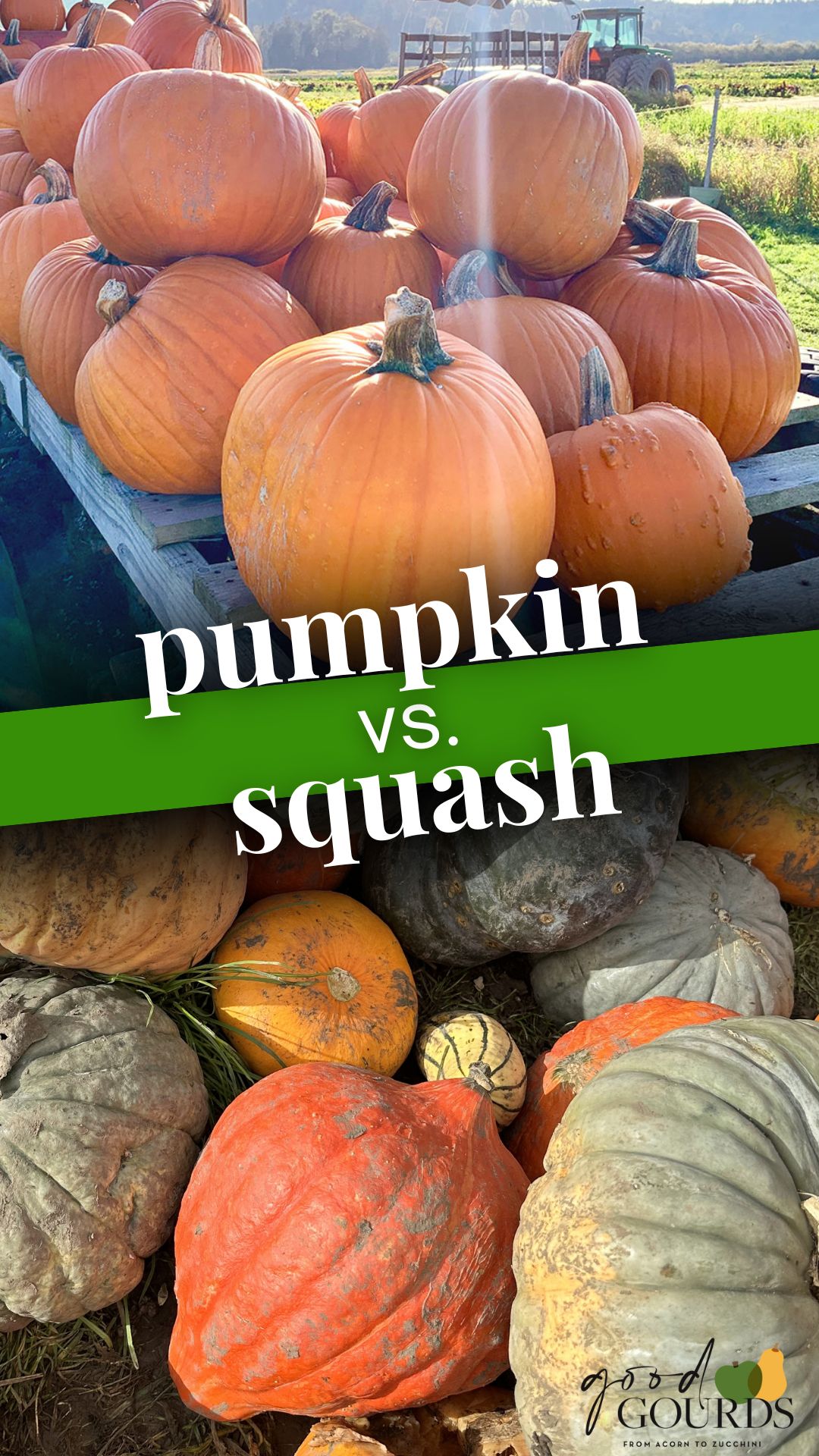
“Squash vs. Pumpkin” from goodgourds.com and used with no modifications.
Flavor and Texture Differences
Buttercup squash has a notably sweet and nutty flavor, making it a favorite in desserts and sweet dishes. Its flesh is dense and creamy, which lends itself well to baking and roasting. On the other hand, pumpkin has a milder, more earthy taste and a slightly stringy texture. This makes it versatile for both sweet and savory dishes, but it may require additional spices to enhance its flavor. For those interested in pet-friendly gardening, you might also want to explore the pet safety of various plants.
Nutritional Comparison
Both buttercup squash and pumpkin are packed with nutrients, but they differ slightly in their nutritional profiles. Buttercup squash is rich in vitamin A, vitamin C, and dietary fiber, providing a significant boost to immune health and digestion. It also contains more carbohydrates and calories than pumpkin, which is lower in calories but still offers a good amount of vitamin A and potassium.
When comparing these squashes, it’s essential to consider what nutritional benefits you’re seeking. If you’re looking for a low-calorie option, pumpkin might be the better choice. However, for a more energy-dense option, buttercup squash is ideal.
- Buttercup Squash: Higher in calories and carbohydrates, excellent source of vitamin A and C.
- Pumpkin: Lower in calories, good source of vitamin A and potassium, versatile for various recipes.
Usage in Cooking and Baking
In the kitchen, both buttercup squash and pumpkin shine in different ways. Buttercup squash, with its rich and creamy texture, is perfect for making soups, purees, and baked goods like pies and muffins. Its natural sweetness means you often need less added sugar, making it a healthier choice for desserts.
Pumpkin, with its milder flavor, pairs well with spices such as cinnamon, nutmeg, and ginger. It’s a staple in pies, but also works well in savory dishes like soups and stews. Additionally, pumpkin seeds are a nutritious snack on their own, offering a good source of protein and healthy fats. For those interested in exploring more about edible plants, you might find the Queensland arrowroot’s edible uses intriguing.
Gardening Tips for Pet Owners
Growing your own buttercup squash can be a rewarding experience, especially if you’re a pet owner looking to provide fresh, home-grown produce for your furry friends. However, there are a few considerations to keep in mind to ensure your garden is both productive and pet-friendly.
Container vs In-Ground Planting
Choosing between container planting and in-ground planting depends on your space and needs. Container planting is excellent for those with limited space or who want to keep plants away from pets. It allows you to move plants as needed to optimize sunlight exposure and protect them from curious pets.
In-ground planting, on the other hand, is ideal for those with ample garden space. It allows plants to develop extensive root systems and can often lead to larger yields. However, you’ll need to ensure your garden is secure to prevent pets from digging up or trampling the plants.
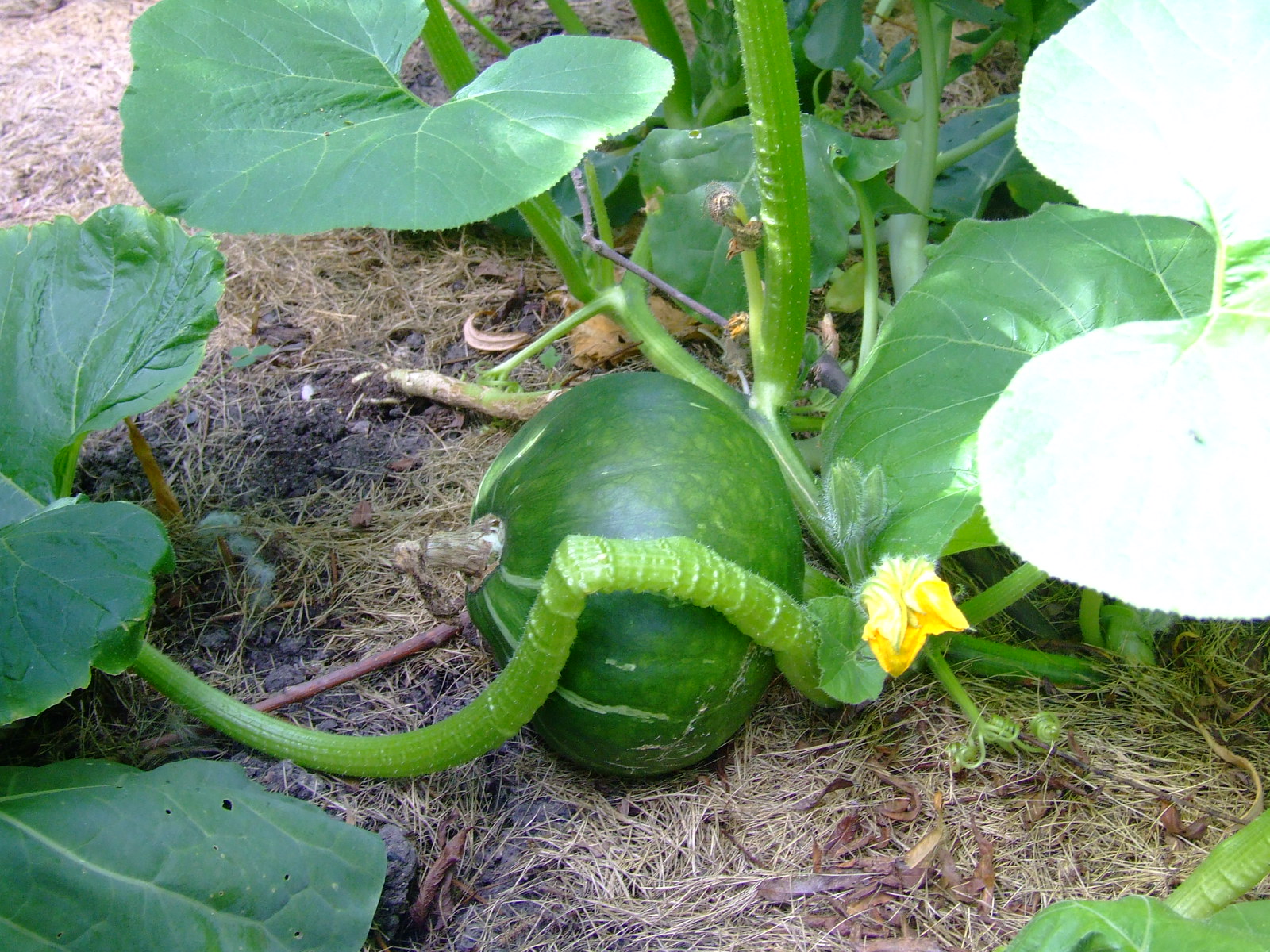
“Buttercup Squash” from fullcirclegardener.blogspot.com and used with no modifications.
Sunlight and Shade Preferences
Buttercup squash thrives in full sunlight, requiring at least six to eight hours of direct sun each day. When planning your garden, select a spot that receives ample sunlight throughout the day. If you’re using containers, you have the flexibility to move them to sunnier locations as needed.
However, be cautious of too much heat, especially during peak summer months. Providing some shade during the hottest part of the day can help prevent the plants from wilting and ensure they remain healthy and productive.
Space Requirements and Plant Placement
Understanding the space requirements for buttercup squash is crucial for a thriving garden. This squash variety can spread out quite a bit, so ensuring you have enough room is essential. Typically, each plant needs about 3 to 4 feet of space to grow properly. This spacing allows for adequate air circulation, reducing the risk of fungal diseases and promoting healthy growth.
When planning your garden layout, consider planting buttercup squash at the edge of your garden beds. This placement allows the vines to sprawl outwards without encroaching on other plants. Additionally, using trellises can help manage space by training the vines to grow vertically, which is especially beneficial in smaller gardens.
- Ensure each plant has 3-4 feet of space.
- Consider using trellises to save space and promote vertical growth.
- Plant at the edge of garden beds to allow vines to spread outwards.
Besides that, it’s important to regularly check the growth of your plants. As they mature, adjust their positioning or supports as needed to ensure they remain healthy and productive.
Creating a pet-friendly garden means thinking about how your pets interact with the space. If you have dogs or cats that like to roam, consider using barriers or fencing to protect your plants while still allowing your pets to enjoy the garden.
Frequently Asked Questions
As with any gardening endeavor, questions often arise, especially when pets are involved. Here are some common inquiries about buttercup squash and pet safety.
Can buttercup squash be harmful to cats or dogs if eaten raw?
Generally, buttercup squash is not harmful to cats or dogs if eaten raw, but it can be harder for them to digest. Cooking the squash softens it, making it easier on your pet’s digestive system. Always monitor your pets for any adverse reactions when introducing new foods.
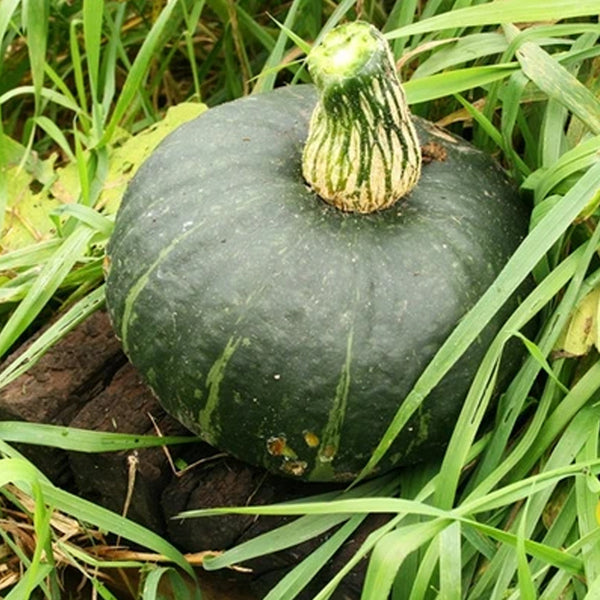
“Burgess Buttercup Squash, Winter …” from www.myseeds.co and used with no modifications.
How can I store picked buttercup squash?
After harvesting, store buttercup squash in a cool, dry place with good air circulation. A pantry or cellar works well. Make sure the squash is clean and dry before storing. Under proper conditions, buttercup squash can last for several months, allowing you to enjoy it well into the winter months.
What pests should I look out for in my butternut squash plants?
Common pests include squash bugs, vine borers, and aphids. Regularly inspect your plants for signs of these pests, such as wilting leaves or visible insects. Hand-picking pests and using natural deterrents like neem oil can help manage infestations. Ensuring healthy plant growth through proper watering and spacing can also reduce pest problems.
Additionally, encouraging beneficial insects, like ladybugs, can help control pest populations naturally. Planting companion plants such as marigolds can also deter certain pests from your squash plants.
How is the best way to introduce squash to my dog or cat’s diet?
Start by offering a small amount of cooked squash to your pet. Observe their reaction over the next 24 hours. If they tolerate it well, you can gradually increase the amount. Always serve squash plain, without any added seasonings or oils, to ensure it’s safe for your pet.
If your pet shows any signs of discomfort, such as vomiting or diarrhea, discontinue feeding and consult your veterinarian for advice.
How much space is needed for growing buttercup squash effectively in a pet-friendly garden?
As mentioned earlier, each buttercup squash plant requires about 3 to 4 feet of space. This spacing is crucial for air circulation and preventing disease. In a pet-friendly garden, consider using barriers or raised beds to keep your pets from disturbing the plants while still allowing them to enjoy the garden space. For more information on the Cucurbita maxima species, which includes buttercup squash, check out this detailed guide.
Incorporating these strategies can help you create a garden that’s both productive and safe for your pets. By understanding the needs of buttercup squash and how to accommodate them in a pet-friendly environment, you can enjoy the benefits of home-grown produce while keeping your furry friends safe and happy.
With these tips in mind, you’re well on your way to becoming a successful pet-friendly gardener. Happy gardening!