
Key Takeaways
- The Davallia Ball Fern, also known as the Rabbit’s Foot Fern, is a non-toxic plant, making it safe for both cats and dogs.
- Its unique appearance, with furry rhizomes resembling rabbit’s feet, adds a decorative touch to homes.
- This fern thrives in partial sunlight and requires a moist environment to flourish.
- Ideal for beginners, the fern is low maintenance and can be grown both indoors and outdoors.
- Proper training and placement can help pets coexist with houseplants like the Davallia Ball Fern.
Welcoming Davallia Ball Fern into Your Home
Imagine a plant that not only beautifies your home but also keeps your pets safe. The Davallia Ball Fern, commonly known as the Rabbit’s Foot Fern, is exactly that kind of plant. It’s a wonderful addition to any indoor garden, especially if you have curious pets. Known for its distinctive furry rhizomes that resemble rabbit’s feet, this fern is both captivating and harmless to your furry friends.
For those who love houseplants but worry about pet safety, the Davallia Ball Fern offers peace of mind. This plant is non-toxic to both cats and dogs, meaning you can enjoy its lush greenery without fear of endangering your pets. Let’s explore how you can integrate this fern into your home while ensuring it’s a harmonious environment for all.
“Davallia Tyermanii “Rabbit Foot Fern …” from bantam.earth and used with no modifications.
Unique Features of the Davallia Ball Fern
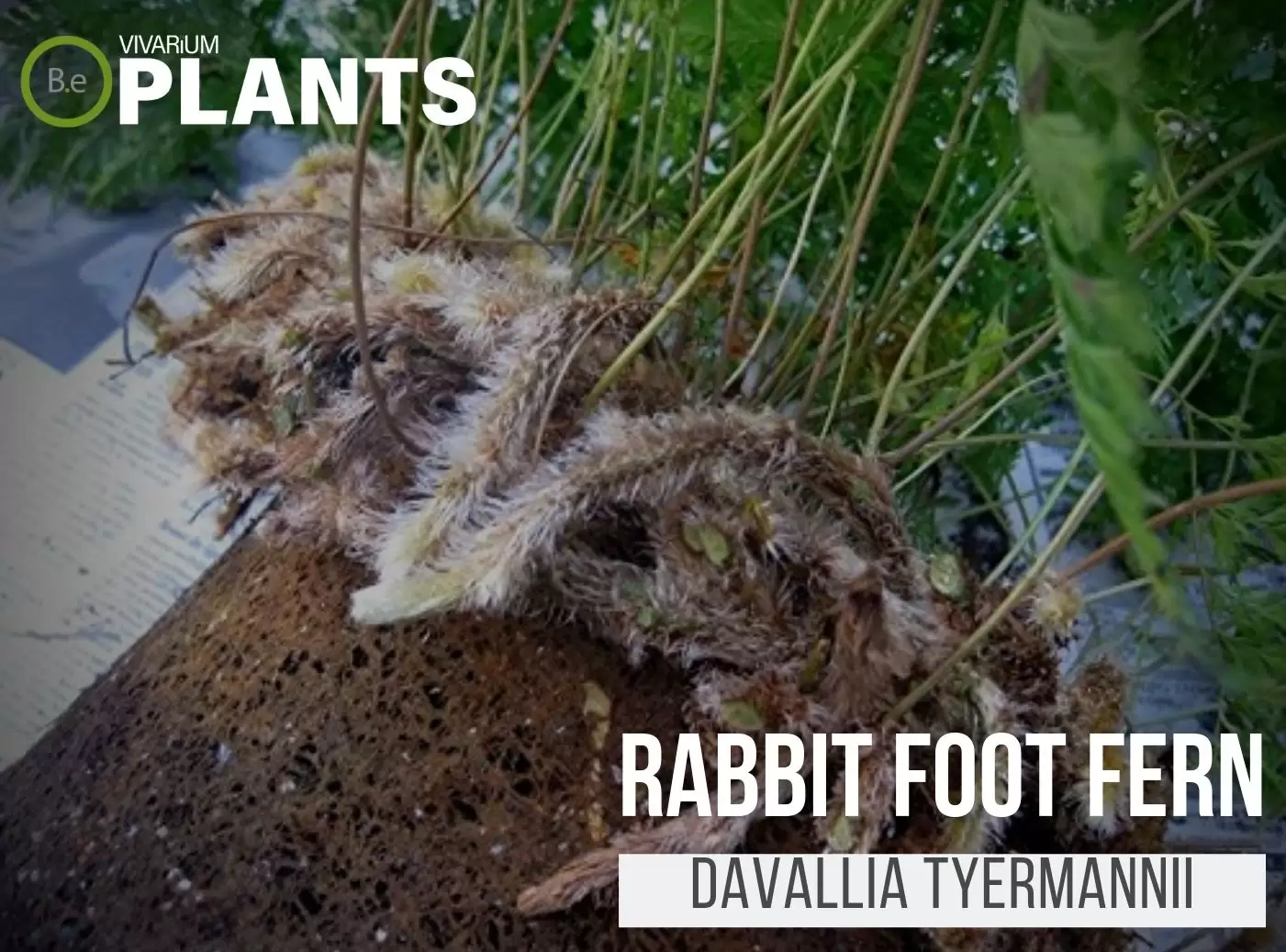
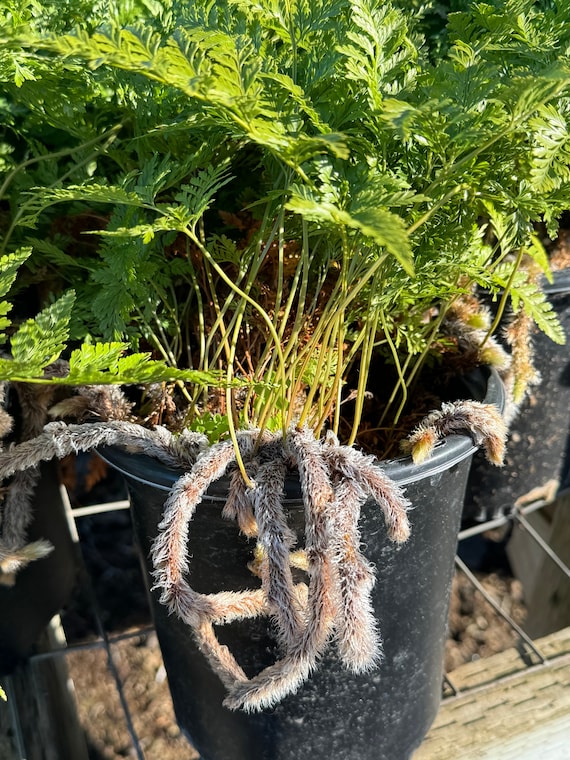
What sets the Davallia Ball Fern apart from other houseplants is its unique appearance. The plant’s rhizomes, which creep over the edges of its pot, are covered in soft, fuzzy hairs. These rhizomes not only give the plant its charming name but also make it an interesting focal point in any room.
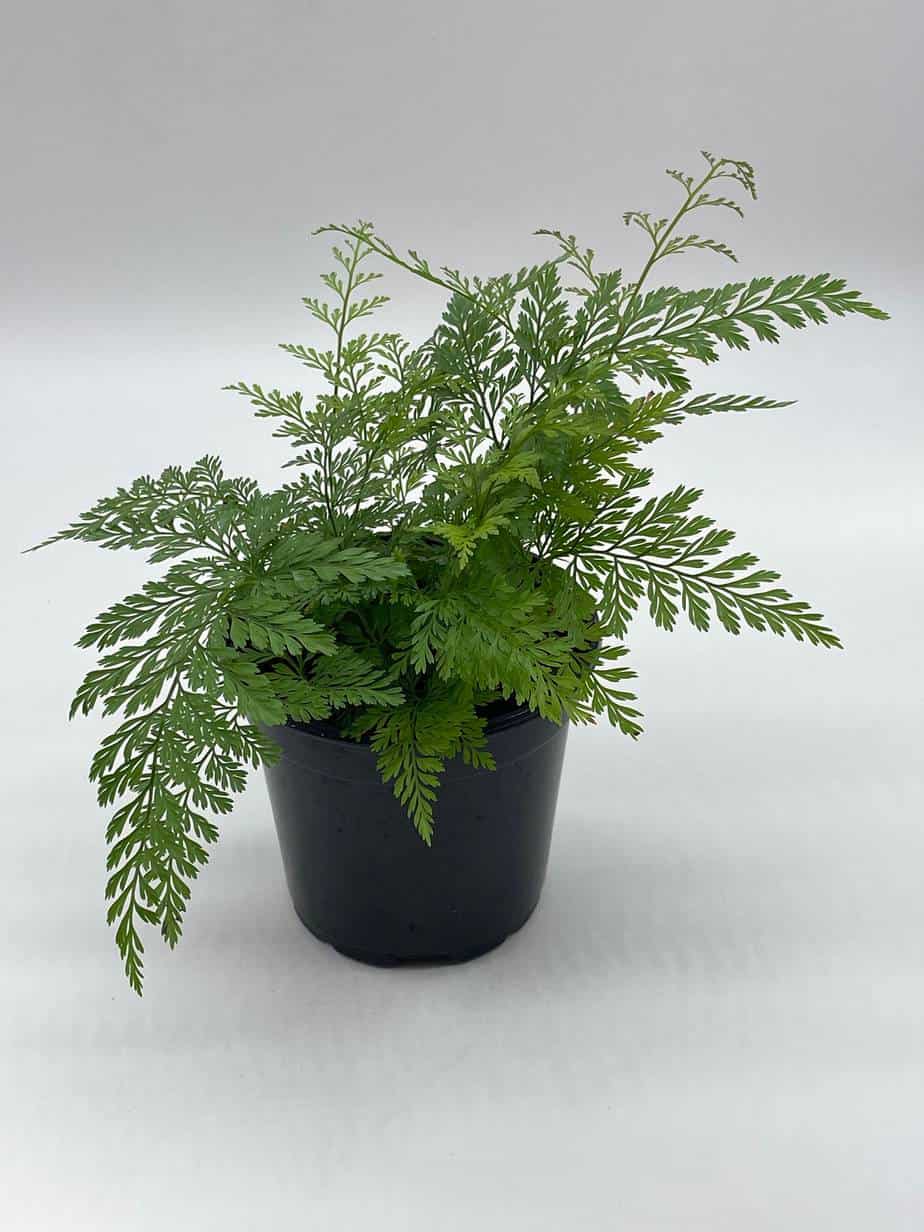
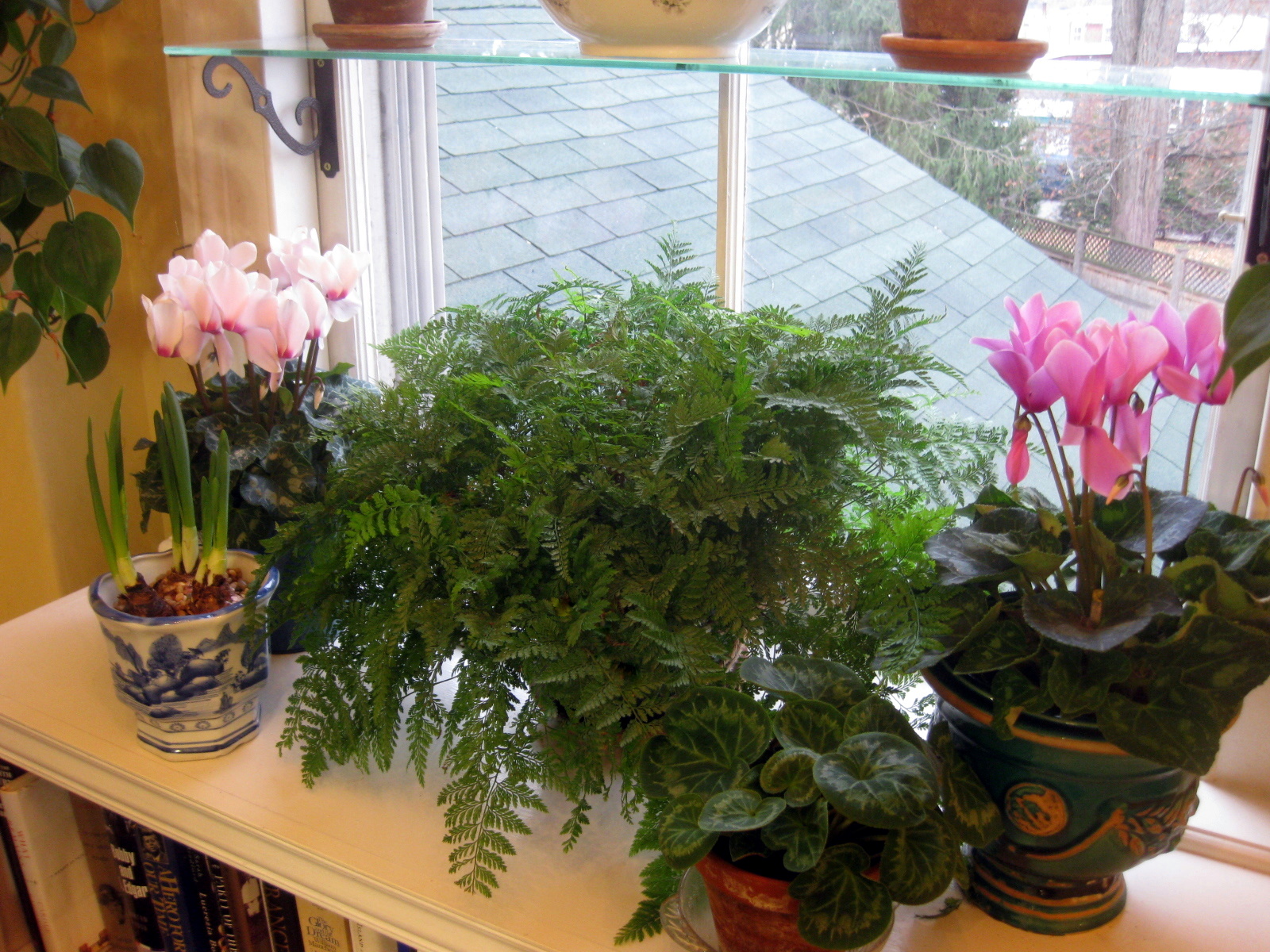
Besides its eye-catching rhizomes, the fern boasts delicate, feathery fronds that add a touch of elegance. It’s an epiphytic plant, meaning it naturally grows on other surfaces, which makes it adaptable to various planting conditions. Whether placed in a hanging basket or on a decorative stand, the Davallia Ball Fern can enhance the aesthetic of your space.
Common Names and Varieties
The Davallia Ball Fern goes by many names, reflecting its widespread appeal and distinctive features. Commonly referred to as the Rabbit’s Foot Fern, it’s also known as the Squirrel Foot Fern, Deer Foot Fern, and Hare Fern. Each name hints at the unique, foot-like appearance of its rhizomes.
Though there are several varieties within the Davallia genus, they all share similar care requirements and visual characteristics. This makes them easy to identify and grow, even for beginners. Understanding these common names can help you make informed choices when selecting plants for your home.
“Foot Fern- Davallia Trichomanoides …” from www.etsy.com and used with no modifications.
Appearance and Identification
Identifying the Davallia Ball Fern is straightforward due to its distinct features. Look for the furry rhizomes that resemble animal feet—these are the plant’s signature trait. The fronds are typically a vibrant green and have a soft, feathery texture that sways gently with any movement.
When purchasing a Davallia Ball Fern, ensure the plant appears healthy. Check for bright, unwilted fronds and rhizomes that are firmly attached to the soil or growing medium. Healthy ferns will have a lush, full appearance with no signs of browning or yellowing, which could indicate poor health or care issues. For more on plant care, explore Queen’s Spiderwort care tips to enhance your gardening skills.
Pet Safety and Toxicity Concerns
One of the most pressing concerns for pet owners is the safety of their beloved animals around houseplants. Fortunately, the Davallia Ball Fern is considered safe for both cats and dogs. Unlike some other ferns that contain harmful compounds, this plant poses no toxicity risk. For more information on pet-safe plants, you might find this ASPCA non-toxic guide helpful.
Besides that, the fern’s non-toxic nature doesn’t mean you should encourage your pets to chew on it. While the plant is safe, it’s always best to discourage any plant chewing to prevent potential digestive upset or damage to the plant itself.
“Davallia fejeensis: The Rabbits-foot …” from www.agardenforthehouse.com and used with no modifications.
Is the Davallia Ball Fern Safe for Cats and Dogs?
Absolutely! The Davallia Ball Fern is a pet-friendly plant, meaning you can enjoy its beauty without worrying about your pets’ health. The ASPCA has not listed this fern as a toxic plant, which provides additional assurance for cautious pet owners.
For households with pets, choosing non-toxic plants like the Davallia Ball Fern can significantly reduce the risk of accidental poisoning. It’s a responsible choice for anyone looking to create a safe and harmonious home environment.
Training Pets to Coexist with Ferns
“Training your pets to coexist with houseplants is essential for maintaining a healthy home environment. Start by placing plants in areas that are not easily accessible to your pets. Over time, use positive reinforcement to teach them to avoid the plants.” – Expert Plant Care Guide
Training your pets to live peacefully with houseplants involves a bit of strategy and patience. Begin by placing your Davallia Ball Fern in a location that’s not easily accessible to your pets. High shelves or hanging baskets can keep the plant out of reach while still allowing it to thrive.
Most importantly, use positive reinforcement techniques to train your pets. Reward them for ignoring the plant or staying away from it. Over time, they will learn to associate the plant with positive behavior, reducing the likelihood of them disturbing it.
Optimal Growing Conditions
To keep your Davallia Ball Fern healthy and vibrant, it’s crucial to provide the right growing conditions. This fern thrives in environments that mimic its natural habitat, which includes adequate light, moisture, and temperature. For more detailed guidance, check out this Rabbit’s Foot Fern Care Guide.
Understanding these requirements can make a significant difference in the health and longevity of your plant. Let’s delve into the specific needs of the Davallia Ball Fern to ensure it flourishes in your home. For a comparison with other indoor plants, you might find the Violet Slipper Gloxinia guide helpful.
Ideal Light and Temperature
The Davallia Ball Fern thrives in bright, indirect sunlight. Direct sunlight can scorch its delicate fronds, so it’s best to place the fern near a window that receives filtered light. If you notice the fronds turning brown or crispy, it might be getting too much direct sunlight. Adjusting its position slightly can help remedy this issue. For more information on plants and sunlight needs, check out our guide on sun vs. shade requirements.
Temperature is another critical factor. This fern prefers a warm environment, ideally between 60°F and 75°F. It can tolerate cooler temperatures, but anything below 50°F might cause stress. Avoid placing the fern near drafty windows or air conditioning vents, as sudden temperature changes can be harmful. For more insights on plant care, check out the Queen’s Spiderwort care guide.

“Davallia Tyermanii “Rabbit Foot Fern …” from bantam.earth and used with no modifications.
Soil and Potting Mix Needs
The right soil mix is essential for the health of your Davallia Ball Fern. A well-draining potting mix is crucial because it prevents water from pooling around the roots, which can lead to root rot. You can create an ideal mix by combining equal parts of peat moss, perlite, and pine bark. This combination ensures good aeration and moisture retention, mimicking the fern’s natural epiphytic environment.
Watering and Humidity Requirements
Keeping the soil consistently moist is vital for the Davallia Ball Fern, but be careful not to overwater. Allow the top inch of soil to dry out before watering again. This balance prevents the roots from becoming waterlogged while ensuring the plant gets the moisture it needs. For tips on planting and watering other plants, check out this guide.
Humidity is equally important. The fern thrives in a humid environment, so if your home is dry, consider using a humidifier or placing a tray of water near the plant. Grouping it with other plants can also increase the surrounding humidity. Misting the fronds occasionally can help, but avoid doing so excessively to prevent fungal issues. For more on plant care, you might find this article on Spiderwort care and planting insightful.
During the growing season, typically spring and summer, you might need to water more frequently. In the fall and winter, the plant’s growth slows, so reduce watering accordingly. Observing your plant’s response to watering will guide you in adjusting the frequency. For more tips on plant care, you can refer to our Scarborough Lily care guide.
Indoor vs Outdoor Cultivation
While the Davallia Ball Fern is primarily grown indoors, it can also be cultivated outdoors in the right conditions. Understanding the differences in care requirements for indoor versus outdoor cultivation is crucial for maintaining a healthy plant.
Benefits of Growing as a Houseplant
Growing the Davallia Ball Fern indoors offers several advantages. For one, it allows you to control the environment more easily, ensuring the plant receives the right amount of light, humidity, and temperature. Additionally, having the plant indoors protects it from pests and harsh weather conditions. If you’re interested in exploring other indoor plants, consider reading about Violet Slipper Gloxinia care.
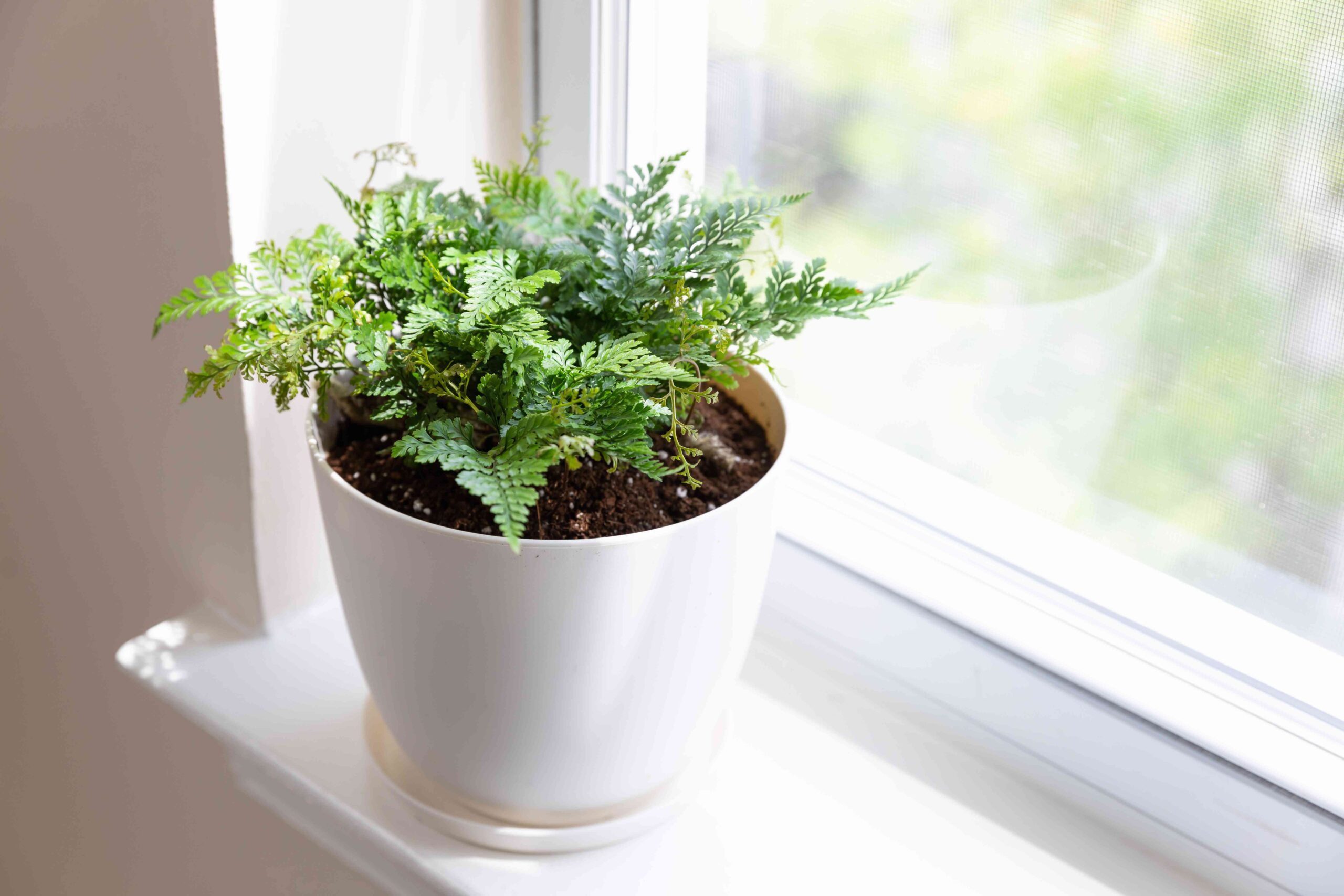
“How to Grow & Care for Rabbit’s Foot Fern” from www.thespruce.com and used with no modifications.
Considerations for Outdoor Planting
If you choose to grow your fern outdoors, ensure it is in a shaded area that mimics its natural habitat. The plant should be protected from direct sunlight and strong winds. Outdoor planting is ideal in regions with mild, humid climates that don’t experience extreme temperature fluctuations, similar to those where greenbrier thrives.
Container vs In-Ground Options
When deciding between container planting and in-ground options, consider the flexibility and control that containers offer. Containers allow you to move the plant to optimize light and temperature exposure. They also make it easier to control the soil composition and drainage. For those interested in learning more about plant care and growth, check out this guide on Queens Spiderwort care and planting.
In-ground planting might be suitable in climates that naturally support the fern’s needs. However, this option offers less control over environmental factors, so it’s essential to monitor the plant closely for signs of stress or pest infestations.
Ultimately, the choice between container and in-ground planting depends on your specific circumstances and the environmental conditions of your area. Regardless of the method, regular monitoring and adjustments will ensure your Davallia Ball Fern remains healthy and vibrant.
Beginner-Friendly Care Tips
Caring for the Davallia Ball Fern can be a rewarding experience, especially for beginners. Its low-maintenance nature and resilience make it an excellent choice for those new to plant care.
Easy Propagation Techniques
Propagating the Davallia Ball Fern is a straightforward process that even beginners can master. The most common method is division, which involves separating the rhizomes and planting them in separate containers. This method not only multiplies your plant collection but also promotes healthier growth.
To propagate, gently remove the plant from its pot and shake off excess soil. Identify healthy rhizomes and carefully separate them using a clean, sharp knife. Each section should have a few fronds and a portion of the rhizome. Plant the divisions in fresh potting mix, water them lightly, and place them in a warm, shaded area until they establish roots.
- Choose healthy rhizomes with multiple fronds.
- Use a clean, sharp knife to divide the rhizomes.
- Plant the divisions in fresh potting mix.
- Water lightly and place in a shaded area to root.
With patience and care, your new plants will soon thrive, providing you with even more lush greenery to enjoy.
Maintaining Healthy Growth
Keeping your Davallia Ball Fern in peak condition requires attention to its growing environment and consistent care. Regularly inspect the plant for signs of stress, such as browning fronds or drooping. These can indicate issues with light, water, or humidity. For more detailed tips on how to care for your fern, check out this Rabbit’s Foot Fern Care Guide.
Feeding your fern during the growing season can also promote healthy growth. Use a balanced, diluted fertilizer every month during spring and summer to provide the necessary nutrients. However, avoid over-fertilizing, as this can damage the plant. For more information on plant care, you might find this guide on Queens Spiderwort care helpful.
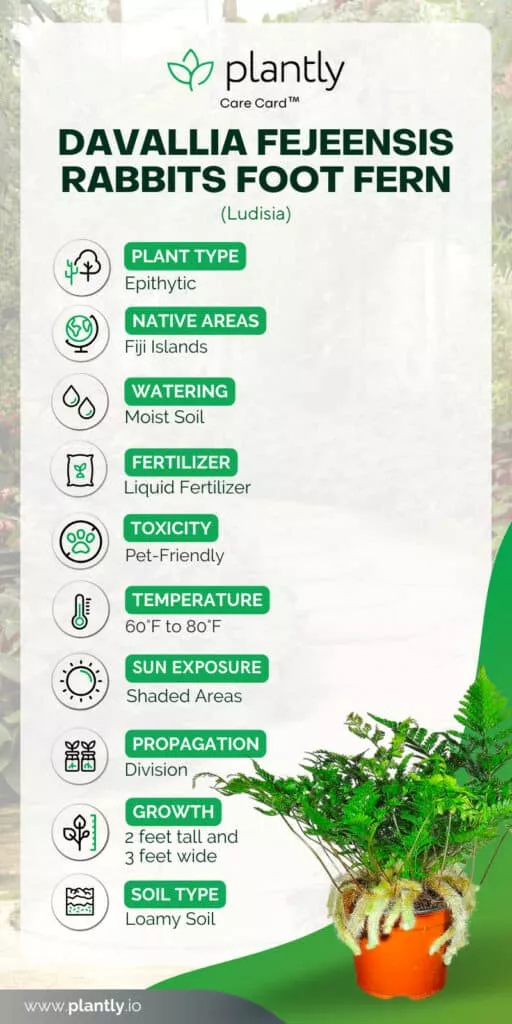
“Davallia Fejeensis “Rabbit’s Foot” Fern …” from plantly.io and used with no modifications.
Common Problems and Solutions
Like any plant, the Davallia Ball Fern can encounter common problems. One frequent issue is browning fronds, often caused by low humidity or excessive sunlight. Increasing humidity and adjusting the plant’s location can help resolve this.
Another problem is root rot, typically due to overwatering. To prevent this, ensure the pot has adequate drainage and that you allow the topsoil to dry out between waterings. If root rot does occur, removing affected roots and repotting the plant can save it.
Pest infestations, although rare, can affect the fern. Look out for signs of spider mites or aphids, which can be treated with insecticidal soap or neem oil.
- Brown fronds: Increase humidity and reduce direct sunlight exposure.
- Root rot: Ensure proper drainage and adjust watering frequency.
- Pests: Use insecticidal soap or neem oil for treatment.
By addressing these issues promptly, you can maintain the health and beauty of your Davallia Ball Fern.
Frequently Asked Questions (FAQ)
Many plant enthusiasts have questions about caring for the Davallia Ball Fern, especially when it comes to ensuring its health and compatibility with pets. For those curious about plant safety, you might find it helpful to explore the toxicity of various plants to cats and dogs. Here are some of the most common inquiries and their answers.
Understanding these aspects can help you provide the best care for your fern while keeping your home safe for pets.
How do I know if my fern is receiving too much sunlight?
If your fern is receiving too much sunlight, you’ll notice browning or crispy fronds. The plant may also appear wilted or stressed. To remedy this, move the fern to a location with filtered or indirect light, such as near a north or east-facing window.
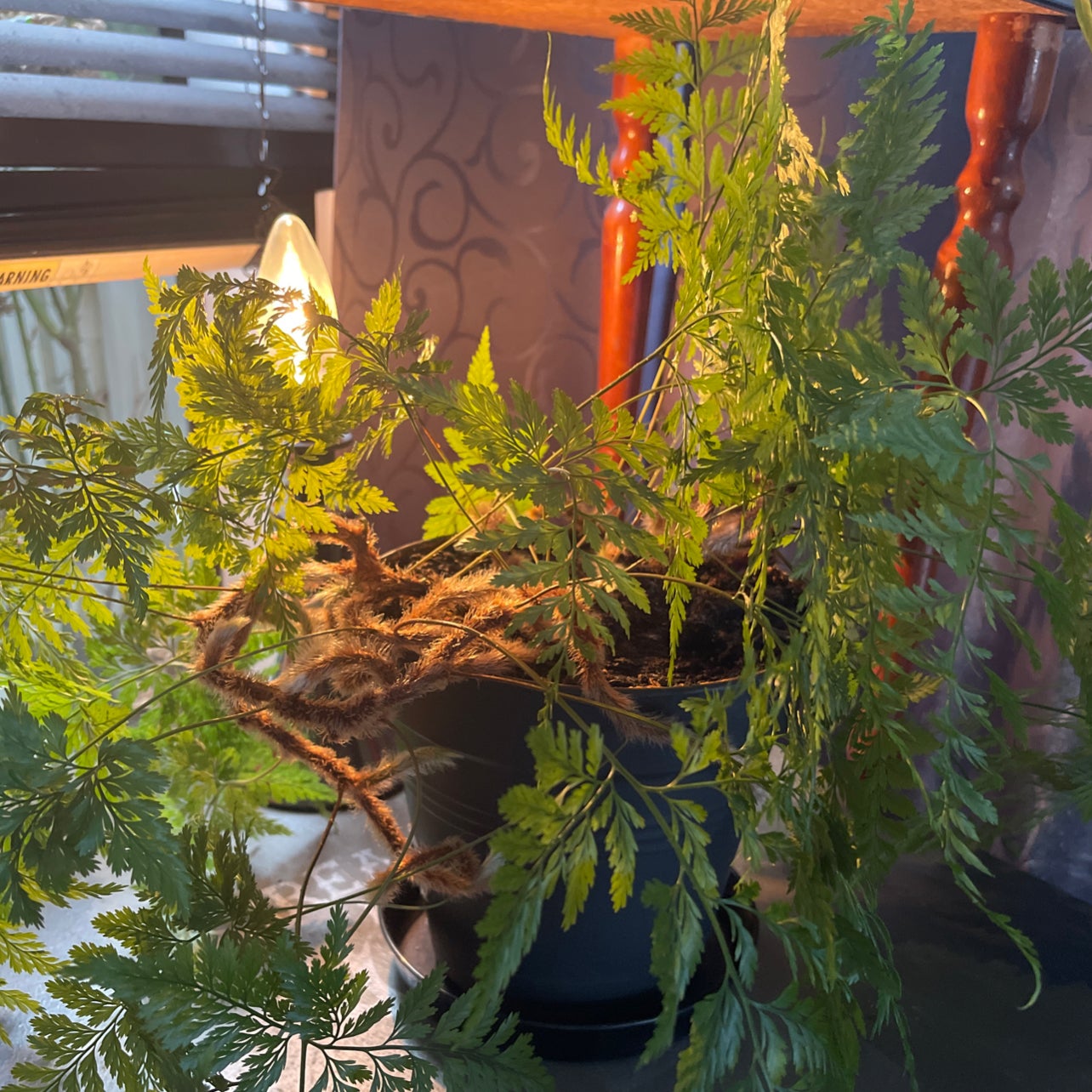
“What Are The Bugs on My Davallia Fern? 🐜” from greg.app and used with no modifications.
Can the fern survive in low-light conditions?
While the Davallia Ball Fern can tolerate low-light conditions, it thrives best in bright, indirect light. In low-light areas, the plant may grow more slowly and develop fewer fronds. Consider supplementing with artificial light if natural light is insufficient.
Ensure that any artificial light is not too harsh, as this can also cause damage. A balance between natural and artificial light often yields the best results.
What should I do if I notice browning on the leaves?
Browning leaves can result from several factors, including low humidity, excessive sunlight, or inadequate watering. First, check the humidity levels and increase them if necessary. Adjust the plant’s location to reduce direct sunlight exposure and ensure you’re watering it appropriately. For more detailed care instructions, consider reading this Rabbit’s Foot Fern Care Guide.
How often should I water my Davallia Ball Fern?
Watering frequency depends on the environment and season. During the growing season, water the fern once the top inch of soil feels dry. In the dormant winter months, reduce watering, allowing the soil to dry out a bit more between waterings.
Is it necessary to fertilize the fern regularly?
Yes, fertilizing during the growing season can promote healthy growth. Use a balanced, diluted fertilizer once a month during spring and summer. Avoid fertilizing in the fall and winter, as the plant’s growth slows during these times. For more information on plant care, you can explore Spiderwort care and planting tips.
By following these guidelines and addressing any issues promptly, you can enjoy a thriving Davallia Ball Fern that complements your home and keeps your pets safe.
The Davallia Ball Fern, commonly known as Rabbit’s Foot Fern, Squirrel Foot Fern, Deer Foot Fern, or Hare Fern, is a popular houseplant due to its unique appearance and ease of care. Many pet owners are concerned about whether this plant is safe for their furry friends. Fortunately, the Squirrel’s Foot Fern is not toxic to dogs, making it a pet-friendly option for homes with cats and dogs. This fern thrives both as a container plant and in-ground, making it versatile for various home settings. Its beginner-friendly nature makes it an excellent choice for those new to plant care.