
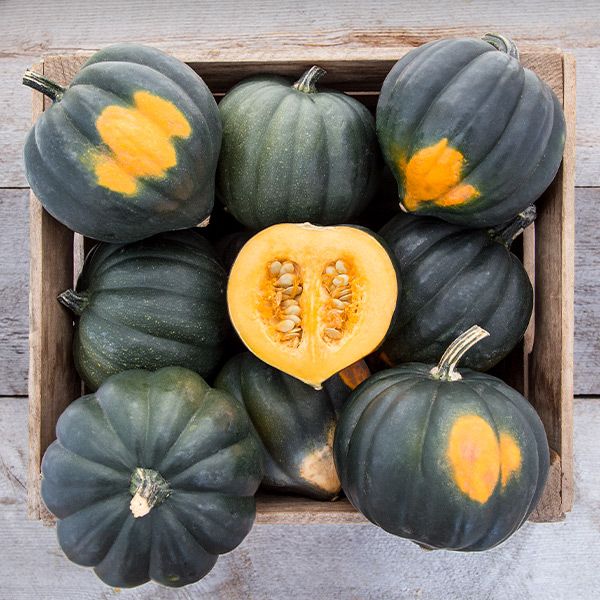
Key Takeaways
- Acorn squash, scientifically known as “Cucurbita pepo,” is safe for pets when cooked properly.
- Raw acorn squash can be difficult for pets to digest and may cause gastrointestinal issues.
- Cooking acorn squash enhances its nutritional benefits, making it a healthy treat for pets.
- Moderation is key; overfeeding can lead to digestive problems in pets.
- Acorn squash plants, including leaves and stalks, should be kept out of reach from pets in gardens.
Acorn Squash for Pets: Safe Eating and Health Benefits
When it comes to feeding your pets, it’s crucial to understand which foods are safe and beneficial. Acorn squash, or “Cucurbita pepo,” is one of those foods that, when prepared correctly, can offer significant health benefits to your furry friends. Let’s explore why this squash is a great addition to your pet’s diet and how to serve it safely.
Quick Facts About Acorn Squash
Acorn squash is a type of winter squash that is rich in nutrients and low in calories. It is a versatile vegetable that can be cooked in various ways, making it a popular choice for both human and pet consumption. Its sweet, nutty flavor is usually a hit among pets.
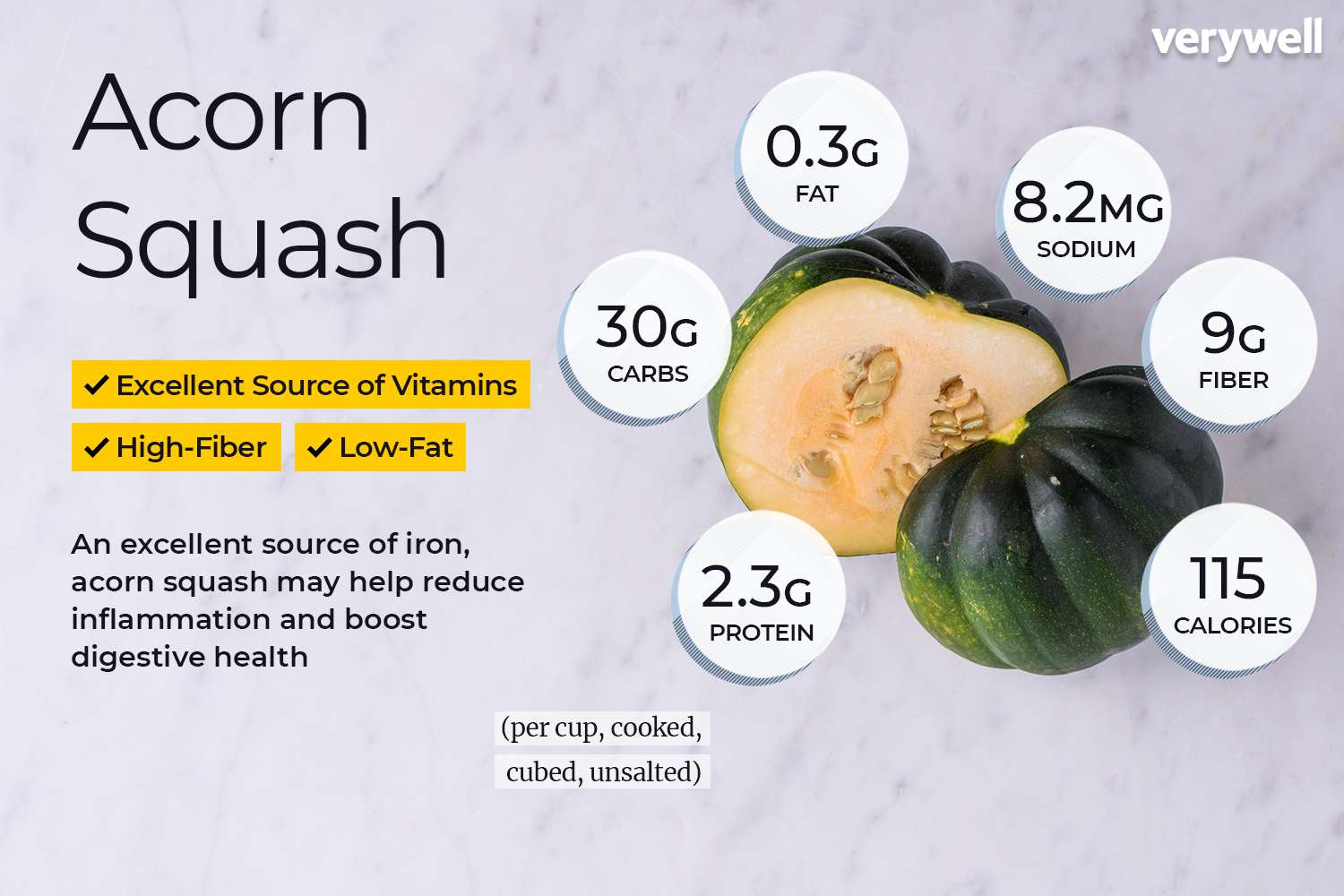
“Acorn Squash Nutrition Facts and Health …” from www.verywellfit.com and used with no modifications.
Nutritional Profile of Acorn Squash
This squash is packed with essential vitamins and minerals. It contains high levels of vitamin A, which is crucial for maintaining healthy eyesight in pets. Additionally, it offers a good amount of vitamin C, which can boost your pet’s immune system. Acorn squash is also a great source of dietary fiber, which aids in digestion.
Safe Ways for Pets and People to Eat Acorn Squash
While acorn squash can be a nutritious treat, it’s important to prepare it correctly to ensure safety for your pets. The key is to cook the squash, as raw acorn squash can be tough on your pet’s digestive system.
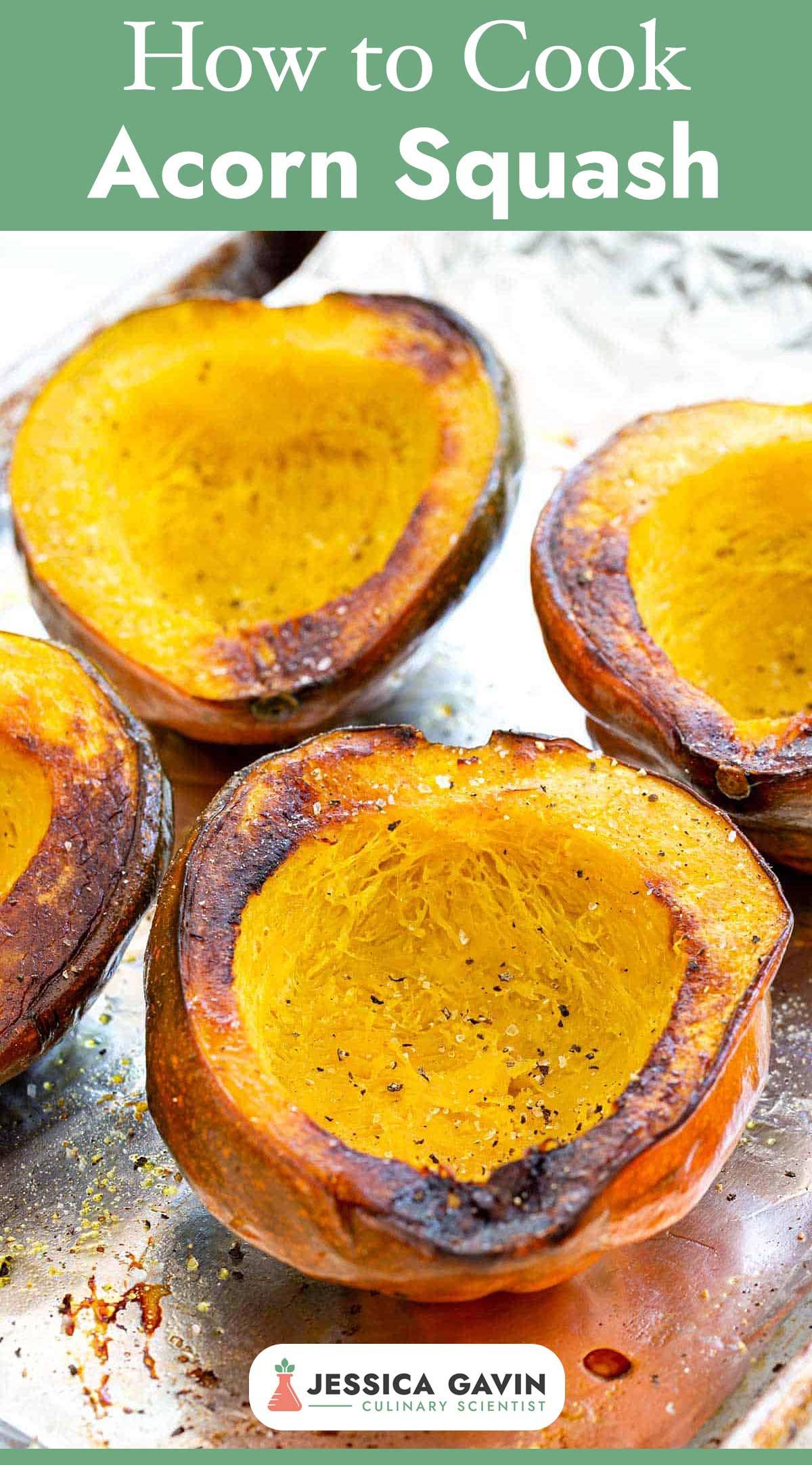
“How to Cook Acorn Squash – Jessica Gavin” from www.jessicagavin.com and used with no modifications.
Best Cooking Methods for Pets and Humans
To maximize the health benefits of acorn squash for your pets, consider the following cooking methods:
- Roasting: Roasting acorn squash enhances its natural sweetness, making it more palatable for pets.
- Steaming: This method preserves the squash’s nutrients while making it easier for pets to digest.
- Boiling: Although boiling is an option, it may cause some nutrient loss. However, it’s still a safe way to prepare squash for pets.
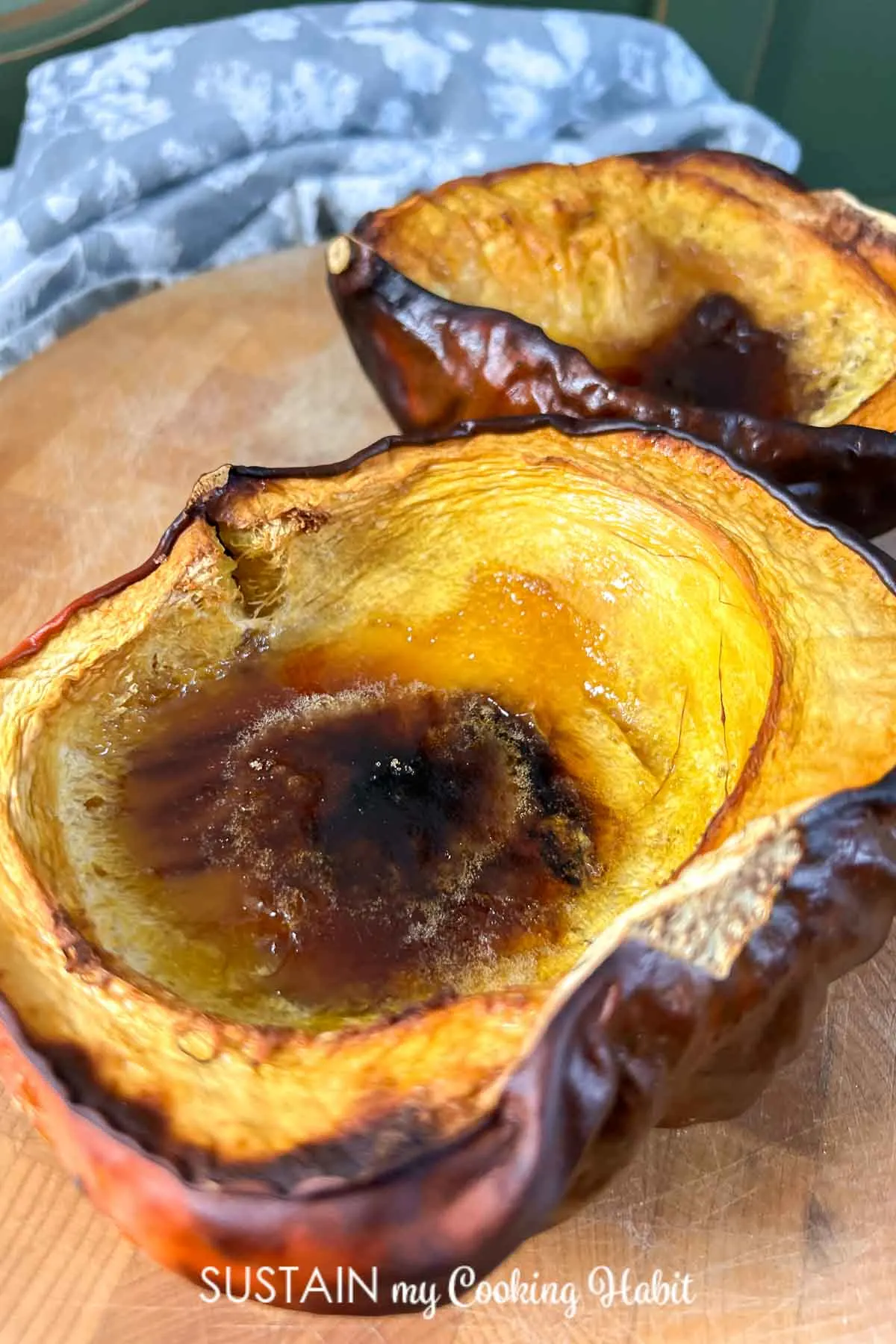
Example: If you decide to roast acorn squash, preheat your oven to 400°F, cut the squash into small pieces, and bake for 25-30 minutes until tender. Avoid adding any seasonings or oils that might be harmful to pets.
Importance of Cooking Over Raw Consumption
Cooking acorn squash is essential because raw squash can be difficult for pets to chew and digest. The cooking process breaks down tough fibers, making it easier on your pet’s stomach. Additionally, cooking enhances the bioavailability of the squash’s nutrients, ensuring your pet reaps the maximum benefits.
Most importantly, avoid feeding your pets raw squash to prevent any potential digestive issues. Always ensure the squash is soft and easy to chew before offering it to your pet. For more information on non-toxic plants for pets, check out this guide.
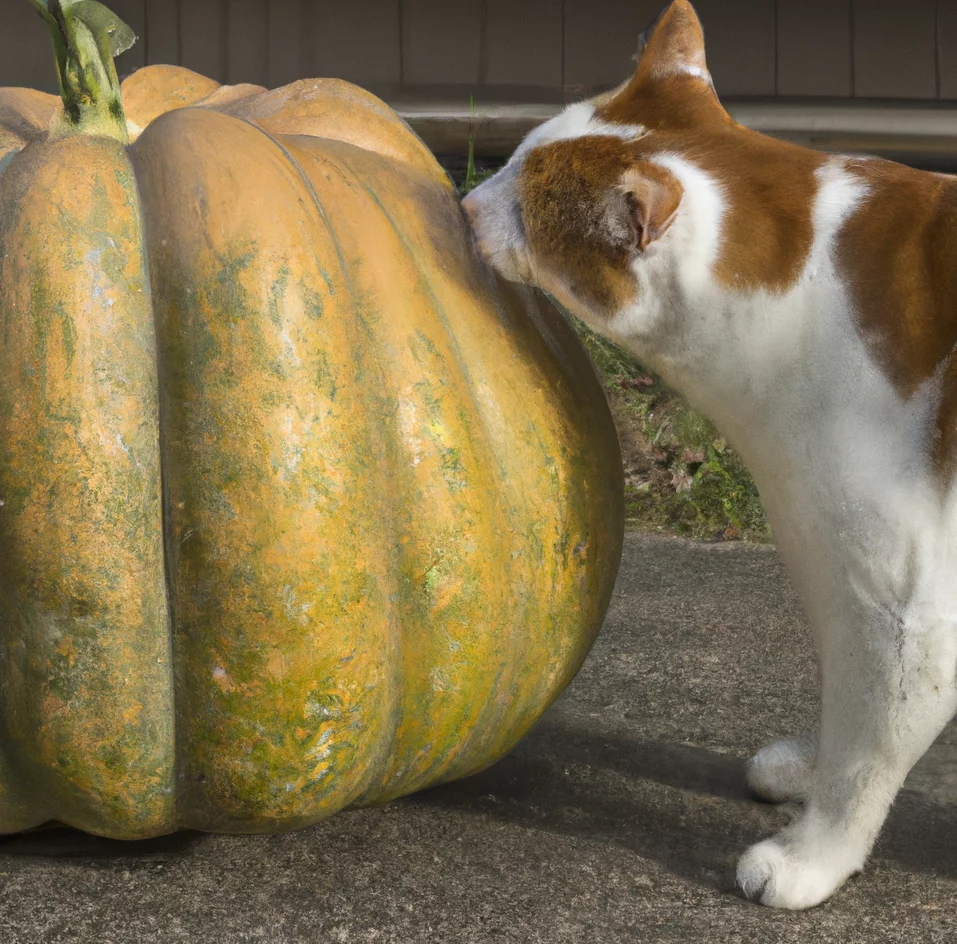
“Is Acorn Squash Toxic For Cats?” from plantsncats.com and used with no modifications.
Feeding Guidelines for Pets
When introducing acorn squash to your pet’s diet, start with small portions to gauge their reaction. Monitor your pet for any signs of allergies or digestive discomfort. If your pet enjoys the squash and shows no adverse reactions, you can gradually increase the portion size. However, moderation is crucial, as overfeeding can lead to gastrointestinal upset.
Here are some guidelines to follow when caring for pets around plants. For example, understanding the pet safety of scarlet salvia can help prevent any potential risks.
- Begin with a small piece, about the size of a quarter, for small pets.
- For larger pets, start with a piece about the size of a half-dollar.
- Gradually increase the portion size if no adverse reactions occur.
Remember, acorn squash should be a treat, not a staple of your pet’s diet. Keep it as an occasional addition to maintain a balanced diet.
Dietary Fiber and Digestive Health: Balancing Laxative vs Antidiarrheal Effect
Acorn squash is an excellent source of dietary fiber, which plays a crucial role in maintaining your pet’s digestive health. Fiber helps regulate bowel movements, preventing constipation and promoting a healthy gut. However, the effects of fiber can vary depending on the individual pet. Some pets might experience a laxative effect, while others might find relief from diarrhea.
It’s important to introduce fiber gradually into your pet’s diet to avoid sudden digestive changes. If your pet is prone to constipation, acorn squash can help soften stools and facilitate easier passage. On the other hand, if your pet suffers from diarrhea, the fiber in acorn squash can help firm up stools by absorbing excess water. For more insights on pet-safe plants, you might find this article on pet-safe perennial flowers interesting.
Vitamin A and C Benefits
Vitamin A is essential for your pet’s vision, immune system, and skin health. Acorn squash is rich in beta-carotene, a precursor to vitamin A, which is converted in the body as needed. This makes it a valuable addition to your pet’s diet, especially for older pets that may experience declining vision.
Vitamin C, another nutrient found in acorn squash, supports your pet’s immune system by acting as an antioxidant. It helps protect cells from damage caused by free radicals, reducing the risk of chronic diseases. Additionally, vitamin C plays a role in collagen production, supporting joint health and overall well-being.
Impact on Weight Management
Incorporating acorn squash into your pet’s diet can aid in weight management due to its low-calorie content and high fiber levels. Fiber promotes a feeling of fullness, reducing the likelihood of overeating. This can be particularly beneficial for pets that are prone to weight gain or are on a weight loss regimen.
By substituting high-calorie treats with acorn squash, you can help your pet maintain a healthy weight without sacrificing their satisfaction. Just remember to keep portion sizes in check to prevent overfeeding.
Potential Risks of Acorn Squash for Pets
While acorn squash offers numerous health benefits, there are potential risks to consider. Understanding these risks will help you make informed decisions about feeding acorn squash to your pet.
Example: A pet owner once fed their dog a large portion of raw acorn squash, thinking it would be a healthy treat. Unfortunately, the dog experienced severe gastrointestinal distress, including vomiting and diarrhea. This highlights the importance of cooking squash before offering it to pets.
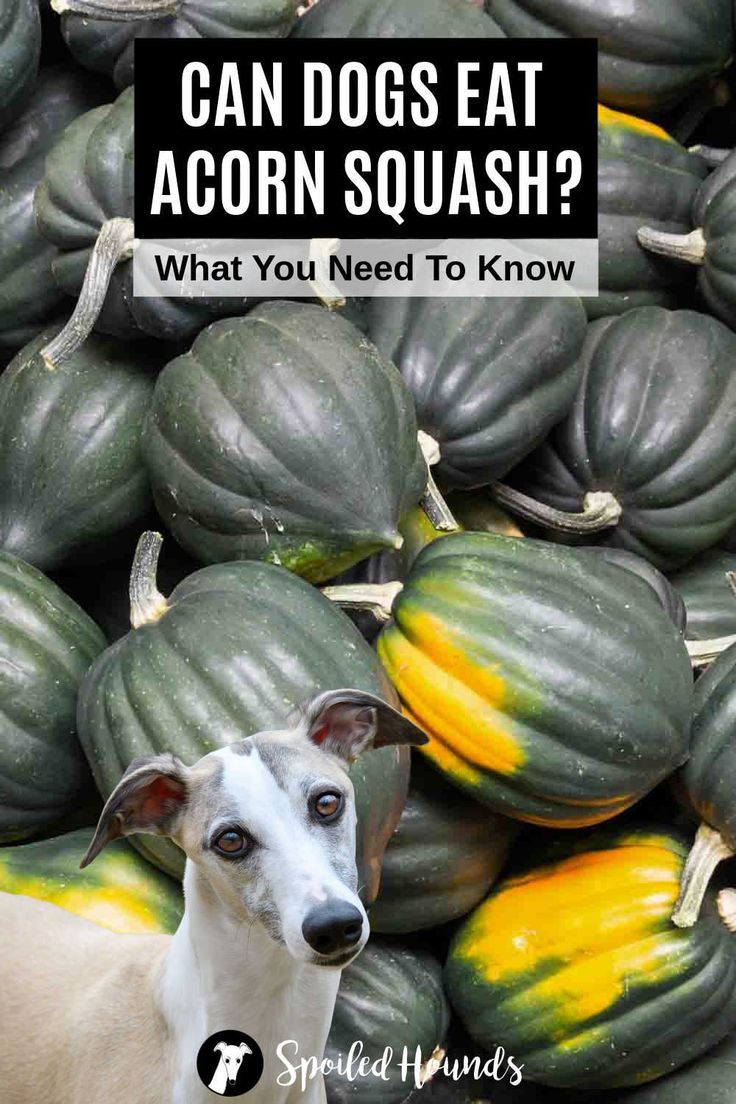
Always be mindful of how your pet reacts to new foods and adjust their diet accordingly. Consulting with a veterinarian can provide personalized guidance based on your pet’s specific needs. For more information on whether dogs can taste acorn squash, check out this informative guide.
“Can Dogs Eat Acorn Squash? What You …” from ar.pinterest.com and used with no modifications.
Raw vs. Cooked: Digestive Concerns
Feeding raw acorn squash to pets can lead to digestive issues. The tough fibers in raw squash are difficult for pets to break down, leading to potential blockages or discomfort. Cooking the squash softens these fibers, making it easier for pets to digest.
- Raw squash may cause vomiting or diarrhea in pets.
- Cooked squash is gentler on the stomach and promotes better nutrient absorption.
- Always opt for cooked squash to ensure your pet’s safety and comfort.
Most importantly, remember to avoid adding any seasonings or oils that could be harmful to your pet. Plain, cooked squash is the best choice.
Portion Control and Overconsumption
While acorn squash is healthy, overconsumption can lead to digestive upset. It’s essential to practice portion control to prevent any adverse effects.
- Start with small portions and gradually increase if tolerated well.
- Monitor your pet for any signs of discomfort or allergic reactions.
- Limit squash to an occasional treat rather than a daily staple.
By keeping portions in check, you can ensure that your pet enjoys the benefits of acorn squash without any negative side effects.
Signs of Allergies in Pets
Although rare, some pets may develop allergies to acorn squash. Signs of an allergic reaction include itching, swelling, vomiting, or diarrhea. If you notice any of these symptoms after feeding your pet squash, discontinue use and consult your veterinarian.
Garden Safety: Acorn Squash Plants Around Pets
For pet owners who grow acorn squash in their gardens, it’s essential to consider the safety of the plants around curious pets. While the squash itself is safe when cooked, other parts of the plant can pose risks. If you’re interested in learning more about pet safety around garden plants, this guide provides valuable insights.
Are Leaves and Stalks Safe?
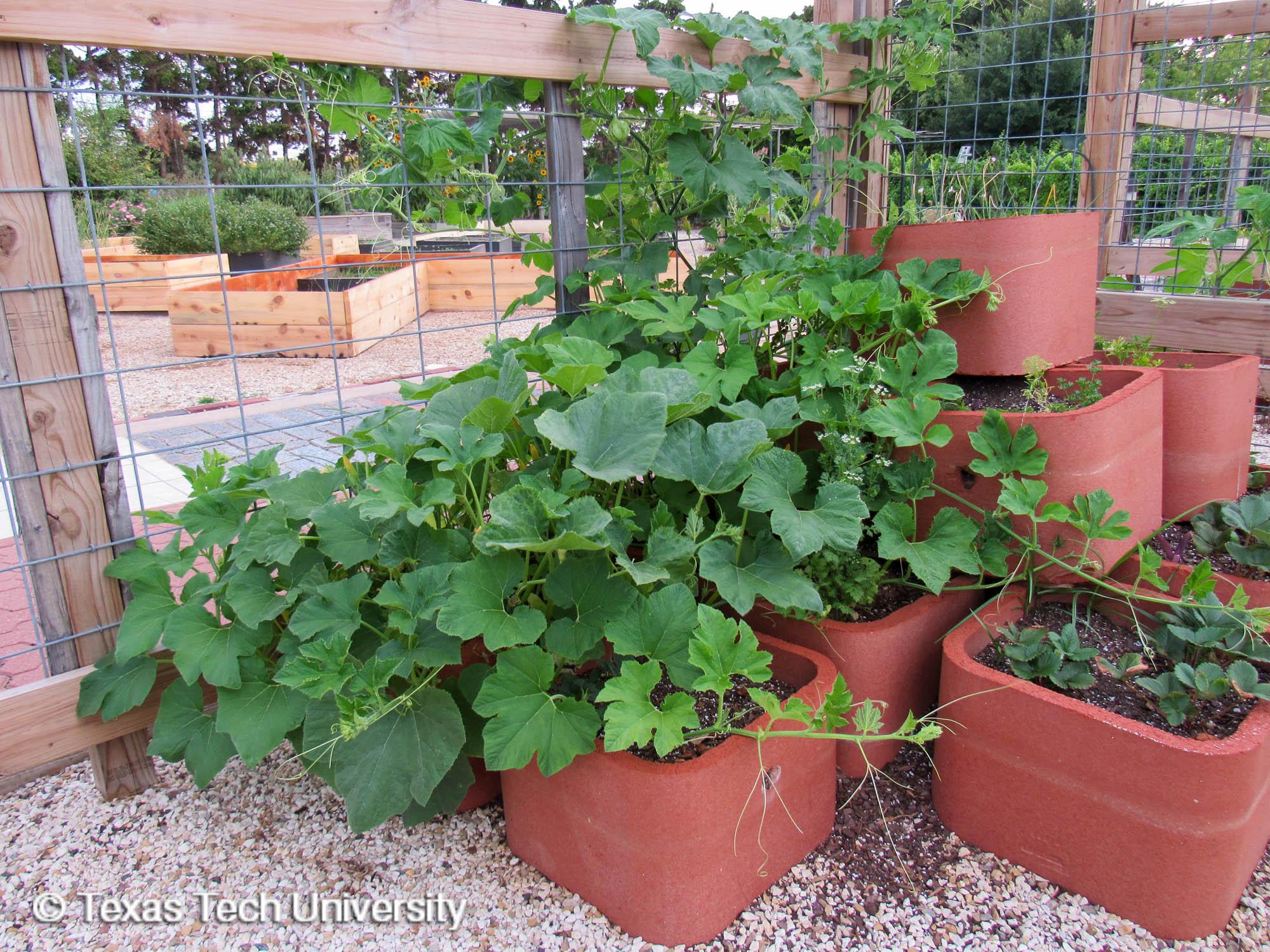
The leaves and stalks of acorn squash plants are not recommended for pet consumption. They can be tough and fibrous, posing a choking hazard or causing digestive blockages. Additionally, some pets may find the taste unappealing, which could deter them from consuming the plant. Therefore, it’s best to prevent pets from accessing these parts of the plant to ensure their safety.
“Acorn Squash | Edible Plant Finder …” from www.depts.ttu.edu and used with no modifications.
Preventing Pet Exposure in Gardens
For those who cultivate acorn squash at home, it’s essential to ensure your garden is a safe space for your pets. Pets are naturally curious, and their explorations can lead them to munch on plants that might not be safe for them. Therefore, taking precautions is key.
Start by fencing off your garden area or using barriers to prevent pets from wandering into the squash patch. Additionally, you can use pet-safe deterrents, like certain scents or textures, to discourage them from getting too close to the plants. Regular supervision when pets are outside can also prevent any accidental munching on garden plants.
Training Pets to Avoid Garden Plants
Training your pets to avoid garden plants is a proactive step to ensure their safety. Begin by teaching basic commands such as “leave it” or “stay” to keep them away from the garden. Reinforce these commands with positive rewards whenever they obey.
Besides that, you can introduce them to the garden on a leash and guide them away from the plants, rewarding them for ignoring the vegetation. Over time, this consistent training can help them understand that the garden is off-limits.
It’s also beneficial to provide alternative entertainment or toys in the garden area. This distracts them from the plants and focuses their attention on safe play items. Remember, patience and consistency are key in training your pets to avoid garden plants.
Example: A pet owner successfully trained their dog to avoid the garden by using a clicker and treats. Each time the dog approached the garden and then turned away on command, the owner clicked and rewarded the dog with a treat. Over time, the dog learned to stay clear of the garden area.
Conclusion: Balancing Benefits and Risks
Incorporating acorn squash into your pet’s diet can be a healthy and enjoyable addition when done correctly. By ensuring the squash is cooked, monitoring portion sizes, and watching for any signs of allergies, you can provide your pet with a nutritious treat that supports their overall health. However, always be cautious with raw squash and garden plants to prevent any potential risks. When in doubt, consulting with a veterinarian can offer peace of mind and tailored advice for your pet’s dietary needs.
Frequently Asked Questions
To help you better understand how to safely incorporate acorn squash into your pet’s diet, here are some common questions and answers.
Can dogs eat acorn squash every day?
While acorn squash is nutritious, it should not be a daily staple in your dog’s diet. Offering it as an occasional treat is best to avoid any potential digestive issues. Always ensure it’s cooked and served in moderation. For more information, you can explore whether dogs can taste acorn squash.
Is there a specific way to prepare acorn squash for cats?
Yes, for cats, acorn squash should be cooked until soft and cut into small, manageable pieces. Avoid adding any seasonings or oils. Serving it plain ensures that it remains safe and easy for your cat to digest.
“Baked and Mashed Acorn Squash Recipe …” from sustainmycookinghabit.com and used with no modifications.
Are there any signs of squash allergies in pets?
Allergic reactions to acorn squash can manifest as itching, swelling, vomiting, or diarrhea. If you observe any of these symptoms after feeding your pet squash, discontinue use and consult a veterinarian for further advice. For more information on pet safety and plant toxicity, you can explore periwinkle pet safety and other related topics.
Can acorn squash help with my pet’s weight management?
Yes, acorn squash can be beneficial for weight management due to its low-calorie content and high fiber levels. It promotes a feeling of fullness, which can help reduce overeating. However, it should be part of a balanced diet alongside regular exercise. If you’re interested in exploring other pet-safe plants, check out our guide on non-toxic pansy orchids.
When using squash as a weight management tool, always consult with your veterinarian to create a comprehensive plan tailored to your pet’s needs. For more information on whether acorn squash is safe for cats, you can refer to this detailed guide.
Are all parts of the acorn squash plant safe for my pet rabbit?
Not all parts of the acorn squash plant are safe for rabbits. While cooked squash can be a healthy treat, the leaves and stalks should be avoided due to their fibrous nature, which can be difficult for rabbits to digest. Always stick to the cooked flesh of the squash and introduce it slowly into their diet. For more information on safe plants, check out this guide on identifying pet-safe plants.