
Key Takeaways
- The Sword Fern (Polystichum munitum) is non-toxic to both cats and dogs, making it a safe choice for pet-friendly homes.
- Giant Sword Ferns (Nephrolepis biserrata) are also non-toxic, but their larger size requires more space and care.
- Sword Ferns thrive in bright, indirect sunlight and require consistent moisture to stay healthy.
- Indoor care involves maintaining humidity and preventing overwatering, while outdoor care focuses on shade and well-drained soil.
- To revive a struggling Sword Fern, ensure proper watering, adjust lighting conditions, and consider re-potting if necessary.
Is the Sword Fern Safe for Pets?
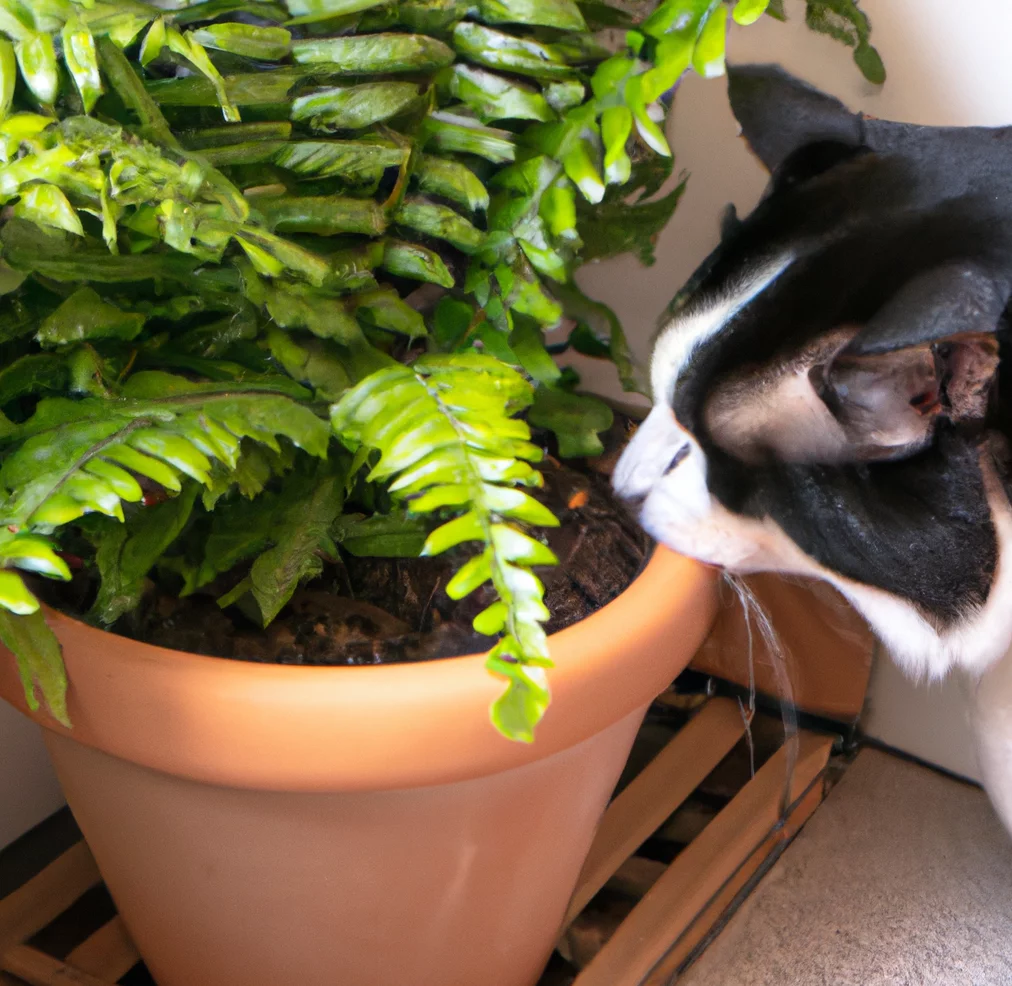
When you have pets, choosing the right plants for your home is crucial. The Sword Fern, known scientifically as Polystichum munitum, is a popular choice among pet owners because it is non-toxic to cats and dogs. According to the ASPCA, both the regular Sword Fern and its larger cousin, the Giant Sword Fern, pose no threat to your furry friends. Therefore, you can enjoy the lush greenery of these ferns without worrying about accidental poisoning.

“Are Ferns Poisonous to Dogs? | The Dog …” from www.rover.com and used with no modifications.
Polystichum munitum vs Giant Sword Fern
While both the regular Sword Fern and the Giant Sword Fern are safe for pets, there are some differences between them that you should consider. The regular Sword Fern, or Polystichum munitum, is more compact, making it ideal for smaller spaces. On the other hand, the Giant Sword Fern, known as Nephrolepis biserrata, is larger and requires more space to spread out. It is important to choose the right fern based on the space you have available and the look you want to achieve.
ASPCA’s View on Sword Fern Safety
The American Society for the Prevention of Cruelty to Animals (ASPCA) is a trusted source for information on pet safety. They have classified both the regular Sword Fern and the Giant Sword Fern as non-toxic to cats and dogs. This means you can confidently add these plants to your home without worrying about your pets’ health. However, it’s always a good idea to monitor your pets to ensure they aren’t chewing on the plants out of boredom or curiosity.
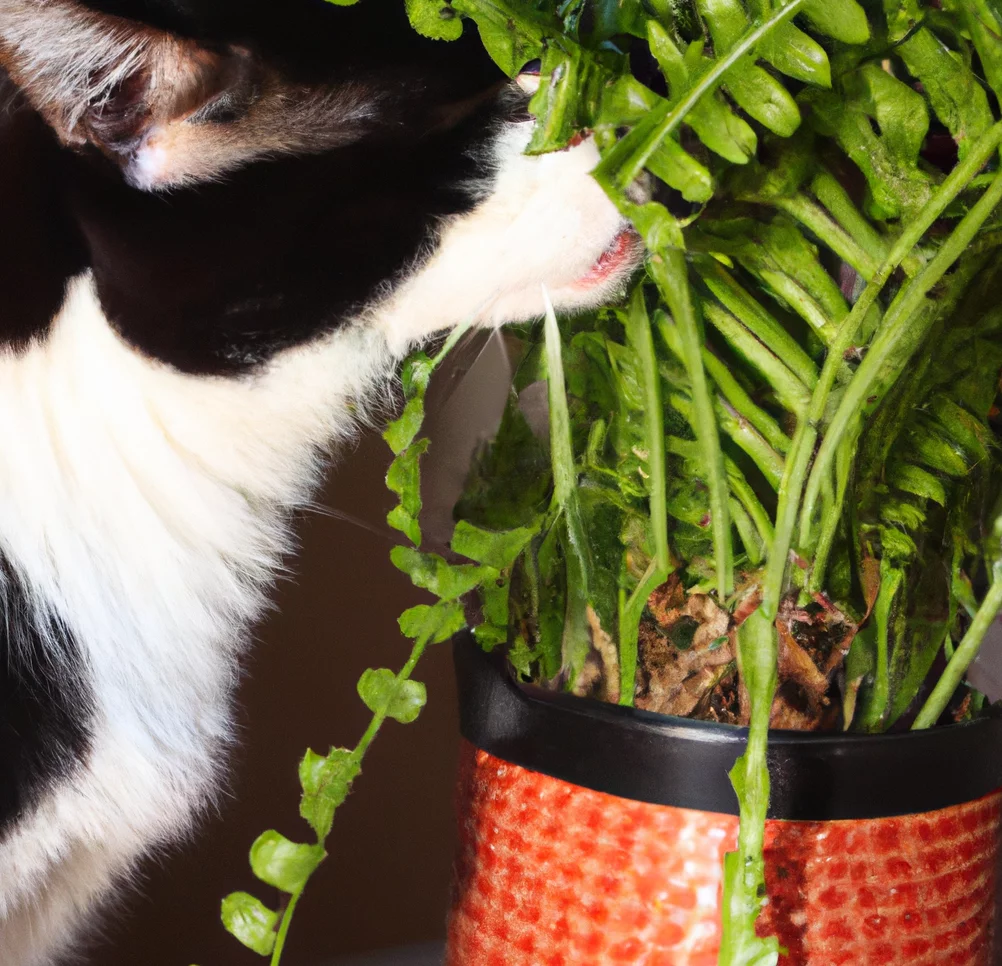
“Are Bold Sword Ferns Toxic For Cats?” from plantsncats.com and used with no modifications.
Optimal Growing Conditions for Sword Ferns
To keep your Sword Fern healthy and thriving, it’s essential to provide the right growing conditions. These ferns are native to forested areas, so they prefer environments that mimic their natural habitat. Let’s delve into the specific needs of Sword Ferns to ensure they flourish in your care.
Sunlight: Sun vs Shade
Sword Ferns thrive in bright, indirect sunlight. They naturally grow under the canopy of trees, where they receive filtered light. Direct sunlight can scorch their delicate fronds, so it’s important to place them in a spot where they receive plenty of light without being exposed to harsh rays. If you’re growing them indoors, a spot near an east or north-facing window is ideal. Outdoors, they do well in shaded or partially shaded areas.

“Western Sword Ferns: Growing and Plant …” from www.gardenista.com and used with no modifications.
Watering and Humidity Needs
Watering is a critical aspect of Sword Fern care. These plants like their soil consistently moist, but not soggy. Overwatering can lead to root rot, while underwatering will cause the fronds to dry out and brown. To find the right balance, check the soil regularly and water when the top inch feels dry. Besides that, Sword Ferns appreciate high humidity levels. If you’re growing them indoors, consider using a humidifier or placing a tray of water near the plant to increase the humidity.
Temperature and Seasonal Growth
Sword Ferns prefer moderate temperatures and can tolerate a range of conditions. Ideally, they thrive in temperatures between 60-75°F (15-24°C). In colder climates, it’s important to protect them from frost and extreme temperature fluctuations. During the growing season, which typically spans spring and summer, you may notice faster growth and vibrant green fronds. In the fall and winter, growth may slow down, and the plant may enter a dormant phase. Adjust your care routine accordingly to accommodate these seasonal changes.
Indoor Care Tips
When caring for Sword Ferns indoors, it’s important to create an environment that mimics their natural habitat. Place your fern in a spot where it can receive bright, indirect light. A north or east-facing window is ideal. Keep the soil consistently moist by watering when the top inch feels dry. To maintain humidity, mist the fern regularly or place a humidifier nearby. Avoid placing the fern near heating vents or drafty windows, as these can dry out the plant.
Outdoor Care Tips
Outdoor Sword Ferns thrive in shaded or partially shaded areas. Plant them in well-draining soil to prevent root rot. If your garden soil is heavy clay, consider amending it with organic matter to improve drainage. Mulching around the base of the plant helps retain moisture and keeps the roots cool. Water your outdoor ferns regularly, especially during dry spells, to keep the soil evenly moist.
During the growing season, you can apply a balanced, slow-release fertilizer to encourage lush growth. Be cautious not to over-fertilize, as this can lead to weak, spindly fronds. For more information about the plant, check out the Polystichum munitum page.
Balancing Moisture and Light
Striking the right balance between moisture and light is key to healthy Sword Ferns. Too much direct sunlight can scorch the fronds, while insufficient light can cause the plant to become leggy. If you notice the fronds turning brown or crispy, it may be a sign of too much sun or not enough water. Adjust the plant’s location or watering schedule accordingly.
Here’s a quick reference table to help you balance these factors, and for more insights on pet-friendly spaces, explore our guide on dog-friendly wineries in Temecula.
|
Condition |
Solution |
|---|---|
|
Brown, crispy fronds |
Reduce direct sunlight, increase humidity |
|
Leggy growth |
Increase light exposure, consider supplemental lighting |
|
Yellowing leaves |
Check for overwatering, ensure proper drainage |
Regularly inspecting your plant and adjusting care based on its needs will help keep your Sword Fern looking its best.
Maintaining and Propagating Sword Ferns
Maintaining a healthy Sword Fern involves regular care and attention to its growing conditions. By understanding how to propagate these plants, you can also expand your collection or share them with friends. Let’s explore some tips for maintaining and propagating Sword Ferns. Additionally, you might be interested in exploring the benefits of animal-assisted therapy as a unique way to enhance your well-being.
Propagation is typically done through division, which involves splitting the plant into smaller sections. This not only helps control the size of your fern but also rejuvenates older plants by promoting new growth.
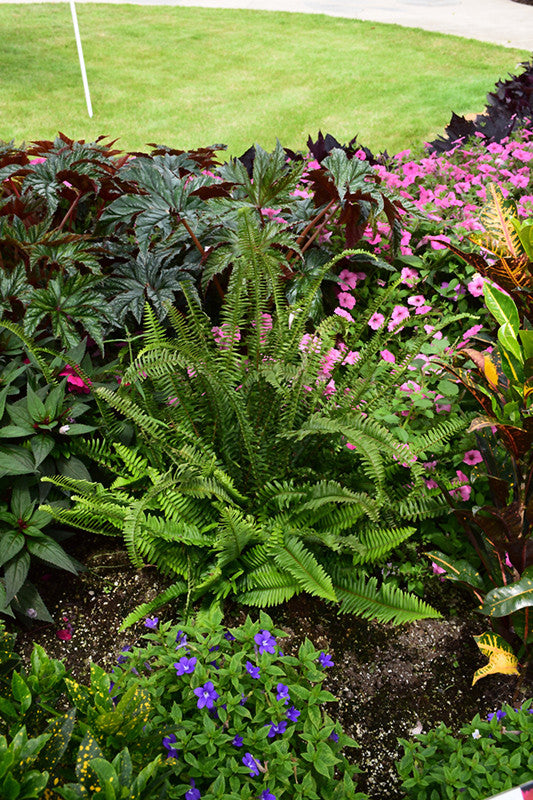
“Kimberly Queen Australian Sword Fern …” from shop.pikenursery.com and used with no modifications.
Controlling Sword Fern Spread
Sword Ferns can spread rapidly if not kept in check, especially when grown outdoors. To prevent them from overtaking your garden, consider planting them in containers or using physical barriers in the soil. Regular pruning is also effective in controlling their spread. For more gardening tips, check out our guide on invasive plant management.
Here’s a practical example: If you have a Sword Fern in a garden bed, install edging around the planting area to keep the roots contained. Regularly check for new growth outside the designated area and remove it promptly.
“Installing edging around your Sword Ferns can prevent unwanted spreading and keep your garden neat.”
By taking these measures, you can enjoy the beauty of Sword Ferns without worrying about them overwhelming your space.
How to Properly Split Sword Ferns
Splitting Sword Ferns is a straightforward process that can be done in early spring. Start by carefully removing the fern from its pot or garden bed. Gently shake off excess soil to expose the roots. Using a sharp knife or spade, divide the root ball into smaller sections, ensuring each has healthy fronds and roots. Replant the divisions in fresh soil, water thoroughly, and place them in a suitable location. If you’re looking to create a pet-safe garden, consider the placement and surroundings of your ferns.
Tips for Healthy Growth and Reviving Struggling Ferns
If your Sword Fern is struggling, there are several steps you can take to revive it. Start by assessing the plant’s environment and care routine. Adjust the light, water, and humidity levels as needed. If the plant is root-bound, consider re-potting it into a larger container with fresh soil.
- Check for pests or diseases and treat them promptly.
- Trim away dead or damaged fronds to encourage new growth.
- Provide a balanced fertilizer during the growing season to boost nutrients.
By following these tips, you can help your Sword Fern recover and thrive.
Seasonal Changes and Sword Fern Challenges
Understanding how Sword Ferns respond to seasonal changes is crucial for their care. During the colder months, these plants may face challenges that require specific attention.
Let’s explore how to care for Sword Ferns as the seasons change and address common challenges they may encounter.
Winter Care: Do Sword Ferns Die?
- In mild climates, Sword Ferns may remain evergreen throughout the winter.
- In colder regions, they may go dormant, with fronds dying back until spring.
- Protect outdoor ferns from frost by covering them with mulch or a frost cloth.
Understanding these seasonal behaviors can help you adjust your care routine and ensure your Sword Ferns survive the winter months.
By providing the right conditions and protection, you can enjoy the lush beauty of Sword Ferns year-round.

“Caring for Ferns Before Winter Storage …” from www.themarthablog.com and used with no modifications.
Strategies to Protect Ferns in Cold Weather
When winter approaches, ensuring your Sword Ferns are protected from harsh conditions is crucial. In regions with mild winters, ferns may continue to thrive with minimal intervention. However, in areas prone to frost, taking preventative measures can make all the difference.
One effective strategy is to cover your outdoor Sword Ferns with a layer of mulch or a frost cloth. This insulation helps retain soil warmth and shields the plant from freezing temperatures. If your fern is potted, consider bringing it indoors or placing it in a sheltered area, like a garage or greenhouse, during particularly cold spells. For those interested in creating a pet-friendly garden, you might want to explore pet-safe garden options.
Regularly monitor the weather forecast and be proactive in protecting your plants. Remember, it’s easier to prevent cold damage than to repair it after the fact.
Recognizing and Preventing Common Problems
Sword Ferns, like all plants, can encounter issues that affect their health. Recognizing these problems early and addressing them promptly can prevent more severe damage.
Common issues include browning fronds, which may indicate under-watering or exposure to too much sunlight. If you notice yellowing leaves, it could be a sign of overwatering or poor drainage. Adjust your care routine accordingly to resolve these issues.
Pests such as spider mites and scale can also affect Sword Ferns. Regularly inspect your plants for signs of infestation, such as webbing or sticky residue, and treat them with insecticidal soap or neem oil if necessary.
Frequently Asked Questions
To help you better care for your Sword Ferns, here are answers to some common questions. For pet owners, understanding service dog documentation can be essential when planning your garden space.
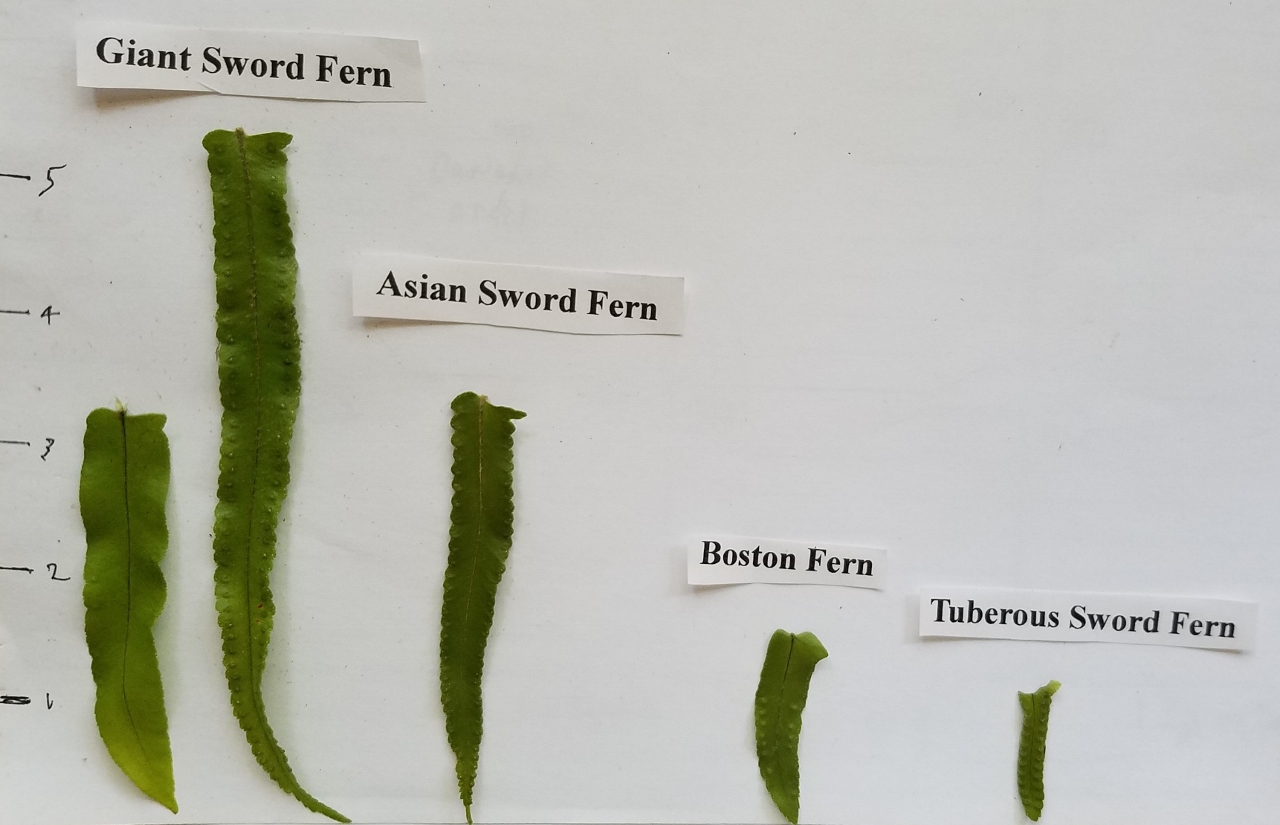
“Giant-Asian-Boston and Tuberous Sword Ferns” from www.meadowbeautynursery.com and used with no modifications.
Are both sword fern (Nephrolepis exaltata) and giant sword (Nephrolepis biserrata) fern safe to have around dogs, cats, rabbits & birds?
Yes, both the Sword Fern and the Giant Sword Fern are considered non-toxic to dogs, cats, rabbits, and birds. This makes them a safe choice for homes with pets, allowing you to enjoy their beauty without worrying about your furry or feathered friends.
According to the ASPCA, these ferns pose no known threat to common household pets, which adds to their appeal as pet-friendly plants.
How often should I water my sword fern?
Sword Ferns prefer consistently moist soil, so it’s important to water them regularly. Check the top inch of soil, and if it feels dry, it’s time to water. Avoid letting the soil become soggy, as this can lead to root rot. Adjust your watering frequency based on the plant’s environment and the season.
Can sword ferns be kept in direct sunlight?
Sword Ferns do not thrive in direct sunlight. They prefer bright, indirect light, which mimics the dappled sunlight they receive in their natural forest habitat. Direct sunlight can scorch their fronds, so it’s best to place them in a location where they receive filtered light.
If you’re growing Sword Ferns indoors, an east or north-facing window is ideal. Outdoors, they do well in shaded or partially shaded areas.
What are signs that my sword fern is unhealthy?
Unhealthy Sword Ferns may exhibit several signs, including browning or yellowing fronds, leggy growth, or stunted development. Browning fronds can indicate under-watering or too much sun, while yellowing leaves may suggest overwatering or poor drainage.
Leggy growth often results from insufficient light, so consider moving the plant to a brighter location. Addressing these issues promptly can help your fern recover and thrive.
How can I protect my sword fern from pests?
To protect your Sword Fern from pests, regularly inspect the plant for signs of infestation, such as webbing, sticky residue, or discolored leaves. Common pests include spider mites, scale, and mealybugs.
If you notice any of these signs, treat the plant with insecticidal soap or neem oil. Ensure proper air circulation around the plant and avoid overcrowding to minimize pest problems. Keeping your fern healthy through proper care also makes it less susceptible to pest infestations.