
Key Takeaways
- Shrimp cactus, also known as Christmas cactus, is safe for cats and dogs.
- To identify a shrimp cactus, look for its segmented stems and bright, tubular flowers.
- Proper care includes indirect sunlight, well-draining soil, and moderate watering.
- Comparatively, shrimp cactus blooms later than Thanksgiving cactus.
- Reviving a struggling shrimp cactus involves adjusting light, water, and soil conditions.
Identifying Shrimp Cactus and Understanding Its Origins
When it comes to identifying the shrimp cactus, the first thing you notice is its unique segmented stems. These stems are flat and have a smooth, green appearance, which sets them apart from other types of cacti. The plant produces bright, tubular flowers that hang down like little shrimp, hence the name. These flowers can range in color from pink to red, making them a delightful addition to any home.
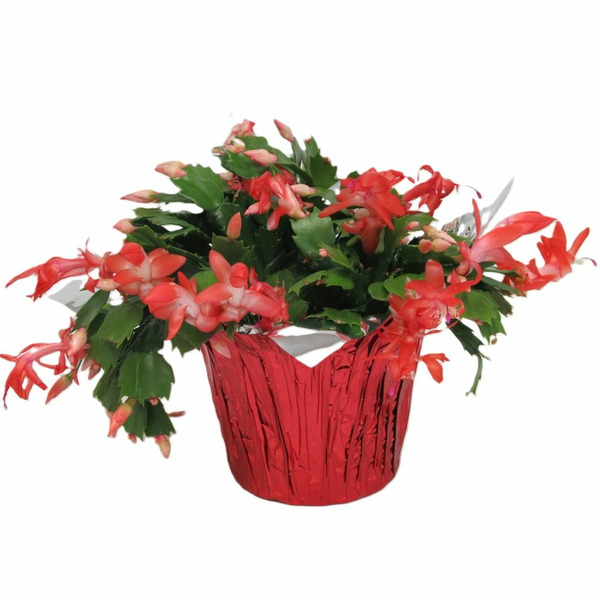
“The Fresh Market 6” Christmas Cactus …” from delivery.thefreshmarket.com and used with no modifications.
Key Characteristics of Shrimp Cactus
The shrimp cactus is often mistaken for its close relatives due to its striking appearance. However, its key characteristics include:
- Flat, segmented stems that grow in a cascading fashion.
- Bright, tubular flowers that bloom primarily in the winter months.
- A preference for indirect sunlight and a humid environment.
Most importantly, understanding these characteristics helps in providing the right care and environment for the plant to thrive.
History and Native Habitat
Originally hailing from the tropical rainforests of Brazil, the shrimp cactus is an epiphyte. This means it naturally grows on other plants, not in the soil. Its native habitat is humid and shaded, which is why it prefers indirect sunlight when grown indoors. This background gives us clues on how best to care for it, as mimicking its natural environment can lead to a healthier, more vibrant plant. For more information on its relative, the Christmas cactus, you can visit the North Carolina Extension Gardener Plant Toolbox.
Other Names Known By: Christmas & Schlumbergera russelliana
The shrimp cactus is also widely known as the Christmas cactus, though its scientific name is Schlumbergera russelliana. These names reflect its popular blooming season and its botanical classification. While it is commonly called the Christmas cactus, it is essential to note the differences between this and the Thanksgiving cactus, as they have distinct care requirements and blooming times.
“The Christmas cactus, or Schlumbergera russelliana, is a beloved houseplant, cherished for its festive blooms during the holiday season.”
Comparing Thanksgiving and Christmas Cacti
Though they are often confused, Thanksgiving and Christmas cacti are two different plants. Understanding their differences is crucial for providing the appropriate care and ensuring they thrive.
Blooming Seasons and Patterns
The most apparent difference between the two is their blooming season. The Thanksgiving cactus tends to bloom from late fall to early winter, while the Christmas cactus typically blooms a few weeks later, often around Christmas time. This timing difference can help you identify which type you have.
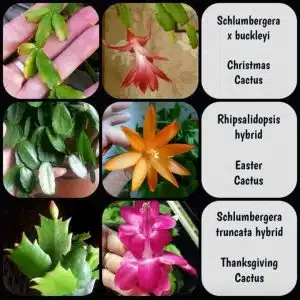
“Meet Prickly Our Holiday Cactus -” from www.flowerchick.com and used with no modifications.
Distinctive Features and Care Differences
|
Feature |
Thanksgiving Cactus |
Christmas Cactus |
|---|---|---|
|
Stem Shape |
Pointed, claw-like edges |
Smooth, rounded edges |
|
Blooming Season |
Late fall to early winter |
Mid to late winter |
|
Flower Shape |
Symmetrical |
Radially symmetrical |
By recognizing these differences, you can tailor your care approach to each plant’s specific needs, ensuring they remain healthy and vibrant throughout their blooming periods. For more information on pet-safe plant care, explore related resources.
ASPCA Nontoxic Plant: Schlumbergera russelliana
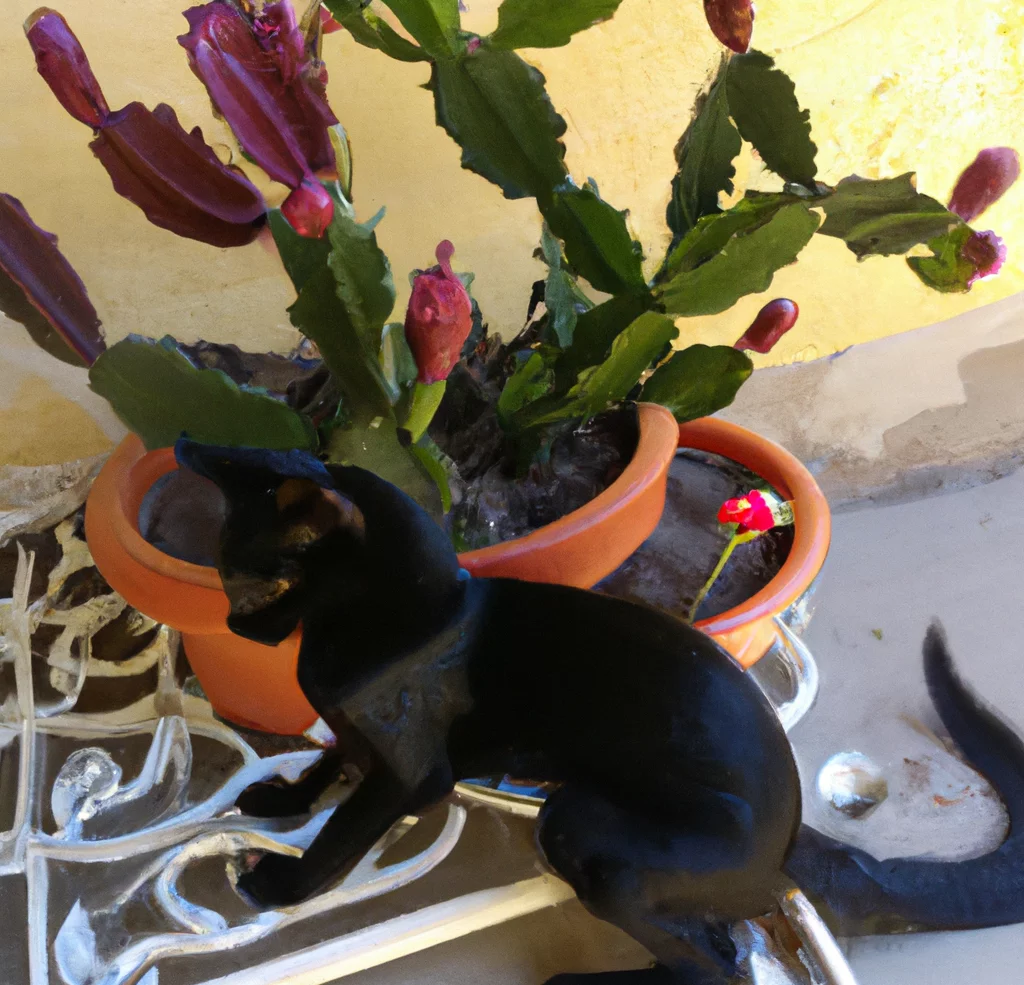
For pet owners, ensuring the safety of our furry friends is a top priority. Fortunately, the shrimp cactus, or Schlumbergera russelliana, is recognized by the ASPCA as a nontoxic plant for both cats and dogs. This makes it an excellent choice for households with curious pets who may be tempted to nibble on plant leaves or flowers.
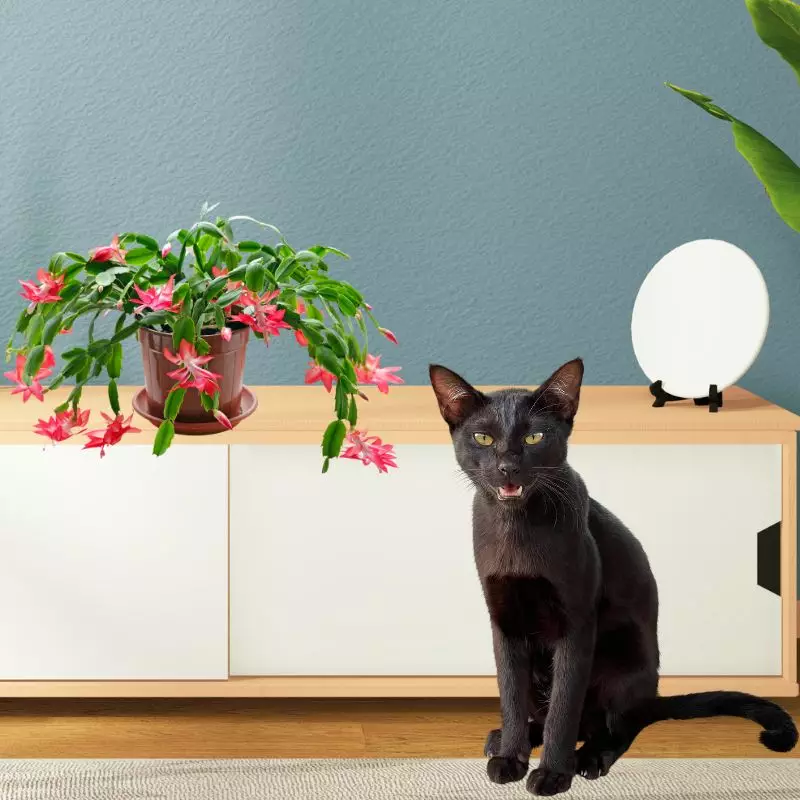
“Is Shrimp Cactus Toxic For Cats?” from plantsncats.com and used with no modifications.
Why This Plant is Safe for Pets
The shrimp cactus does not contain harmful toxins that could endanger pets. This means that even if your cat or dog decides to take a bite, they are unlikely to suffer any adverse effects. However, while it is nontoxic, it’s always a good idea to discourage pets from eating plants to avoid any potential digestive upset.
Moreover, the lack of toxicity in shrimp cacti provides peace of mind for pet owners who want to enjoy the beauty of indoor plants without the worry of harming their beloved animals. It’s a win-win situation for both plant and pet lovers alike.
Additional Benefits of Schlumbergera russelliana
Besides being pet-friendly, the shrimp cactus offers several other benefits. It’s a low-maintenance plant, making it ideal for beginners and those with a busy lifestyle. Its vibrant blooms add a splash of color to any room, brightening up the environment during the colder months when most other plants are dormant.
Achieving Vibrant Blooms and Prolonging Life
One of the most rewarding aspects of caring for a shrimp cactus is witnessing its stunning blooms. To achieve this, providing the right conditions is essential. The plant thrives in indirect sunlight, which mimics its natural habitat. Therefore, placing it near a window with filtered light is ideal.
Additionally, maintaining the right humidity levels is crucial. The shrimp cactus prefers a humid environment, so regular misting or placing a tray of water near the plant can help maintain moisture levels.
“Is Shrimp Cactus Toxic For Cats?” from plantsncats.com and used with no modifications.
Optimal Conditions for Blooming
To encourage blooming, it’s important to simulate the plant’s natural environment. This means providing cooler temperatures during the night and keeping the plant in a slightly shaded area. A temperature range of 60-70°F (15-21°C) is ideal for promoting blooms. Additionally, consider exploring the ASPCA non-toxic plants list to ensure your plant choices are safe for pets.
Furthermore, reducing water during the fall months can help trigger the blooming cycle. The plant should be kept on the drier side, with watering resuming once buds begin to form. This cycle mimics the natural seasonal changes that the plant would experience in the wild. For more information on maintaining a healthy plant, you can read about how to revive a wilting Christmas cactus.
Maximizing Longevity: Tips and Techniques
Ensuring the longevity of your shrimp cactus involves a few simple care practices. Regularly check the plant for any signs of stress or disease, such as yellowing leaves or wilting. Addressing these issues promptly can prevent further damage and keep the plant healthy. For more tips, you can learn how to revive a wilting Christmas cactus.
Pruning is another effective technique to encourage growth and remove any dead or damaged segments. Simply pinch off the unwanted sections with your fingers or use clean, sharp scissors. This not only promotes new growth but also helps maintain the plant’s shape and appearance. For more tips on maintaining healthy plants, check out our guide on pet-safe Mexican Firecracker care.
Effective Care Tips for Healthy Growth
Caring for a shrimp cactus involves understanding its basic needs and providing the right environment. By following these tips, you can ensure your plant remains healthy and continues to thrive.
Watering Requirements
The shrimp cactus requires a careful balance of watering. Overwatering can lead to root rot, while underwatering can cause the plant to become dry and brittle. It’s best to water the plant when the top inch of soil feels dry to the touch.
During the growing season, typically from spring to summer, the plant requires more frequent watering. In contrast, during the fall and winter months, watering should be reduced to allow the plant to rest and prepare for blooming.
Light and Temperature Needs
Providing the right light conditions is crucial for the shrimp cactus. It thrives in bright, indirect sunlight, so placing it near a north or east-facing window is ideal. Direct sunlight can scorch the leaves, so it’s important to avoid exposing the plant to harsh sun rays.
Temperature-wise, the shrimp cactus prefers a moderate climate. It does well in temperatures ranging from 60-70°F (15-21°C) but can tolerate slightly cooler temperatures at night, especially during the blooming season.
Soil Types and Nutrient Requirements
The shrimp cactus benefits from well-draining soil, similar to what it would experience in its natural habitat. A cactus or succulent potting mix is ideal, as it provides the right balance of drainage and nutrients.
Fertilizing the plant during the growing season can help promote healthy growth and vibrant blooms. A balanced, water-soluble fertilizer applied every four weeks is sufficient. However, it’s important to stop fertilizing during the fall and winter months to allow the plant to rest.
Restoring and Reviving Struggling Plants
If your shrimp cactus appears to be struggling, don’t worry. There are several steps you can take to restore it to health. First, assess the plant’s environment and make any necessary adjustments to light, water, or soil conditions.
Inspect the plant for any signs of pests or disease, such as discolored leaves or sticky residue. Treating these issues promptly can prevent further damage and help the plant recover.
Identifying Common Problems
When caring for a shrimp cactus, you may encounter a few common problems. These can include yellowing leaves, wilting, or failure to bloom. Yellowing leaves often indicate overwatering or poor drainage. To address this, ensure the soil is well-draining and allow the top inch of soil to dry out before watering again. Wilting can be a sign of both overwatering and underwatering, so it’s important to check the soil moisture level regularly.
Step-by-Step Revival Process
If your shrimp cactus is struggling, follow these steps to revive it:
- Assess the light conditions: Ensure the plant is receiving bright, indirect sunlight. Move it to a more suitable location if necessary.
- Check the watering schedule: Adjust the frequency based on the season and soil moisture level.
- Inspect for pests: Look for signs of pests such as aphids or spider mites. Treat with insecticidal soap if needed.
- Prune damaged segments: Remove any dead or damaged parts to encourage new growth.
- Repot if necessary: If the plant is root-bound, consider repotting it in fresh, well-draining soil.
“Reviving a struggling shrimp cactus requires patience and attention to detail. By addressing the root causes, you can restore your plant to its former glory.”
Indoor vs. Outdoor Growing
Deciding whether to grow your shrimp cactus indoors or outdoors depends on several factors. While it can thrive in both environments, each has its own set of advantages and challenges. For more information on pet-safe plants, check out the ASPCA non-toxic plants list.
Indoor cultivation offers more control over environmental conditions, such as light and temperature. This can be beneficial for maintaining a consistent care routine. However, it may require more effort to ensure adequate humidity levels.
Outdoor growing allows the plant to experience natural light cycles and humidity. It can be a great option if you live in a suitable climate. However, it exposes the plant to potential pests and weather-related stress.
“Is Shrimp Cactus Toxic For Cats?” from plantsncats.com and used with no modifications.
Pros and Cons of Indoor Cultivation
- Pros: Controlled environment, protection from harsh weather, easy monitoring.
- Cons: May require additional humidity control, limited space for growth.
Indoor growing is ideal for those who want to maintain a stable environment and have the ability to monitor their plant closely. Just be sure to provide adequate light and humidity to keep your shrimp cactus healthy.
On the other hand, outdoor cultivation can be rewarding if you have the right conditions. It’s important to monitor the weather and bring the plant indoors during extreme temperatures.
Advantages and Challenges of Outdoor Cultivation
|
Advantages |
Challenges |
|---|---|
|
Natural light and humidity |
Exposure to pests and weather |
|
More space for growth |
Potential temperature fluctuations |
By weighing the pros and cons, you can decide which growing environment is best suited for your shrimp cactus. Regardless of your choice, providing consistent care will ensure your plant thrives.
Frequently Asked Questions (FAQ)
Here are some common questions about shrimp cactus care and their answers to help you better understand and care for your plant.
How do I identify a shrimp cactus?
Look for its flat, segmented stems and bright, tubular flowers. The plant’s cascading growth habit and vibrant blooms are key identifiers. Its flowers typically appear in winter, adding color to your home during the colder months.
What are the best ways to increase bloom in a shrimp cactus?
To encourage blooming, provide indirect sunlight and maintain a cooler temperature at night. Reduce watering in the fall to trigger the blooming cycle, and resume once buds form. Mimicking its natural environment will promote vibrant blooms.
“Is Christmas Cactus Toxic For Cats?” from plantsncats.com and used with no modifications.
How can I safely grow shrimp cactus around pets?
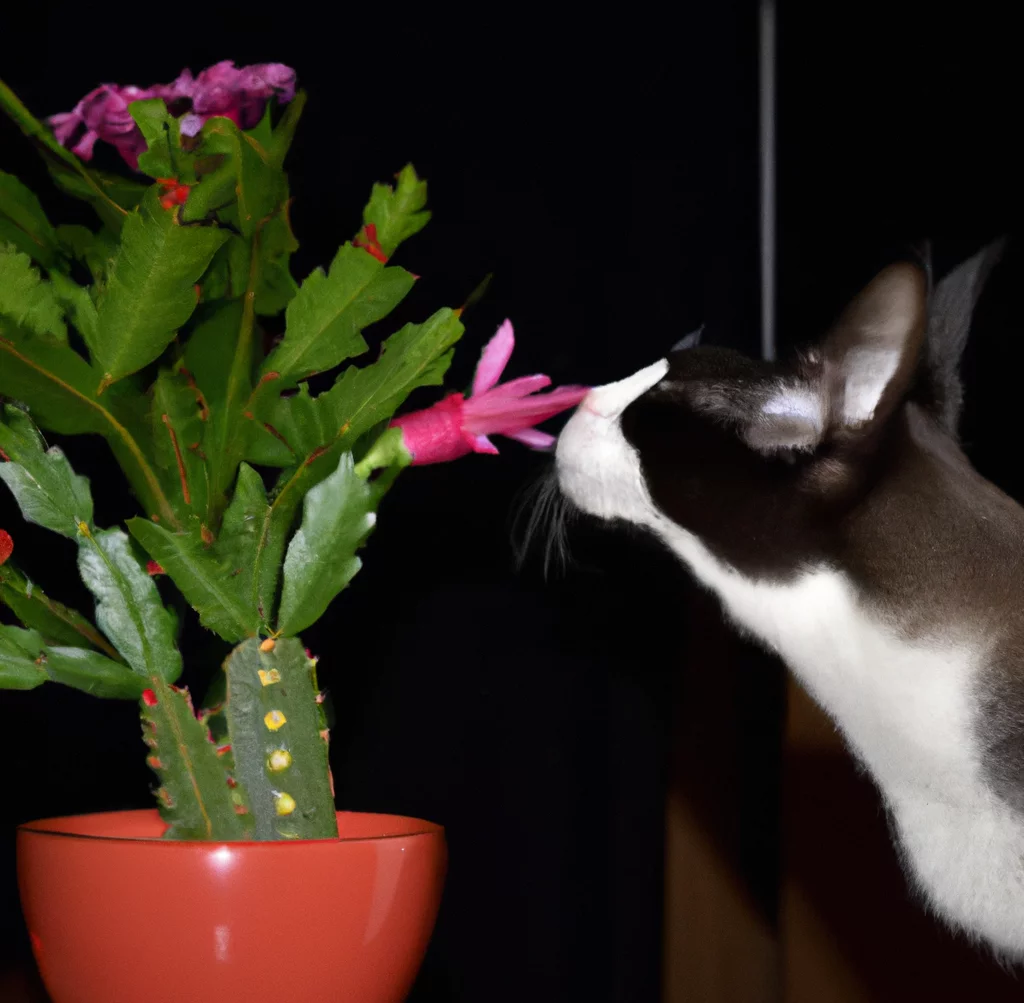
The shrimp cactus is nontoxic to cats and dogs, making it a safe choice for pet owners. However, it’s still a good idea to keep plants out of reach to prevent any potential digestive upset from curious pets.
What is the difference between Thanksgiving and Christmas cacti?
“Thanksgiving cactus has pointed, claw-like stem edges and blooms earlier in the season. Christmas cactus has smooth, rounded edges and blooms later, often around Christmas.”
Understanding these differences helps ensure you provide the right care for each plant. By recognizing their unique characteristics, you can enjoy the beauty of both types of cacti in your home.