
Key Takeaways
- Club moss is generally safe for pets, but it’s important to verify the specific species you have.
- Club moss is easy to care for and thrives in moist, humid environments.
- Compared to true moss and ferns, club moss is a vascular plant, meaning it can transport water more efficiently.
- Some club moss species can be invasive, so it’s crucial to choose native varieties for your garden.
- The ASPCA lists certain club moss varieties as non-toxic to dogs and cats, making them a pet-friendly choice.
Club Moss and Your Pets: Essential Insights
When it comes to keeping our furry friends safe, plant selection is crucial. Club moss, a unique and ancient group of plants, often raises questions regarding pet safety. While many varieties are non-toxic, it’s vital to know which ones are suitable for your home. Besides that, understanding their care and propagation can enhance your indoor or garden spaces while ensuring a safe environment for pets.
- Confirm the specific species of club moss you have, as not all are non-toxic.
- Monitor your pets’ interactions with plants to prevent accidental ingestion.
- Consider placing plants out of reach if you have particularly curious pets.
Club moss, with its distinct appearance, is not a true moss but a vascular plant. This means it has a specialized system to transport water and nutrients, unlike true mosses. This characteristic makes it an intriguing option for plant enthusiasts who want to explore different plant types while ensuring their pets’ safety.
Using Club Moss in Pet-Friendly Gardens & Homes
Integrating club moss into your home or garden can be a delightful addition, offering lush greenery and a touch of the exotic. Most importantly, it can be done safely if you take the right precautions. Club moss thrives in environments with high humidity and indirect light, making it a fantastic choice for terrariums or shaded garden areas.
To ensure your pets are safe, always double-check that the club moss species you choose is non-toxic. The ASPCA provides a comprehensive list of plants that are safe for pets, including certain club moss varieties. Therefore, this list can be an invaluable resource when planning your plant collection.
Caring for and Propagating Club Moss
Club moss care is straightforward, making it an excellent choice for both novice and experienced gardeners. These plants prefer moist soil and high humidity, which can be easily achieved by regular misting or using a pebble tray. If you live in a dry climate, consider placing your club moss in a bathroom or kitchen where humidity levels are naturally higher. For more information on similar plant care, you can explore non-toxic plant care tips.
Propagation is another exciting aspect of club moss. You can propagate these plants through spores, similar to ferns. This process involves collecting spores from mature plants and planting them in a suitable medium. It requires patience, but the reward of watching new plants grow is worth the effort. To learn more about these fascinating plants, explore their history as mighty ancestors of modern flora.
What Inclusion in the ASPCA Nontoxic List Means
Seeing a plant on the ASPCA’s nontoxic list provides peace of mind for pet owners. It indicates that the plant has been evaluated and deemed safe for common household pets like dogs and cats. This means that even if your pet decides to nibble on a leaf, it won’t pose a serious health risk.
However, it’s still essential to monitor your pets around plants. Even non-toxic plants can cause mild digestive upset if ingested in large quantities. Therefore, keeping an eye on your pets’ behavior and ensuring they don’t develop a habit of eating plants is always a good practice.
- Check the ASPCA nontoxic list when selecting new plants.
- Educate yourself on the specific needs and characteristics of your chosen club moss species.
- Ensure your pets have plenty of safe, alternative items to chew on.
Understanding Club Moss: A Closer Look
Club moss is a fascinating plant with a rich history and unique characteristics. It belongs to the Lycopodiopsida class, which includes several species that vary in appearance and habitat preferences. Understanding these differences can help you select the right type for your home and ensure your pets’ safety. For more information, you can explore the Nature Museum’s insights on club mosses.
What is Club Moss?
Despite its name, club moss is not a true moss. It’s a vascular plant, meaning it has specialized tissues for transporting water and nutrients. This sets it apart from non-vascular true mosses, which rely on direct contact with moisture to survive. Club mosses are often evergreen, with small, scale-like leaves and creeping stems, making them an attractive choice for ground cover in gardens or terrariums.
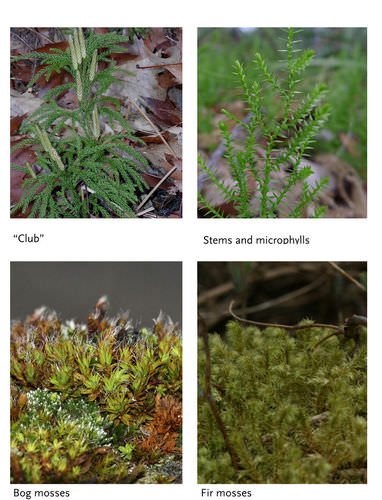
“Early Vascular Plants – Advanced | CK …” from flexbooks.ck12.org and used with no modifications.
Differences Between Club Moss, True Moss, and Ferns
Understanding the differences between club moss, true moss, and ferns can help you make informed decisions about your plant collection. True mosses are non-vascular and lack the complex structures found in club mosses. They absorb water directly through their leaves, which is why they thrive in damp environments.
Ferns, like club mosses, are vascular plants. However, they differ in appearance and reproduction. Ferns typically have larger, more intricate fronds and reproduce through spores, similar to club mosses. These distinctions are crucial when planning your garden or indoor plant arrangement, especially when considering pet safety.
In summary, choosing the right plants for your home involves understanding their characteristics and ensuring they align with your pets’ safety needs. With this knowledge, you can create a beautiful, pet-friendly environment that both you and your furry friends can enjoy.
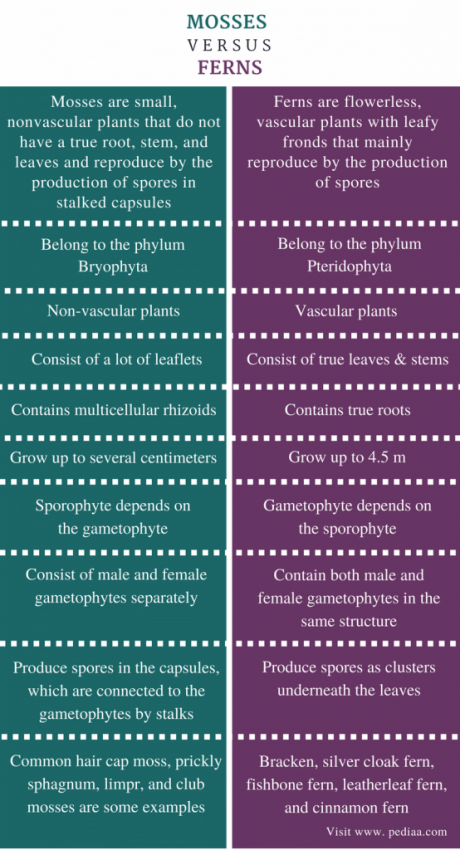
“Difference Between Mosses and Ferns …” from pediaa.com and used with no modifications.
Optimal Growing Conditions
To ensure your club moss thrives, it’s important to provide the right growing conditions. These plants prefer a habitat that mimics their natural environment, which is typically moist and shaded. Aim for a location with indirect light, as direct sunlight can scorch the delicate leaves. If you’re growing club moss indoors, a north-facing window or a spot away from direct sunlight is ideal.
Temperature and humidity are also crucial factors. Club mosses thrive in temperatures between 50°F and 75°F. High humidity levels are essential, so consider misting your plants regularly or using a humidifier, especially in dry climates or during winter months when indoor heating can reduce air moisture. For more information on these fascinating plants, check out this article on Club Mosses and their Mighty Ancestors.
Maintenance Tips for Healthy Plants
Maintaining club moss is relatively straightforward, but there are a few key practices to keep in mind. Regular watering is essential, but be careful not to overwater. The soil should be consistently moist but not soggy. Using a well-draining potting mix can help prevent waterlogging and root rot.
Pruning is another important aspect of club moss care. Trimming back any dead or overgrown stems will encourage healthy new growth and keep your plant looking its best. Additionally, keeping the plant free of dust and debris will ensure it can photosynthesize efficiently.
Propagating Club Moss Successfully
Propagating club moss can be a rewarding experience, allowing you to expand your collection or share plants with friends. One common method is through division, where you carefully separate a mature plant into smaller sections, each with its own root system. This can be done during repotting, ensuring each new section has enough space to grow.
Another method involves collecting and planting spores. This process requires patience, as it can take time for the spores to germinate and develop into mature plants. To collect spores, look for the small, club-like structures on the plant and gently shake them over a piece of paper to capture the spores. Plant these in a suitable medium and keep them moist until they begin to grow.
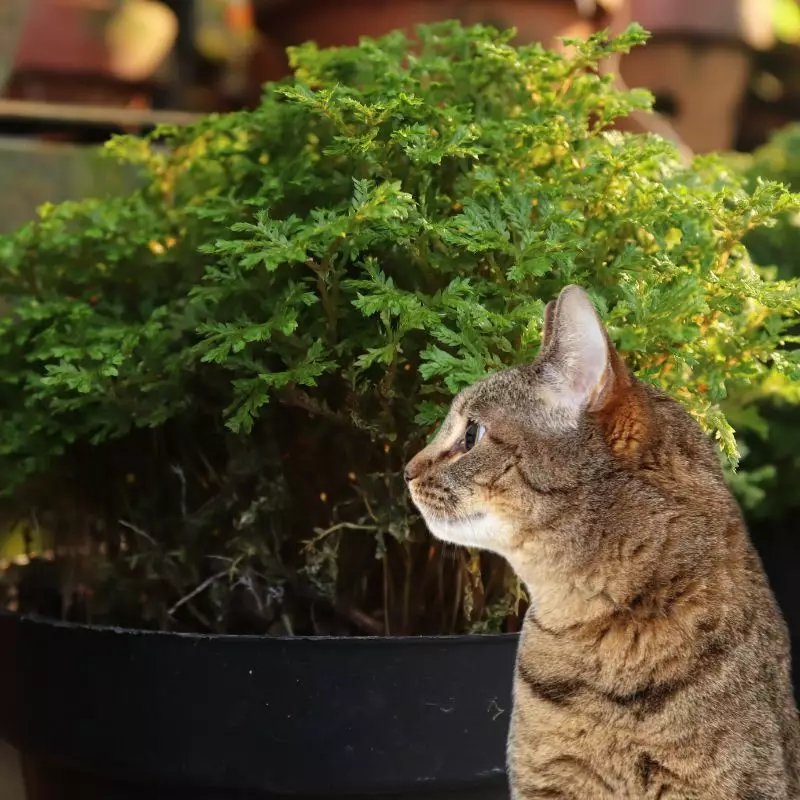
“Is Club Moss Toxic For Cats?” from plantsncats.com and used with no modifications.
Club Moss Safety for Dogs and Cats
Ensuring the safety of our pets is a top priority, especially when it comes to the plants we bring into our homes. Fortunately, many club moss varieties are considered safe for pets, but it’s always wise to double-check the specific species you have. The ASPCA provides a comprehensive list of non-toxic plants, including some club moss species, making it an excellent resource for pet owners.
Toxic vs. Non-Toxic Varieties
While most club mosses are non-toxic, it’s important to be aware of any potential exceptions. Always research the specific variety you plan to introduce to your home to ensure it’s safe for your pets. In case of uncertainty, consult with a veterinarian or refer to reputable sources like the ASPCA’s plant database for guidance.
ASPCA Guidelines on Safe Plants
The ASPCA’s guidelines on safe plants are invaluable for pet owners. They list plants that have been evaluated and deemed non-toxic to common pets like dogs and cats. This means that even if your pet takes a nibble, they won’t suffer any serious health effects. However, it’s still wise to monitor your pets around plants to prevent any potential issues. For instance, you can explore more about Gerber Transvaal Daisy, a pet-safe plant according to ASPCA.
Creating a Safe Environment for Pets
Creating a pet-safe environment involves more than just choosing non-toxic plants. It’s also about placement and accessibility. Consider placing plants out of reach if your pets are particularly curious or prone to chewing. Hanging planters or high shelves can be effective solutions.
Additionally, providing your pets with plenty of toys and safe alternatives to chew on can deter them from investigating your plants. Regularly checking on your plants and pets will help ensure a harmonious and safe living space for everyone.
“Peacock Fern in the Aquarium/Terrarium …” from www.youtube.com and used with no modifications.
Club Moss in Indoor Terrariums
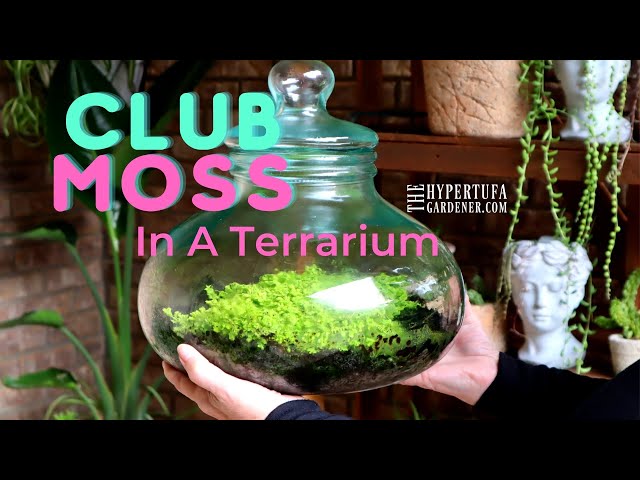
Club moss is an excellent choice for indoor terrariums, offering lush greenery and a touch of nature to any space. Terrariums create a controlled environment that mimics the plant’s natural habitat, making it easier to maintain the necessary humidity and light levels. Learn more about club mosses and their mighty ancestors to understand their fascinating history and characteristics.
Benefits of Using Club Moss in Terrariums
One of the main benefits of using club moss in terrariums is its low maintenance requirements. Once established, these plants require minimal care, making them ideal for busy individuals or those new to gardening. The high humidity levels in a terrarium also help keep the moss healthy and vibrant. For more information on these fascinating plants, check out this article on clubmosses.
Besides that, club moss adds visual interest and texture to terrariums, creating a miniature landscape that’s both beautiful and functional. Its ability to cover the ground or climb over rocks and structures makes it a versatile choice for creative terrarium designs.
Steps for Setting Up a Moss Terrarium
Setting up a moss terrarium is a fun and rewarding project. Start by selecting a suitable container, such as a glass jar or a fish tank. Ensure it has a lid to help maintain humidity levels. Next, add a layer of pebbles or small stones at the bottom for drainage, followed by a layer of activated charcoal to keep the environment fresh. For those interested in exploring other non-toxic plants for pets, consider reading about the Easter Townsend Daisy.
Cover the charcoal with a layer of sphagnum moss to prevent the soil from settling into the drainage layer. Then, add a layer of potting soil, ensuring it’s suitable for club moss. Arrange your club moss and any other plants or decorative elements, such as rocks or figurines, to create your desired landscape.
Once everything is in place, lightly mist the plants and seal the container. Place your terrarium in a location with indirect light, and enjoy watching your miniature ecosystem thrive.
Maintenance and Care Tips
To maintain healthy club moss, focus on consistent care. Keep the soil moist but not waterlogged, and mist the leaves regularly to maintain humidity. Use a well-draining potting mix to prevent root rot, and place the plant in an area with indirect light to avoid leaf burn.
Regular pruning is essential to remove any dead or overgrown parts, encouraging fresh growth. Clean the leaves periodically to remove dust and debris, which can impede photosynthesis. By following these care tips, your club moss will thrive and add beauty to your space.
Final Thoughts on Club Moss and Pets
Club moss can be a wonderful addition to any pet-friendly home, offering lush greenery and a touch of nature. By selecting non-toxic varieties and providing the right care, you can enjoy the beauty of these plants without compromising your pets’ safety. Always stay informed about the specific species you have and monitor your pets’ interactions with plants to ensure a harmonious environment.
Choosing the Right Club Moss for Your Space
When choosing club moss for your space, consider the plant’s specific needs and your home’s conditions. Select a species that aligns with your environment, whether it’s for a shaded garden area or an indoor terrarium. Verify that the chosen species is non-toxic to ensure the safety of your pets.
Integrating Club Moss Safely with Pets
To integrate club moss safely with pets, consider plant placement and accessibility. Use hanging planters or high shelves to keep plants out of reach of curious pets. Provide plenty of toys and safe alternatives to deter pets from chewing on plants.
Regularly check on your plants and pets to ensure everything is going smoothly. By taking these precautions, you can create a beautiful, pet-friendly environment that everyone can enjoy.
Frequently Asked Questions (FAQ)
Addressing common questions about club moss and pet safety can help you make informed decisions about your plant choices. Here are some frequently asked questions to consider.
Is Club Moss safe for all pets?
While many club moss varieties are safe for pets, it’s crucial to verify the specific species you have. Consult the ASPCA’s list of non-toxic plants or speak with a veterinarian to ensure the plant is safe for your pets.
Can Club Moss thrive indoors?
Yes, club moss can thrive indoors, especially in terrariums or areas with high humidity. Ensure the plant receives indirect light and consistent moisture to mimic its natural habitat and promote healthy growth. For more information on this fascinating plant, check out the Nature Museum’s article on Club Mosses and their Mighty Ancestors.
What are the signs of toxicity in pets?
If a pet ingests a potentially toxic plant, symptoms may include vomiting, diarrhea, lethargy, or drooling. If you suspect your pet has ingested a toxic plant, contact your veterinarian immediately for guidance and treatment.
How can I propagate Club Moss at home?
Club moss can be propagated through division or by planting spores. Division involves separating a mature plant into smaller sections, each with its own root system. For spore propagation, collect spores from mature plants and plant them in a suitable medium, keeping them moist until they germinate. To learn more about these fascinating plants, check out this article on Club Mosses and their Mighty Ancestors.
Are all Club Moss varieties invasive, where is it native?
Not all club moss varieties are invasive, but it’s essential to research the specific species you have. Some species can become invasive in certain environments, so choosing native varieties for your garden is crucial. Club mosses are native to various regions, including North America, Europe, and Asia, so selecting a species that aligns with your local ecosystem is vital.
Club moss, unlike true mosses, is considered a vascular plant. These fascinating plants are often referred to as “fern allies” due to their ancient lineage and similarities with ferns. If you’re interested in learning more about these unique plants, check out this article on clubmosses: an ancient and interesting group.