
Key Takeaways
- Dill is an ASPCA-certified non-toxic plant, making it safe for most pets, including dogs, cats, rabbits, and budgies.
- Growing dill in your garden can help repel pests naturally, while attracting beneficial insects.
- While dill is generally safe for dogs, dill pickles should be avoided due to high sodium content and potentially harmful ingredients like garlic.
- Cats can safely interact with dill, but always monitor for any allergic reactions or digestive issues.
- Introducing dill to a pet’s diet should be done gradually, starting with small amounts to monitor for any adverse reactions.
ASPCA-Certified Non-Toxic Plant: Dill and Its Safety for Pets
When it comes to creating a pet-friendly garden, choosing non-toxic plants is crucial. Dill is a fantastic choice for pet owners because it’s certified by the ASPCA as non-toxic to dogs, cats, and horses. This means you can plant it in your garden without worrying about your furry friends getting sick if they decide to have a nibble.
Benefits of Choosing Non-Toxic Plants
Non-toxic plants offer peace of mind. They ensure that if your pets decide to explore the garden with their mouths, they’re safe. This reduces the risk of emergency vet visits and gives you the freedom to enjoy your garden without constant supervision.
Besides safety, non-toxic plants like dill can add flavor to your culinary dishes, making them a dual-purpose plant. They also contribute to a more sustainable environment by attracting pollinators and beneficial insects.
Overview of Dill as a Safe Plant Option
Dill is an aromatic herb known for its feathery green leaves and distinctive flavor. It’s often used in cooking, particularly in pickling and flavoring fish dishes. Importantly, dill is safe for most pets, which makes it an ideal addition to any pet-friendly garden. However, moderation is key, as too much of anything can lead to digestive issues.
Growing Dill in Your Garden: Care Tips and Best Practices
Growing dill at home is not only beneficial for your pets but also for your culinary adventures. It’s relatively easy to grow and requires minimal maintenance, making it perfect for both novice and seasoned gardeners.
Optimal Soil and Sunlight Conditions
Dill thrives in well-draining, fertile soil with a pH level between 5.5 and 6.5. Ensure the soil is loose and rich in organic matter to promote healthy growth. Dill loves the sun, so choose a spot in your garden that receives full sunlight for most of the day.
Watering and Fertilizing Needs
While dill is relatively drought-tolerant, it does best with consistent moisture. Water the plant regularly, but avoid overwatering as this can lead to root rot. A balanced fertilizer applied once a month can support its growth, but be careful not to over-fertilize as dill is sensitive to high nutrient levels.
Common Growing Problems and Solutions
One common issue with dill is bolting, where the plant flowers prematurely. This often happens in high temperatures. To prevent this, provide partial shade during the hottest parts of the day. Additionally, watch out for aphids and caterpillars, which can be managed by introducing natural predators like ladybugs or using insecticidal soap.
“Can Dogs Eat Dill? What You Need To …” from spoiledhounds.com and used with no modifications.
How Dill Affects Dogs: Health Benefits and Risks
“Dill can be a healthy addition to a dog’s diet in small amounts. It contains antioxidants and nutrients that can help with digestion and prevent heart disease.”
While dill is generally safe for dogs, it’s important to introduce it into their diet carefully. For more information on how to grow and care for dill, let’s delve into the nutritional benefits and potential risks.
Nutritional Benefits of Dill for Dogs
Dill contains essential nutrients such as vitamin C, iron, and manganese, which can support your dog’s overall health. Its antioxidants can aid digestion and may help prevent heart disease. Adding a sprinkle of fresh or dried dill to your dog’s meal can enhance flavor and provide these health benefits.
Allergic Reactions and How to Address Them
Even though dill is non-toxic to dogs, some may still have allergic reactions. Symptoms can include swelling, itching, or difficulty breathing. If you notice any of these signs, stop feeding your dog dill immediately and consult your veterinarian. Allergies can vary from mild to severe, so it’s important to be vigilant when introducing any new food.
Why Dill Pickles Are Not Recommended for Dogs
While dill itself is safe for dogs, dill pickles are a different story. The high sodium content and added ingredients like garlic and onions in pickles can be harmful to dogs. Excessive salt can lead to dehydration, increased thirst, and in severe cases, sodium ion poisoning. For more information on safe plants for dogs, it’s best to avoid giving your dog dill pickles altogether.

“me: can i please grow plants cat: no …” from www.reddit.com and used with no modifications.
“me: can i please grow plants cat: no …” from www.reddit.com and used with no modifications.
Dill and Cats: Safe Usage and Tips
Cats are curious creatures and might be drawn to the scent of dill. Luckily, dill is non-toxic to cats, making it a safe herb to have around. However, it’s always wise to monitor your cat’s interaction with any new plant.
Understanding How Cats Interact with Dill
Cats may occasionally nibble on dill, especially if it’s within reach. The strong aroma can be enticing, but most cats will lose interest quickly. If your cat does consume a small amount, it’s generally harmless. Keep an eye out for any unusual behavior, such as vomiting or diarrhea, and consult your vet if necessary.
Toxicity Concerns and Safe Consumption
While dill is safe for cats, it should not become a regular part of their diet. Cats are obligate carnivores and require a diet primarily composed of meat. Dill can be used as a treat or enrichment, but it shouldn’t replace any part of their balanced diet. Always introduce new foods gradually and in moderation.
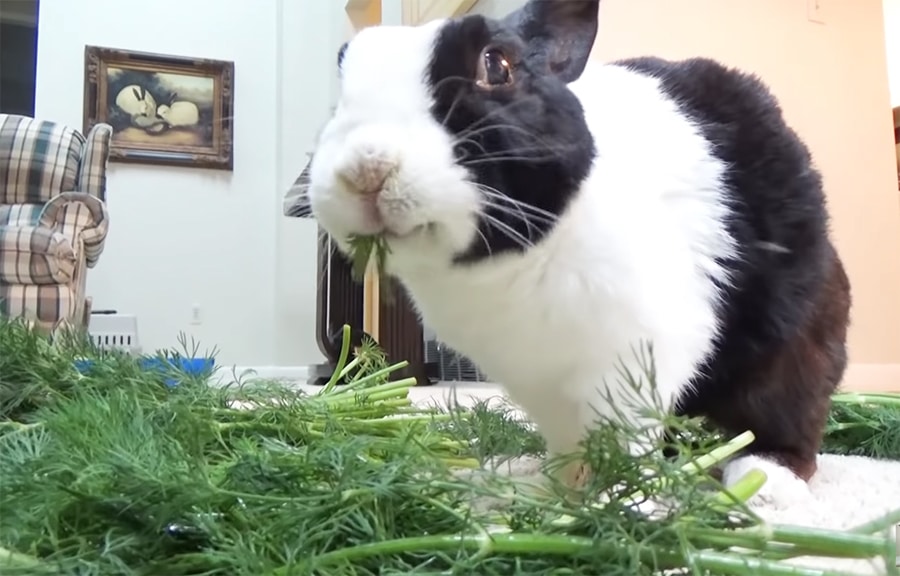
“Surrounding a sleeping rabbit with dill …” from thekidshouldseethis.com and used with no modifications.
Do Rabbits and Budgies Like Dill?
Rabbits and budgies can benefit from the inclusion of dill in their diet. This herb can provide nutritional value and variety to their meals, making it a great addition to their regular food.
Health Benefits of Dill for Rabbits
Dill can be a nutritious snack for rabbits. It contains fiber, which is crucial for their digestive health. Introducing dill to a rabbit’s diet should be done slowly to avoid any digestive upset. Start with small amounts and observe how your rabbit reacts before increasing the quantity.
Including Dill in Budgie Diets
Budgies can also enjoy dill as part of a varied diet. The herb offers vitamins and minerals that can support their overall health. You can sprinkle chopped dill over their seed mix or offer it as a fresh treat. As with any new food, introduce dill gradually and in moderation to prevent digestive issues. For more information on pet-safe plants, you can explore other options that are safe for your feathered friends.
Using Dill to Repel Pests in a Pet-Safe Manner
Dill is not only beneficial for pets but also for your garden. It acts as a natural pest repellent, keeping your plants healthy without the need for harmful chemicals. Learn more about how to grow and care for dill.
Common Pests That Dill Repels
Dill is known to repel pests such as aphids, spider mites, and cabbage moths. These pests can cause significant damage to garden plants, but the aromatic oils in dill can deter them effectively. By planting dill, you can protect your garden while keeping it safe for pets.
Attracting Beneficial Insects to Your Garden
Besides repelling harmful pests, dill also attracts beneficial insects such as ladybugs, lacewings, and hoverflies. These insects are natural predators of many common garden pests, helping to maintain a healthy ecosystem in your garden. By planting dill, you create a welcoming environment for these helpful creatures, which in turn reduces the need for chemical pesticides.
Conclusion on Dill’s Role in a Pet-Friendly Garden
Dill stands out as a versatile herb that offers numerous benefits for both pets and gardens. As an ASPCA-certified non-toxic plant, it provides peace of mind to pet owners while enhancing the culinary and ecological value of your garden. Whether you’re using it to repel pests, attract beneficial insects, or as a healthy addition to your pet’s diet, dill proves to be an invaluable plant. Remember, moderation is key when introducing any new food to your pets, and always monitor them for any adverse reactions.
Frequently Asked Questions
To help you navigate the use of dill in a pet-friendly environment, here are some frequently asked questions and their answers. For additional guidance on maintaining a pet-safe garden, you might find this ASPCA non-toxic plant guide helpful.
Is dill completely safe for all pets?
Yes, dill is generally safe for most pets, including dogs, cats, rabbits, and budgies. However, as with any new food, it’s essential to introduce it gradually and observe your pet for any adverse reactions.
How do I introduce dill to my dog’s diet?
Start by sprinkling a small amount of fresh or dried dill over your dog’s regular food. Monitor your dog for any signs of allergies or digestive upset. If your dog shows no adverse reactions, you can gradually increase the amount, but always keep it as a small part of their diet.
“Dill can be a healthy addition to a dog’s diet in small amounts. It contains antioxidants and nutrients that can help with digestion and prevent heart disease.”
Remember to avoid dill pickles, as they contain high sodium levels and other potentially harmful ingredients for dogs.
Can dill cause allergic reactions in cats?
While dill is non-toxic to cats, some may have individual allergies or sensitivities. If you notice symptoms like vomiting, diarrhea, or itching after your cat consumes dill, discontinue use and consult your veterinarian.
What are the differences between fresh dill and dill pickles for pets?
Fresh dill is safe for pets and can be a nutritious addition to their diet in moderation. Dill pickles, however, are not recommended due to their high sodium content and added ingredients like garlic and onions, which can be harmful to pets.
How does dill help in pest control?
Dill naturally repels pests such as aphids, spider mites, and cabbage moths due to its aromatic oils. Additionally, it attracts beneficial insects like ladybugs and lacewings, which prey on harmful pests. This dual action makes dill an excellent choice for maintaining a healthy and pet-safe garden environment.
In summary, dill is a fantastic herb to include in a pet-friendly garden. It offers culinary, ecological, and health benefits, making it a valuable addition to any home. Whether you’re enhancing your pet’s diet or protecting your garden, dill is a reliable and safe choice.
Dill is a versatile herb that can be used in a variety of dishes, adding a fresh and tangy flavor. It’s important to know how to properly grow and care for dill to ensure a healthy plant. For more information, check out this guide on how to grow and care for dill effectively.