
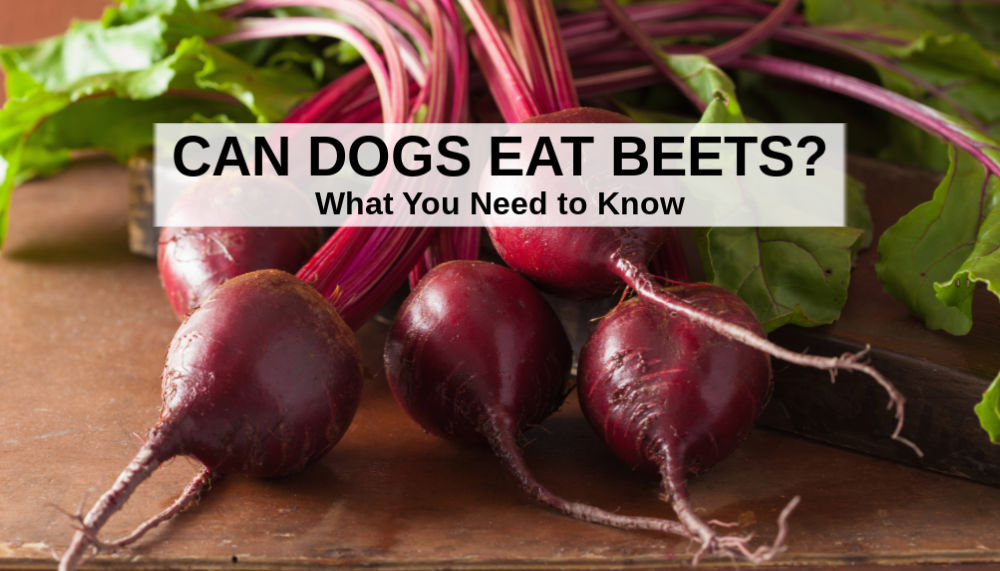
Article-at-a-Glance
- Beets are non-toxic to pets and can be a healthy addition to their diet when prepared properly.
- They are rich in nutrients like vitamins A, C, and K, as well as minerals such as iron and potassium.
- Feeding beets to pets should be done in moderation to avoid potential health risks like kidney stones.
- Cooking beets before feeding them to pets can reduce the risk of choking and improve digestibility.
- Beet tops are safe for most pets, but should be introduced gradually to prevent digestive upset.
Introduction to Beets and Pet Safety
Beets, known for their vibrant color and earthy flavor, are a popular choice in many human diets. But, can these root vegetables be safely included in our pets’ meals? The good news is that beets are on the ASPCA’s list of non-toxic plants for pets, making them a safe option when prepared and served correctly.
Understanding the health implications of feeding beets to pets is crucial. While they are non-toxic, the way they are introduced into a pet’s diet can make a significant difference. This article explores the nutritional benefits of beets, their potential risks, and how to safely incorporate them into your pet’s diet.
Whether you have a curious dog, a picky cat, or a playful rabbit, knowing how to safely feed beets can enhance their health and add variety to their meals. Let’s dive into the nutritional value and safety measures associated with feeding beets to pets.

“Root Vegetables for Dogs: Can Dogs Eat …” from nativepet.com and used with no modifications.
Nutritional Value of Beets
Beets are a powerhouse of nutrition, offering a wide range of vitamins and minerals that can benefit pets. They are particularly rich in vitamin C, folate, fiber, and antioxidants.
One of the most compelling reasons to consider beets for your pets is their nutritional profile. Beets are packed with essential nutrients that can support overall health. They contain high levels of vitamins A, C, and K, which are vital for maintaining healthy skin, vision, and immune function in pets. For more information on how beets can be a healthy snack for pets, visit Native Pet.
Minerals such as potassium, magnesium, and iron found in beets play a crucial role in maintaining muscle function, bone health, and oxygen transport in the blood. Additionally, the fiber content in beets can aid in digestion, promoting a healthy gut for your furry friends.
Besides that, beets are low in calories, making them an excellent choice for pets that need to manage their weight. However, it’s important to remember that while beets offer numerous benefits, moderation is key to avoiding potential health issues.
Making the List of ASPCA Non-toxic Plants
The ASPCA (American Society for the Prevention of Cruelty to Animals) is a trusted source for pet safety, and their list of non-toxic plants is a valuable resource for pet owners. Beets have earned their place on this list, confirming their safety for pets when consumed in appropriate amounts.
Common Concerns and Misconceptions
Despite their non-toxic status, there are common concerns and misconceptions about feeding beets to pets. Some pet owners worry about the oxalate content in beets, which can contribute to kidney stones if consumed in large quantities. This is why it’s crucial to feed beets in moderation and consult with a veterinarian if you have concerns about your pet’s kidney health.
Another concern is the potential for beets to cause digestive upset, particularly if introduced suddenly or in large amounts. It’s best to start with small portions and monitor your pet’s reaction before making beets a regular part of their diet.
Health Benefits and Risks for Pets
Beets offer several health benefits for pets, but they also come with certain risks. Understanding both sides will help you make informed decisions about including beets in your pet’s diet.
Benefits of Beets for Dogs
Dogs can benefit from the vitamins and minerals found in beets, which support their overall health. The antioxidants in beets can help reduce inflammation and protect against cellular damage, making them a great addition to a dog’s diet.
“Can Cats Eat Beets? Vet-Verified Facts …” from www.catster.com and used with no modifications.
Benefits of Beets for Cats
Cats, being obligate carnivores, have different dietary needs than dogs. However, beets can still be a beneficial addition to their diet in small amounts. The fiber in beets can aid digestion, while the vitamins and minerals support their immune system and overall health. For more information on ASPCA non-toxic plants that are safe for cats, check out this guide.
Impact on Kidneys and Potential Risks
While beets are generally safe for pets, it’s important to be aware of their oxalate content. Oxalates are natural compounds found in many plants, including beets, which can contribute to the formation of kidney stones in susceptible animals. This is particularly a concern for pets with pre-existing kidney issues or those prone to urinary tract problems.
Therefore, moderation is key when feeding beets to pets. Offering small amounts as an occasional treat rather than a daily staple can minimize the risk of oxalate-related complications. If your pet has a history of kidney issues, consulting with a veterinarian before introducing beets into their diet is advisable.
Beet Tops vs. Roots: Nutritional Differences
Both the roots and tops of beets offer nutritional benefits, but they differ in their nutrient profiles. Beet roots are rich in carbohydrates, fiber, and essential vitamins like C and folate. They are known for their vibrant color, which is due to the presence of betalains—antioxidants that can help reduce inflammation.
On the other hand, beet tops, or greens, are packed with vitamins A and K, along with minerals such as calcium and iron. These nutrients are vital for maintaining healthy bones and blood clotting. Including both parts in your pet’s diet can provide a well-rounded nutritional boost, but it’s essential to introduce them gradually to prevent digestive upset.
Beets in Pet Diets
Introducing beets into your pet’s diet can be a rewarding way to enhance their nutrition. However, it’s crucial to do so safely and thoughtfully. Pets, like humans, can have varying reactions to new foods, so observing your pet’s response to beets is essential.
Begin by offering small, cooked pieces of beetroot or greens. Cooking beets helps break down their fibrous structure, making them easier to digest and reducing the risk of choking. Avoid adding any seasonings or additives, as these can be harmful to pets.
How to Safely Introduce Beets to Dogs
When introducing beets to dogs, start with small, cooked portions to gauge their tolerance. Monitor for any signs of digestive upset, such as diarrhea or vomiting, and discontinue if any adverse reactions occur. Here’s a simple guide to follow:
- Wash the beets thoroughly to remove any dirt or pesticides.
- Boil or steam the beets until they are soft.
- Cut the beets into small, bite-sized pieces.
- Offer a small amount as a treat or mixed with their regular food.
- Observe your dog for any signs of digestive distress.
Gradually increase the portion size over time if your dog shows no adverse reactions. Remember, beets should only be an occasional treat, not a regular part of their diet.
Feeding Guidelines for Cats
Cats have unique dietary requirements, and while they can benefit from the nutrients in beets, they should consume them sparingly. Cats are obligate carnivores, meaning their diet should primarily consist of meat. Beets can be a supplement to their diet, providing vitamins and fiber, but should never replace their primary food source.
Offer cooked, finely chopped beetroot or greens in small quantities. Mixing a tiny amount with their regular food can help them adjust to the taste and texture. For more information on how beets can be a part of your pet’s diet, check out can dogs eat beets. Always monitor for any signs of discomfort or allergic reactions.
Rabbits and Beets: Dietary Considerations
Rabbits can enjoy beets, but with some caution. Beet greens are often more suitable for rabbits than the roots due to their lower sugar content. The high sugar content in beetroot can lead to digestive issues and weight gain if consumed in large amounts.
Introduce beet greens gradually, starting with a small handful mixed with other leafy greens. Ensure that your rabbit has access to plenty of hay and water to support digestion. As with other pets, moderation is essential to prevent any health issues.
Bird Diets: Which Parts of the Beet are Safe
Birds, particularly parrots, can enjoy beets as part of a varied diet. Both beetroot and greens can be offered, but it’s crucial to provide them in moderation. Birds benefit from the vitamins and minerals in beets, but the high sugar content can be a concern.
Chop beets into small, manageable pieces and offer them as part of a mixed diet that includes seeds, fruits, and vegetables. Always remove uneaten portions promptly to prevent spoilage and maintain a clean feeding environment.
Beets Beyond Nutrition: Creative Uses
Beets can be used creatively beyond just nutrition. For instance, the natural pigments in beets can be used as a temporary, non-toxic dye for pet fur. However, it’s important to ensure that the dye does not cause any irritation or allergic reactions.
Additionally, beets can be grown as companion plants in pet-safe gardens. Their vibrant color and nutritional benefits make them an attractive and practical choice for pet owners looking to enhance their garden while providing occasional treats for their pets.
Pet Hair Dye: Is it Safe and Effective?
Using beets as a natural dye for pet hair can be a fun and harmless way to add a splash of color. The pigments in beets, known as betalains, provide a deep red hue that can temporarily stain fur. To use beets as a dye, simply boil them to extract the color and apply it to your pet’s fur. Leave it on for a short period before rinsing thoroughly.
It’s crucial to ensure that your pet does not have any allergic reactions to the dye. Always perform a patch test on a small area of fur before applying it more broadly. Additionally, avoid using the dye near the eyes or mouth to prevent irritation. While beet dye is generally safe, it should be used sparingly and washed out completely to maintain your pet’s comfort and hygiene.
Pet-Friendly Companion Plants in Gardens
Beets are not only nutritious for pets but also serve as excellent companion plants in gardens. Their ability to thrive in a variety of soil conditions makes them a versatile addition to pet-friendly gardens. Beets can be grown alongside other non-toxic plants such as carrots, peas, and lettuce, creating a safe and productive environment for your pets to explore.
Besides providing nutritional benefits, growing beets in your garden can help deter pests naturally, reducing the need for chemical pesticides that may be harmful to pets. Ensure that your garden is well-fenced to prevent pets from overindulging in the plants, which could lead to digestive issues. With proper planning, a beet garden can be a safe and enriching space for pets.
Conclusion: Making Informed Decisions
Incorporating beets into your pet’s diet can offer numerous health benefits, from boosting their immune system to improving digestion. However, it is essential to introduce them in moderation and monitor your pet’s response to avoid any potential health risks. Understanding the nutritional differences between beet roots and tops can help you make informed choices about what to feed your pets. For more information on pet-safe plants, you might find this guide on non-toxic plants useful.
Moreover, using beets creatively, whether as a natural dye or as part of a pet-friendly garden, can enhance your pet’s environment and provide additional enrichment. Always prioritize your pet’s safety and consult with a veterinarian if you have any concerns about introducing new foods into their diet.
Key Findings and Recommendations
Here are the key takeaways and recommendations for safely including beets in your pet’s lifestyle:
- Beets are non-toxic and can be a healthy addition to pet diets when cooked and served in moderation.
- Monitor your pet for any signs of digestive upset or allergic reactions when introducing beets.
- Consult with a veterinarian if your pet has pre-existing kidney issues or is prone to urinary tract problems.
- Consider using beets as a natural dye or growing them as part of a pet-friendly garden.
- Always prioritize your pet’s health and safety when introducing new foods or products.
Frequently Asked Questions (FAQ)
To help address common concerns, here are some frequently asked questions about feeding beets to pets:
Are beets safe for all types of pets?
Yes, beets are generally safe for most pets, including dogs, cats, rabbits, and birds, when served in moderation. However, it’s important to consider each pet’s unique dietary needs and consult with a veterinarian if you have any concerns. For more information on pet-safe plants, you might find this article on non-toxic plant care helpful.
Can eating too many beets harm my pet?
Feeding too many beets can lead to digestive upset and, in some cases, contribute to the formation of kidney stones due to their oxalate content. Therefore, it’s crucial to offer beets in small, controlled portions as an occasional treat rather than a regular part of your pet’s diet.
What part of the beet plant can rabbits and birds eat?
Rabbits and birds can enjoy both the roots and tops of the beet plant. However, beet greens are often more suitable for rabbits due to their lower sugar content. Birds can consume both parts in moderation, but it’s important to provide a balanced diet that includes a variety of other fruits and vegetables.
By understanding the benefits and risks associated with feeding beets to pets, you can make informed decisions that enhance their health and well-being. Remember, moderation and observation are key to ensuring a positive experience for your furry and feathered friends. For more information on pet-safe plants, explore the Florida butterfly orchid, which is also non-toxic for pets.